Philodendron Brasil Care Guide Indoors

Philodendron Brasil Care Guide Indoors

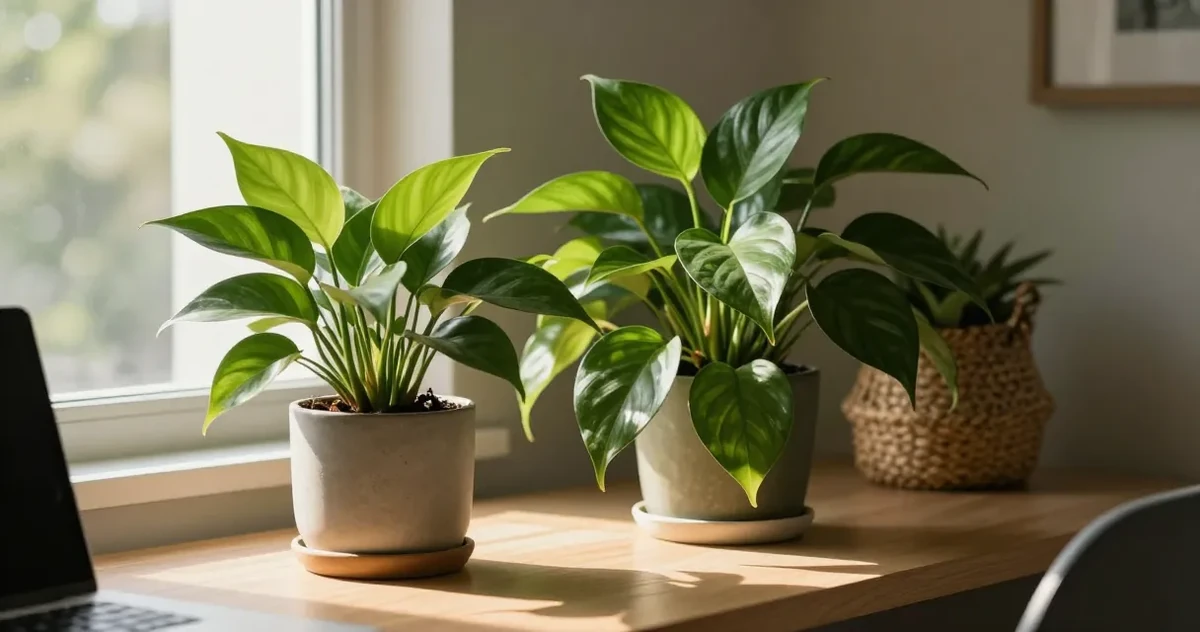
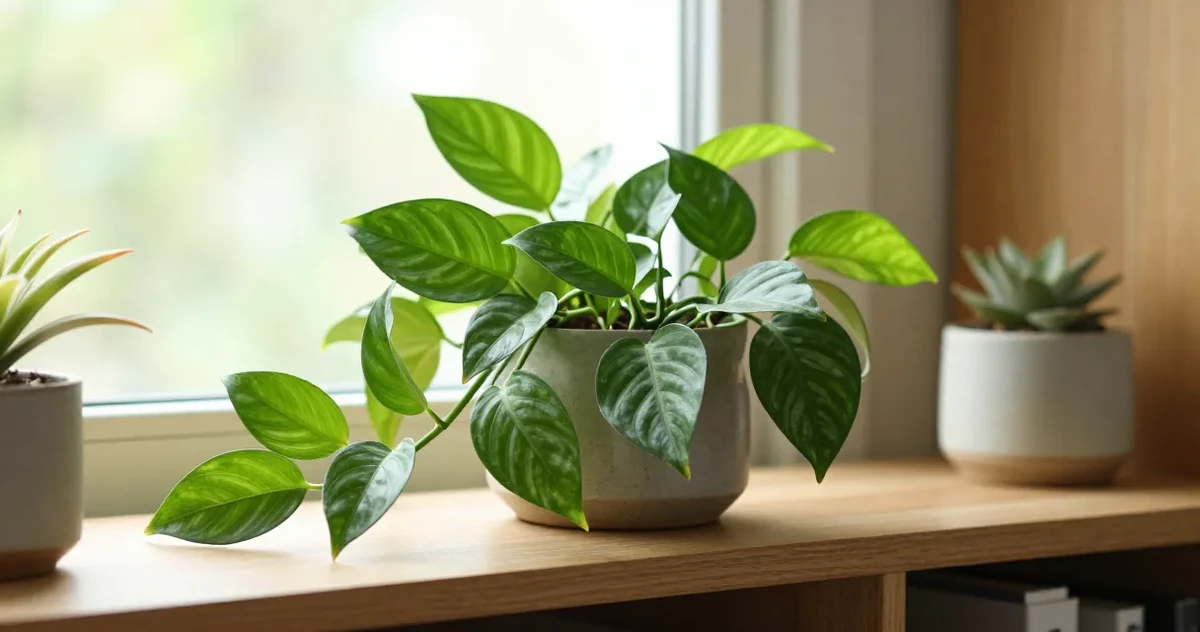
Philodendron Brasil is a good fit if you want a trailing plant that can forgive the occasional late watering, but it is not a great fit for a dark corner. Its yellow-green streaks need brighter indirect light than a plain heartleaf philodendron, and its roots need time to dry between waterings. The short version: put it near a bright window out of harsh direct sun, water when the top few centimetres of soil feel dry, and watch the newest leaves. Curling usually means the plant is too dry, yellowing often means the soil has stayed wet too long, and brown tips usually point to dry air, fertilizer buildup, or inconsistent watering. ...

 · 20 min · 
Elephant Ear Plant Care Guide Indoors

Elephant Ear Plant Care Guide Indoors

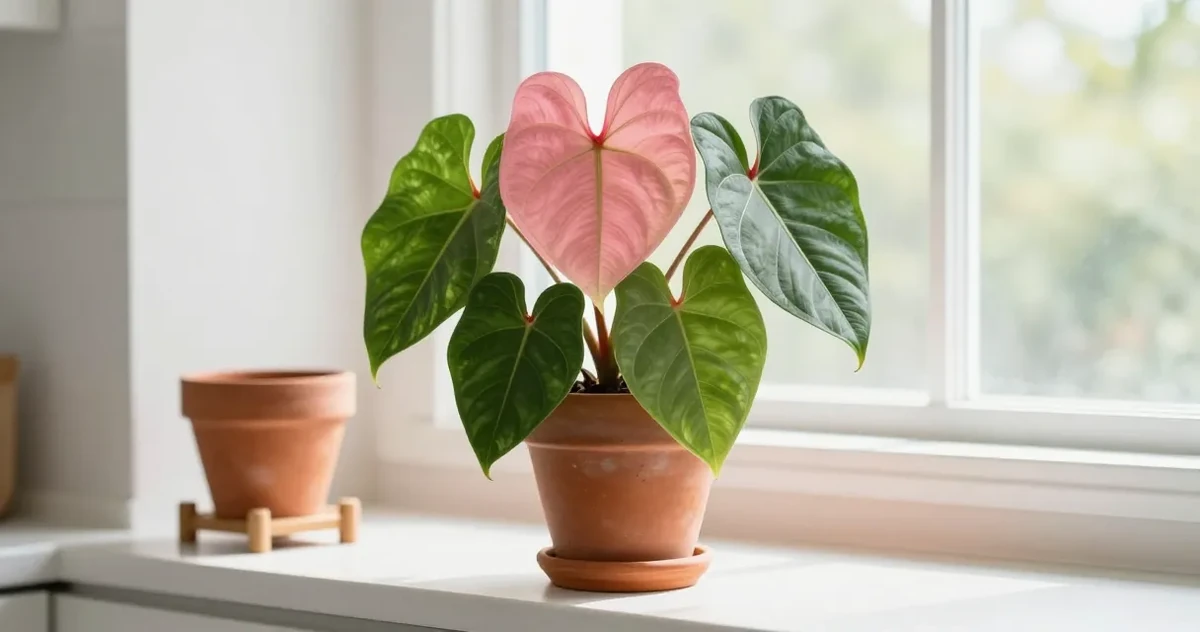
If your elephant ear plant is drooping, yellowing, curling, or getting brown tips, start with two checks: what type of elephant ear you have and how wet the soil is right now. Most care problems come from treating every “elephant ear” the same. Here is the plain-English split: Colocasia is the thirstier type and usually wants evenly moist soil. Alocasia needs a short dry-down between waterings. If you guess wrong, the leaves complain fast. If your plant is clearly an Alocasia, our full alocasia care guide goes deeper on variety-specific indoor care. For the taller, upright form specifically, continue with the Alocasia odora care guide. ...

 · 26 min · 
Marble Queen Pothos Care Guide Indoors

Marble Queen Pothos Care Guide Indoors

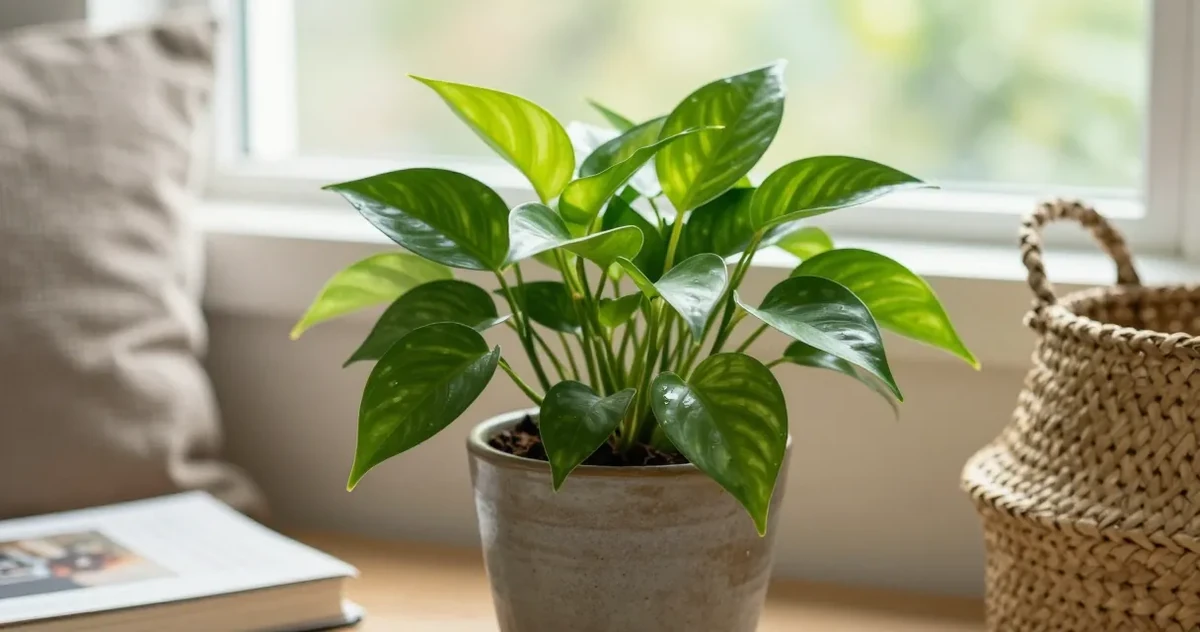
Species-level evidence behind Marble Queen pothos Marble Queen is a cultivar of Epipremnum aureum, so its species-level field evidence is shared with golden and neon pothos. Variegation itself is not measured by GBIF or CHELSA. The ranges below are the middle 50% (p25–p75), not recommended indoor setpoints. Reference taxon POWO native range Annual mean temperature Annual precipitation Relative humidity Solar radiation Evidence Epipremnum aureum (golden pothos) Mo’orea in the Society Islands 25.7–25.9°C 2451–2644 mm/yr 63–64% 20.0–20.1 MJ/m²/day 6 climate points; low confidence What this changes in this guide: Use the climate profile for broad species context only; the cultivar’s white tissue makes indoor light and growth observations more important than copying the routine of a greener pothos. ...

 · 22 min · 
Best Tropical Plants to Grow Indoors

Best Tropical Plants to Grow Indoors

If you want tropical plants indoors, the real question is not “which one looks best?” It is: how bright is your room, how often will you realistically water, and what should you do when the leaves start curling, yellowing, or getting brown tips? This guide is for choosing a tropical plant that fits your home before you buy it, then keeping it alive with simple care steps. Most tropical houseplants want warm rooms, indirect light, and soil that partly dries before the next watering. The plants that struggle most indoors are usually the ones matched to the wrong light or watered on a fixed calendar instead of checked first. ...

 · 19 min · 
Dracaena Care Guide: Watering, Brown Tips, and Yellow Leaves

Dracaena Care Guide: Watering, Brown Tips, and Yellow Leaves

If you have a tall, architectural plant with strappy leaves and brown tips you can’t explain, there is a good chance you are already living with a dracaena. The quick answer: water only when the soil is dry 5 to 6 cm down, expect roughly every 10 to 14 days in warm months, and slow down hard in winter. The brown tips, yellow leaves, and curling leaves are not random. They usually point to water timing, water quality, light, or dry air. This guide is for everyday plant owners who want to know what to do next, not a botany lecture. ...

 · 21 min · 
Neem Oil for Plants: How to Use Safely

Neem Oil for Plants: How to Use Safely

If you’ve noticed sticky residue on your plant’s leaves, tiny insects clustering along the stems, or fine webbing stretched between the nodes, you’ve probably already started googling. And neem oil for plants is likely one of the first results that came up. It’s one of those remedies that sounds almost too good: natural, widely available, and effective against a surprisingly long list of problems. But it comes with a few rules. Mix it wrong and it won’t work. Apply it at the wrong time and you’ll stress the plant more than the pests did. ...

 · 22 min · 
Golden Pothos Care Guide for Beginners

Golden Pothos Care Guide for Beginners

Golden pothos is a good first houseplant if you want clear rules instead of a fussy routine: give it bright indirect light, water only after the top few centimetres of soil dry out, and keep it away from pets that chew leaves. If the leaves start curling, yellowing, or getting brown tips, the fix usually starts with one simple check: is the soil dry, damp, or soggy? Golden pothos (Epipremnum aureum) is the heart-shaped trailing plant with green leaves splashed in yellow-gold. It is native to the Solomon Islands and grows as a tropical vine. According to the University of Florida IFAS Extension, golden pothos can reach lengths of 40 feet in its native tropical habitat, which explains why indoor plants can eventually trail down shelves, bookcases, and hanging baskets when the routine is right. ...

 · 19 min · 
Best Bathroom Plants for Every Light

Best Bathroom Plants for Every Light

What native-climate records add to a bathroom shortlist A steamy bathroom is not automatically bright, and humidity alone does not make every plant a match. These records compare four moisture-loving candidates without turning outdoor climate into an indoor watering schedule. The ranges below are the middle 50% (p25–p75), not recommended indoor setpoints. Reference taxon POWO native range Annual mean temperature Annual precipitation Relative humidity Solar radiation Evidence Spathiphyllum wallisii (peace lily) Colombia to Venezuela 18.8–20.7°C 2102–3281 mm/yr 67–68% 16.7–18.3 MJ/m²/day 10 climate points; low confidence Goeppertia orbifolia (calathea orbifolia) eastern Brazil 22.8–24.6°C 1370–1870 mm/yr 66–69% 17.2–18.2 MJ/m²/day 12 climate points; low confidence Maranta leuconeura (prayer plant) central and eastern Brazil 20.9–23.1°C 1332–1606 mm/yr 60–65% 16.9–18.1 MJ/m²/day 30 climate points / 154 usable records; medium confidence Epipremnum aureum (golden pothos) Mo’orea in the Society Islands 25.7–25.9°C 2451–2644 mm/yr 63–64% 20.0–20.1 MJ/m²/day 6 climate points; low confidence What this changes in this guide: Choose by light first, then use the climate ranges to understand why stale wet soil and low light remain risky even for plants associated with humid habitats. ...

 · 23 min · 
Easy Houseplants for Beginners to Grow

Easy Houseplants for Beginners to Grow

If you’ve bought a plant with good intentions and watched it slowly yellow, curl, or collapse, this list is for you. The goal is not to find a plant that needs no care. It is to choose one that fits your light, your memory, and your normal week. For each beginner-friendly plant below, focus on three things: where it will live, when to water, and what the first warning sign looks like. That is the difference between buying a plant because it looks easy and choosing one you can actually keep alive. ...

 · 24 min · 
Monstera Thai Constellation Care Guide

Monstera Thai Constellation Care Guide

If you just brought one home, you probably want three answers fast: how often to water it, what the scary leaf symptoms mean, and whether the pricey variegated leaves need special treatment. The short version is simple: water only when the top 2 inches of soil are dry, give it brighter indirect light than a plain green monstera, and treat yellow lower leaves or mushy stems as overwatering warnings. Maybe you spent $150, maybe $300, maybe more. Now it’s sitting on your shelf and you’re suddenly very aware of every yellowing edge and every leaf that doesn’t look quite right. Welcome to the Thai Constellation experience. ...

 · 22 min ·