How to Get Rid of Spider Mites Fast

How to Get Rid of Spider Mites Fast

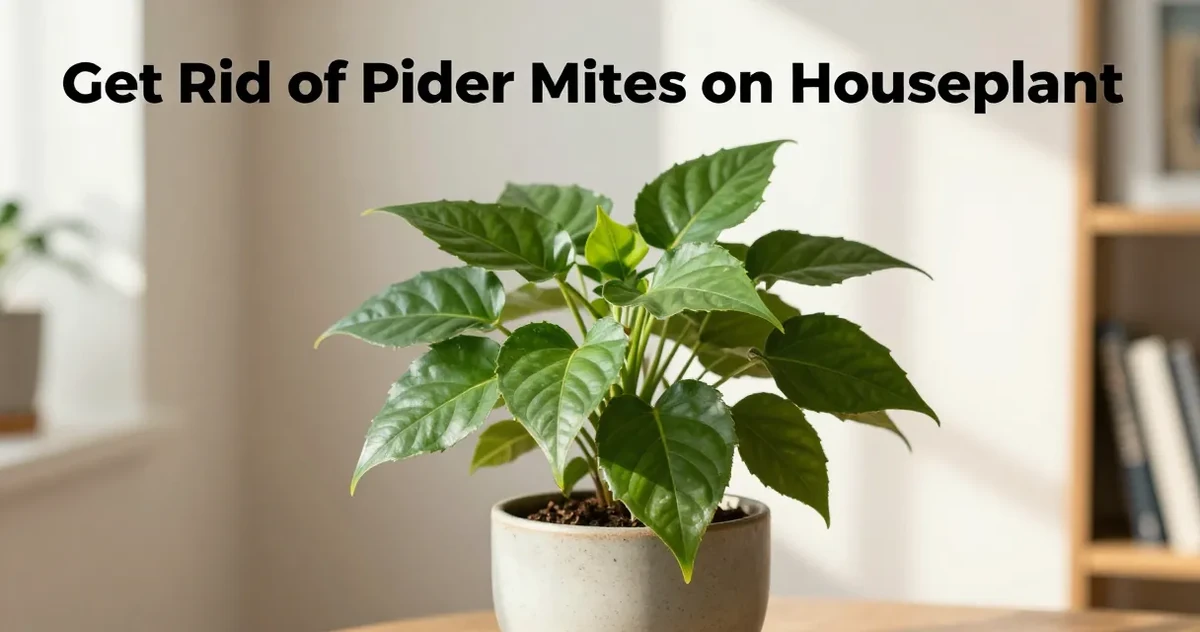
You notice a faint dustiness on the leaves. Maybe some tiny yellow speckles, or a leaf that looks a little washed out. You lean in closer and see the faintest threads of webbing in the crook where the stem meets a leaf. That’s when you know: spider mites have found your plant. Knowing how to get rid of spider mites is one of the most useful things you can learn as a plant person, because these pests move fast and they don’t announce themselves loudly. The good news is that if you catch them early, they’re very manageable. And even if the infestation has gotten ahead of you, there’s still a clear path back. ...
 · 19 min
Plant Fertilizer Guide for Houseplants

Plant Fertilizer Guide for Houseplants

You do not need to memorize fertilizer chemistry to feed houseplants well. You need three answers: is the plant actively growing, how often should you feed it, and what warning signs mean you should stop? If you’ve been watering faithfully for months but the new leaves are smaller, the color looks washed out, or older leaves are yellowing one by one, fertilizer may be part of the fix. If the tips are turning brown, leaves are curling, or the soil has a white crust, more fertilizer may be exactly the wrong move. ...

 · 22 min
Hydrangea Care Guide Indoors and Out

Hydrangea Care Guide Indoors and Out

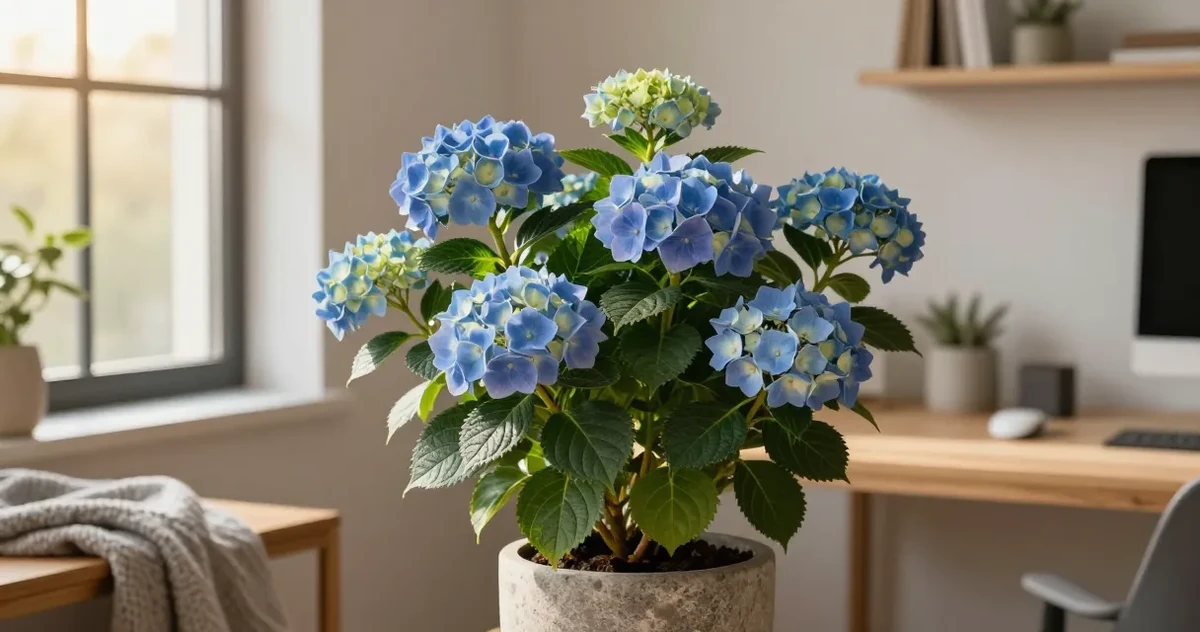
Climate DNA for bigleaf hydrangea Hydrangea care varies by species. This evidence module is specifically for Hydrangea macrophylla, the bigleaf hydrangea behind many blue and pink mophead forms. The ranges below are the middle 50% (p25–p75), not recommended indoor setpoints. Reference taxon POWO native range Annual mean temperature Annual precipitation Relative humidity Solar radiation Evidence Hydrangea macrophylla (bigleaf hydrangea) south-central Japan to Izu Oshima and the Kazan Islands 15.1–16.7°C 1445–1935 mm/yr 60–61% 13.7–14.6 MJ/m²/day 30 climate points / 255 usable records; medium confidence What this changes in this guide: Unlike the tropical houseplant profiles elsewhere on the site, this temperate native envelope gives seasonal outdoor context; pot moisture, cultivar, pruning group, and local frost exposure still remain separate decisions. ...

 · 22 min
Philodendron Brasil Care Guide Indoors

Philodendron Brasil Care Guide Indoors

Philodendron Brasil is a good fit if you want a trailing plant that can forgive the occasional late watering, but it is not a great fit for a dark corner. Its yellow-green streaks need brighter indirect light than a plain heartleaf philodendron, and its roots need time to dry between waterings. The short version: put it near a bright window out of harsh direct sun, water when the top few centimetres of soil feel dry, and watch the newest leaves. Curling usually means the plant is too dry, yellowing often means the soil has stayed wet too long, and brown tips usually point to dry air, fertilizer buildup, or inconsistent watering. ...

 · 20 min
Elephant Ear Plant Care Guide Indoors

Elephant Ear Plant Care Guide Indoors

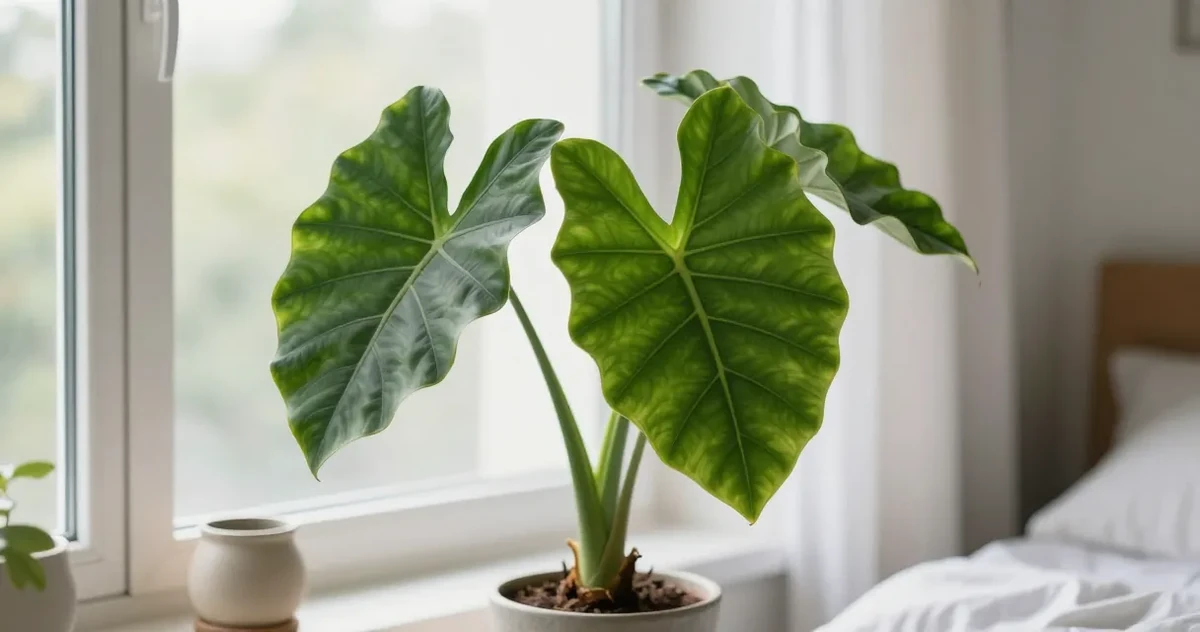
If your elephant ear plant is drooping, yellowing, curling, or getting brown tips, start with two checks: what type of elephant ear you have and how wet the soil is right now. Most care problems come from treating every “elephant ear” the same. Here is the plain-English split: Colocasia is the thirstier type and usually wants evenly moist soil. Alocasia needs a short dry-down between waterings. If you guess wrong, the leaves complain fast. If your plant is clearly an Alocasia, our full alocasia care guide goes deeper on variety-specific indoor care. For the taller, upright form specifically, continue with the Alocasia odora care guide. ...

 · 26 min
Marble Queen Pothos Care Guide Indoors

Marble Queen Pothos Care Guide Indoors

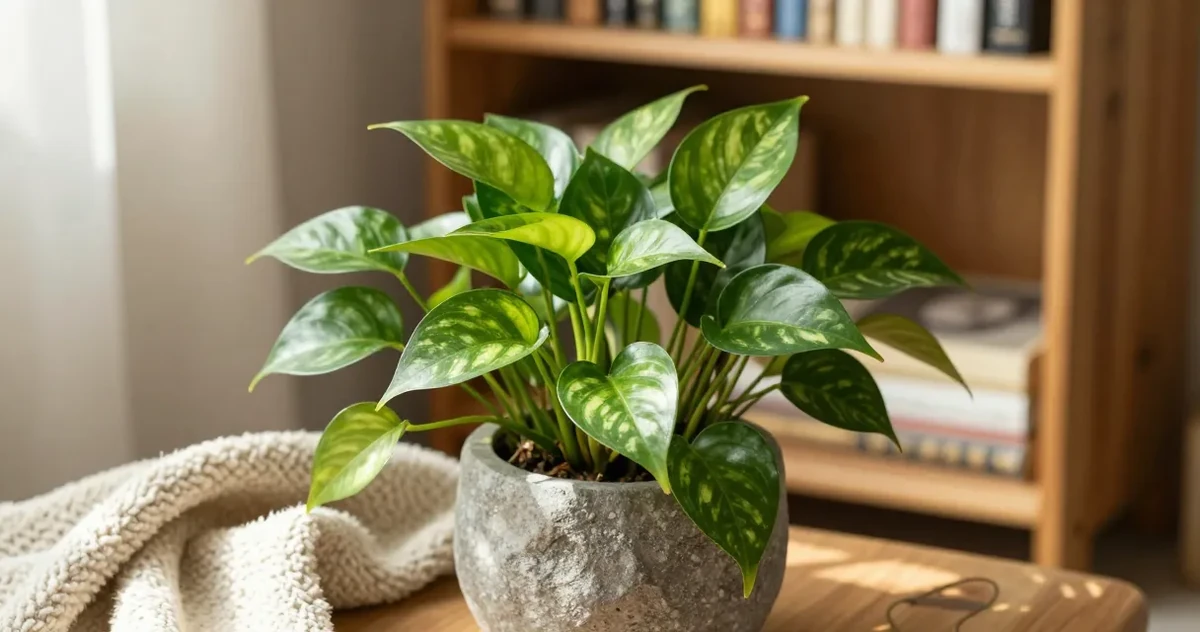
Species-level evidence behind Marble Queen pothos Marble Queen is a cultivar of Epipremnum aureum, so its species-level field evidence is shared with golden and neon pothos. Variegation itself is not measured by GBIF or CHELSA. The ranges below are the middle 50% (p25–p75), not recommended indoor setpoints. Reference taxon POWO native range Annual mean temperature Annual precipitation Relative humidity Solar radiation Evidence Epipremnum aureum (golden pothos) Mo’orea in the Society Islands 25.7–25.9°C 2451–2644 mm/yr 63–64% 20.0–20.1 MJ/m²/day 6 climate points; low confidence What this changes in this guide: Use the climate profile for broad species context only; the cultivar’s white tissue makes indoor light and growth observations more important than copying the routine of a greener pothos. ...

 · 22 min
Best Tropical Plants to Grow Indoors

12 Best Tropical Indoor Plants for Your Home

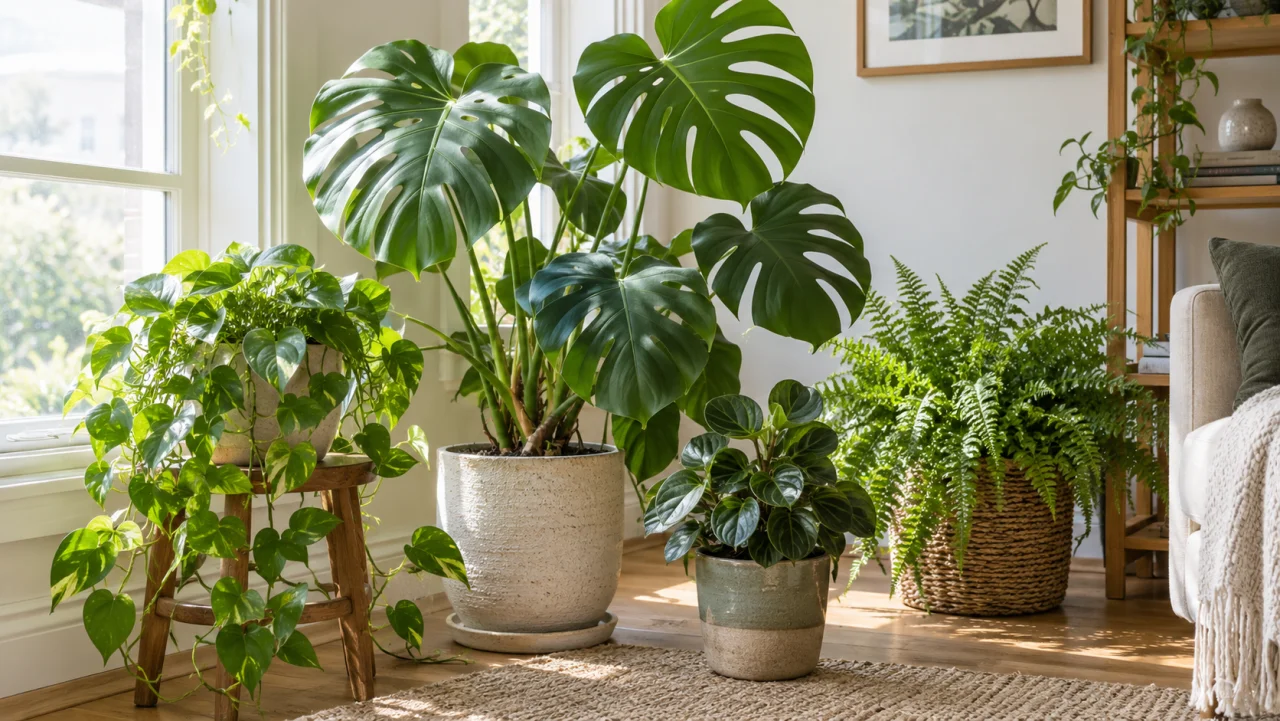
For most homes, the best tropical indoor plants are golden pothos, heartleaf philodendron, snake plant, and ZZ plant because they tolerate average indoor light and forgive an occasional missed watering. Monstera and bird of paradise fit brighter rooms, while calathea and alocasia suit owners who can provide steadier moisture and humidity. The best tropical houseplant is the one that matches your room and routine before you buy it. Most tropical houseplants want warm rooms, indirect light, and soil that partly dries before the next watering. The plants that struggle indoors are usually matched to the wrong light or watered on a fixed calendar instead of checked first. ...

 · 19 min
Dracaena Care Guide: Watering, Brown Tips, and Yellow Leaves

Dracaena Care Guide: Watering, Brown Tips, and Yellow Leaves

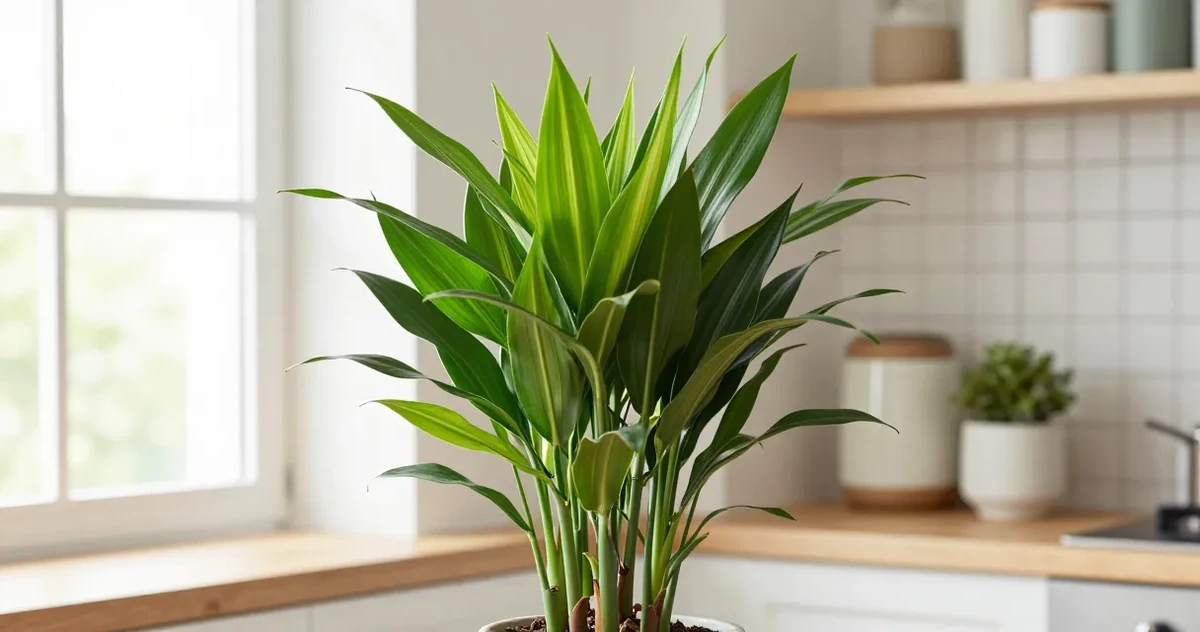
If you have a tall, architectural plant with strappy leaves and brown tips you can’t explain, there is a good chance you are already living with a dracaena. The quick answer: water only when the soil is dry 5 to 6 cm down, expect roughly every 10 to 14 days in warm months, and slow down hard in winter. The brown tips, yellow leaves, and curling leaves are not random. They usually point to water timing, water quality, light, or dry air. This guide is for everyday plant owners who want to know what to do next, not a botany lecture. ...

 · 21 min
Neem Oil for Plants: How to Use Safely

Neem Oil for Plants: How to Use Safely

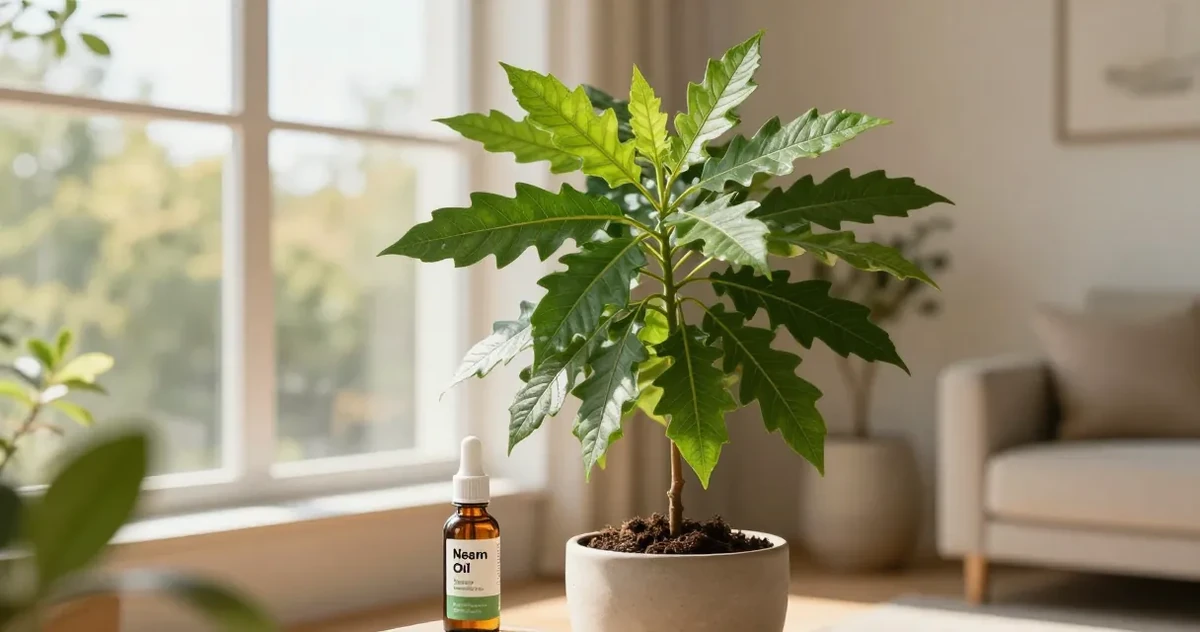
If you’ve noticed sticky residue on your plant’s leaves, tiny insects clustering along the stems, or fine webbing stretched between the nodes, you’ve probably already started googling. And neem oil for plants is likely one of the first results that came up. It’s one of those remedies that sounds almost too good: natural, widely available, and effective against a surprisingly long list of problems. But it comes with a few rules. Mix it wrong and it won’t work. Apply it at the wrong time and you’ll stress the plant more than the pests did. ...

 · 22 min
Golden Pothos Care Guide for Beginners

Golden Pothos Care Guide for Beginners

Golden pothos is a good first houseplant if you want clear rules instead of a fussy routine: give it bright indirect light, water only after the top few centimetres of soil dry out, and keep it away from pets that chew leaves. If the leaves start curling, yellowing, or getting brown tips, the fix usually starts with one simple check: is the soil dry, damp, or soggy? Golden pothos (Epipremnum aureum) is the heart-shaped trailing plant with green leaves splashed in yellow-gold. It is native to the Solomon Islands and grows as a tropical vine. According to the University of Florida IFAS Extension, golden pothos can reach lengths of 40 feet in its native tropical habitat, which explains why indoor plants can eventually trail down shelves, bookcases, and hanging baskets when the routine is right. ...

 · 19 min