Philodendron Pink Princess Care Guide

Philodendron Pink Princess Care Guide

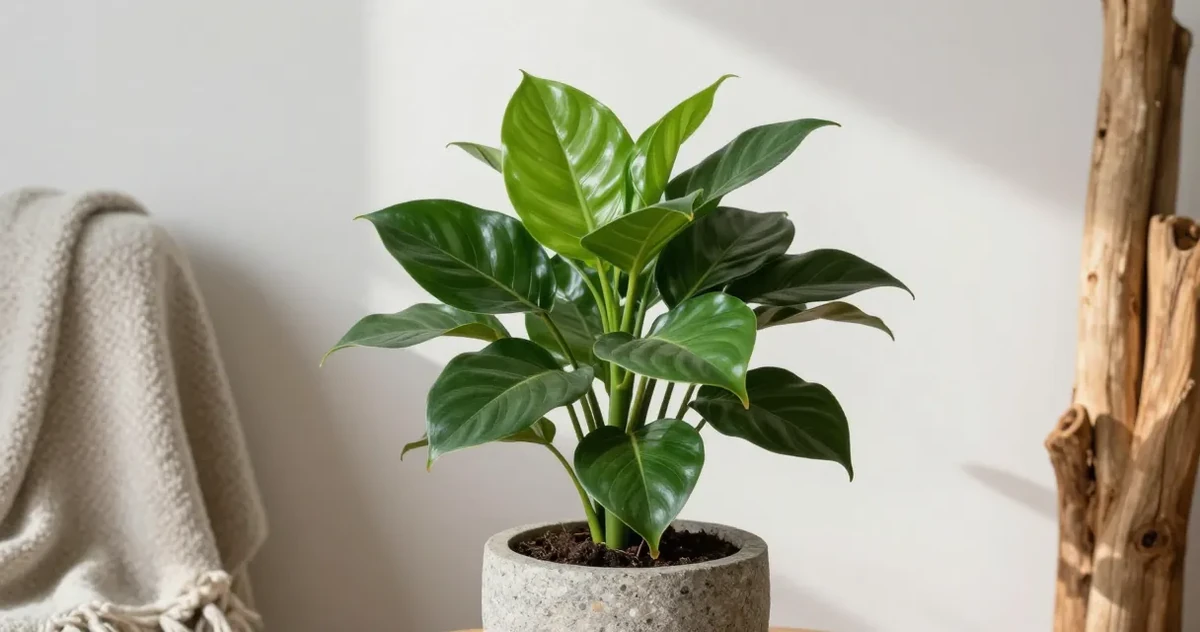
Philodendron Pink Princess is not hard to keep alive, but it is easy to disappoint if you buy it for the pink and then put it in a dim corner. The real care question is simple: can you give it bright indirect light, a pot that drains, and a soil check once a week? If yes, it can fit a normal indoor routine. If you want a plant you can water on a fixed schedule and forget, choose a tougher green philodendron instead. ...

 · 21 min · 
Neon Pothos Care Guide for Bright Leaves

Neon Pothos Care Guide for Bright Leaves

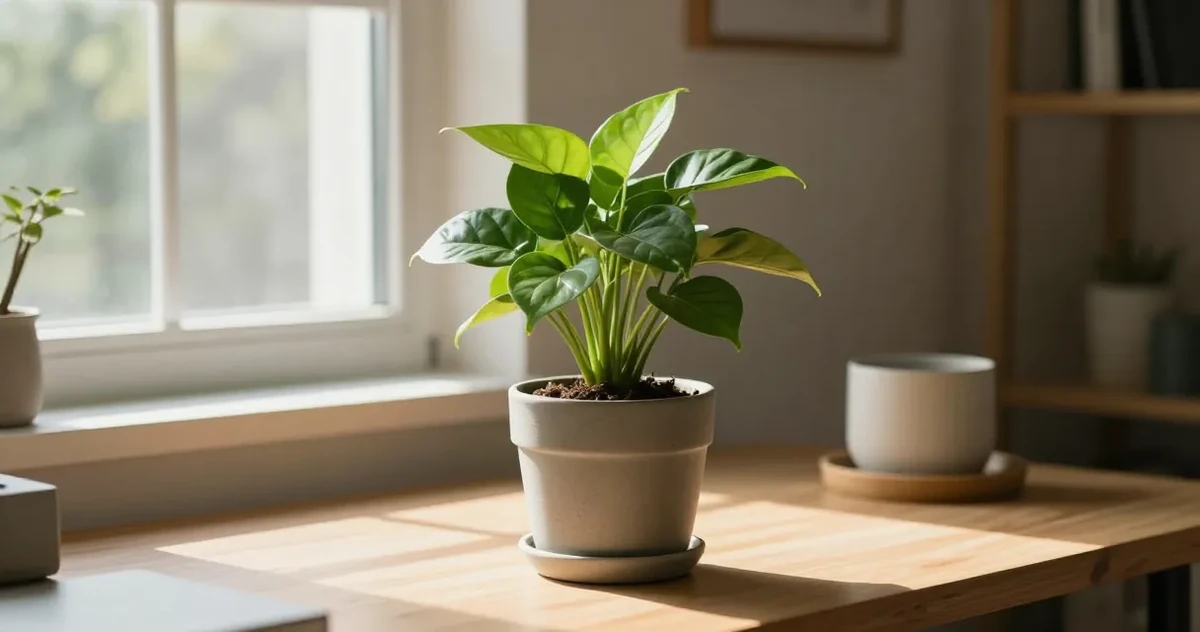
Neon pothos is a good plant for you if you have a bright window and can check the soil once a week. It is not the best choice for a dark corner if you want those glowing yellow-green leaves to stay bright. If yours is fading, curling, yellowing, or getting brown tips, this guide will help you sort the likely cause without turning plant care into homework. The short version: give neon pothos bright indirect light, water when the top couple inches of soil are dry, and never let the pot sit in standing water. New leaves coming in bright chartreuse mean the spot is working. New leaves coming in darker green usually mean it needs more light. Yellow, soft leaves usually point to too much water; curled or crispy leaves usually point to thirst, heat, or dry air. ...

 · 21 min · 
Monstera Adansonii Care Guide Indoors

Monstera Adansonii Care Guide Indoors

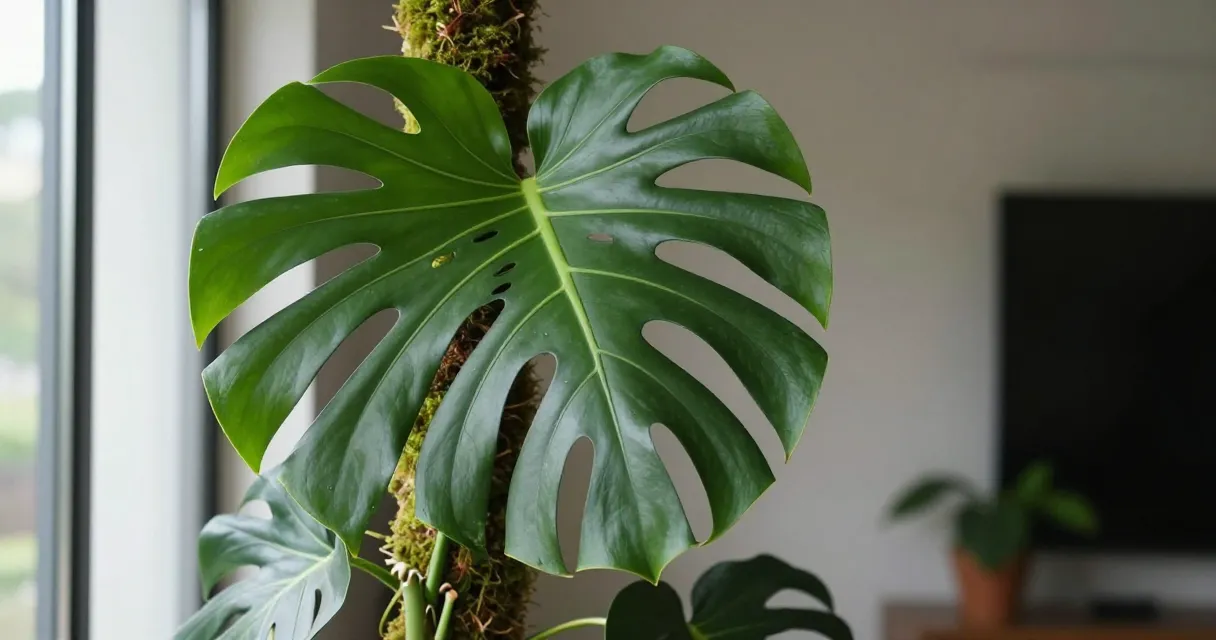
If you are trying to keep a monstera adansonii alive indoors, the main question is simple: can you give it bright indirect light and resist watering before the soil starts to dry? If yes, this is usually a manageable plant for a normal home routine. Monstera adansonii, also called Swiss cheese vine, is a fast-growing trailing or climbing houseplant with naturally holey leaves. It is smaller and lighter than the monstera thai constellation and the larger monstera deliciosa, so it fits shelves, hanging baskets, and moss poles more easily. The care challenge is not complicated botany. It is reading the plant’s signals before small issues turn into yellow leaves, curled leaves, brown tips, or root rot. ...

 · 19 min · 
How to Get Rid of Fungus Gnats Fast

How to Get Rid of Fungus Gnats Fast

By KnowYourPlant Editorial Team, updated June 24, 2026. This version keeps the guide aligned with extension and IPM guidance reviewed for the June 18, 2026 evidence refresh. Start Here if You Need the Gnats Down Fast If you are standing over the pot right now and just want the first three moves, do these before you try anything fancy: Put a yellow sticky trap in every suspect pot so you can see which container is actually feeding the outbreak. Let the top 1 to 2 inches of mix dry as much as the plant safely allows, then empty every saucer, cachepot, or reservoir holding leftover water. If adults return after the next watering, add a labeled larval treatment such as BTI or beneficial nematodes and focus on the wettest source pots first. If the plant is a seedling, fresh cutting, or already recovering from root stress, keep the dry-down gentler and lean harder on monitoring plus larval control. ...

 · 19 min · 
Heartleaf Philodendron Care Indoors

Heartleaf Philodendron Care Indoors

Climate DNA for heartleaf philodendron The heartleaf plant in this guide is tied to the accepted species Philodendron hederaceum, including the broad POWO native range from Mexico through tropical America. The ranges below are the middle 50% (p25–p75), not recommended indoor setpoints. Reference taxon POWO native range Annual mean temperature Annual precipitation Relative humidity Solar radiation Evidence Philodendron hederaceum (heartleaf philodendron) Mexico to tropical America 24.0–25.9°C 1668–2787 mm/yr 64–68% 17.0–18.7 MJ/m²/day 30 climate points / 783 usable records; medium confidence What this changes in this guide: A broad field envelope indicates ecological variation, not immunity to soggy potting mix. Use it to understand context while checking the indoor root zone directly. ...

 · 20 min · 
Calathea Care Guide: Water and Light

Calathea Care Guide: Water and Light

Calathea care has a reputation, and it’s earned. If you’ve found yourself staring at crispy brown edges, leaves curling inward like little scrolls, or a plant that looks sulky for no obvious reason, you’re in good company. Almost everyone who grows calathea goes through this. Here’s the thing worth holding onto: calathea isn’t difficult because it’s fragile. It’s difficult because it’s specific. Once you understand what it actually needs, keeping one happy becomes a lot less mysterious. ...

 · 20 min · 
Indoor Plant Care Guide for Beginners

Indoor Plant Care Guide for Beginners

You brought a plant home, found it the perfect spot on the windowsill, and watered it faithfully every few days. And then, slowly, something started going wrong. Maybe the leaves turned yellow. Maybe they drooped. Maybe the plant just quietly stopped looking like itself. If that sounds familiar, you are not doing it wrong. You are just missing a few pieces of the picture, and that is exactly what indoor plant care tips are for. ...

 · 21 min · 
How to Get Rid of Spider Mites Fast

How to Get Rid of Spider Mites Fast

You notice a faint dustiness on the leaves. Maybe some tiny yellow speckles, or a leaf that looks a little washed out. You lean in closer and see the faintest threads of webbing in the crook where the stem meets a leaf. That’s when you know: spider mites have found your plant. Knowing how to get rid of spider mites is one of the most useful things you can learn as a plant person, because these pests move fast and they don’t announce themselves loudly. The good news is that if you catch them early, they’re very manageable. And even if the infestation has gotten ahead of you, there’s still a clear path back. ...

 · 19 min · 
Plant Fertilizer Guide for Houseplants

Plant Fertilizer Guide for Houseplants

You do not need to memorize fertilizer chemistry to feed houseplants well. You need three answers: is the plant actively growing, how often should you feed it, and what warning signs mean you should stop? If you’ve been watering faithfully for months but the new leaves are smaller, the color looks washed out, or older leaves are yellowing one by one, fertilizer may be part of the fix. If the tips are turning brown, leaves are curling, or the soil has a white crust, more fertilizer may be exactly the wrong move. ...

 · 22 min · 
Hydrangea Care Guide Indoors and Out

Hydrangea Care Guide Indoors and Out

Climate DNA for bigleaf hydrangea Hydrangea care varies by species. This evidence module is specifically for Hydrangea macrophylla, the bigleaf hydrangea behind many blue and pink mophead forms. The ranges below are the middle 50% (p25–p75), not recommended indoor setpoints. Reference taxon POWO native range Annual mean temperature Annual precipitation Relative humidity Solar radiation Evidence Hydrangea macrophylla (bigleaf hydrangea) south-central Japan to Izu Oshima and the Kazan Islands 15.1–16.7°C 1445–1935 mm/yr 60–61% 13.7–14.6 MJ/m²/day 30 climate points / 255 usable records; medium confidence What this changes in this guide: Unlike the tropical houseplant profiles elsewhere on the site, this temperate native envelope gives seasonal outdoor context; pot moisture, cultivar, pruning group, and local frost exposure still remain separate decisions. ...

 · 22 min ·