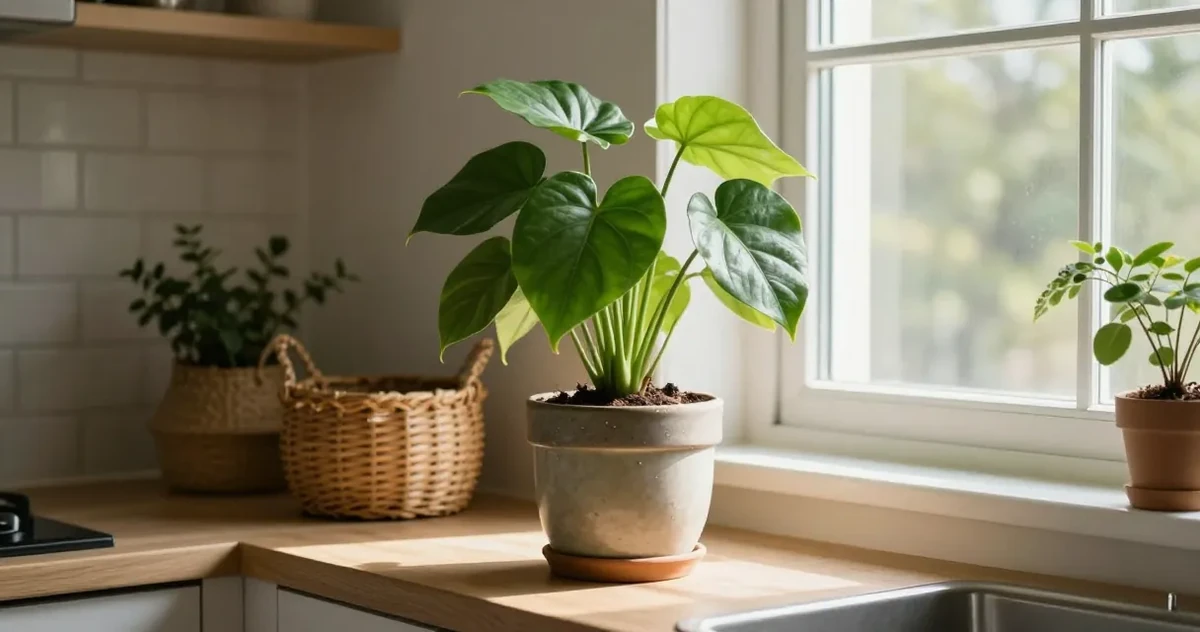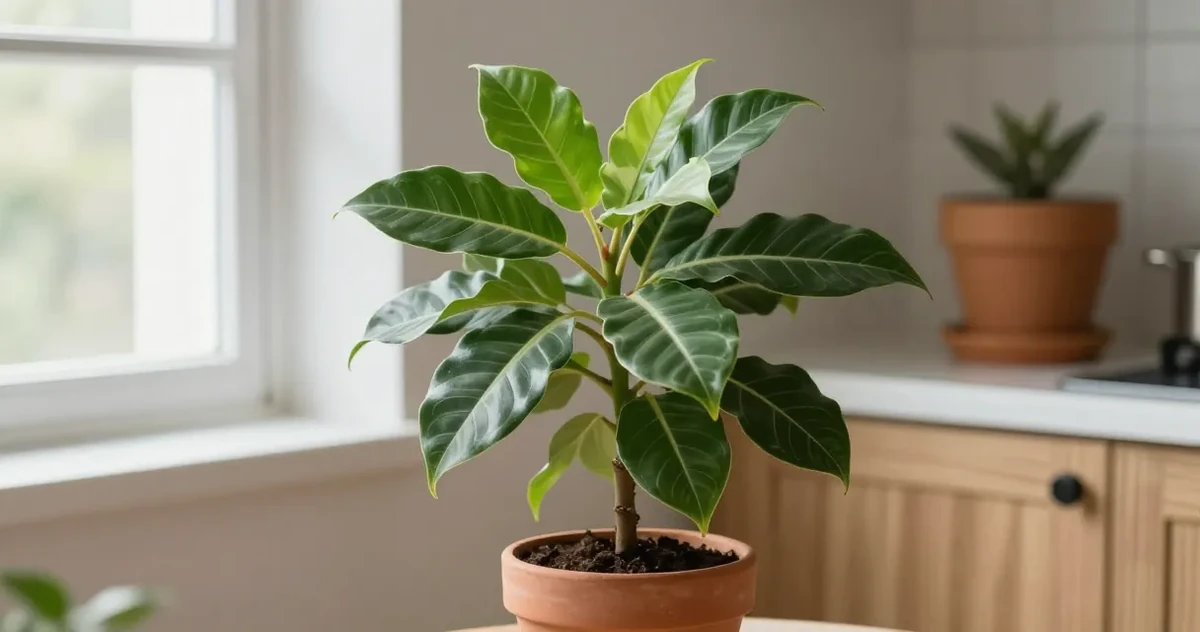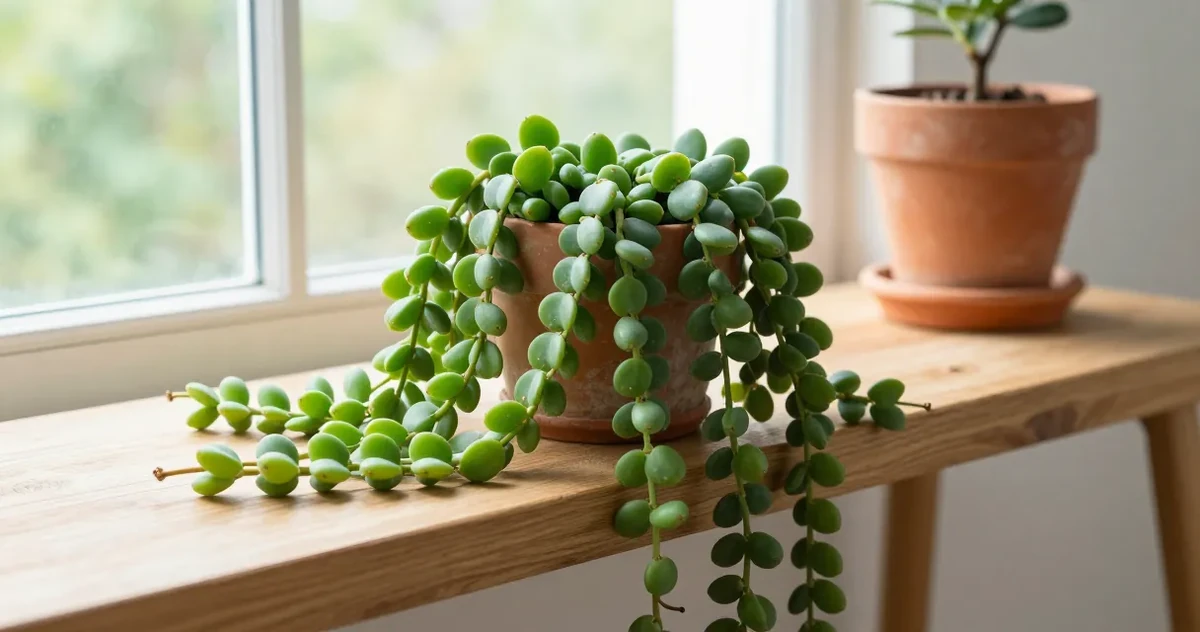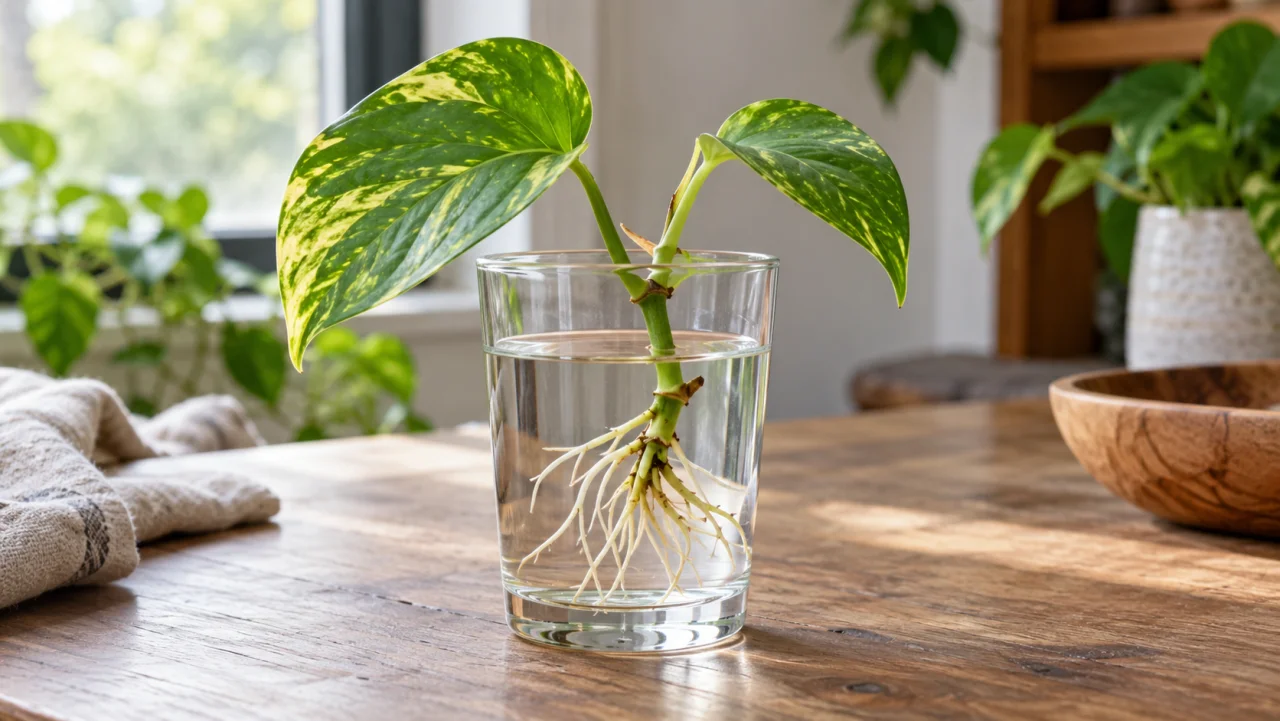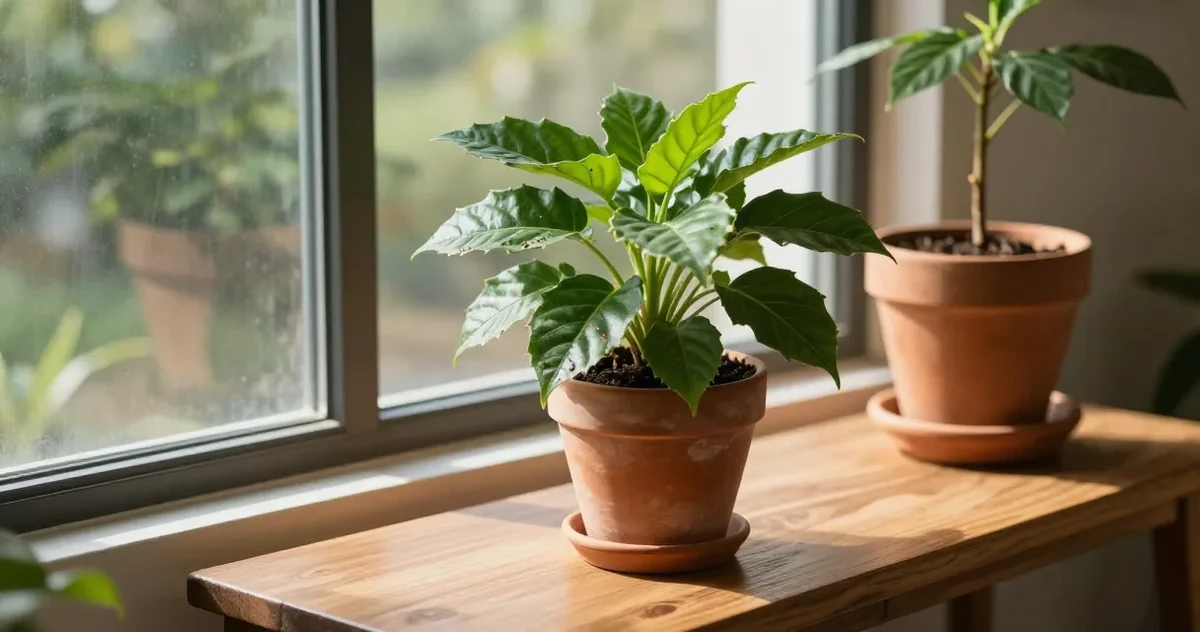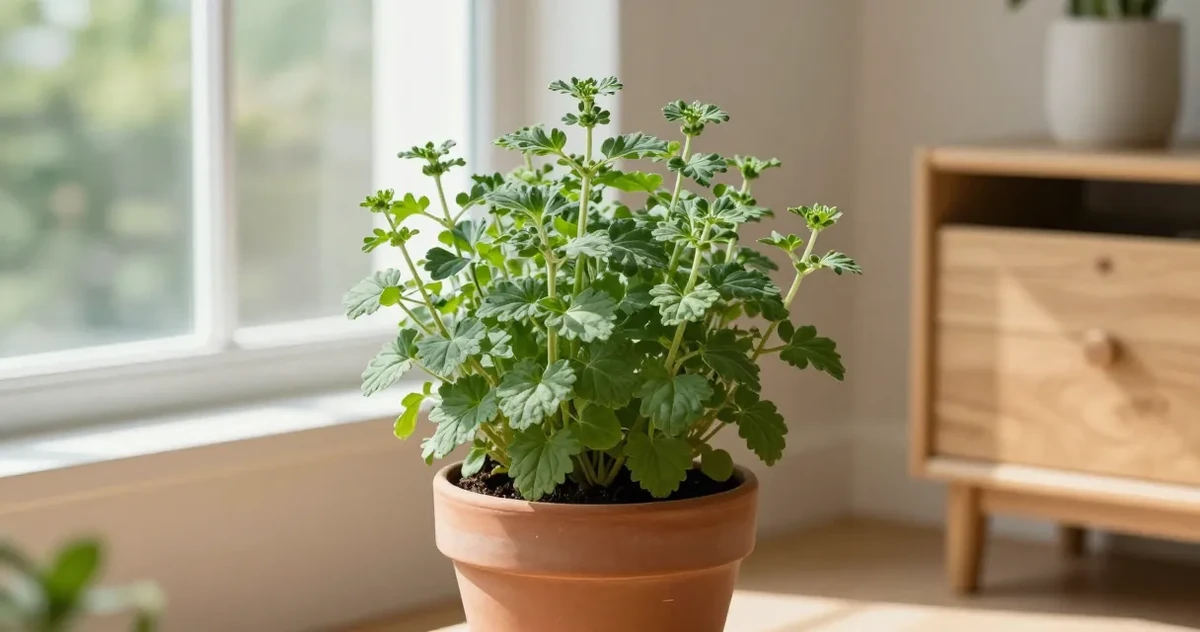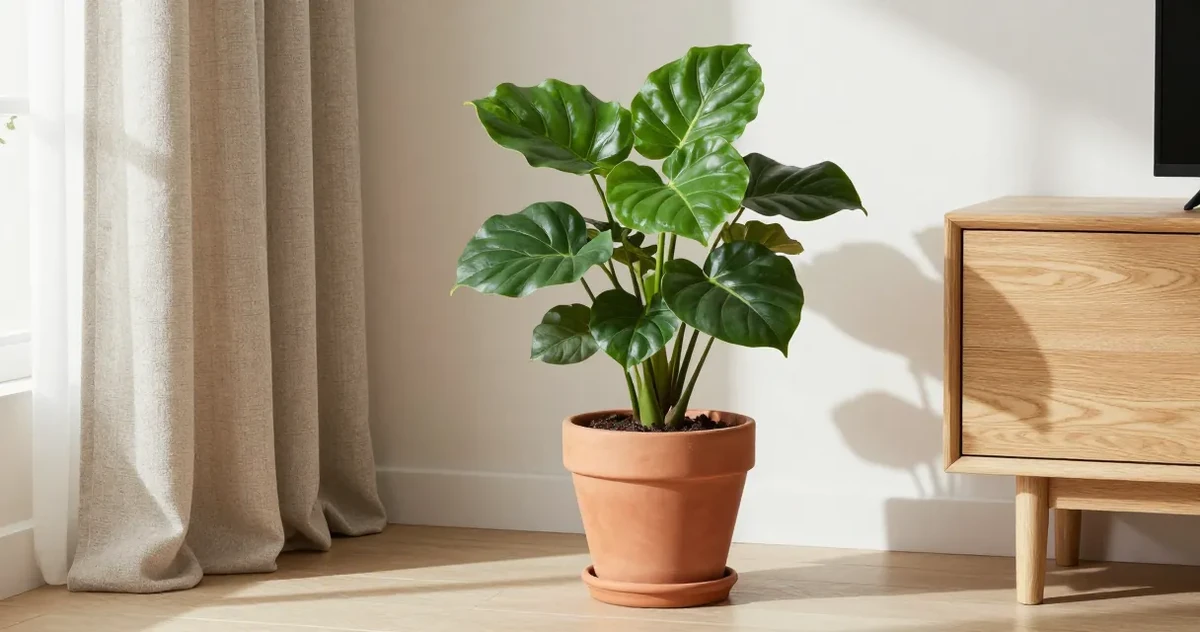
Feng shui plants arranged in a bright living room with soft sunlight and balanced placement

Best Feng Shui Plants: What to Put Where for Good Energy

Feng shui plants are healthy, living indoor plants used to bring the wood element, softness, growth, and visual vitality into specific areas of a home. The best ones are not magic objects. They are plants that suit your light, your watering habits, and the room you choose. A plant only supports calm in a bedroom, welcome at the entrance, focus at a desk, or abundance in a wealth corner if it can stay alive there. ...

 · 25 min · 
Best Trailing Indoor Plants to Grow

Best Trailing Indoor Plants to Grow

If you are choosing a trailing indoor plant, the useful question is not just “which vine looks good on a shelf?” It is “will this plant work with my light, my watering habits, and my pets?” This guide is for everyday plant owners who want a clear shortlist before buying, plus quick answers when leaves curl, yellow, or get brown tips. A trailing plant grows by sending stems outward and downward instead of mostly upright. That habit makes trailing plants useful for hanging baskets, high shelves, wardrobes, bookcases, and small rooms where you do not want another pot on the floor. If you are deciding between a true trailing vine and a fuller basket plant, our indoor hanging plants guide shows where those categories overlap and where they behave differently. ...

 · 23 min · 
Best Bedroom Plants for Sleep and Air

Best Bedroom Plants for Sleep and Air

You want a bedroom plant that fits the room you actually have: maybe low light, maybe a pet on the bed, maybe a watering routine that is more “when I remember” than “every Saturday at 9.” The best choice is not the plant with the prettiest photo. It is the plant that can handle your light, your sleep setup, and your care habits without becoming another thing to worry about. ...

 · 24 min · 
Snake Plant Benefits for Every Room

Snake Plant Benefits for Every Room

If you want one indoor plant that can handle imperfect light, missed waterings, and a beginner learning curve, a snake plant is one of the safest bets. The real benefit is not that it magically fixes a room. It is that it gives you clear, slow feedback and rarely punishes you for being busy. For everyday care, think of a snake plant as a low-routine plant: give it a bright or medium-light spot if you can, let the soil dry all the way out, then water deeply and leave it alone again. If you want the full routine, the snake plant care guide walks through watering, light, and drainage in more detail. If the plant already looks wrong, the shorter snake plant care reset starts with the visible signal. ...

 · 17 min · 
Self-Watering Pots Guide for Plants

Self-Watering Pots Guide for Plants

If you’ve ever come home to a wilted plant after a few days away, you’ve probably wondered whether self watering pots are actually worth it. The short answer is yes, but with some caveats worth knowing before you buy. A self watering pot is a planter with a built-in water reservoir at the bottom, separated from the soil by a barrier. The plant draws moisture upward through a wick or soil column only when it needs it. Water on demand, from below, without you hovering with a watering can every two days. ...

 · 21 min · 
Snake Plant Care Guide for Beginners

Snake Plant Care Guide for Beginners

Climate DNA for Dracaena trifasciata Snake plant is resolved here to the accepted name Dracaena trifasciata, with Sansevieria trifasciata retained by GBIF and POWO as the familiar synonym. The ranges below are the middle 50% (p25–p75), not recommended indoor setpoints. Reference taxon POWO native range Annual mean temperature Annual precipitation Relative humidity Solar radiation Evidence Dracaena trifasciata (snake plant) southern Nigeria to west-central tropical Africa and Tanzania 23.3–25.2°C 1585–1783 mm/yr 65–69% 16.1–18.1 MJ/m²/day 29 climate points; medium confidence What this changes in this guide: Its seasonally dry background supports caution with persistent wetness, but a container is not native ground: soil structure, light, temperature, and root health decide the safe interval. ...

 · 21 min · 
Prayer Plant Care Guide for Maranta

Prayer Plant Care Guide for Maranta

If your prayer plant leaves are curling, yellowing, or turning crispy at the tips, you probably do not need a botany lesson. You need to know what to check first, how often to water, and whether this plant fits the light and routine you actually have at home. Here is the short version: keep a prayer plant in bright indirect light, water when the top 2-3 cm of soil feels dry, and do not let the pot sit in runoff water. Most homes need water every 5-7 days in warmer months and every 10-14 days in winter, but the soil check matters more than the calendar. Curling usually means the plant is too dry, too hot, or sitting in dry air. Yellow lower leaves usually mean too much water. Brown crispy tips usually mean low humidity or sensitive tap water. ...

 · 21 min · 
Rubber Plant Care Guide for Indoors

Rubber Plant Care Guide for Indoors

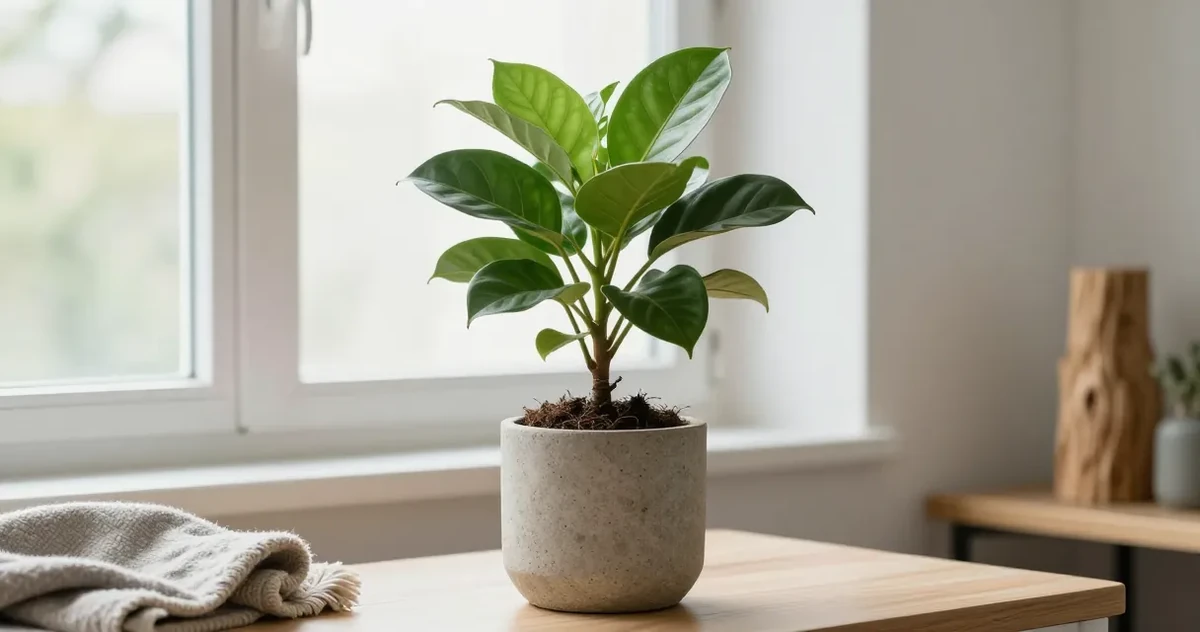
By KnowYourPlant editorial team, last updated June 16, 2026. Rubber plant care gets much easier once you know the few checks that matter: bright indirect light, a pot with drainage, and watering only after the top inch or two of soil dries out. In many homes, that means watering about every 7-10 days in spring and summer, then closer to every two or three weeks in winter. If you are worried about overdoing it, watch for lower leaves turning yellow, leaves drooping while the soil is still damp, or soil that stays wet for more than a week or two. If leaves curl inward or the tips turn crispy brown, check whether the plant has gone too dry, is sitting in harsh sun, or is near a heater or draft. ...

 · 23 min · 
Pothos vs Philodendron: Differences

Pothos vs Philodendron: Differences

You’re standing in a garden center, or maybe scrolling through a plant shop online, and you see two plants side by side. Both have heart-shaped green leaves. Both trail beautifully. Both are labelled with names that don’t quite match what you remember. This is the pothos vs philodendron puzzle, and it trips up almost everyone at some point. Here’s the useful part: you do not need a botany lesson to solve it. You need a few reliable checks for the plant in front of you, then a simple answer to the care question that usually follows: can you water it the same way, and which one fits your room better? Nurseries sometimes don’t help matters; mislabelling is common enough that you cannot always trust the tag in the pot. Once you know what to look for, though, you’ll never mix them up again. ...

 · 22 min · 
Pothos Varieties Guide: Types and Care

Pothos Varieties Guide: Types and Care

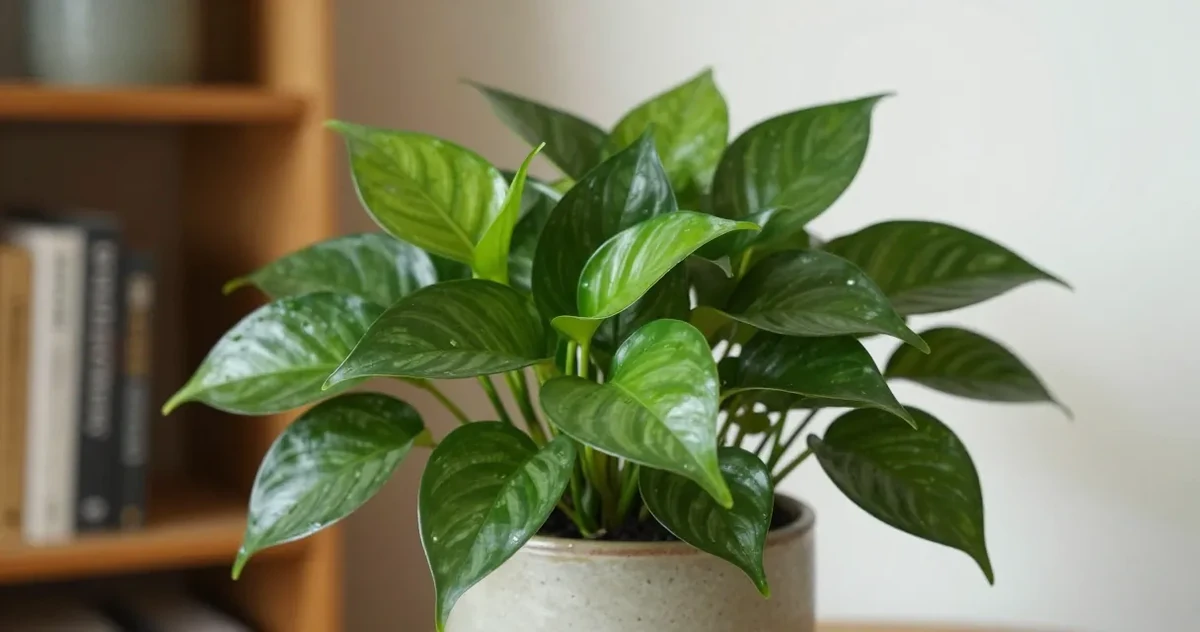
If you’ve ever stood in a garden center staring at trailing vines and wondered which pothos will actually survive in your home, start here. The right variety depends less on which leaf pattern you like and more on three everyday things: your light, your watering habits, and how much you want the plant to grow. Pothos varieties are mostly members of the Epipremnum aureum species, with a few close relatives that stores sell under the same everyday name. They all trail, climb, and tolerate normal home conditions, but they are not identical. A jade pothos can handle a dim shelf and missed watering better than a snow queen. A marble queen needs brighter indirect light to keep its white pattern strong. A satin pothos often wants a steadier moisture routine than a golden pothos. ...

 · 27 min ·