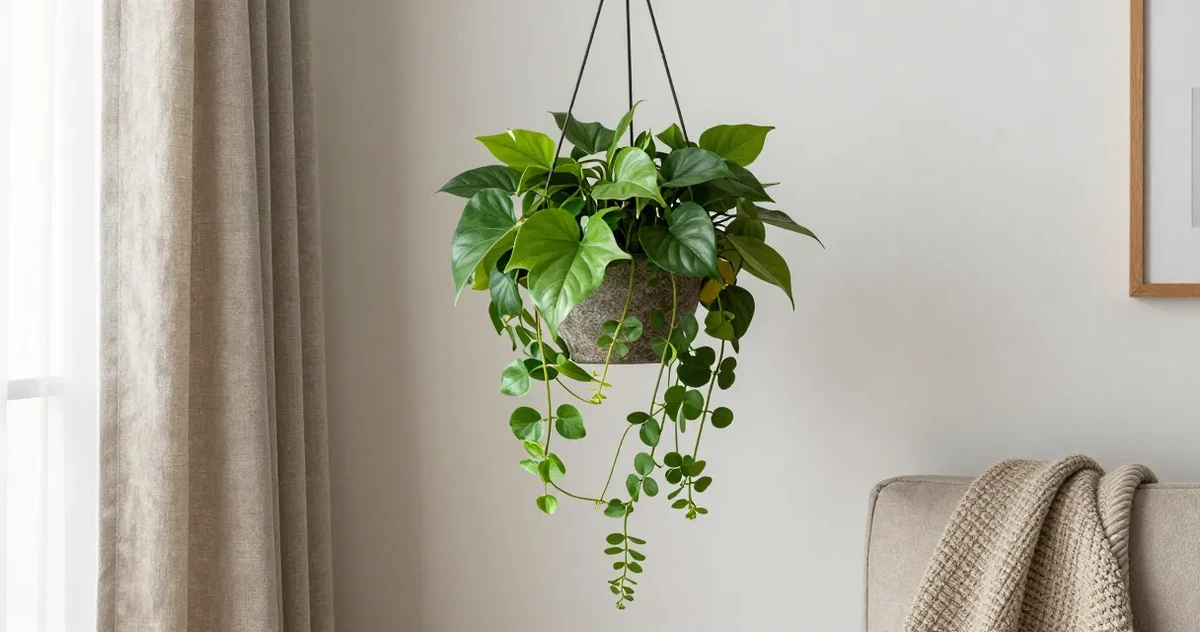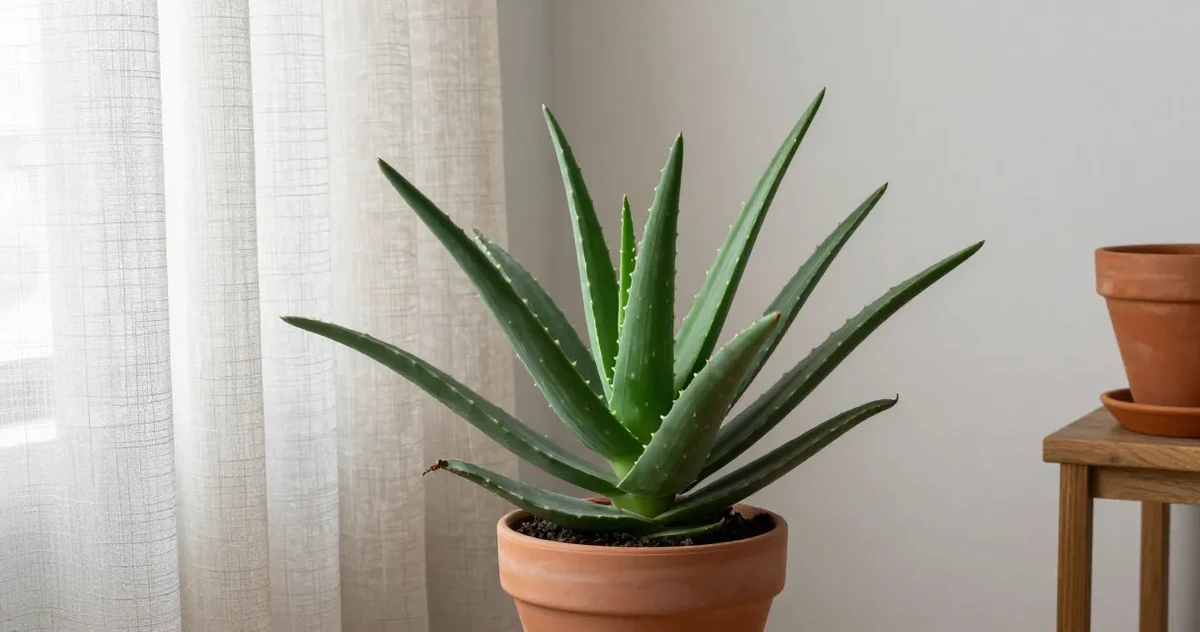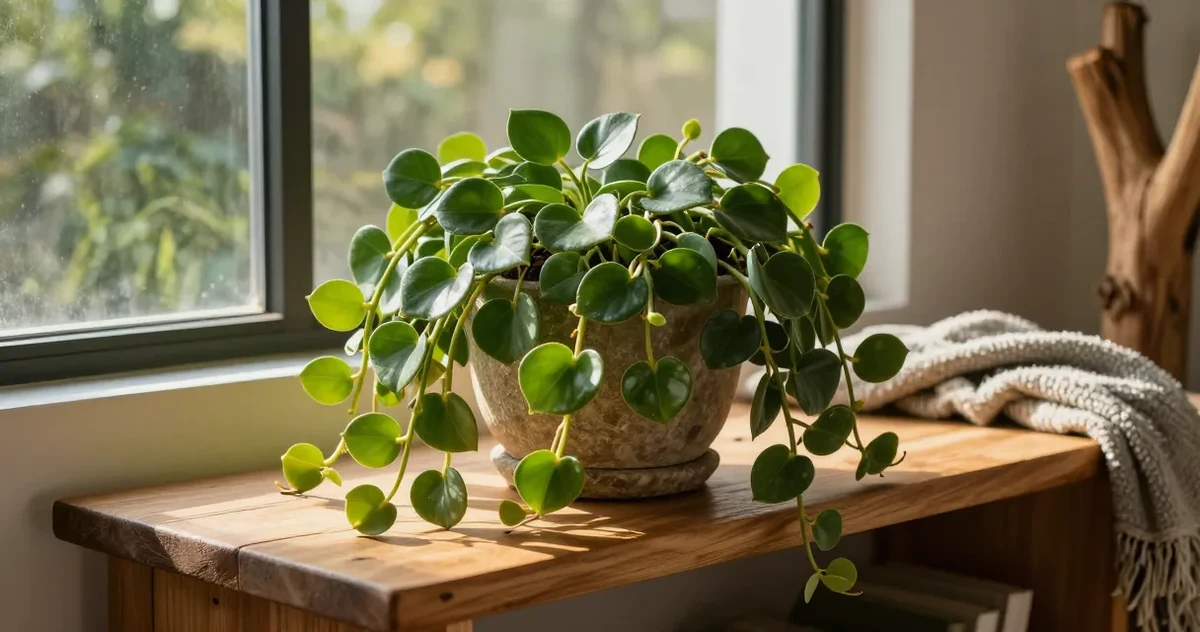
String of pearls plant in a hanging pot with cascading pearl-like leaves

String of Pearls Plant Care: How to Keep It Alive

If your string of pearls is looking wrong right now, pearls going soft, stems darkening near the soil, the whole plant seeming to give up without warning, the most likely cause is the one many beginners least expect: too much water. Not neglect. Water. String of pearls (Curio rowleyanus) is a trailing succulent from dry regions of southern Africa, and every round leaf is built to store water. That is why this plant can look delicate but still hate being treated like a thirsty tropical. Once you understand that one fact, most care decisions get simpler. If you want the broader watering-and-light logic behind that pattern, our succulent care guide is a useful companion. ...

 · 13 min · 
Pothos stem cutting with white roots growing in a glass of water

How to Propagate Pothos: Water, Soil, and Moss Methods That Work

You trimmed a pothos vine, noticed a healthy node, and wondered whether that piece could really become a whole new plant. It can, but success depends less on luck than on one simple detail: the condition of the node and the method you choose for that exact cutting. Most pothos propagation guides give the same basic water steps. The real beginner problems usually show up somewhere else: missing the node, using the wrong method for a leafless cutting, waiting too long to transfer water roots, or potting into a mix that stays wet for too long. ...

 · 13 min · 
Aphids clustered on a plant stem tip

How to Get Rid of Aphids on Houseplants and Garden Plants

You go to water your plant and notice something strange on the new leaves. Tiny, soft-bodied specks, pale green or creamy white, clustered so tightly on the stem tips they look almost like part of the plant. Then you see a leaf curling inward at the edges, another going sticky. That is how most of us meet aphids, and if you are here, you already know you need to act. ...

 · 16 min · 
Hands repotting a houseplant into a larger terracotta pot with fresh potting mix

How to Repot a Plant: Step-by-Step Guide for Beginners

You notice roots coming out of the drainage hole. Or the soil dries out completely two days after watering. Or the plant just looks tired, like it’s been sitting in the same spot too long and quietly asking for something different. That something is usually a bigger pot, or at the very least, fresh soil. Repotting sounds more intimidating than it is. At its core, it’s simple: repotting is moving a plant into fresh soil and, when needed, a larger container so its roots have room to grow, access more nutrients, and drain properly. Most houseplants need attention every one to two years. Get it right and the plant rebounds with visible new growth within a few weeks. ...

 · 19 min · 
Satin pothos with silver-splashed velvety leaves trailing from a shelf

Satin Pothos (Scindapsus) Care Guide: Silver and Silk Varieties

If you just brought home a satin pothos and want the plain answer: put it in bright indirect light, water only when the top half of the soil has dried, and check the soil before reacting to curling or yellowing leaves. In many homes that means watering about every 10 to 14 days in spring and summer, then closer to every three weeks in autumn and winter. The easiest way to overdo it is to treat satin pothos like a thirsty plant. It is not. Too much water usually shows up as yellow lower leaves, soft stems, or soil that stays damp for more than two weeks. Too little water or too-dry air usually shows up as curling leaves, crispy edges, or brown tips. ...

 · 15 min · 
Mealybugs clustered on a houseplant stem

How to Get Rid of Mealybugs on Houseplants

You go to water your plant and notice white fluffy clusters tucked into the joints where leaves meet the stem. It looks like lint, or maybe a bit of mold. That first moment of uncertainty is normal. The practical answer is this: if the white material is cottony, collects in leaf joints or stem creases, and wipes away with an insect underneath, you are probably dealing with mealybugs. The fix is not one dramatic spray. It is isolation, direct contact treatment, repeat checks, and a quick decision about whether the problem is above the soil or down in the roots. ...

 · 14 min · 
Indoor herb garden on a bright kitchen windowsill with basil, mint, and chives in terracotta pots

Indoor Herb Garden: Setup, Best Herbs and Grow Light Guide

You bought a potted basil from the grocery store, set it on your kitchen windowsill, and two weeks later it had collapsed into a pile of yellowed stems. Sound familiar? Building an indoor herb garden is one of the most useful things you can do with a spare corner of your kitchen, but most people start with herbs that need more light than their space can provide, or in containers that never let the roots dry out properly. ...

 · 24 min · 
Orchid with yellowing lower leaf next to healthy green leaves

Orchid Leaves Turning Yellow: 8 Causes and Solutions

Orchid Leaves Turning Yellow: 8 Causes and Solutions You noticed it this morning: one of your orchid’s leaves has gone from deep green to a soft, unsettling yellow. Now you’re second-guessing everything – the watering schedule, the spot on the windowsill, the fertilizer you used last month. Orchid leaves turning yellow is one of the most common worries orchid owners bring up, and the good news is that most of the time, it’s fixable – or not even a problem at all. ...

 · 17 min · 
Monstera Peru care guide showing textured green leaves on a climbing support

Monstera Peru Care Guide

If you are looking at a Monstera Peru and mostly want to know whether it fits your home, the answer is yes if you have bright indirect light and can check the soil about once a week. Water when the top 2 inches are dry, use a chunky mix, and give the vine something to climb. Yellow leaves usually mean the pot is staying wet too long; curling leaves usually mean thirst, heat, or root trouble; brown tips usually point to uneven watering, dry air, sun, or fertilizer salts. ...

 · 21 min · 
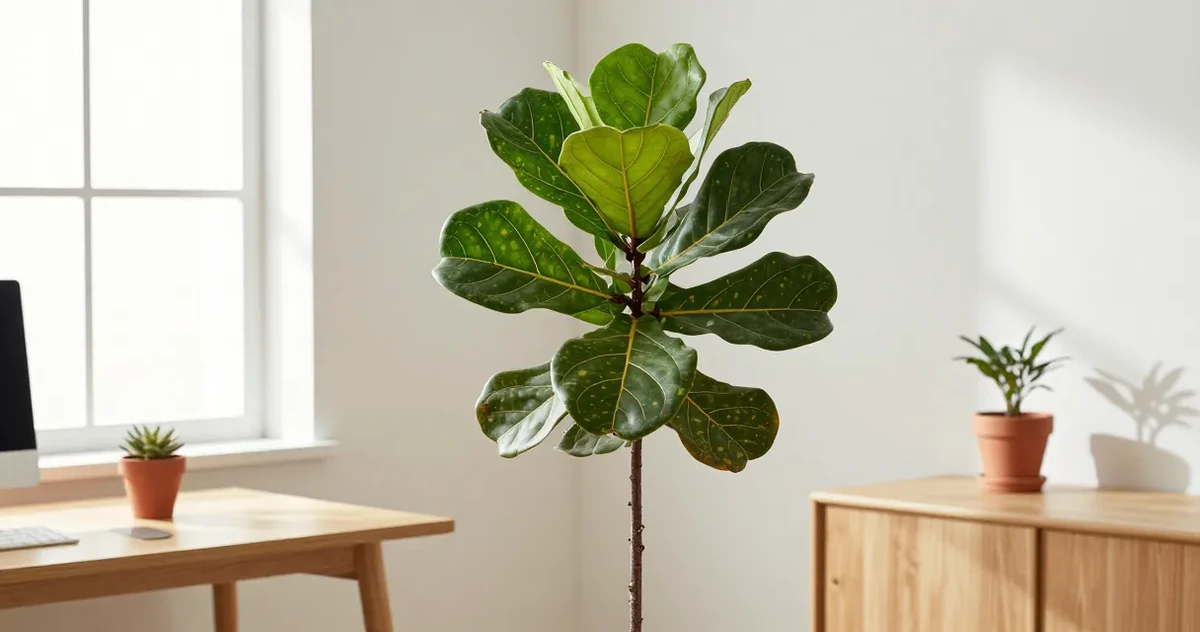
Fiddle leaf fig care guide showing a healthy Ficus lyrata tree in bright indirect light

Fiddle Leaf Fig Care Guide: Stop Killing Your Ficus Lyrata

Fiddle leaf fig care has a reputation for being impossible, but most failures come from three ordinary problems: not enough light, watering before the pot has dried enough, and moving the plant every time it looks annoyed. Ficus lyrata is not a beginner-proof plant, but it is not mysterious. Give it bright filtered light, a pot that drains, a consistent watering rhythm, and time to adjust before you change the setup again. ...

 · 24 min ·