You go to water your plant and notice white fluffy clusters tucked into the joints where leaves meet the stem. It looks like lint, or maybe a bit of mold. That first moment of uncertainty is normal.
The practical answer is this: if the white material is cottony, collects in leaf joints or stem creases, and wipes away with an insect underneath, you are probably dealing with mealybugs. The fix is not one dramatic spray. It is isolation, direct contact treatment, repeat checks, and a quick decision about whether the problem is above the soil or down in the roots.
Mealybugs are sap-sucking insects with a waxy coating that helps them hide in crevices and survive sloppy treatment. This guide is built to help you confirm the pest, treat it in rounds, and avoid the relapse that happens when eggs, root infestations, or nearby plants get missed.
Symptom Diagnosis Card
Start with the pattern, not the first treatment you remember.
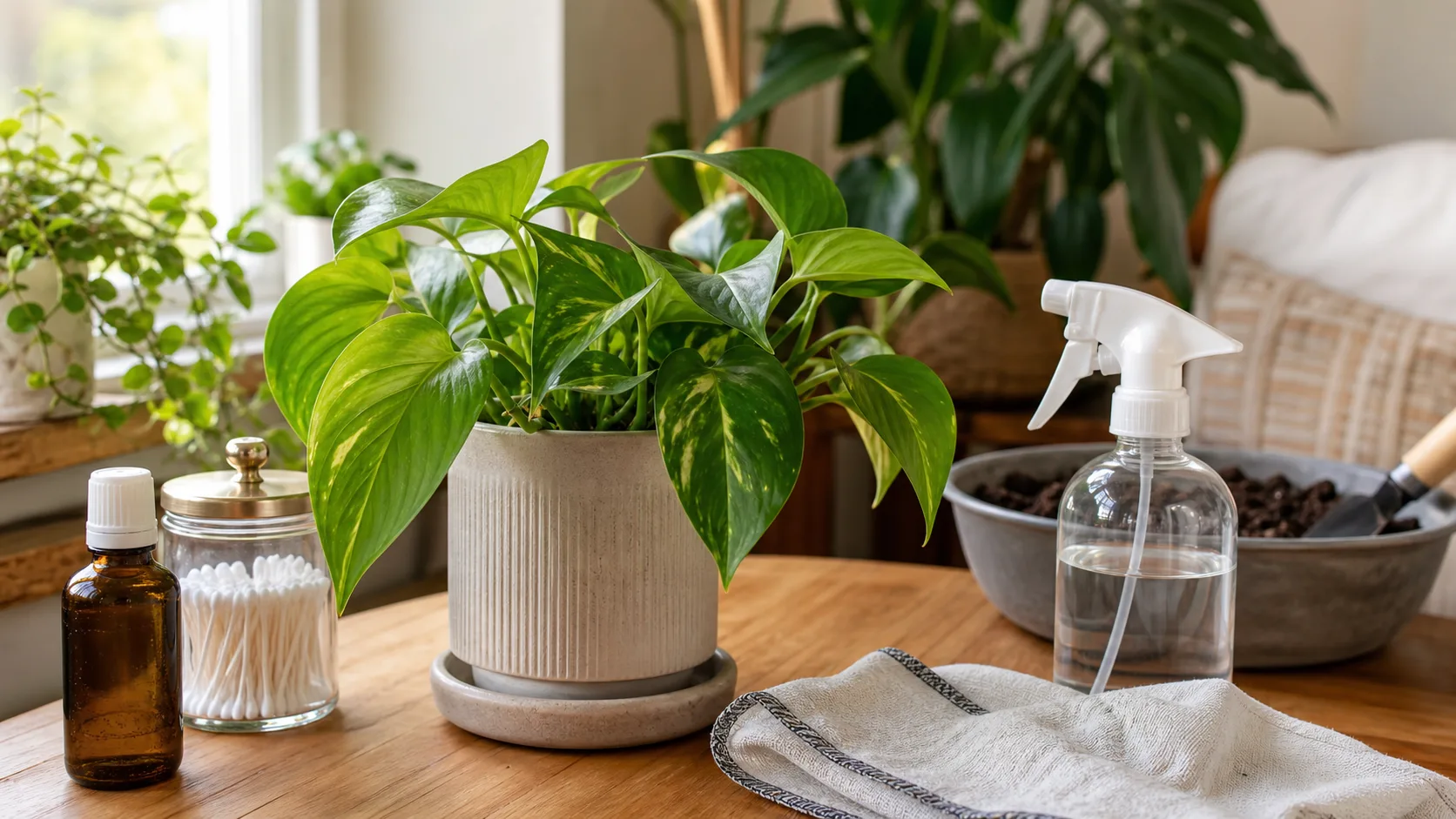
Compare above-soil inspection clues with root-zone relapse signs before choosing a treatment.
| What you see | Most likely issue | Check first | Next move |
|---|---|---|---|
| White cottony clusters in leaf joints, stem creases, or around new growth | Above-ground mealybugs | Touch it with a cotton swab, look for a soft insect under the wax | Isolate and treat with 70% isopropyl alcohol |
| Hard bumps that do not wipe away cleanly | Scale insects | Try lifting one gently, look for a shell-like bump | Treat as scale, not as mealybugs |
| Dusty white film spread across leaf surfaces | Powdery mildew | Look for flat powder instead of insects | Use a fungus plan, not insect treatment |
| Plant declines with little visible pest above soil, plus cottony residue near drainage holes or roots | Root mealybugs | Inspect drainage holes and unpot if the plant keeps relapsing | Repot, inspect roots, replace contaminated mix |
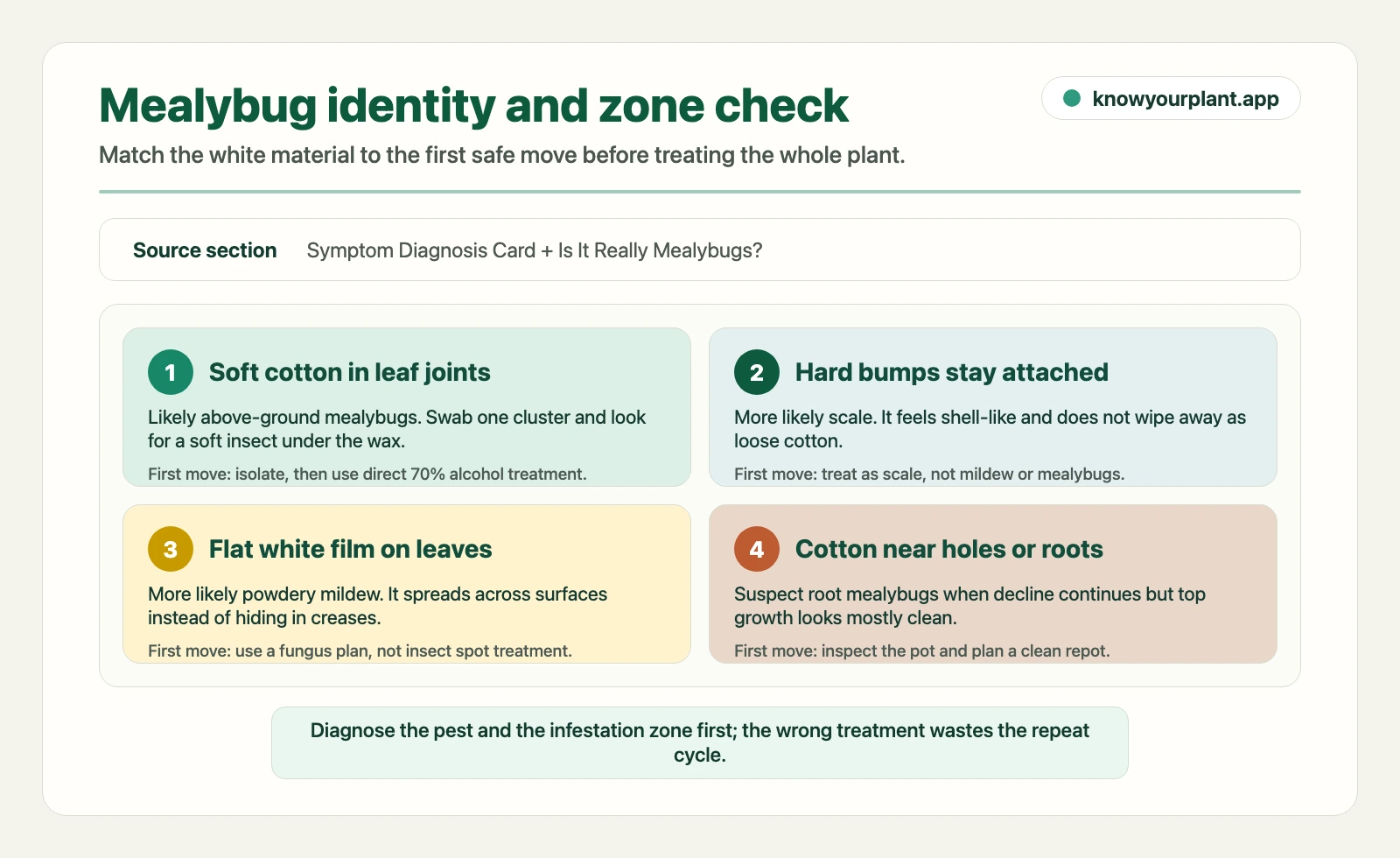
Confirm the pest and the infestation zone before treating; white material in a leaf joint, on a leaf surface, or near a drainage hole points to different next moves.
Decision Tree
- Can you confirm the pest above the soil? If yes, start with isolation and direct alcohol treatment. If not, inspect again before spraying broadly.
- Do the bugs keep returning from hidden creases? Move from spot treatment to a full-plant wipe or light spray plus scheduled repeat rounds.
- Do you see cottony residue near the soil line or drainage holes, or does the plant keep crashing without visible top growth pests? Suspect root mealybugs and plan a repot.
- Is the infestation light, moderate, or collection-wide? Light cases are often manageable with alcohol and monitoring. Heavy or collection-wide cases need quarantine discipline and sometimes repotting.
- Is the plant edible, pet-chewed, or very soft-stemmed? Use the gentlest plan first and treat systemic insecticides as a last resort.
Common Mistakes
- Treating the visible bugs once, then stopping before hatchlings appear.
- Assuming every white patch is mealybugs without checking for scale, mildew, or harmless residue.
- Ignoring the pot, drainage holes, and root zone when the infestation keeps returning.
- Moving the plant back too soon because it looks cleaner after the first round.
- Over-fertilizing stressed plants, which can encourage the soft growth mealybugs prefer.
Seasonal Note
Mealybugs usually get easier to miss in winter and during low-light periods because plants grow more slowly and people assume the decline is seasonal stress. In spring and early summer, fresh soft growth gives them better feeding sites, so fast inspections matter more when growth picks up again.
Expert Note: Source Layer
The practical treatment advice in this guide is grounded in university and IPM sources, then paired with qualitative plant-owner questions from public forums:
- UC IPM, Mealybugs / Home and Landscape
- University of Maryland Extension, Mealybugs on Indoor Plants
- NC State Extension Publications, Mealybugs
- Wisconsin Horticulture, Mealybugs
Methodology Note
This remediation section was built from the Research Pack for how-to-get-rid-of-mealybugs. Community threads are used only as qualitative signals about confusion, relapse, and collection-level spread. Identification, treatment, root-zone, and safety guidance are anchored to extension or IPM-style sources where available.
What Most Pest Guides Miss
Most mealybug guides focus on what to spray. The part that actually determines whether you win is the combination of identification, source control, and follow-up timing.
Before you treat, separate four things:
- Pest identity: confirm it is really mealybugs.
- Infestation zone: decide whether this is above-ground only or possibly in the root zone too.
- Collection risk: check nearby plants before assuming it is a one-pot problem.
- Repeat cycle: plan the next two or three checks now, not later.
That sequence prevents the classic relapse, visible bugs disappear, hidden eggs hatch, and the same plant looks “mysteriously reinfested” two weeks later.
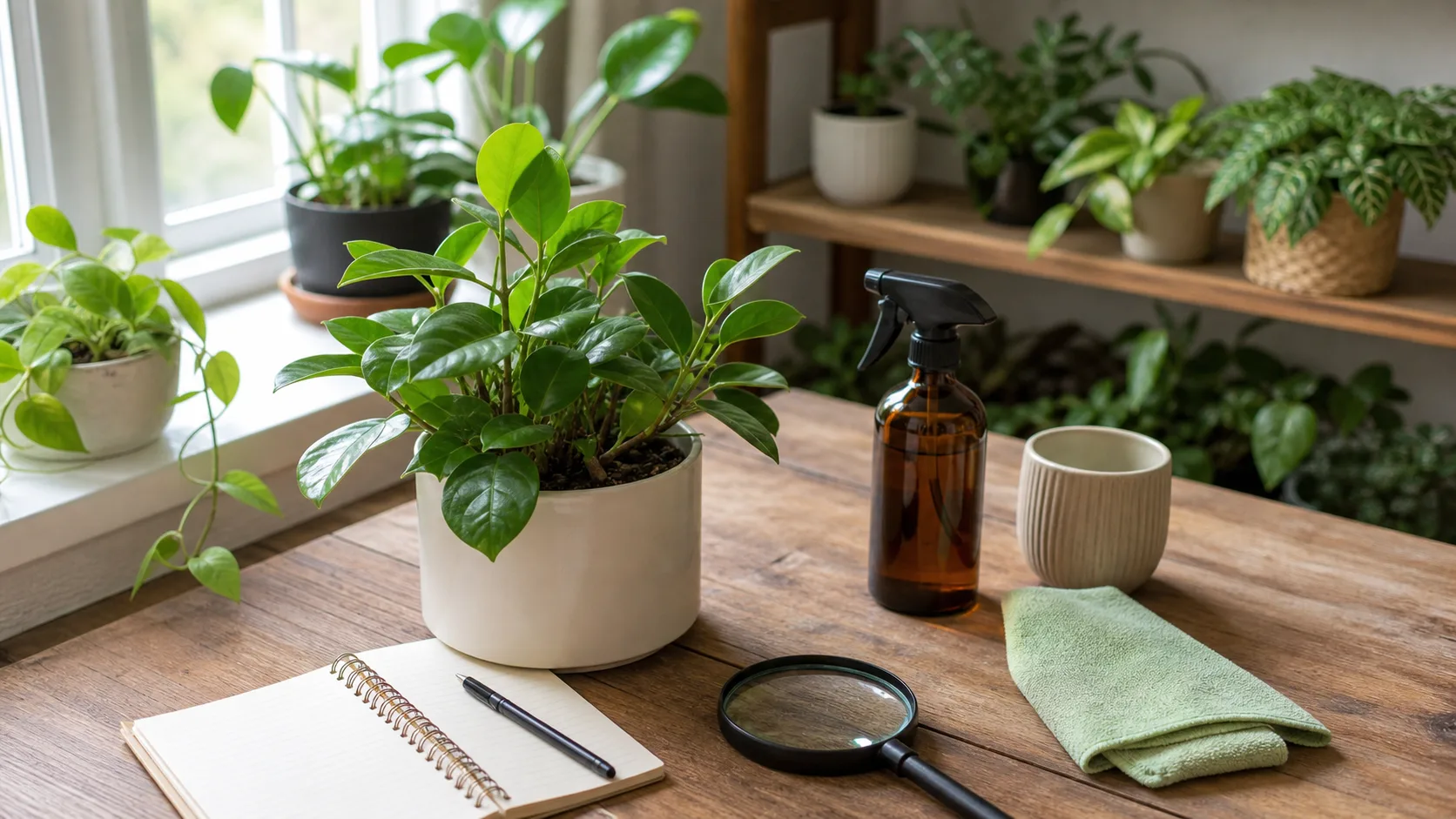
Inspection notes and collection checks turn a one-time spray into a complete follow-up plan.
Social Listening: What Plant Owners Keep Asking
The Research Pack surfaced the same three worries repeatedly:
- people are often not sure the white material is mealybugs at all, especially when scale, mildew, or residue are possible lookalikes,
- people worry that the potting mix or root zone is still contaminated and do not know when old soil can be trusted,
- once more than one plant is involved, the problem becomes containment panic, what to isolate first, what to inspect, and how to stop the whole shelf from joining in.
That is why this guide spends more time on diagnosis, repot triggers, and repeat scheduling than on miracle-spray language.
Treatment Comparison Table
| Treatment | Best for | What it helps with | What it does not solve alone |
|---|---|---|---|
| Cotton swab with 70% isopropyl alcohol | Light, visible infestations | Kills exposed mealybugs on contact | Hidden eggs, root infestations, nearby plants |
| Alcohol wipe or light spray plus repeat rounds | Moderate above-ground infestations | Covers stem creases and leaf undersides more thoroughly | Root mealybugs and contaminated old mix |
| Full repot with root inspection | Repeat relapses, cotton near drainage holes, declining plant with few visible bugs | Removes contaminated mix and exposes root colonies | Reinfestation from nearby plants if quarantine fails |
| Systemic insecticide, indoor ornamental plants only | Heavy cases that keep returning after direct treatment | Adds a last-resort control layer | Fast knockdown, edible plants, or pet-chewed plants |
Freshness Note
Last checked: May 2026. This remediation layer was reviewed against extension guidance and qualitative plant-owner questions during that review window. If your plant is a soft herb, fresh propagation, or already badly stressed, use the gentlest version of the plan and watch recovery through new growth rather than expecting damaged leaves to reverse.
Is It Really Mealybugs?
Before you treat, get the diagnosis right.
Mealybugs are soft-bodied, oval insects covered in white wax. They like leaf axils, stem joints, new growth, the soil line, and protected folds where a quick glance misses them.
Scale insects are usually flatter, firmer, and more shell-like. They look like stuck-on bumps rather than loose cotton.
Powdery mildew spreads like a film over leaf surfaces. It does not cluster around leaf joints the way mealybugs do.
Root mealybugs may never show obvious clusters above the soil. Wisconsin Horticulture notes that cottony residue around drainage holes or on roots is a warning sign worth taking seriously if the plant keeps declining. If the movement seems to be coming from the potting mix rather than the stems, the guide to tiny bugs in houseplant soil can help you separate root mealybugs from fungus gnats, springtails, and soil mites before you repot.
If you need a side-by-side comparison with another soft-bodied sap-sucking pest, the aphids treatment guide can help clarify what you are seeing.
Early Signs to Catch Before It Gets Serious
The earlier you spot mealybugs, the smaller the job becomes.
Look for:
- white cottony clusters in leaf joints, along stems, or around the base of the plant,
- sticky residue on leaves or pot surfaces from honeydew,
- black sooty mold growing on that sticky residue,
- distorted or yellowing new growth, especially where tissue is soft,
- and repeat decline with no clear cause, which is where root inspection becomes important.
NC State notes that mealybugs can produce large egg batches, which is one reason a mild-looking problem can feel much bigger one or two weeks later.
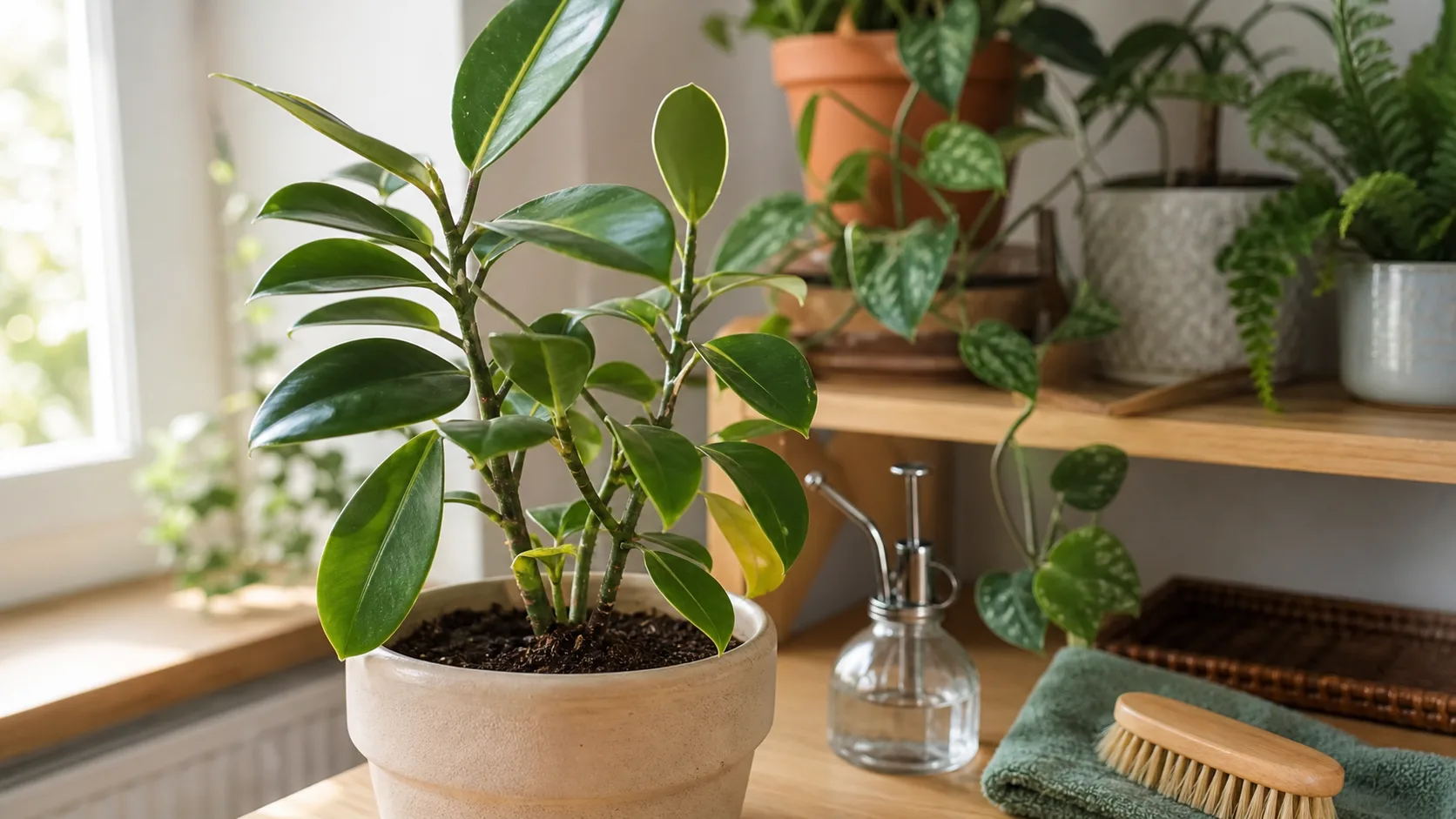
Small deposits at stem joints and one yellowing leaf are reasons to inspect before the infestation spreads.
How to Get Rid of Mealybugs: Step by Step
Step 1: Isolate the Plant Immediately
Move the plant away from the rest of your collection before you start treatment. If possible, use a separate room. If not, create real distance and inspect any plant that was touching or sharing a crowded shelf.
Step 2: Kill Visible Bugs With 70% Isopropyl Alcohol
UC IPM and University of Maryland both support household alcohol as a practical first-line treatment for light infestations on indoor plants.
Use a cotton swab dipped in 70% isopropyl alcohol and press it directly onto each visible bug or cottony cluster. Then work around the whole plant, leaf joints, stem creases, undersides, and new growth tips.
If the infestation is more than a few isolated spots, wipe the stems with an alcohol-dampened cloth or use a light alcohol-based spray cautiously on the affected surfaces. Test delicate plants first. If you want a slower follow-up option for repeat rounds, the neem oil for plants guide explains how to mix and patch-test it safely.
Step 3: Repeat on a Calendar, Not by Memory
One round is rarely enough. Eggs and hidden insects are why so many people think the treatment “stopped working.”
Three-Round Treatment Calendar
| Day | What to do | What you are looking for |
|---|---|---|
| Day 0 | Isolate, swab visible bugs, wipe problem areas, inspect nearby plants | Confirm where the infestation is concentrated |
| Day 7 | Recheck every crease, repeat alcohol treatment where needed | New hatchlings, missed pockets, nearby spread |
| Day 14 | Repeat treatment again, reassess whether the plant is improving | Whether this is still above-ground only |
| Day 21 | Optional fourth round if bugs are still appearing | Whether root mealybugs or contaminated soil are likely |
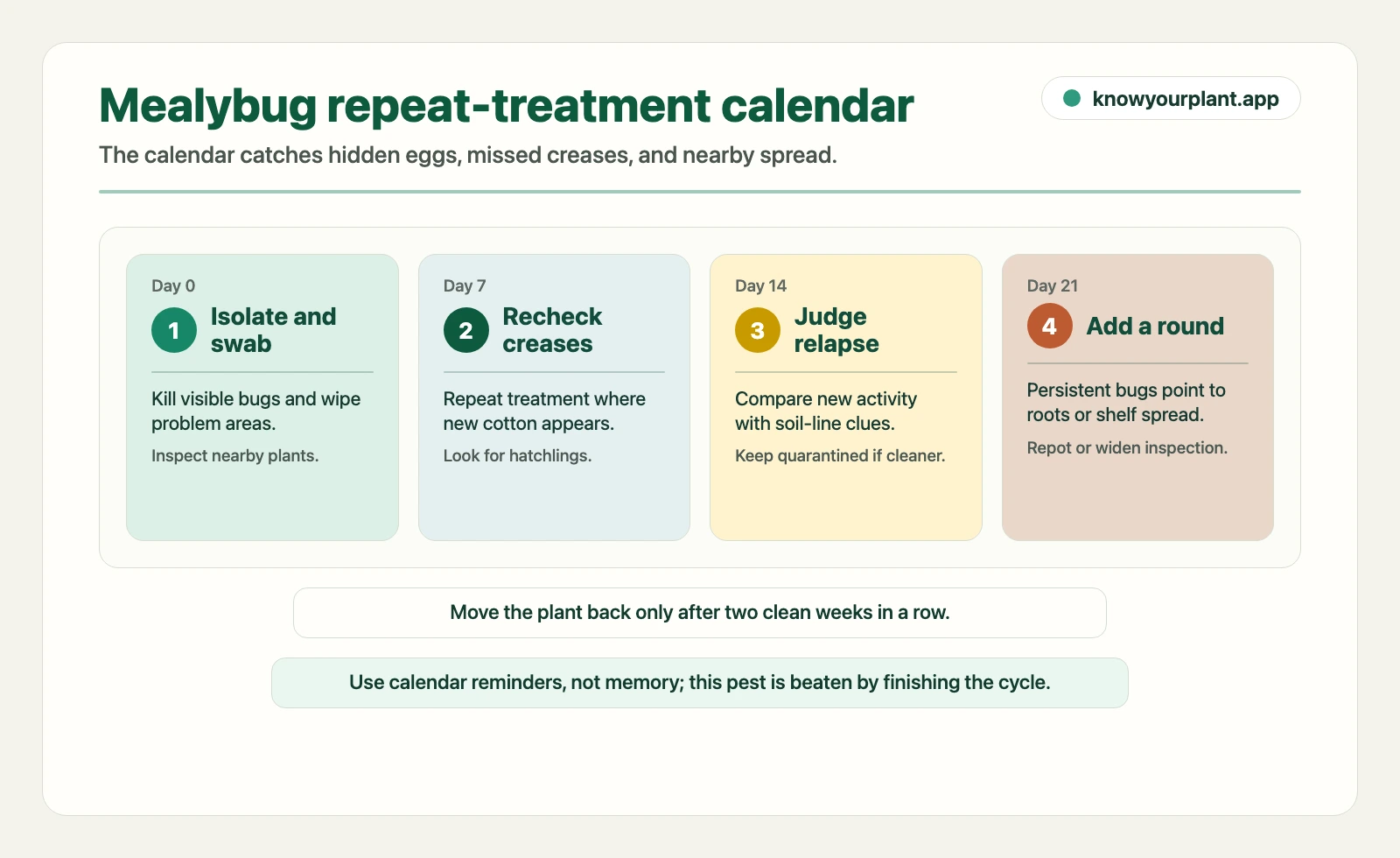
Treat mealybugs on a calendar, not by memory: each follow-up round catches hatchlings, missed creases, or signs that roots and nearby plants need attention.
Do not move the plant back into the collection until you have had two clean weeks in a row with no new activity.
Step 4: Decide Whether You Need a Repot
If bugs keep reappearing from the soil line, the drainage holes, or the same plant after careful repeat treatment, stop assuming it is only a leaf-joint problem.
A repot makes sense when:
- you see cottony material near drainage holes,
- the plant keeps relapsing after multiple alcohol rounds,
- the roots look dirty, waxy, or colonized,
- or the old mix is compacted and likely hiding the problem.
Unpot the plant, remove as much old mix as you reasonably can, inspect the roots, and move the plant into clean potting mix and a clean container. If the old pot is being reused, wash and disinfect it first.
For a calmer walkthrough of the process, the step-by-step repotting guide explains how to do it without adding unnecessary root stress.
Step 5: Use Systemic Insecticide Only as a Last Resort
University of Maryland notes that systemic indoor insecticides are sometimes used for heavier cases. Treat that as a last-resort option for indoor ornamental plants when direct treatment and repotting have not been enough.
Avoid this route for edible herbs, plants pets chew on, or any case where a gentler direct-treatment plan is still practical.
If you are also dealing with fungus gnats or spider mites, treat those as separate pest problems with their own follow-up cycles.
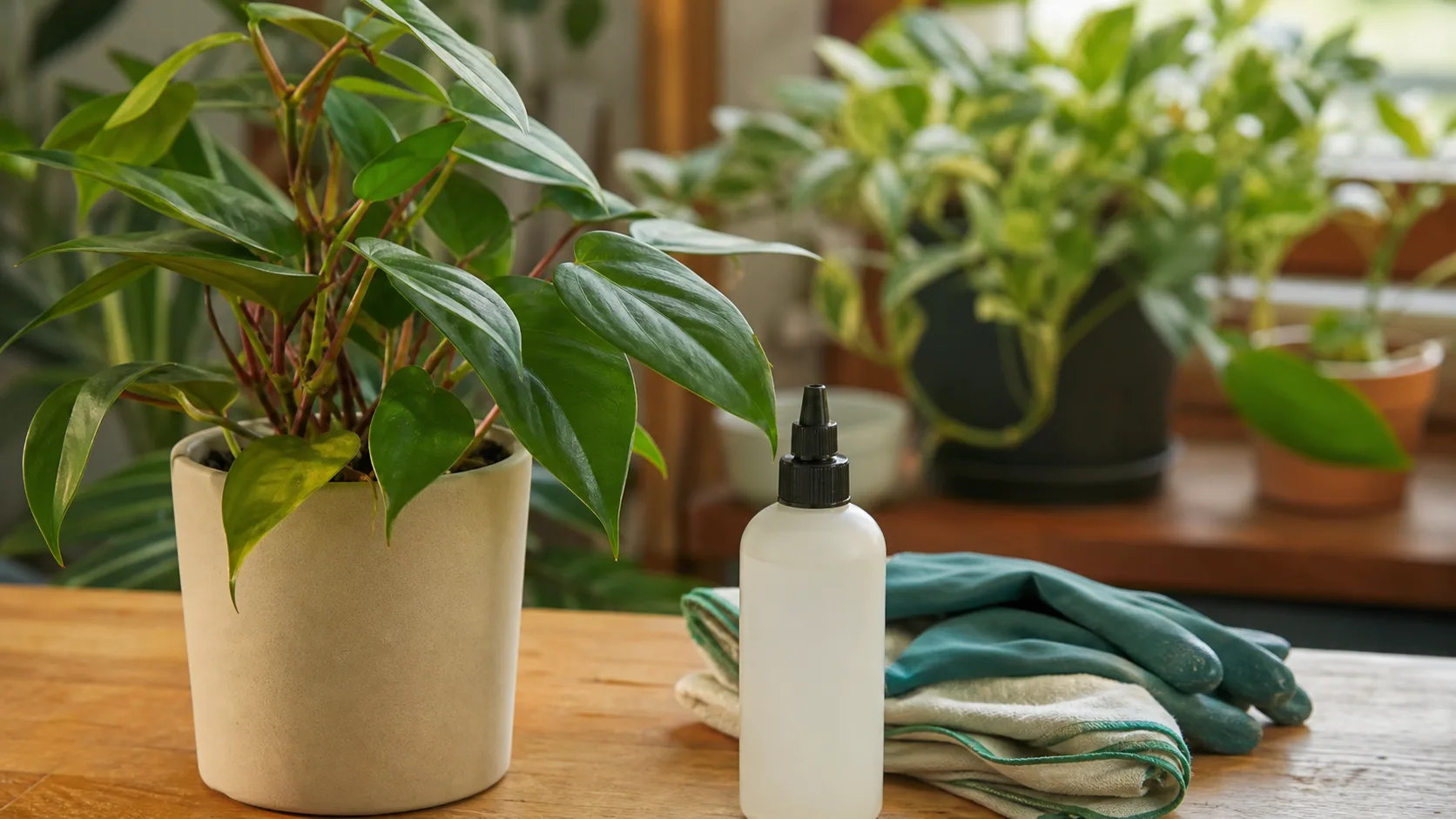
Reserve stronger treatment for persistent indoor-ornamental cases after direct care and repotting fall short.
The Part Most Guides Skip: Soil and Root Relapse
This is where many mealybug treatments fail.
If the plant looks cleaner for a week and then declines again, the issue may not be your technique. It may be that the problem was never confined to the leaves.
Root mealybugs are harder to spot because they stay below the soil surface. Wisconsin Horticulture notes that they can be associated with cottony residue near roots or drainage holes. That is why a plant that keeps weakening after careful top-growth treatment deserves a root inspection.
Also watch the care pattern that made the plant vulnerable in the first place. Excessive nitrogen can encourage soft new growth that mealybugs feed on easily. If fertilizing has been heavy, slow down and let the plant stabilize. The plant fertilizer guide can help you rebalance feeding once the infestation is under control.
Treat It, Repot It, or Toss It?
Most houseplants are worth treating, but not every situation deserves the same amount of effort.
| Situation | Usually best move | Why |
|---|---|---|
| Light infestation on a sturdy houseplant | Treat and monitor | High chance of recovery with direct treatment |
| Collector plant with moderate infestation | Treat, quarantine, and inspect roots early | Value justifies the extra work |
| Soft edible herb packed with mealybugs | Often discard and replace | Treatment burden can exceed plant value and safety comfort |
| Mixed collection with several affected plants | Triage, isolate, and focus on spread control first | Collection management matters more than perfection on day one |
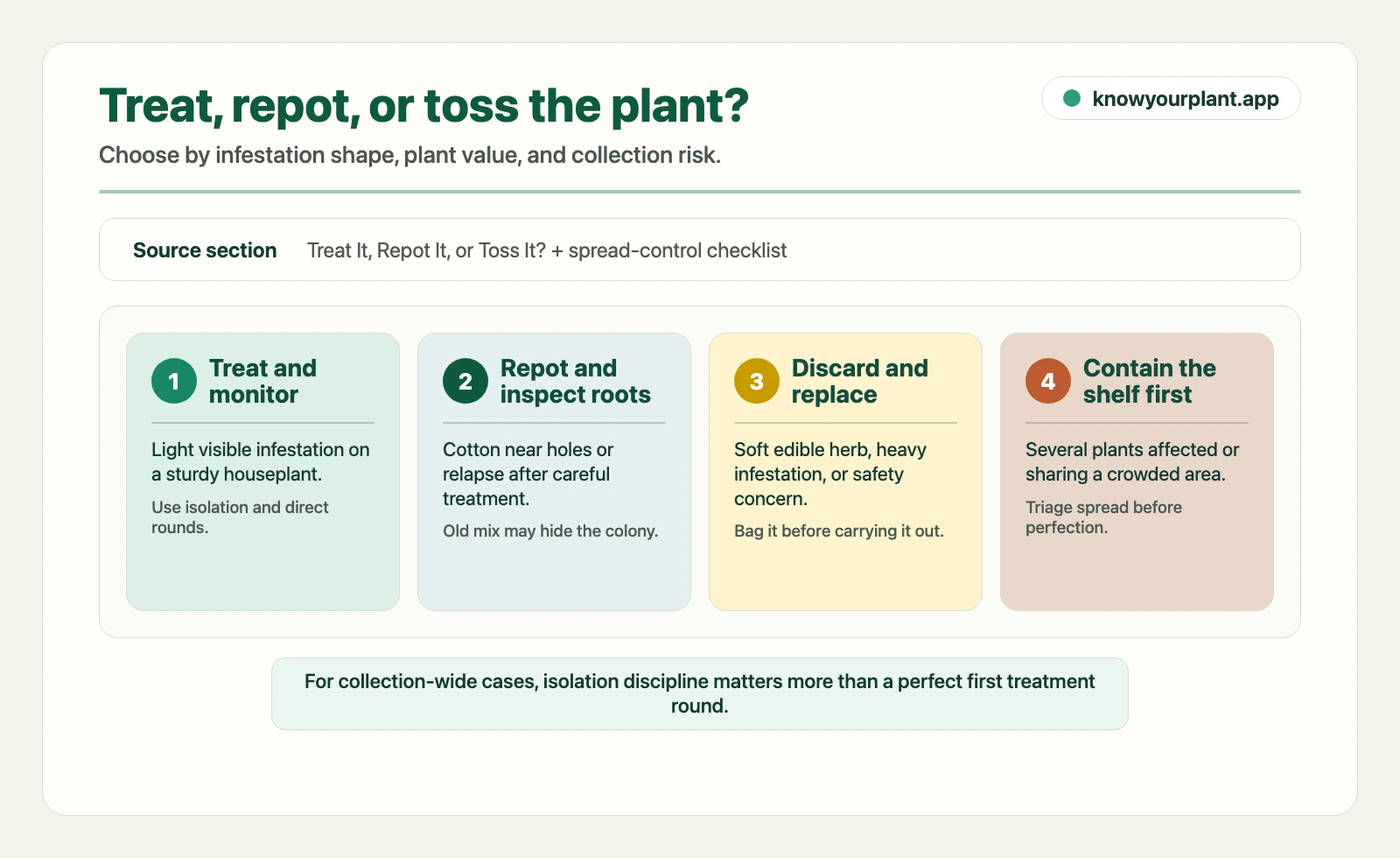
Use the plant’s value, safety context, and spread risk to decide whether this is a treat-and-monitor case, a root-zone repot, a discard, or a collection containment problem.
If you decide to discard a plant, bag it before moving it through the house so the infestation does not spread on the way out.
How to Stop Mealybugs From Spreading to Other Plants
Use this quick containment checklist:
Whole-Shelf Containment Order
If more than one plant is involved, do not inspect at random. Start with the source plant, then move outward in rings so you do not keep carrying hidden insects back into the cleanest pots.
| Priority | Check these spots first | Why this plant goes in that round |
|---|---|---|
| 1. Affected plant | Leaf joints, stem creases, new growth, soil line, drainage holes | This is where the largest hidden pockets usually sit |
| 2. Plants touching it | Shared leaves, crowded stems, pot rims, undersides | They had the easiest contact path and are the most likely silent spreaders |
| 3. Plants on the same shelf | New growth, stake ties, nearby pot edges | Small infestations are easy to miss until the next hatch cycle |
| 4. Plants you recently moved or repotted nearby | Soil line and roots if relapse keeps happening | Reused tools, hands, or contaminated mix can keep the problem circulating |
- isolate the affected plant first,
- inspect the plants that were touching it or sharing the same shelf,
- check leaf joints, undersides, soil line, and drainage holes,
- clean hands and tools after handling the infested plant,
- hold new plants in quarantine before adding them to the collection,
- wait for two clean weeks before reintroducing the plant.
This is where many people save the original plant but accidentally seed the next problem in the plants beside it.
Pet Safety and Edible Plant Caution
The insects themselves are mostly a plant problem. The real caution is the treatment.
- 70% isopropyl alcohol is a practical direct treatment, but let treated leaves dry before curious pets can chew them.
- Systemic insecticides are not the first choice for plants pets nibble or for edible plants.
- If you want safer long-term houseplant picks for pet households, the list of cat-safe indoor plants is worth keeping nearby.
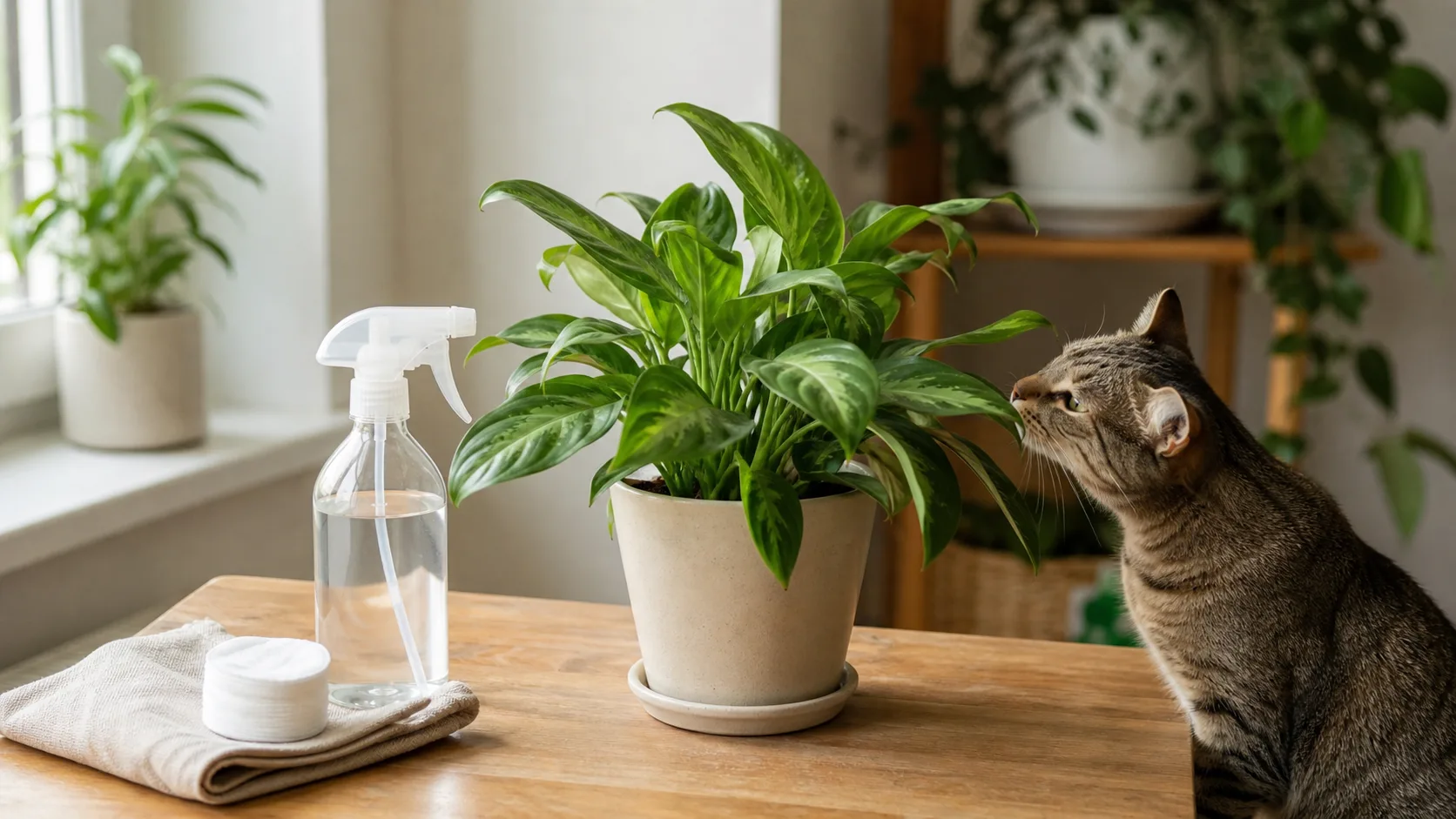
Keep curious pets away until direct treatments have dried, and avoid stronger products on plants they nibble.
FAQ: Mealybugs on Houseplants
How do I know if it is mealybugs and not something else?
Look for soft white cottony clusters in leaf joints or stem creases, often with sticky honeydew nearby. Hard bumps point more toward scale. Flat white film points more toward mildew.
Does rubbing alcohol really work?
Yes, for visible bugs. UC IPM and University of Maryland both support alcohol as a practical direct treatment for indoor plants. The limitation is not the alcohol. The limitation is missed insects, hidden eggs, or untreated roots.
Why do mealybugs keep coming back after I treated them?
Usually because the treatment stopped too early, hidden insects were missed, or the infestation included the root zone or nearby plants.
When should I repot instead of just swabbing bugs?
Repot when the plant keeps relapsing, when you see cottony material near drainage holes, or when the top growth looks cleaner than the plant’s overall decline suggests.
Are mealybugs dangerous to cats or dogs?
The bugs themselves are not the main danger. The bigger concern is using treatments that are not a good fit for pet-chewed plants. Let direct treatments dry fully and avoid jumping to stronger products unless necessary.
How long does it take to get rid of mealybugs completely?
Expect at least a few weeks of repeat checks. The fastest wins happen when you isolate early, treat visible bugs directly, and keep the plant out of the collection until you have had two clean weeks in a row.
The Goal Is Not a Perfect First Round, It Is a Finished Cycle
Mealybugs feel discouraging because the first treatment often makes the plant look better before the real job is done. Do not read that rebound as failure. Read it as a reminder that this pest is a cycle problem.
Inspect, treat, recheck, then decide whether the roots need attention. That is the rhythm that actually ends the infestation.
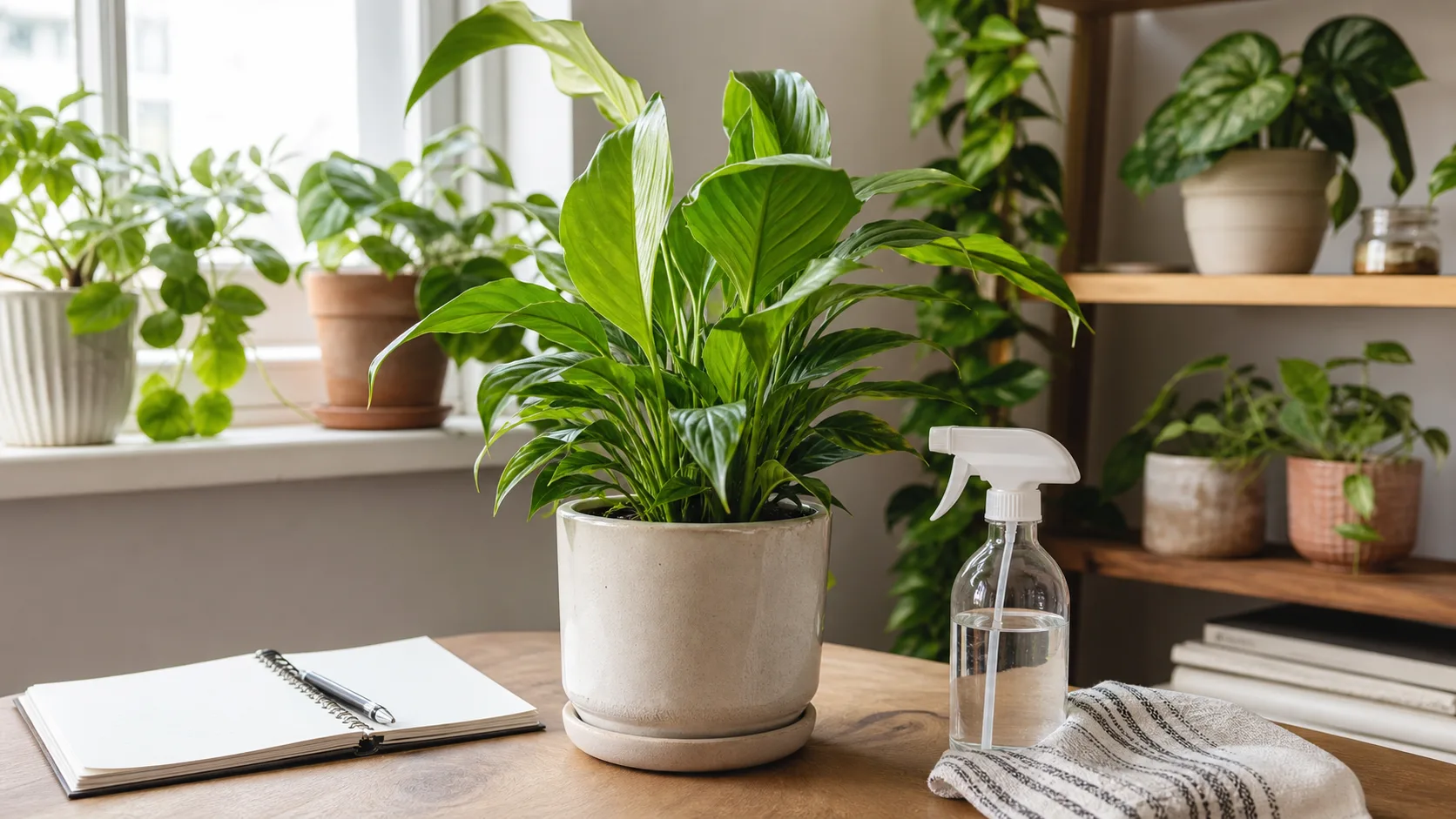
Pair each treatment with a written recheck so a cleaner-looking plant completes the full cycle.
If you want the reminders and notes attached to the plants you actually own, KnowYourPlant can help you keep the treatment cycle in one place.