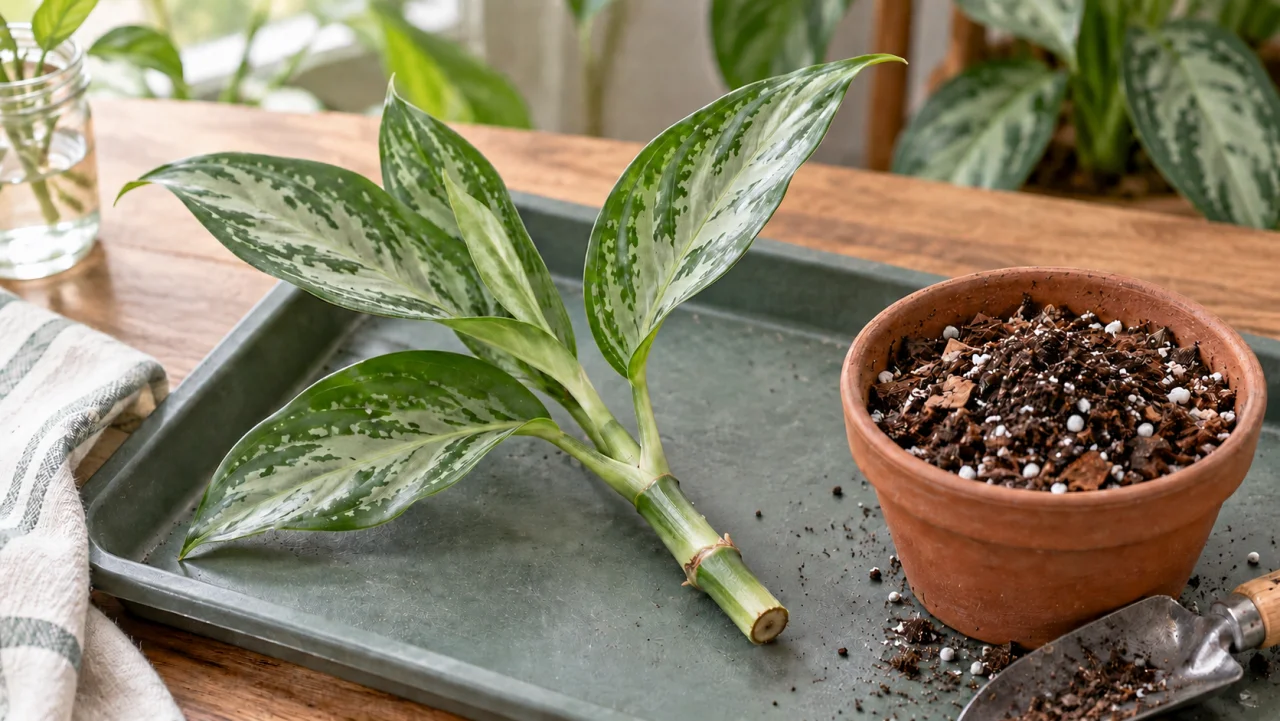
Chinese evergreen stem cutting ready for propagation

Chinese Evergreen Propagation: Division and Stem Cutting Guide

Chinese evergreen propagation is the process of creating new Aglaonema plants from an existing one, and the method you choose depends almost entirely on what your plant looks like right now. That distinction matters more than most guides admit. If your Chinese evergreen is a full, clumping plant with multiple stems rising from the same pot, division is faster and gentler on everyone involved. If it has one or two long bare canes with a tuft of leaves way up top, stem cuttings are the better route. Starting with the wrong method for your plant’s current shape is the most common reason propagation feels harder than it should be. ...
 · 19 min
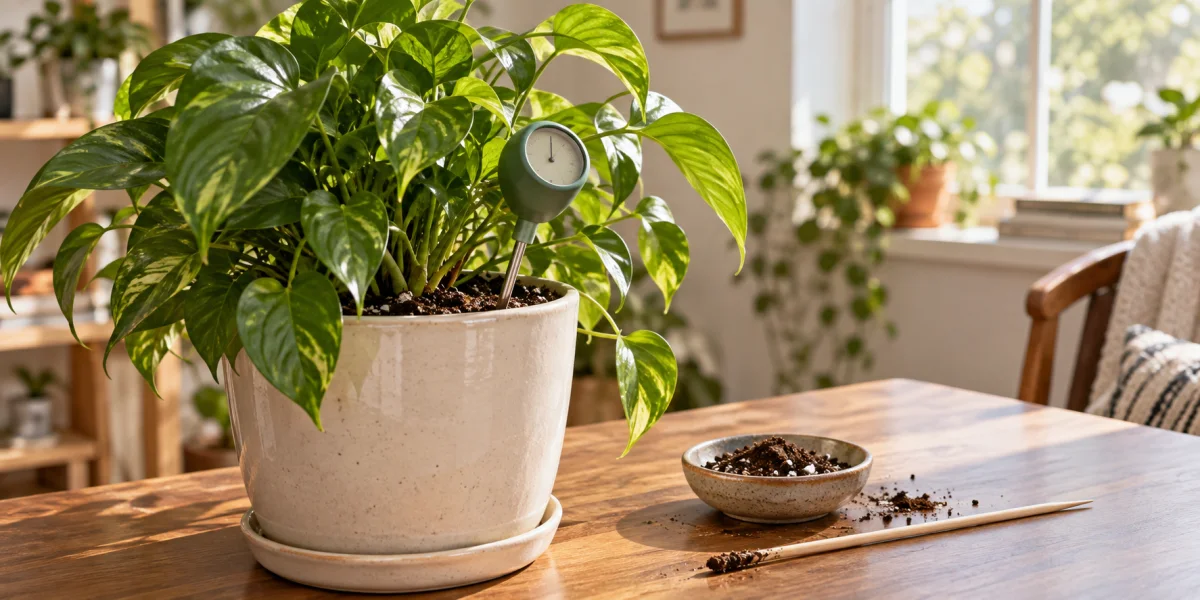
Analog soil moisture meter inserted into a pothos pot beside a wooden soil-checking skewer

Moisture Meter Says Dry but Soil Is Wet: What to Trust

You buy a moisture meter expecting it to take the guesswork out of watering. Then something strange happens: the meter reads dry right after you have watered, or it stays stubbornly in the “moist” zone while your plant starts looking unhappy. The device may be faulty, but placement, potting media, salts, or the sensing method can also explain the mismatch. This guide covers what a soil moisture meter for indoor plants is genuinely measuring, when that number is useful, when it needs a second check, and how to combine it with low-tech methods that fill in the gaps the meter misses. ...

 · 15 min
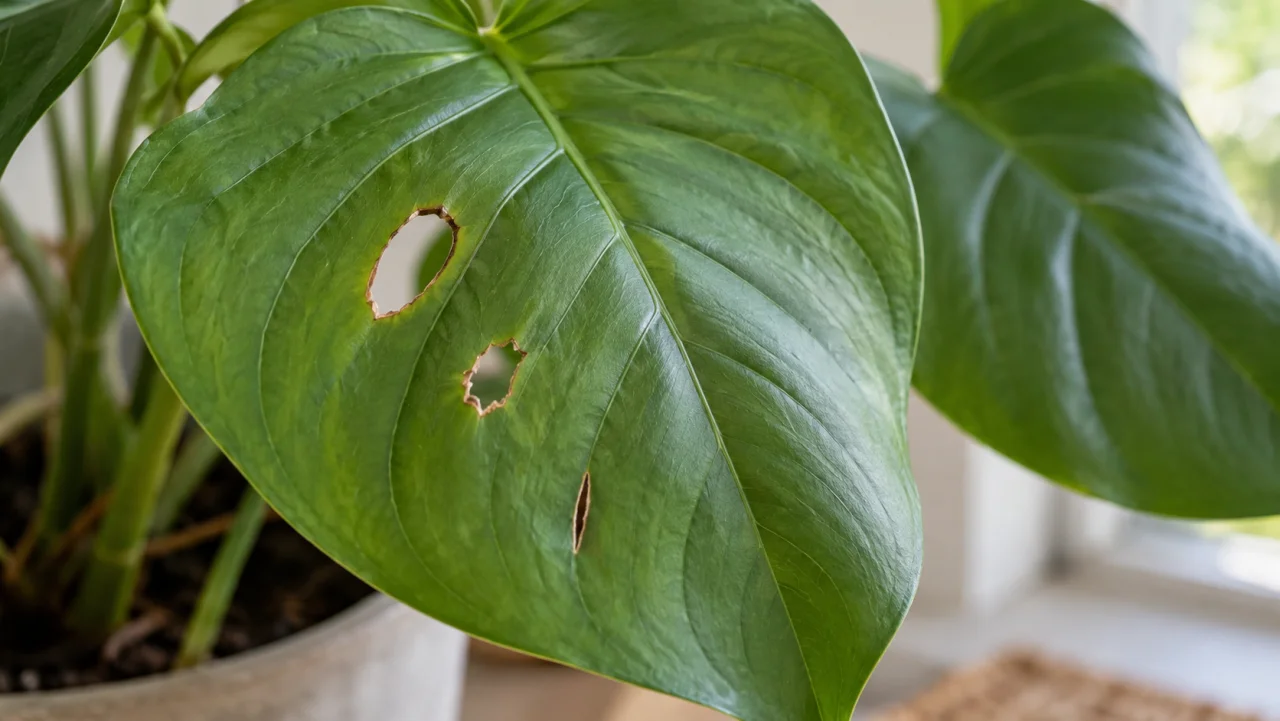
Close-up of a houseplant leaf showing holes of different shapes and edge conditions

Plant With Holes in Leaves: Pest Damage or Natural Splits?

You walk over to your plant and notice it: a hole in a leaf that wasn’t there before. Or maybe you just brought this one home and are only now seeing it in better light. Your first instinct might be to panic, assume something is eating it alive, and reach for a pesticide. Before you do anything, slow down – because a plant with holes in its leaves is not automatically a plant under attack. ...

 · 15 min
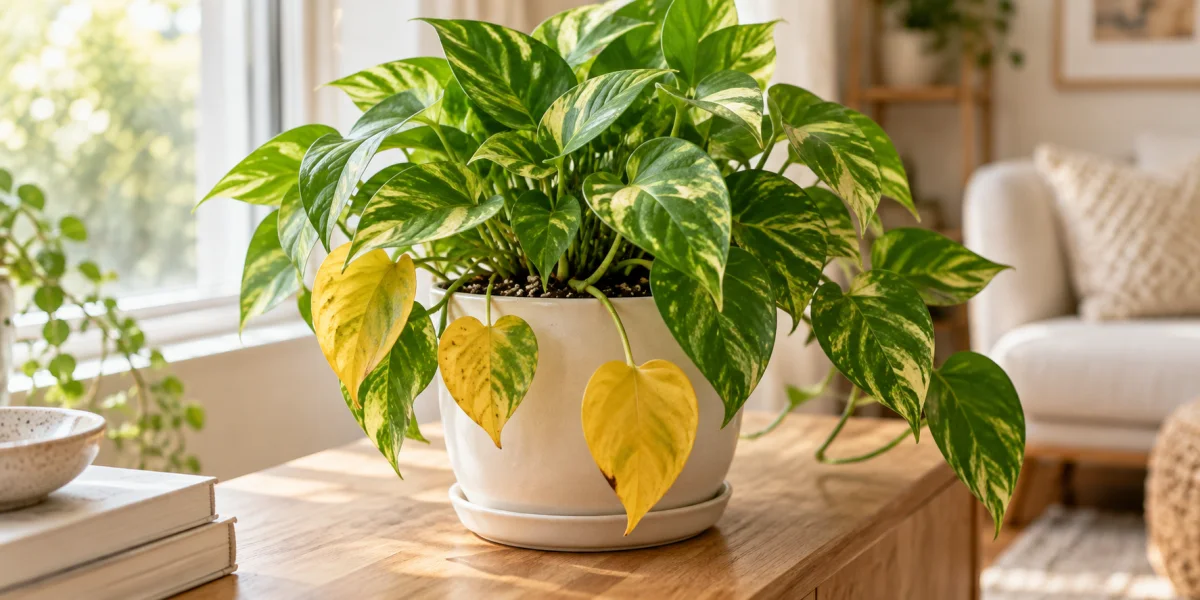
Golden pothos with several yellowing lower leaves in a ceramic pot on a wooden table

Pothos Leaves Turning Yellow: Causes and Fixes

You noticed a yellow leaf on your pothos and immediately started second-guessing everything you have been doing. Was it too much water? Not enough? The light? Something worse? Here is what most people do next: they pick the most likely-sounding answer and act on it. They hold back water, or add more, or move the plant across the room. And if they guessed wrong, the plant gets worse instead of better. ...

 · 15 min
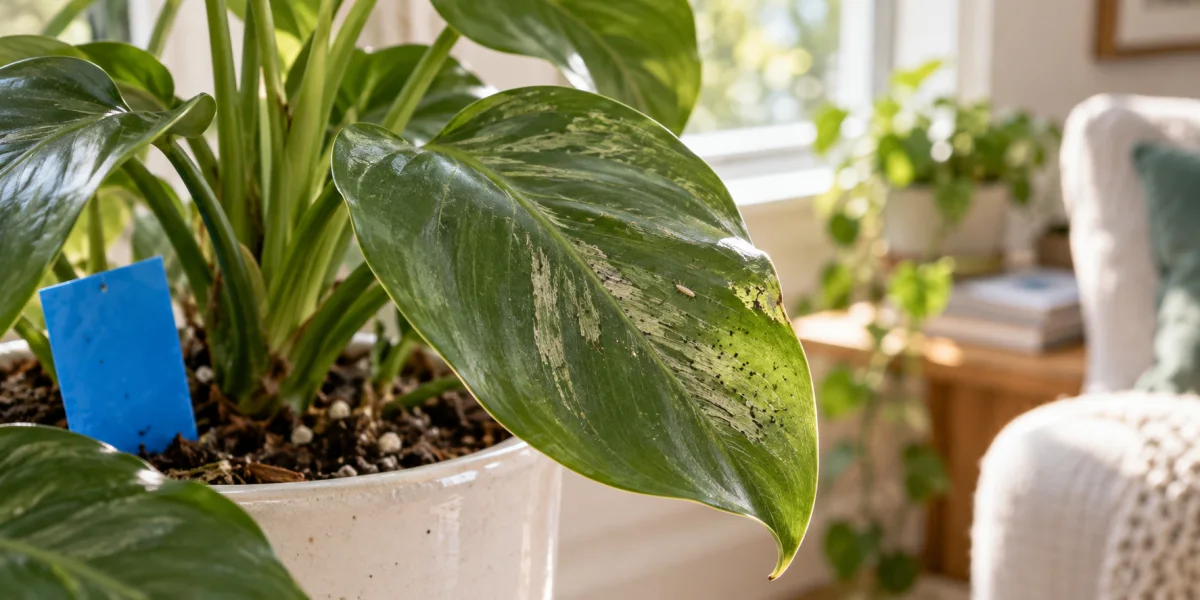
Silvery streaks and black frass specks left by thrips on a houseplant leaf

Thrips on Plants: Damage Signs and Treatment That Works

If your plant’s leaves are developing silvery streaks, papery patches, or tiny black specks and nothing in your care routine has changed, thrips are worth ruling out before anything else. They’re one of the harder indoor pests to catch early because by the time the damage is obvious, the insects themselves may have already moved to new growth or dropped into the soil. Most people discover the damage long before they ever see the bugs. ...

 · 15 min
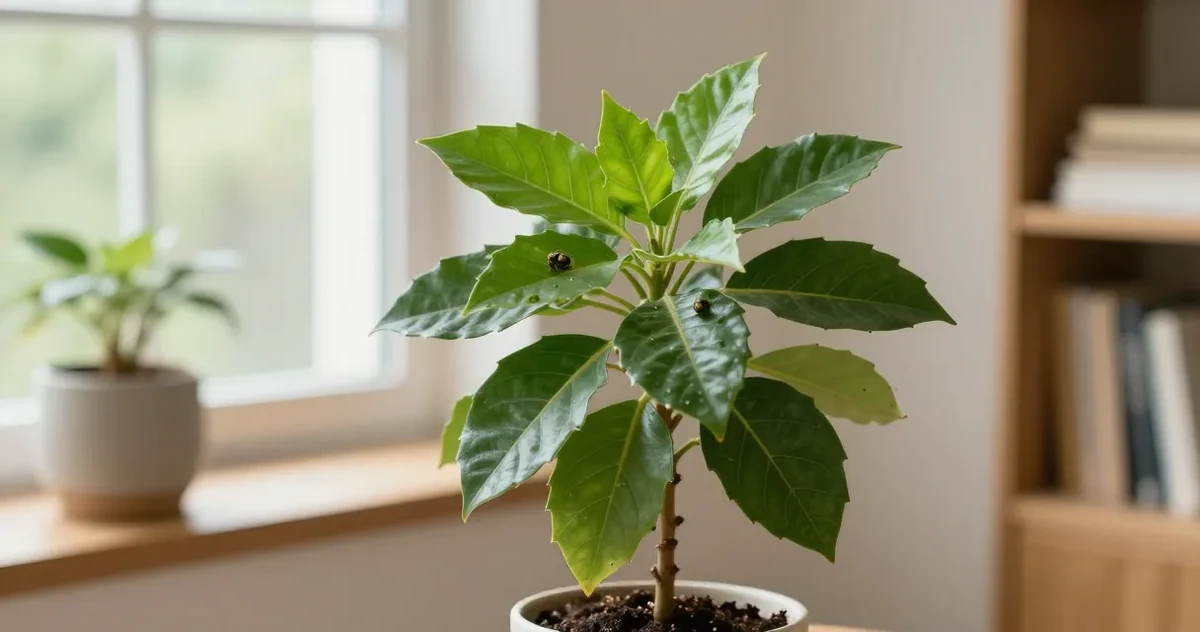
Scale insects clustered on a plant stem, showing the characteristic bumpy, waxy appearance of an infestation

Scale Insects on Plants: Identification and Treatment Guide

You wipe the plant down, pick off every visible bump, spray it with insecticidal soap. Three weeks later, the stickiness is back. You missed something, and the generic guides do not tell you what. Scale insects are small sap-sucking bugs that attach to plant stems and leaves under a hardened or waxy covering, making them look like part of the plant rather than an infestation. What most guides skip is the part that explains why so many people treat the same plant three or four times without ever fully clearing the problem: scale has a life stage – the crawler – that most contact products miss, and the two main types respond to completely different treatments. ...

 · 20 min
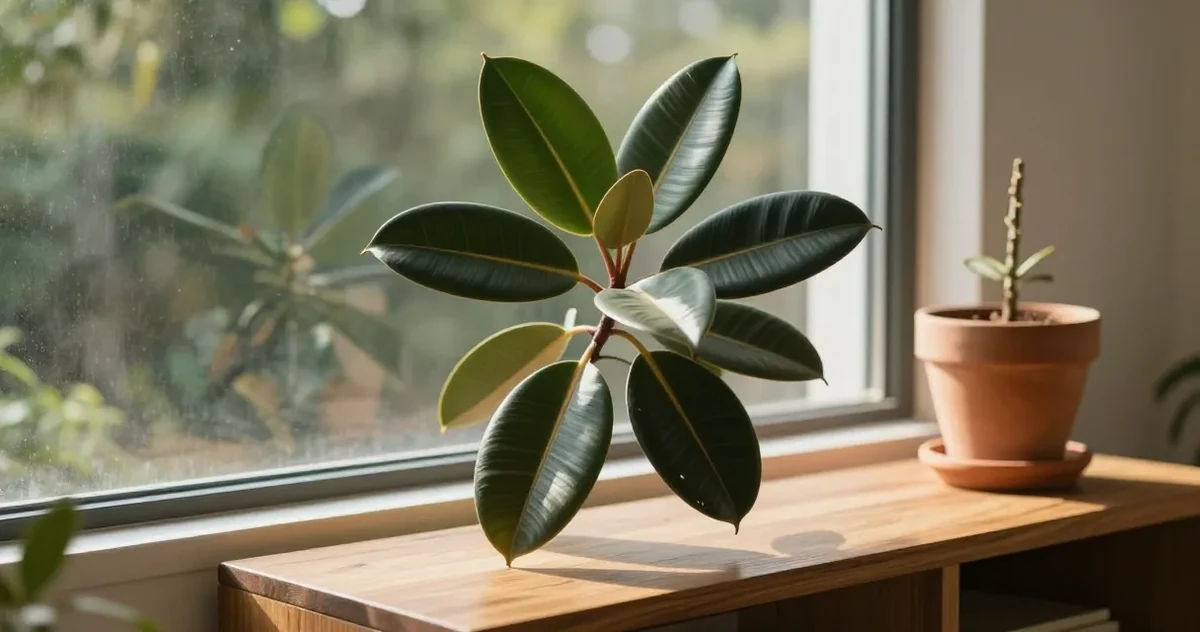
Rubber plant with yellowing lower leaves in an indoor setting

Rubber Plant Dropping Leaves: Causes and Fixes

Rubber Plant Dropping Leaves: Causes and Fixes If your rubber plant is dropping leaves and you can’t work out why, you’re not alone. Ficus elastica leaf drop is one of those problems that looks sudden - the plant seemed fine last week, and now there are leaves on the floor and nothing in the pot looks visibly wrong. Here is the part most articles skip over: rubber plants don’t drop leaves because of one fixed condition they’ve been living in for months. They drop leaves in response to change. A new location, a seasonal shift, a watering habit that drifted after an overwatering scare - something happened before the first leaf fell. Find the change and you’ve already solved half the problem. ...

 · 18 min
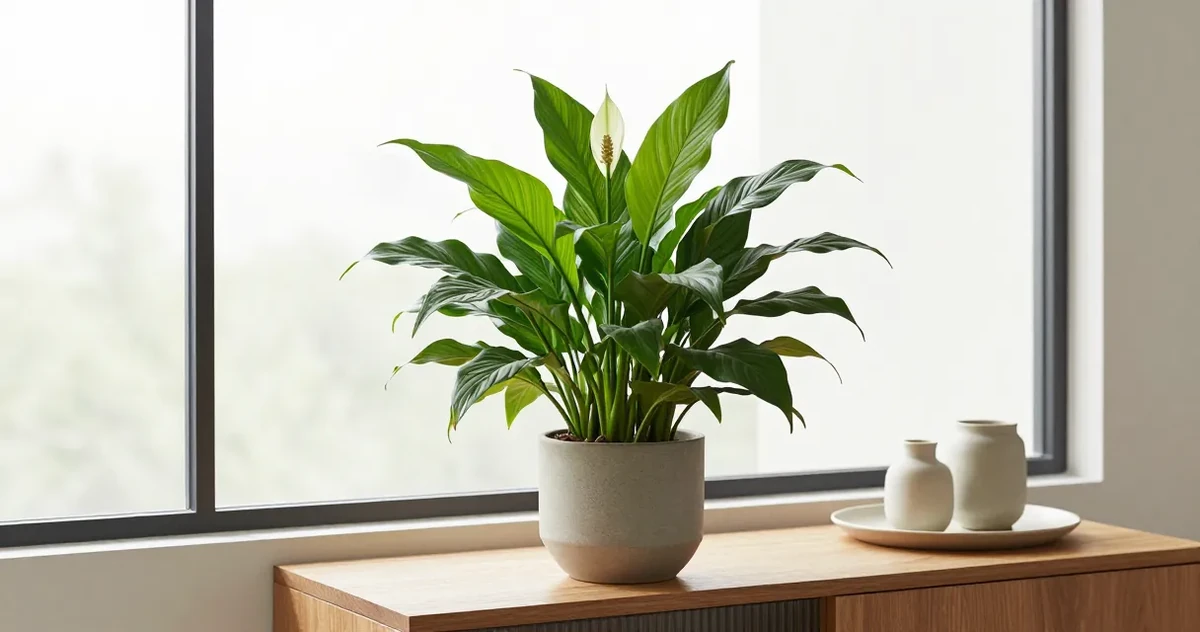
Peace lily with white spathes growing indoors in a bright room

Peace Lily Care Guide: How to Grow Spathiphyllum Indoors

If your peace lily drooped while you were at work and then perked right back up after a drink of water, you already understand this plant’s most defining trait. Peace lily care is built around one central skill: learning to read your plant instead of following a fixed schedule. A peace lily (Spathiphyllum) is a tropical foliage plant that produces elegant white sail-shaped blooms indoors, as long as you match its light, watering, and humidity needs to what it actually signals rather than what a calendar tells you. ...

 · 20 min
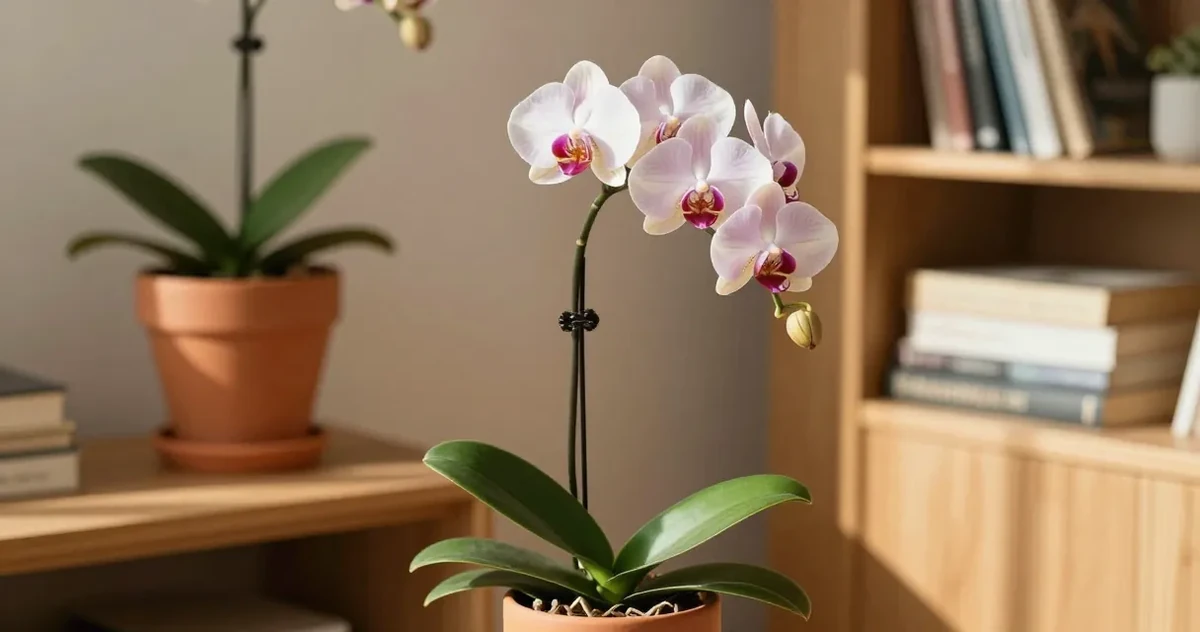
Phalaenopsis orchid after blooming, with bare spike and healthy green leaves

Orchid Care After Flowering: What to Do When Blooms Fall Off

What to Do After Your Orchid Flowers Fall Off One day your orchid is covered in blooms. A few weeks later the last flower drops, and you are standing in front of a bare green stick wondering whether you killed it or whether it is going to be fine. The honest answer: it is almost certainly fine. But what you do in the next few months is what separates orchids that rebloom reliably from orchids that sit on a windowsill for years – looking completely healthy, never flowering again. ...

 · 20 min
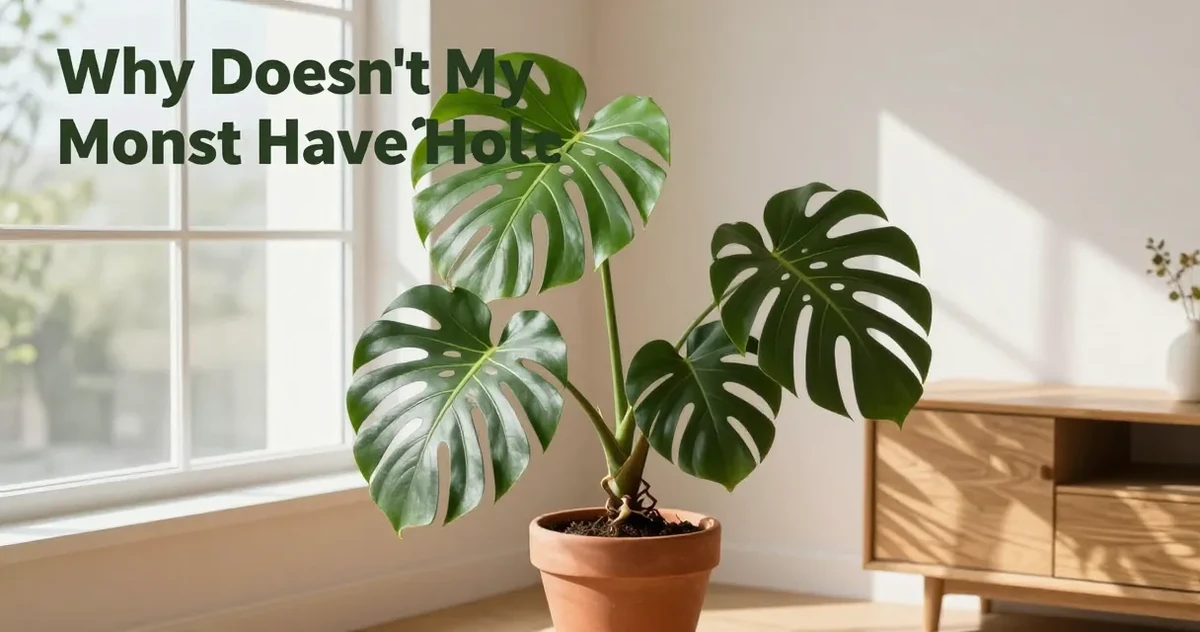
Monstera leaf showing fenestration holes and splits along the midrib

Why Doesn't My Monstera Have Holes? How to Get Fenestration

You got a monstera for those dramatic, Swiss-cheese leaves, and yours keeps pumping out big, smooth, completely solid ovals. The plant looks healthy. It’s growing. But month after month, still no holes, no splits, nothing even close to the photos you saved before buying it. The confusing part is that a healthy, growing monstera with no holes isn’t obviously broken. So you’re left wondering whether to change the light, repot it, buy a moss pole, start fertilizing, or just wait. And most of what you find online tells you to “give it more light” without explaining why, or whether that’s even your actual problem. ...

 · 22 min