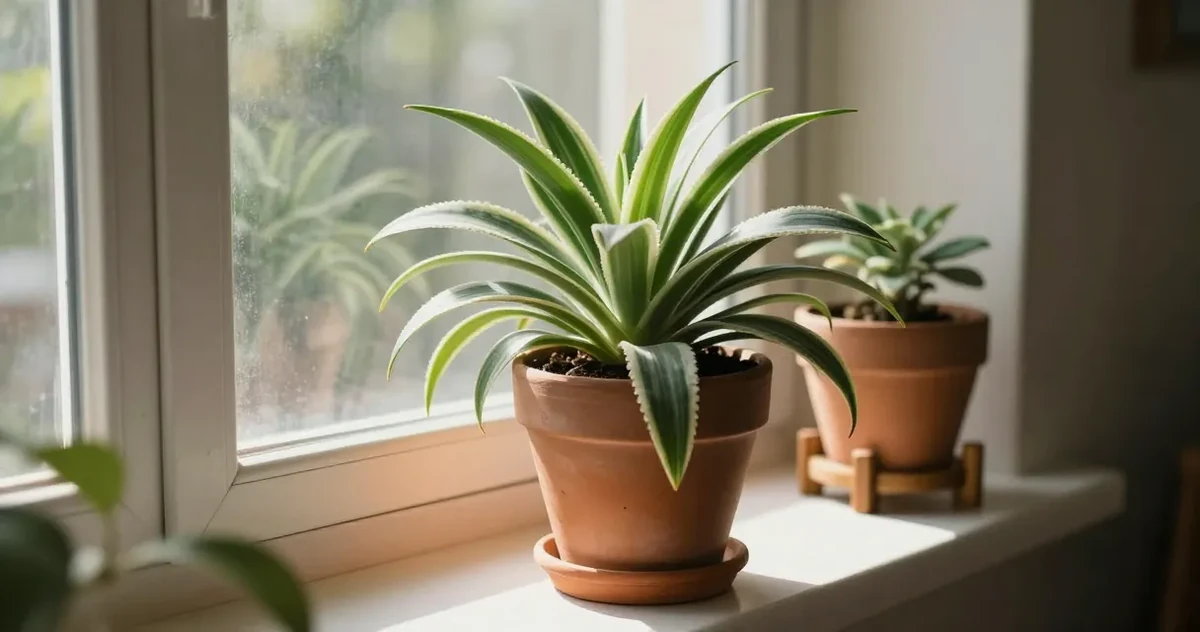
Peperomia obtusifolia baby rubber plant with glossy rounded leaves on a bright windowsill

Peperomia Obtusifolia Care: Baby Rubber Plant Guide

The thing that changes how you care for Peperomia obtusifolia is understanding one quality it has that most houseplants do not: those thick, glossy leaves store water. That means the baby rubber plant handles a missed watering far better than it handles sitting in wet soil – and the large majority of problems owners run into, from drooping to yellowing to mushy stems, trace back to watering too often rather than too little. ...
 · 19 min
Nerve plant (Fittonia albivenis) with vivid pink veins on a wooden surface

Nerve Plant Care: How to Keep Fittonia from Wilting

Nerve Plant Care: How to Keep Fittonia from Wilting If you searched “nerve plant” and spent the first few minutes reading about human anatomy – you are not alone. The phrase is genuinely ambiguous online, and search engines routinely surface medical content alongside houseplant guides. The nerve plant you’re looking for is Fittonia albivenis, a creeping tropical from South American rainforests, named for the vivid network of white, pink, or red veins running across its small dark-green leaves. It also goes by “mosaic plant,” and both names get used interchangeably. ...

 · 17 min
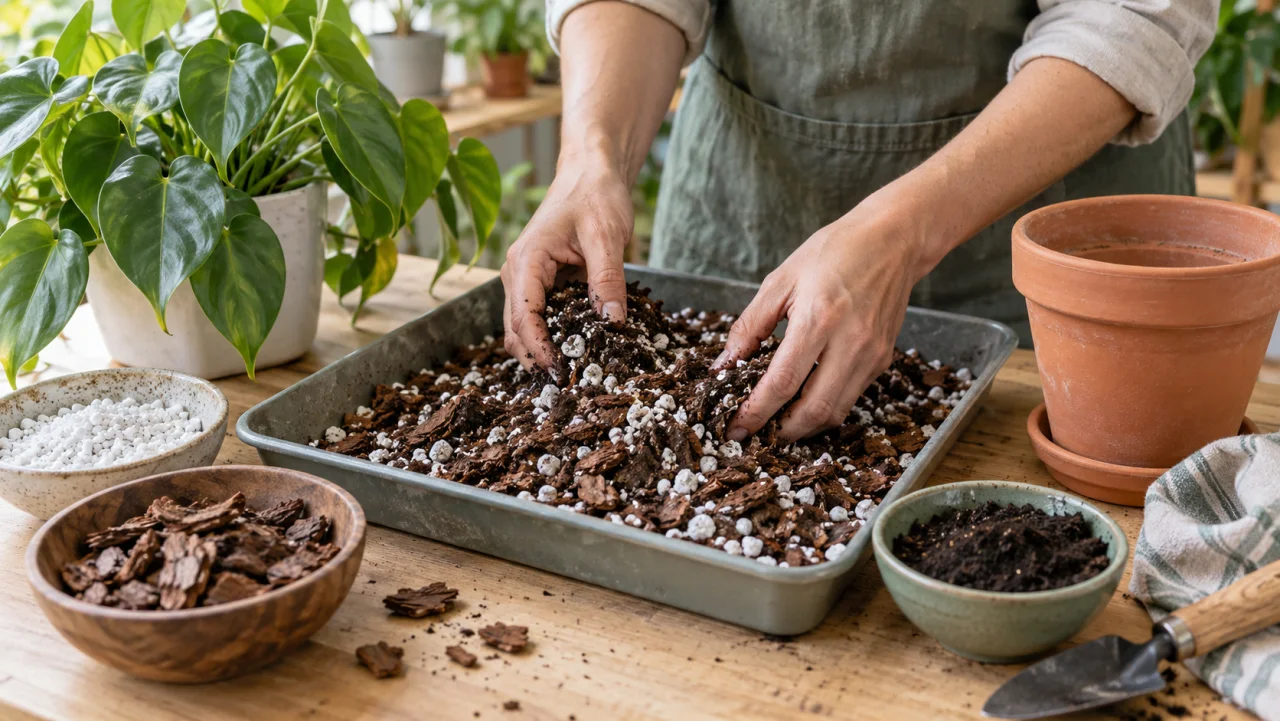
Hands mixing potting soil amendments including perlite and orchid bark for indoor plants

Best Potting Soil for Indoor Plants: By Plant Type

The best potting soil for indoor plants is a container mix that fits the plant’s roots, the pot, and the conditions in the room. Many foliage plants can start in an all-purpose indoor mix, while succulents need a more mineral blend and common epiphytic orchids such as Phalaenopsis need an airy orchid medium, often a coarse bark-based blend. If a plant started declining after a repot, the mix is one possibility to check, not an automatic diagnosis. Pot size, drainage, damaged roots, light, temperature, and watering can produce similar symptoms. A mix that drains at the surface can also remain wetter deeper in the pot, especially in a large container or a dim, still room. ...

 · 26 min
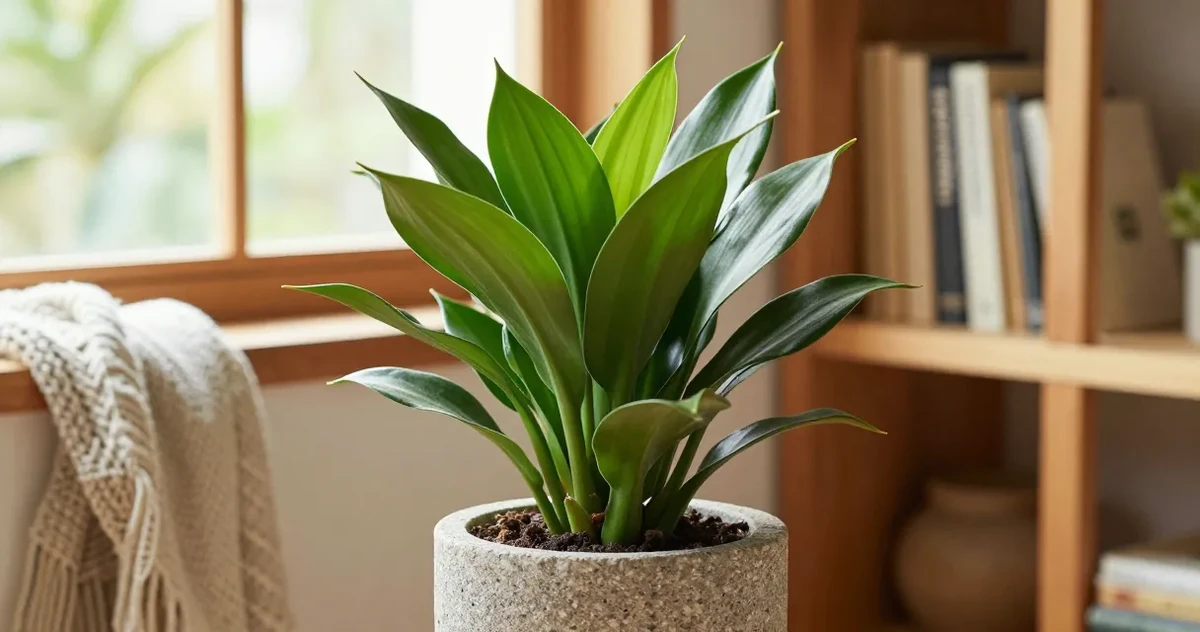
ZZ plant with dark glossy leaves in a bright indoor setting near a window

ZZ Plant Care: Watering, Light, and Yellow Leaves

By KnowYourPlant editorial team. Last updated June 4, 2026. You’ve had your ZZ plant for a while, and something just changed. A leaf or two went yellow near the base. Or the soil feels like it’s been wet longer than usual, and you’re not sure if you should water again or wait it out. Or you picked it up, heard it was nearly impossible to kill, and now you’re quietly wondering if you’re the exception. ...

 · 18 min
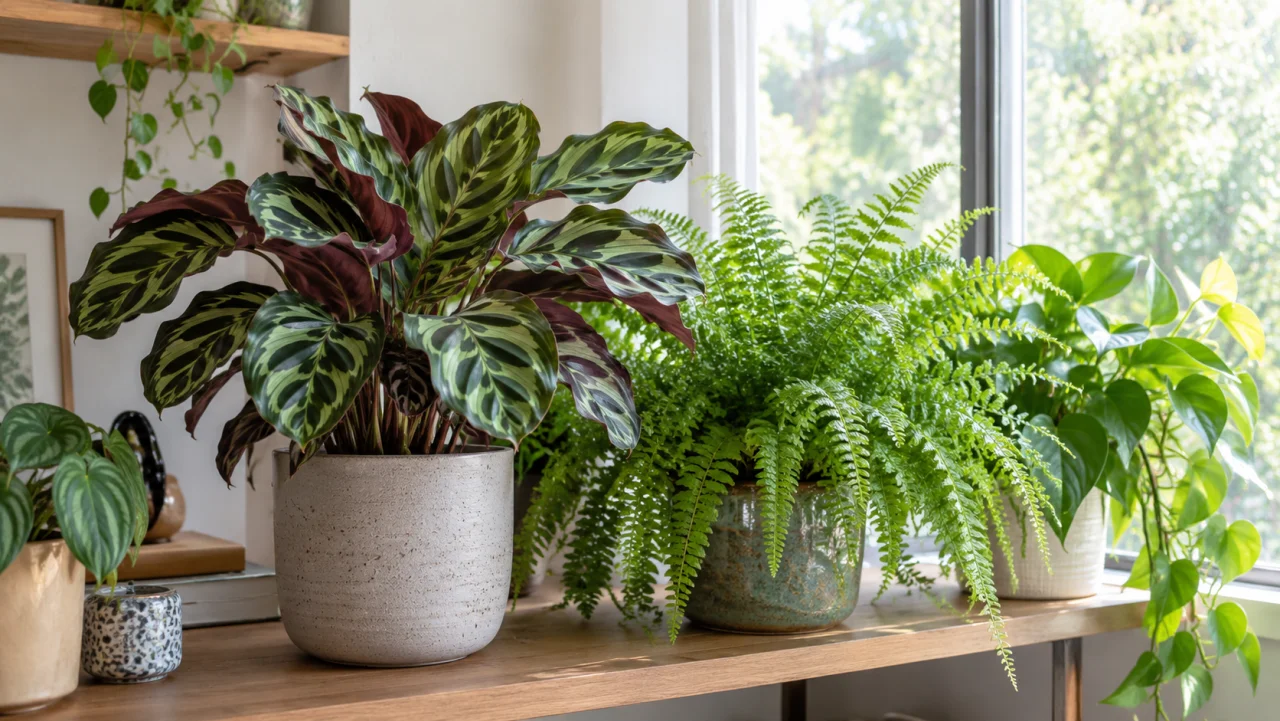
Tropical houseplants including calathea and ferns grouped together near a bright window

Humidity for Houseplants: How to Raise It Without a Humidifier

By KnowYourPlant editorial team, last updated June 15, 2026. Your calathea’s leaf edges have gone brown and papery. Not just the tips – the whole outer edge of older leaves is drying out and pulling inward, and it is spreading to newer growth. You have read everything you can find. Every article says the same thing: these plants need high humidity. So you have been misting it almost every day. The crispy edges are still spreading. ...

 · 18 min
Pothos plant in a terracotta pot being checked for soil moisture with a finger

How Often to Water Pothos: The Complete Watering Guide

If you searched “how often to water pothos” hoping for a number, here it is: it depends on your pot, your soil, and your season more than it depends on the plant. A pothos in a well-draining terracotta pot under bright indirect light may need water every five days in summer. The same variety in dense nursery peat inside a glazed cachepot in a dim corner might go three weeks. Same plant, completely different schedules. ...

 · 17 min
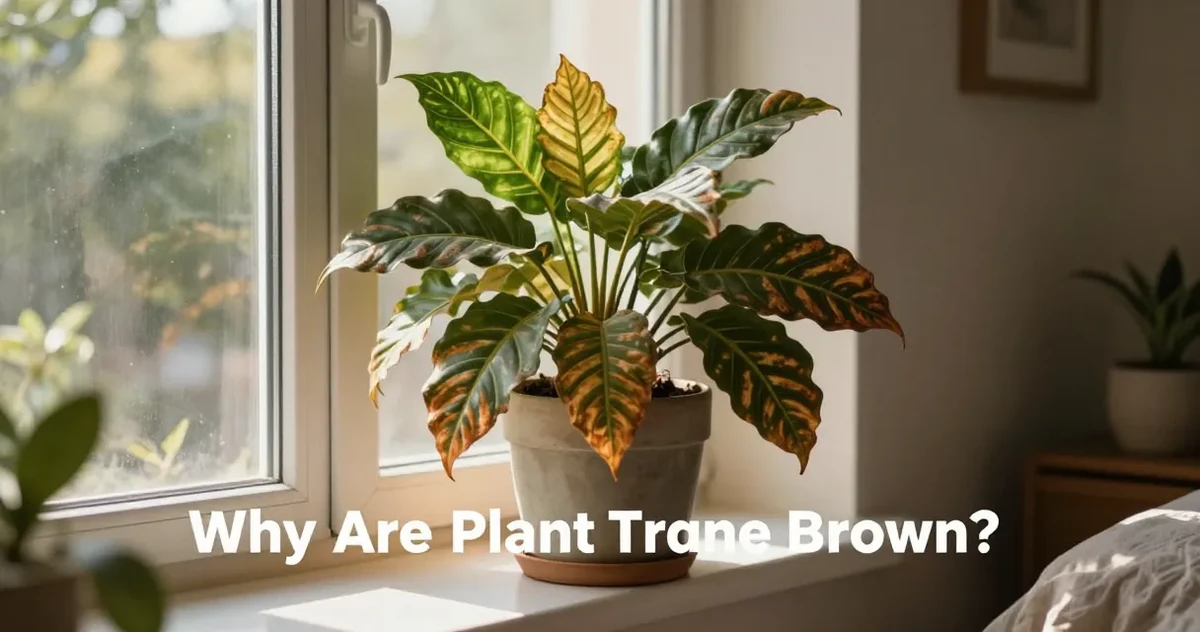
Houseplant with brown leaf tips and edges on a windowsill

Why Are Plant Leaves Turning Brown? (10 Causes + Fixes)

By KnowYourPlant editorial team, updated June 2026. We checked current extension guidance on brown leaf causes, then compared it with real houseplant-owner confusion patterns so this guide helps you diagnose the pattern before you change care. If you’ve been stressing over your plant’s brown leaves, you’re probably not doing something obviously wrong. Brown leaves are one of the most common plant distress signals, and also one of the most misread. ...

 · 19 min
ZZ plant with yellow leaves on a wooden shelf

ZZ Plant Yellow Leaves: Causes and How to Fix It

You notice one stem on your ZZ plant has gone yellow. The rest of the plant looks completely fine. Your first thought is: did I kill it? Your second thought is: should I water more, or less? If you want the full baseline on watering, light, and drainage around this symptom, the ZZ plant care guide is the broader companion piece. Here is the thing about ZZ plant yellow leaves: the answer to both questions depends on which pattern you are actually looking at. And most articles skip straight to “you are probably overwatering” before you have had a chance to look at the plant. ...

 · 18 min
Houseplant with yellowing lower leaves on a windowsill

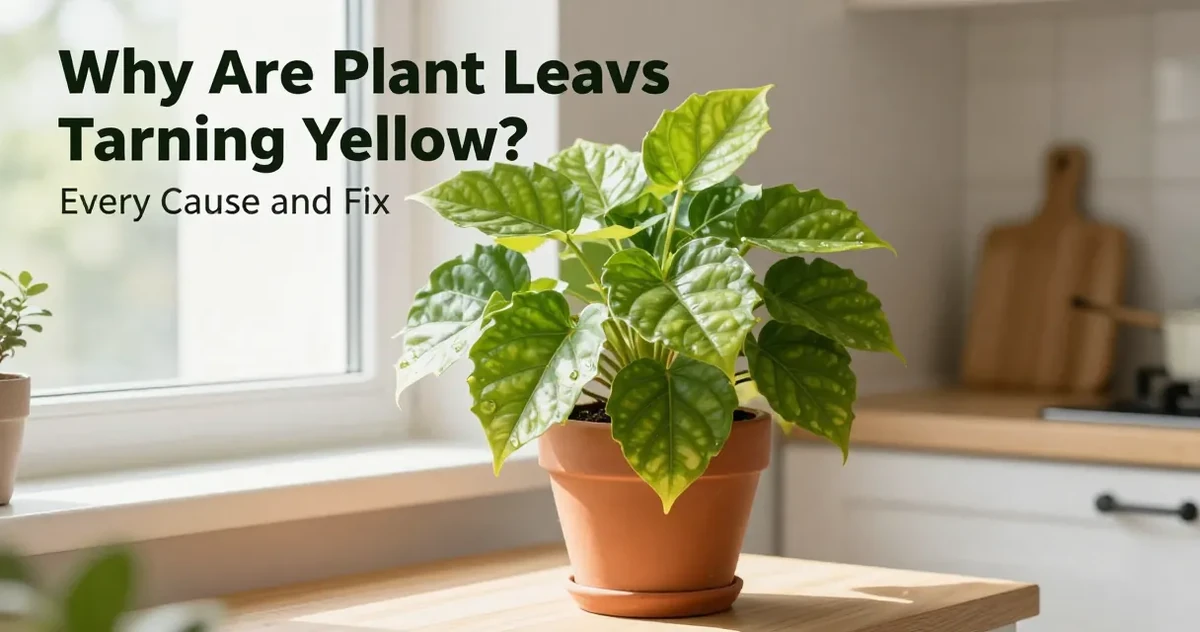
Why Are Plant Leaves Turning Yellow? Every Cause and Fix

By KnowYourPlant editorial team, updated June 2026. We checked current extension guidance on watering and root rot, then compared it with real houseplant-owner confusion patterns so this article helps you narrow the cause before you change care. You spot it one morning: a leaf, then two, going pale and yellow while the rest of the plant looks perfectly fine. If you’ve been staring at your pot wondering why the leaves are turning yellow, you’re not alone - and the honest answer is that yellowing is one of the most frustrating symptoms in houseplant care precisely because it can mean a dozen different things. ...

 · 19 min
Philodendron plant with heart-shaped leaves in a bright indoor space

Philodendron Care: Light, Watering, and Yellow Leaves

Most people bring home a philodendron because she seems easy, then one leaf turns yellow and suddenly nothing feels easy at all. You check the soil three times in one day, move her closer to the window, move her back again, and start wondering whether you are overwatering, underwatering, or somehow doing both. That spiral is common, and usually unnecessary. Philodendrons are some of the clearest communicators in the houseplant world. If you learn how to read her leaves, growth pattern, cataphylls, and soil dry-down, you can usually catch trouble early and fix it before she really declines. ...

 · 19 min