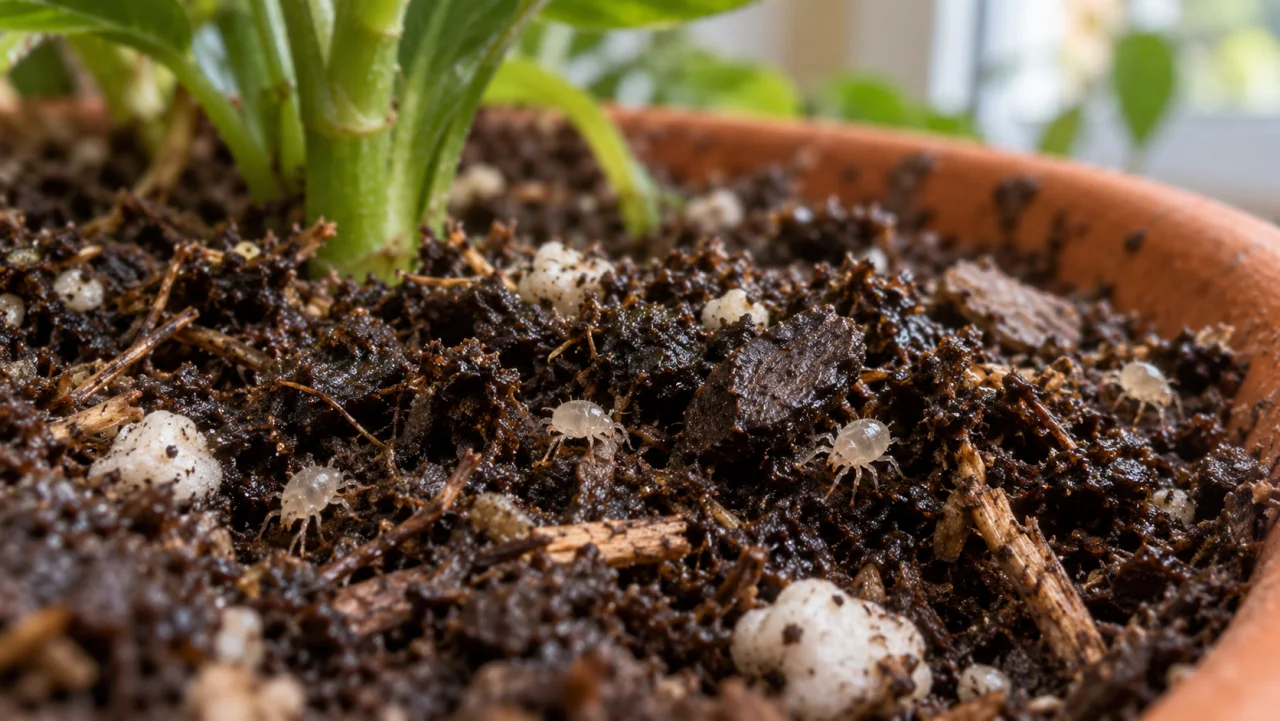
Close-up of potting soil surface showing tiny mites in a houseplant pot

Soil Mites in Houseplants: Harmless Helpers or a Problem?

You move a pot to water it, disturb the top layer of soil, and suddenly notice tiny white or orange specks scrambling in every direction. Your stomach drops. Are those bugs? Do you need to act? Before you reach for a spray bottle, here is the single most useful thing to know: soil mites are not automatically a problem. They are a natural part of living soil. In the garden, nobody panics when they turn a shovelful of earth and find mites working through the decomposing matter. Indoors, though, any moving creature near a plant triggers the urge to treat first and ask questions later. ...
 · 19 min
Healthy succulents in terracotta pots on a bright windowsill

How to Care for Succulents Indoors: The No-Kill Guide

The most common indoor succulent story is painfully predictable: you put it near a window, watered it the same way you water everything else, and watched it slowly go soft and die anyway. If that has happened to you, the problem was probably not neglect. It was generic advice applied to conditions that do not behave like a desert. This guide is built for the apartment version of succulent care, where light is weaker, nursery soil stays wet too long, and decorative pots quietly trap moisture. The goal is simple: help you tell the difference between a thirsty plant, a rotting plant, a light-starved plant, and a plant that just needs you to stop fussing with it. ...

 · 15 min
Small green plants arranged on a wooden office desk near a laptop

Best Office Plants: Low-Maintenance Desk and Cubicle Picks

For a fluorescent-only or windowless cubicle, start with a compact ZZ plant or snake plant and add a grow light if the office goes dark for long periods. For a desk with usable window light, pothos, peperomia, and spider plant give you more choices. The best plants for an office are the ones matched to the actual light, desk space, and weekend access. Generic lists often put succulents next to ZZ plants next to peace lilies, label all of them “low light,” and recommend them equally for a cubicle that has never seen natural sunlight. ...

 · 26 min
A collection of low-light houseplants on a windowsill in a small apartment

12 Best Plants for Apartments (Small Spaces, Low Light)

Finding the best plants for apartments is less about which plants are pretty and more about which ones actually fit your life. A plant that thrives in a bright studio is a different plant than one that survives a north-facing bedroom. The one that works when you travel every other week is not the same as the one that needs watering twice a week. The best apartment plant is not just one that tolerates indoors. It is one that fits your light, your footprint, your schedule, and your household without fighting you the whole time. ...

 · 22 min
Close-up of houseplant leaves showing common pest damage including stippling and webbing

Houseplant Pests Guide: Identify and Treat Common Indoor Bugs

The most common houseplant pests are fungus gnats, spider mites, mealybugs, thrips, and scale insects. Each one hides differently, causes different damage, and responds to a different first treatment. The fastest path to solving any of them is figuring out where the problem is showing up first, not reaching for a product. If nothing is moving and the pattern looks more like spreading spots, mildew, rot, or wilt, switch to the houseplant diseases guide before treating for insects. ...

 · 22 min
A collection of feng shui plants arranged in a bright living room

Best Feng Shui Plants: What to Put Where for Good Energy

By KnowYourPlant editorial team, last updated June 18, 2026. If your money tree is dropping leaves, or your peace lily wilts every other week, that is not a minor plant problem. In traditional feng shui, a declining plant in a symbolic corner creates worse energy than an empty corner. The plant you chose to attract abundance is quietly broadcasting decline instead. That is what most feng shui plant guides skip entirely. They tell you which species to buy and which bagua zone it belongs in. They do not tell you whether the room where that zone sits can keep the plant alive. ...

 · 28 min
Chinese evergreen varieties showing green, silver, pink, and red Aglaonema cultivars side by side

Chinese Evergreen Varieties: Green, Red and Pink Aglaonema Types

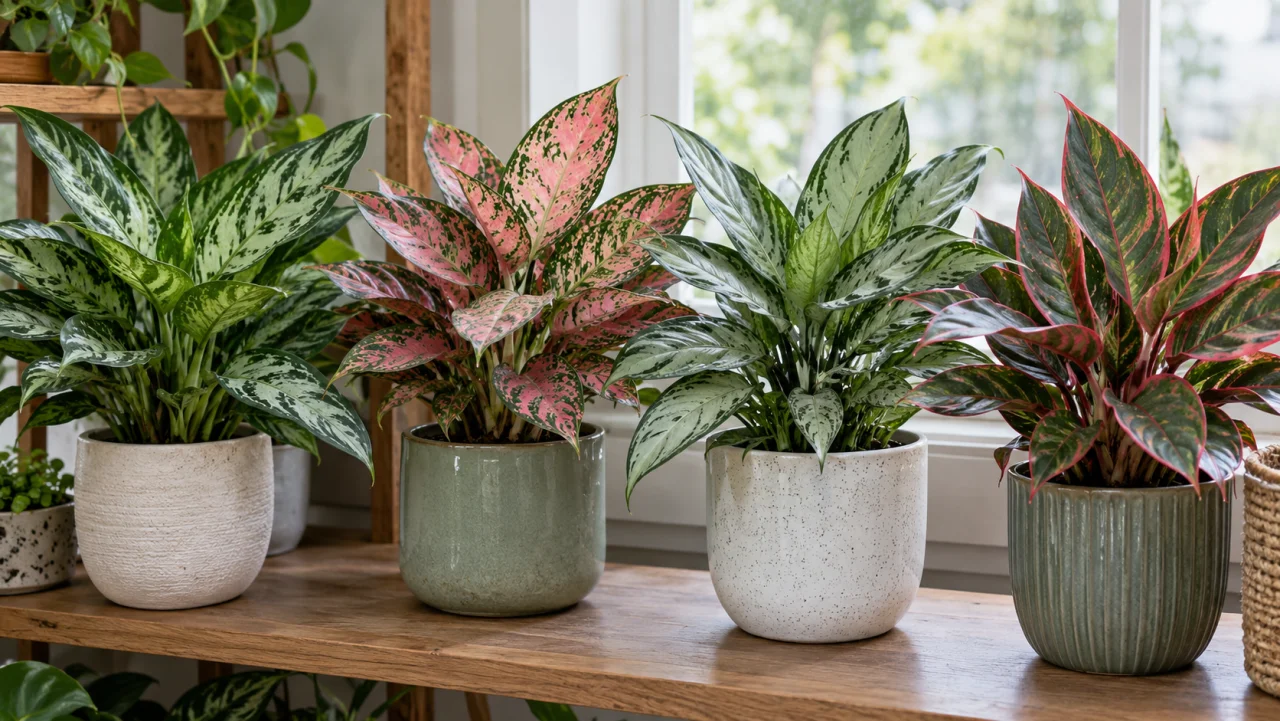
If you’ve ever stood in a garden center unsure whether to bring home the silvery-green Chinese evergreen or the one with hot pink leaves, wondering which one will still look that good six months later, this guide is for you. Chinese evergreens, sold under the botanical name Aglaonema, come in a wider range of colors than most people expect. The green and silver forms will hold their appearance in a dim corner with minimal intervention. The pink and red ones need noticeably more light, and when they don’t get it, the color drains away quietly, without any other warning sign. ...

 · 19 min
Alocasia odora with large upright leaves growing indoors near a bright window

Alocasia Odora Care: How to Grow Upright Elephant Ear Indoors

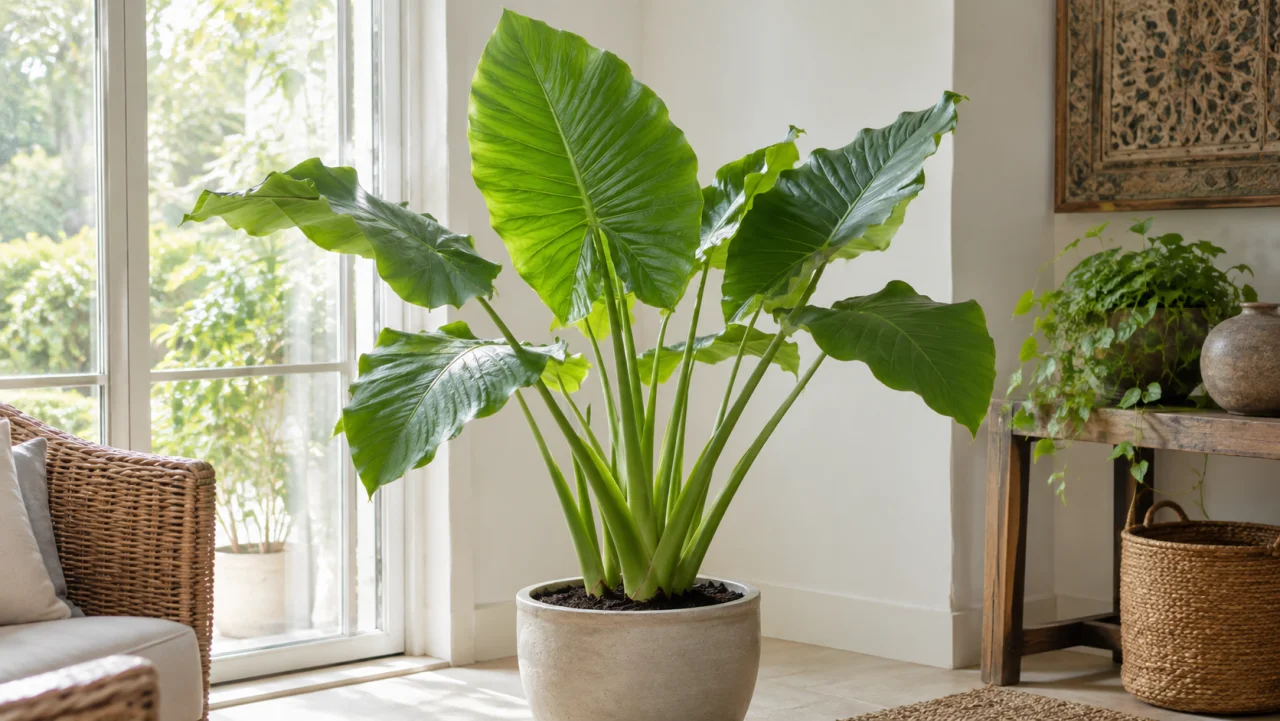
Alocasia Odora Care: How to Grow Upright Elephant Ear Indoors Alocasia odora is the elephant ear you choose when you want something that reads as architectural rather than just decorative. The leaves point upward instead of drooping at the edges, they grow large enough to anchor a corner, and the plant holds its structure even as it gets bigger. That upright habit is one of the first things that separates it from the looser, more sprawling elephant ears most people picture. ...

 · 20 min
Snake plant leaf cuttings in a glass of water next to a small pot of soil, ready for propagation

Snake Plant Propagation: Dividing and Rooting in Soil

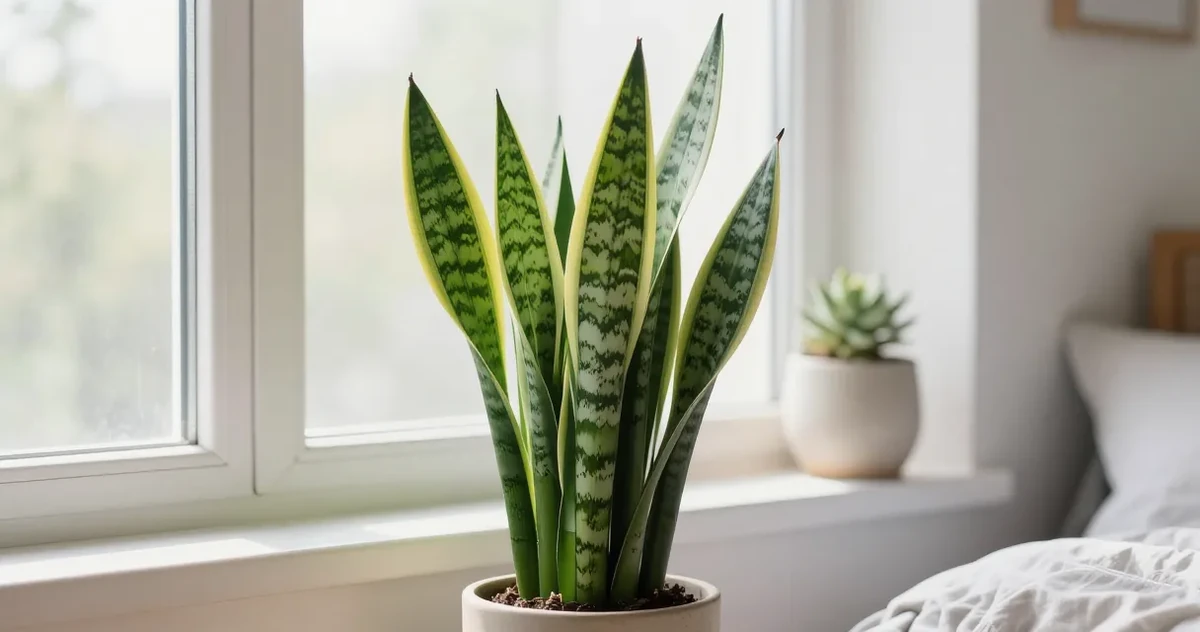
Snake plant propagation is one of those things that sounds simple – divide an offset or root a leaf – and yet still trips people up in the same ways every time. A division already has roots; a leaf section must grow them. Treat those starts alike and the cutting may turn mushy, or a water-rooted piece may struggle when moved to soil. A leaf cutting from a yellow-edged parent can also produce a plain-green plant. ...

 · 20 min
Moon Valley Pilea with deeply textured bright green leaves in an indoor setting

Moon Valley Pilea Care: How to Grow Textured Pilea Indoors

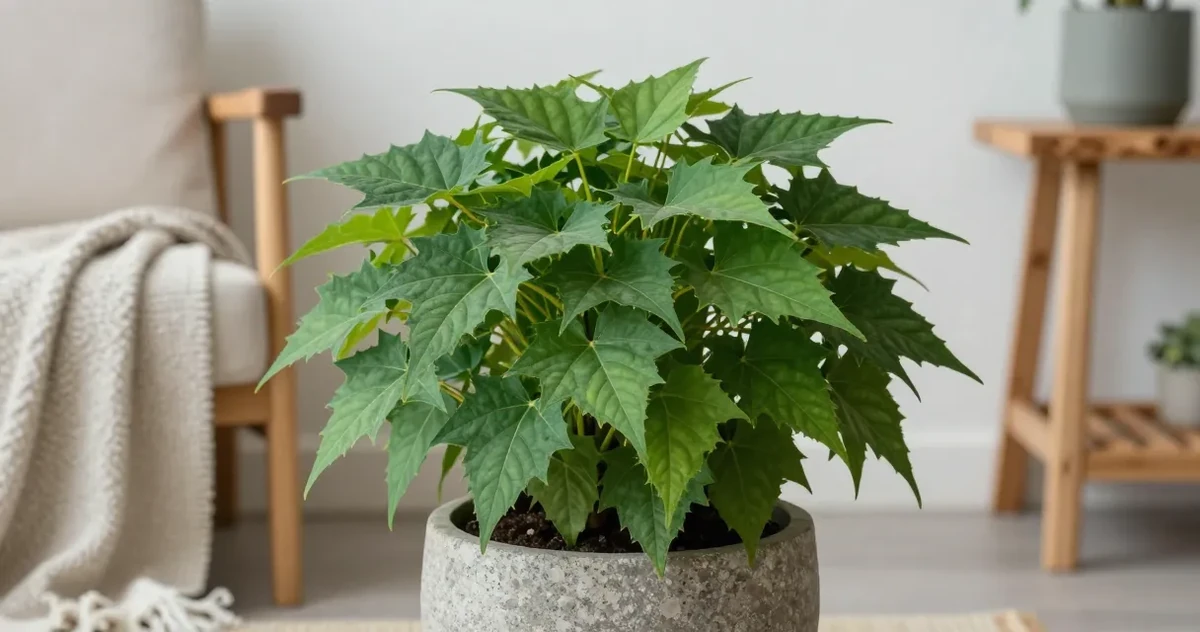
Moon Valley pilea is the kind of plant that looks robust right up until it isn’t. That deeply quilted, topographic texture makes it seem tough, but most owners hit the same wall: the plant starts drooping or drops a leaf or two, the surface soil looks fine, and nothing in the usual care advice explains what is actually going wrong. This guide is structured around that moment. You will find a symptom-first section up top so you can check what your plant is telling you before adjusting any care routine, followed by specific guidance on light, watering, humidity, soil, and pruning. ...

 · 20 min