Indoor herb garden on a bright kitchen windowsill with basil, mint, and chives in terracotta pots

Indoor Herb Garden: Setup, Best Herbs and Grow Light Guide

You bought a potted basil from the grocery store, set it on your kitchen windowsill, and two weeks later it had collapsed into a pile of yellowed stems. Sound familiar? Building an indoor herb garden is one of the most useful things you can do with a spare corner of your kitchen, but most people start with herbs that need more light than their space can provide, or in containers that never let the roots dry out properly. ...

 · 23 min · 
Feng shui plants arranged in a bright living room with soft sunlight and balanced placement

Best Feng Shui Plants: What to Put Where for Good Energy

Feng shui plants are healthy, living indoor plants used to bring the wood element, softness, growth, and visual vitality into specific areas of a home. The best ones are not magic objects. They are plants that suit your light, your watering habits, and the room you choose. A plant only supports calm in a bedroom, welcome at the entrance, focus at a desk, or abundance in a wealth corner if it can stay alive there. ...

 · 24 min · 
Fiddle leaf fig care guide showing a healthy Ficus lyrata tree in bright indirect light

Fiddle Leaf Fig Care Guide: Stop Killing Your Ficus Lyrata

Fiddle leaf fig care has a reputation for being impossible, but most failures come from three ordinary problems: not enough light, watering before the pot has dried enough, and moving the plant every time it looks annoyed. Ficus lyrata is not a beginner-proof plant, but it is not mysterious. Give it bright filtered light, a pot that drains, a consistent watering rhythm, and time to adjust before you change the setup again. ...

 · 22 min · 
Monstera Peru care guide showing textured green leaves on a climbing support

Monstera Peru Care Guide

If you are looking at a Monstera Peru and mostly want to know whether it fits your home, the answer is yes if you have bright indirect light and can check the soil about once a week. Water when the top 2 inches are dry, use a chunky mix, and give the vine something to climb. Yellow leaves usually mean the pot is staying wet too long; curling leaves usually mean thirst, heat, or root trouble; brown tips usually point to uneven watering, dry air, sun, or fertilizer salts. ...

 · 20 min · 
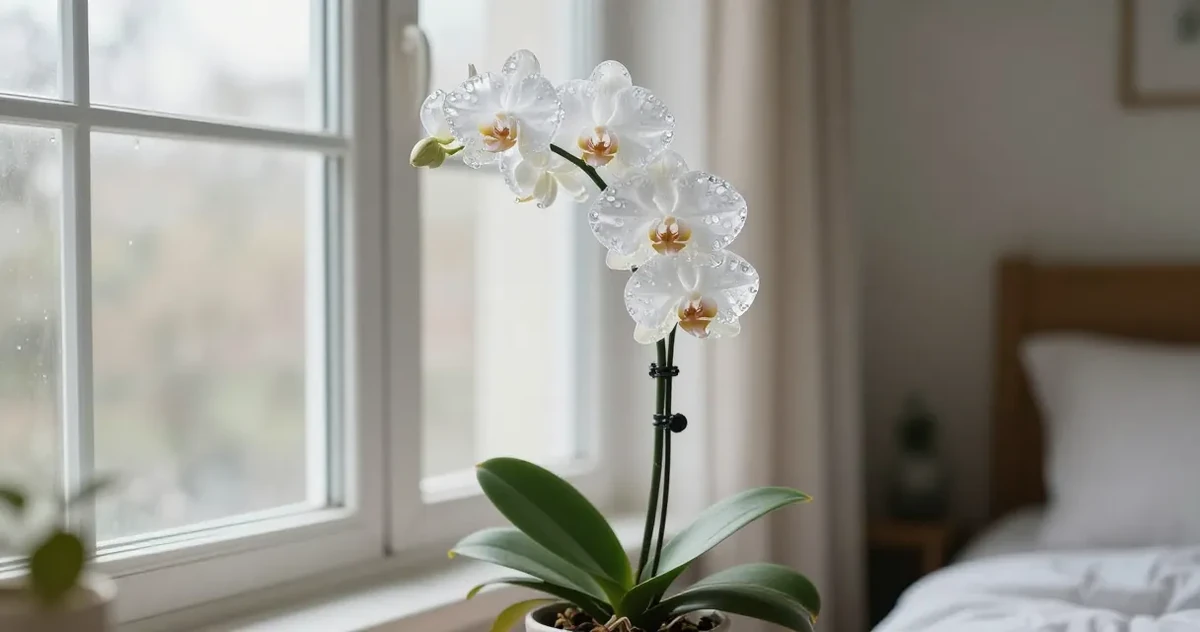
Orchid with yellowing lower leaf next to healthy green leaves

Orchid Leaves Turning Yellow: 8 Causes and Solutions

Orchid Leaves Turning Yellow: 8 Causes and Solutions You noticed it this morning: one of your orchid’s leaves has gone from deep green to a soft, unsettling yellow. Now you’re second-guessing everything – the watering schedule, the spot on the windowsill, the fertilizer you used last month. Orchid leaves turning yellow is one of the most common worries orchid owners bring up, and the good news is that most of the time, it’s fixable – or not even a problem at all. ...

 · 16 min · 
Best Trailing Indoor Plants to Grow

Best Trailing Indoor Plants to Grow

If you are choosing a trailing indoor plant, the useful question is not just “which vine looks good on a shelf?” It is “will this plant work with my light, my watering habits, and my pets?” This guide is for everyday plant owners who want a clear shortlist before buying, plus quick answers when leaves curl, yellow, or get brown tips. A trailing plant grows by sending stems outward and downward instead of mostly upright. That habit makes trailing plants useful for hanging baskets, high shelves, wardrobes, bookcases, and small rooms where you do not want another pot on the floor. If you are deciding between a true trailing vine and a fuller basket plant, our indoor hanging plants guide shows where those categories overlap and where they behave differently. ...

 · 22 min · 
Best Bedroom Plants for Sleep and Air

Best Bedroom Plants for Sleep and Air

You want a bedroom plant that fits the room you actually have: maybe low light, maybe a pet on the bed, maybe a watering routine that is more “when I remember” than “every Saturday at 9.” The best choice is not the plant with the prettiest photo. It is the plant that can handle your light, your sleep setup, and your care habits without becoming another thing to worry about. ...

 · 22 min · 
Self-Watering Pots Guide for Plants

Self-Watering Pots Guide for Plants

If you’ve ever come home to a wilted plant after a few days away, you’ve probably wondered whether self watering pots are actually worth it. The short answer is yes, but with some caveats worth knowing before you buy. A self watering pot is a planter with a built-in water reservoir at the bottom, separated from the soil by a barrier. The plant draws moisture upward through a wick or soil column only when it needs it. Water on demand, from below, without you hovering with a watering can every two days. ...

 · 20 min · 
Snake Plant Benefits for Every Room

Snake Plant Benefits for Every Room

If you want one indoor plant that can handle imperfect light, missed waterings, and a beginner learning curve, a snake plant is one of the safest bets. The real benefit is not that it magically fixes a room. It is that it gives you clear, slow feedback and rarely punishes you for being busy. For everyday care, think of a snake plant as a low-routine plant: give it a bright or medium-light spot if you can, let the soil dry all the way out, then water deeply and leave it alone again. If you want the full routine, the snake plant care guide walks through watering, light, and drainage in more detail. ...

 · 16 min · 
Prayer Plant Care Guide for Maranta

Prayer Plant Care Guide for Maranta

If your prayer plant leaves are curling, yellowing, or turning crispy at the tips, you probably do not need a botany lesson. You need to know what to check first, how often to water, and whether this plant fits the light and routine you actually have at home. Here is the short version: keep a prayer plant in bright indirect light, water when the top 2-3 cm of soil feels dry, and do not let the pot sit in runoff water. Most homes need water every 5-7 days in warmer months and every 10-14 days in winter, but the soil check matters more than the calendar. Curling usually means the plant is too dry, too hot, or sitting in dry air. Yellow lower leaves usually mean too much water. Brown crispy tips usually mean low humidity or sensitive tap water. ...

 · 19 min ·