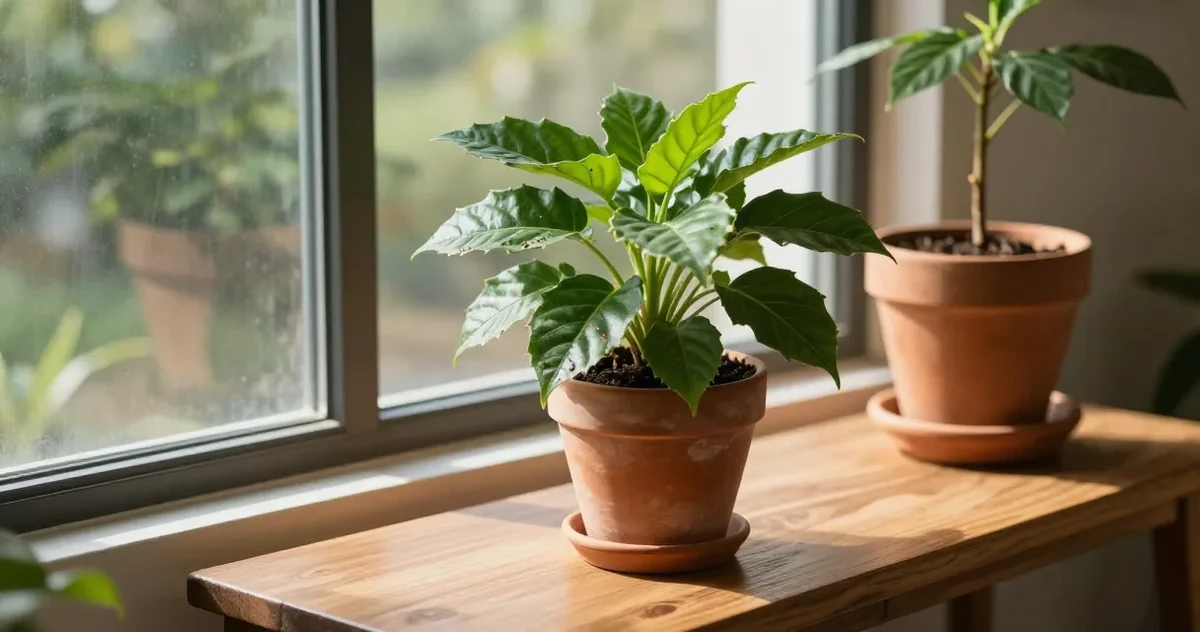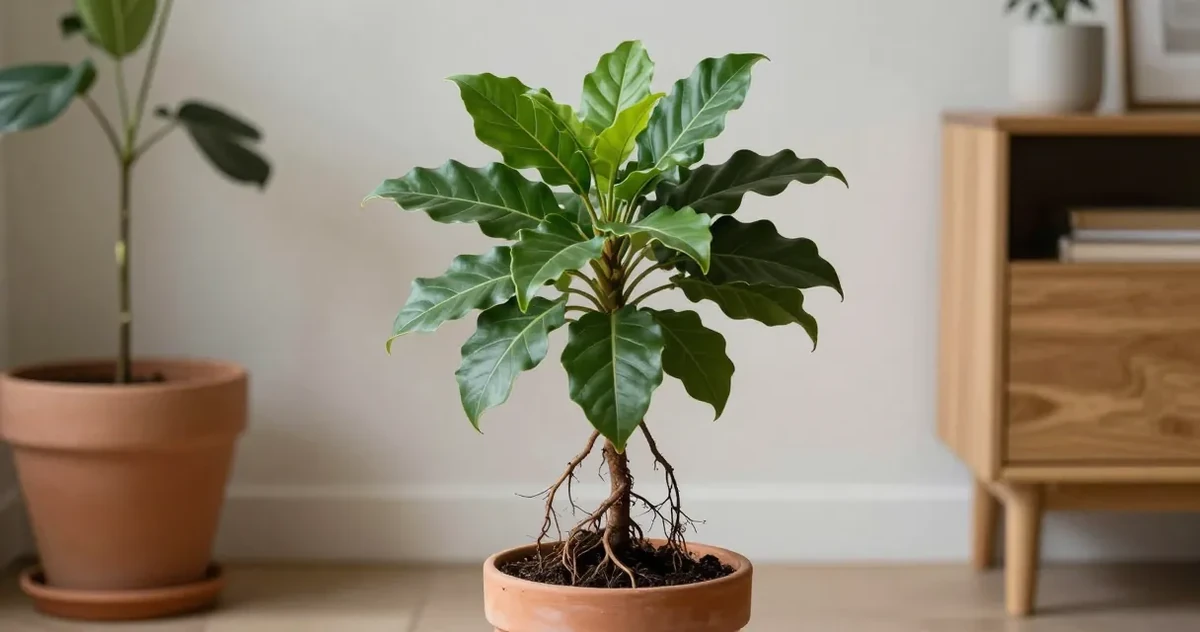
Plant being unpotted to check for root rot

Root Rot: Signs, Treatment and How to Save Your Plant

The plant looks like it’s wilting. You check the soil and it’s damp. You water it anyway because it looks thirsty, and a few days later it looks worse. You Google “yellow leaves” and “drooping plant” and get a hundred different answers. Eventually someone mentions root rot and now you’re not sure if your plant is dying or if you just need to back off the watering. This is the exact loop root rot pulls you into. It mimics underwatering so convincingly that most people make it worse before they realize what’s actually happening. ...
 · 23 min
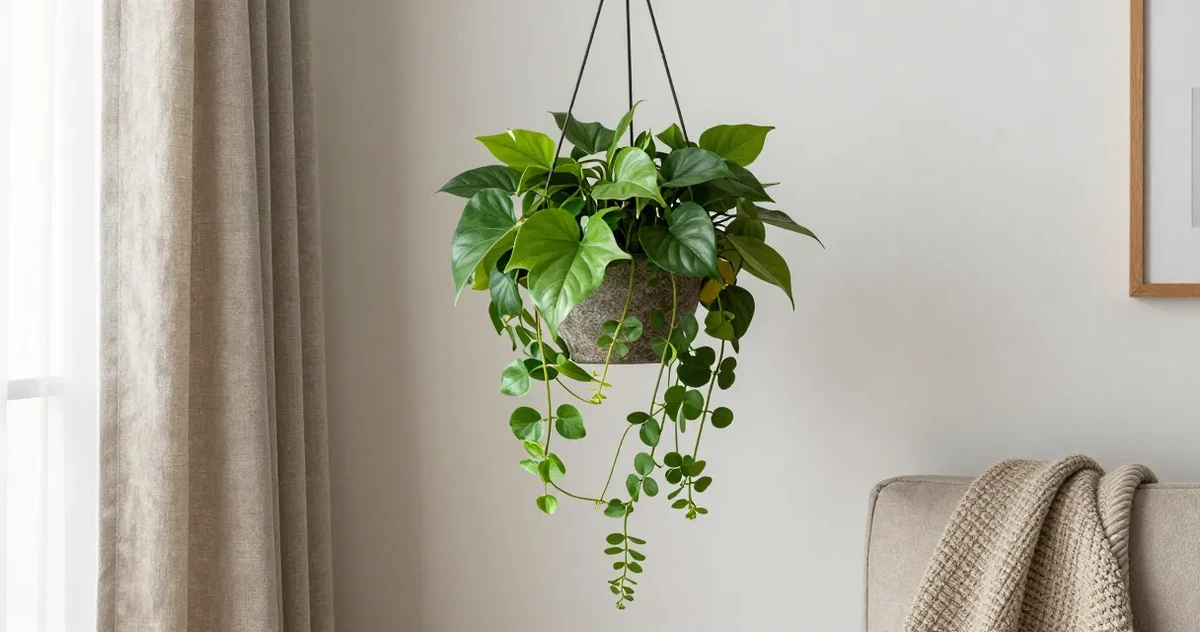
Assorted indoor hanging plants trailing from shelves and a ceiling hook in a bright room

20 Best Indoor Hanging Plants for Low Light and Bright Rooms

For low-light indoor hanging plants, start with heartleaf philodendron, golden pothos, or spider plant. They handle dimmer rooms better than most string succulents, although all still need usable daylight or a grow light. You stand in the plant shop, basket in hand, looking at a shelf of trailing plants. They all look lush. The labels say things like “indirect light” and “water regularly,” which is almost entirely useless. What you actually want to know is: will this thing trail long enough to look dramatic, can it handle the shelf in my east-facing bedroom, and will it forgive me during a week away? ...

 · 20 min
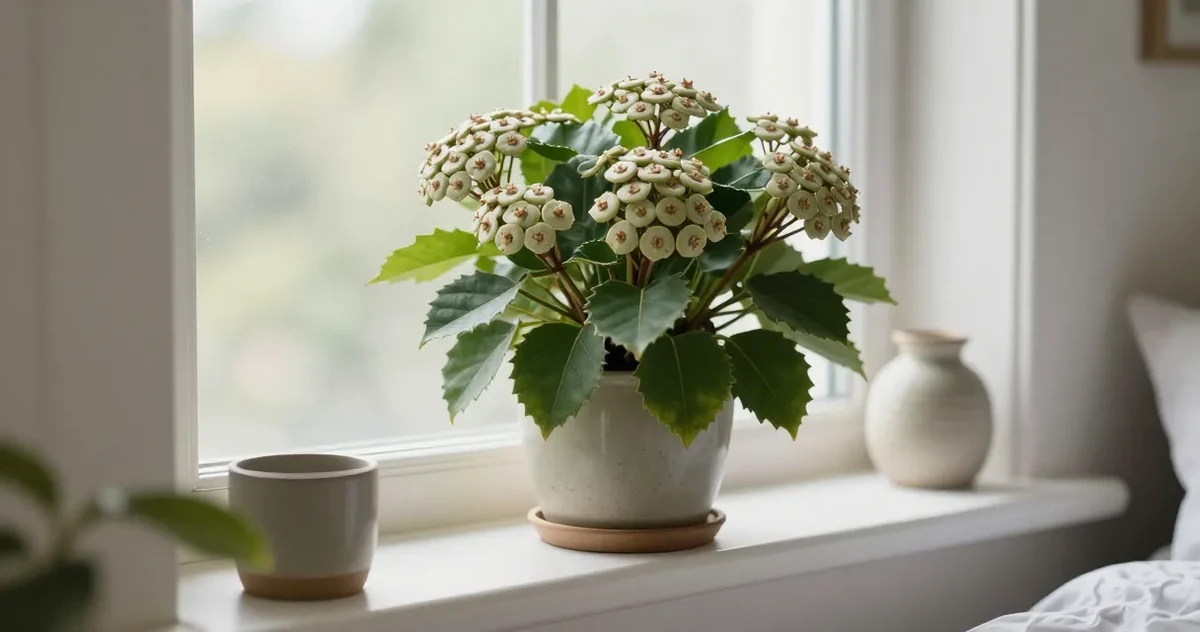
Hoya plant with waxy leaves and star-shaped flowers

Hoya Plant Care Guide: All Varieties, Propagation & Blooming

If you’ve ever brought home a hoya and then stared at it wondering why it’s doing absolutely nothing for months, you’re not alone. Hoyas are famously unbothered plants. They sit there, looking great, quietly ignoring you until one day you notice a cluster of tiny waxy flowers that smell faintly of vanilla and honey. That’s the hoya experience: low drama, high reward. Hoya plant care is forgiving once you understand what these plants actually want. And what they mostly want is to be left alone in bright indirect light with well-draining soil and a solid gap between waterings. This guide covers all the essentials: the main varieties you’re likely to encounter, what conditions help them thrive, how to encourage blooming without frustration, and how to propagate them correctly when you want more. ...

 · 21 min
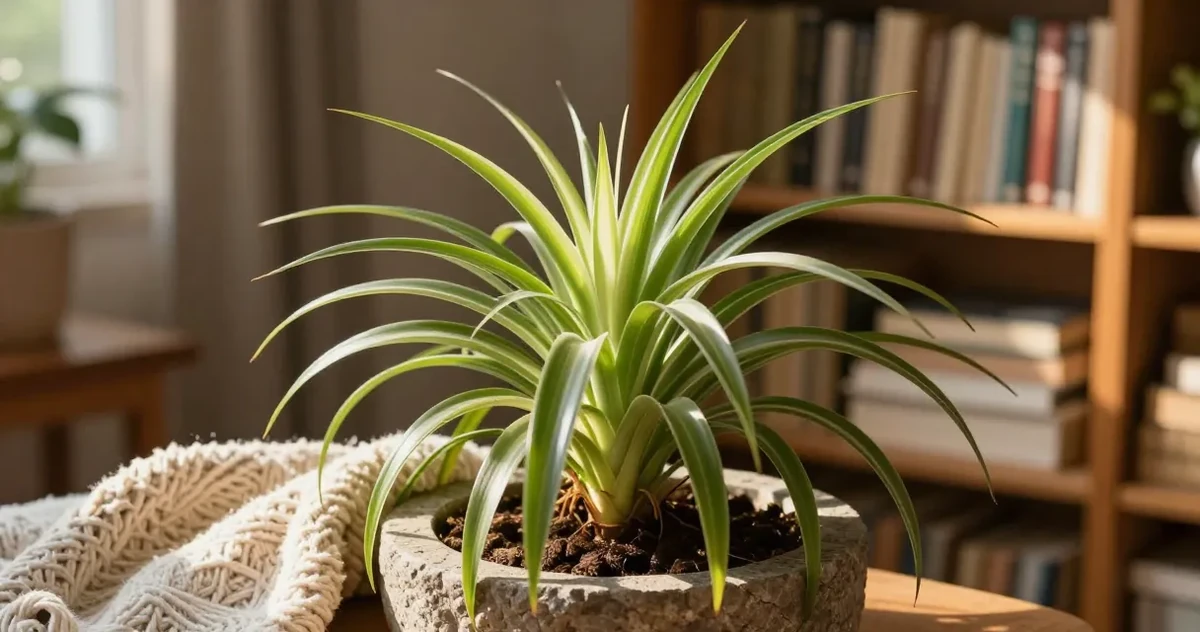
Spider plant with long arching variegated leaves and spiderettes hanging from runners

Spider Plant Care Guide: Growing and Propagating Chlorophytum

Spider Plant Care Guide: Growing and Propagating Chlorophytum If the tips of your spider plant keep going brown no matter how carefully you water, there’s a good chance the culprit is your tap water, not your routine. Spider plants are forgiving in most ways, but more sensitive to fluoride than most care guides let on. That one detail resolves a lot of frustration. The spider plant (Chlorophytum comosum) earns its reputation as a beginner-friendly plant not because it’s boring or unchallenging, but because it communicates clearly. Happy plants produce a cascade of arching runners and spiderettes. Stressed plants hold back. Once you understand what the plant is telling you, the care almost figures itself out. ...

 · 17 min
Pothos cuttings rooting in glass jars of water on a bright windowsill

How to Propagate Plants: 5 Methods That Actually Work

You have watched a plant decline before. Maybe it was a slow yellow creep from the bottom up, or a sudden collapse after two weeks of getting the watering wrong. Maybe something like that is happening right now on your shelf. Here is what most people do not know: the window to save a plant often closes before you realize it was open. A single healthy stem taken before things get worse can restart the whole thing in a glass of water within two weeks. You do not need a whole plant in perfect health to begin. You need one good stem. If the goal is to keep roots in water long term rather than transfer a cutting to soil, use the guide to houseplants that grow in water. If you are working with a trailing vine and want a plant-specific walkthrough, go straight to String of Hearts propagation, which covers butterfly method cuttings, tubers, and the mistakes that make vines rot before they root. ...

 · 22 min
Brown bottle of 3% hydrogen peroxide next to a houseplant in a terracotta pot

Hydrogen Peroxide for Plants: How to Use It Safely

Hydrogen Peroxide for Plants: How to Use It Safely You have tiny flies circling your favourite plant, or you just noticed the roots looked off during a repot. Before you buy anything special, check your medicine cabinet. There is a good chance the answer is already there. Hydrogen peroxide is one of those quietly useful tools that experienced growers reach for early, not as a magic fix, but as a simple, low-cost way to deal with fungus gnats, root rot, and contaminated soil before things spiral further. It is cheap, widely available, leaves no chemical residue, and works fast. ...

 · 19 min
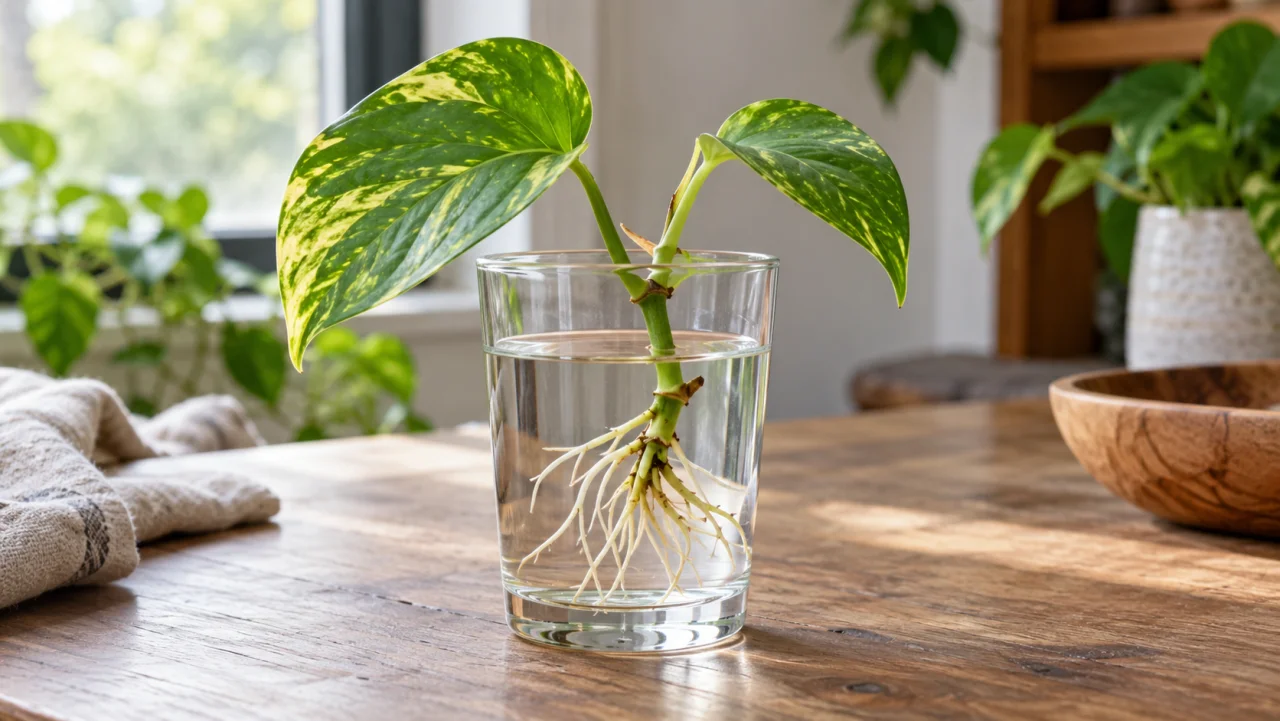
Pothos stem cutting with white roots growing in a glass of water

How to Propagate Pothos: Water, Soil, and Moss Methods That Work

You trimmed a pothos vine, noticed a healthy node, and wondered whether that piece could really become a whole new plant. It can, but success depends less on luck than on one simple detail: the condition of the node and the method you choose for that exact cutting. Most pothos propagation guides give the same basic water steps. The real beginner problems usually show up somewhere else: missing the node, using the wrong method for a leafless cutting, waiting too long to transfer water roots, or potting into a mix that stays wet for too long. ...

 · 13 min
Aphids clustered on a plant stem tip

How to Get Rid of Aphids on Houseplants and Garden Plants

You go to water your plant and notice something strange on the new leaves. Tiny, soft-bodied specks, pale green or creamy white, clustered so tightly on the stem tips they look almost like part of the plant. Then you see a leaf curling inward at the edges, another going sticky. That is how most of us meet aphids, and if you are here, you already know you need to act. ...

 · 16 min
Hands repotting a houseplant into a larger terracotta pot with fresh potting mix

How to Repot a Plant: Step-by-Step Guide for Beginners

You notice roots coming out of the drainage hole. Or the soil dries out completely two days after watering. Or the plant just looks tired, like it has been sitting in the same spot too long and quietly asking for something different. Those clues tell you to inspect the root ball; they do not automatically mean a bigger pot. If you are still deciding whether the move is necessary, start with when to repot plants. It separates strong root-bound evidence from seasonal slowdown, old mix, and post-purchase stress. ...

 · 20 min
Fiddle leaf fig care guide showing a healthy Ficus lyrata tree in bright indirect light

Fiddle Leaf Fig Care Guide: Stop Killing Your Ficus Lyrata

Fiddle leaf fig care has a reputation for being impossible, but most failures come from three ordinary problems: not enough light, watering before the pot has dried enough, and moving the plant every time it looks annoyed. Ficus lyrata is not a beginner-proof plant, but it is not mysterious. Give it bright filtered light, a pot that drains, a consistent watering rhythm, and time to adjust before you change the setup again. ...

 · 24 min