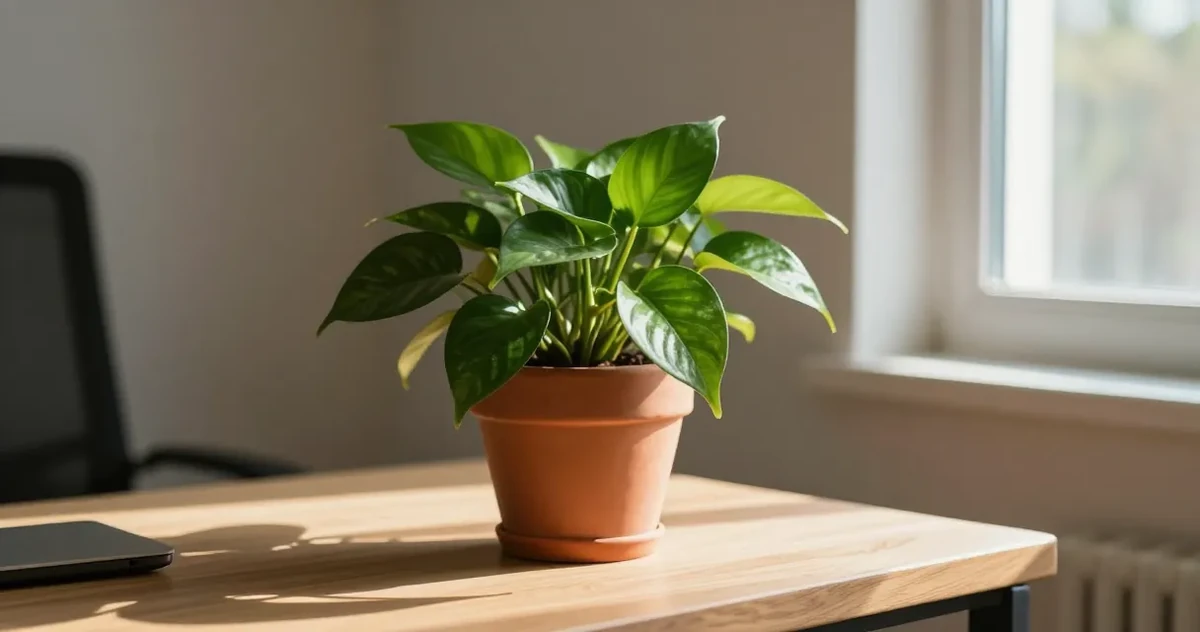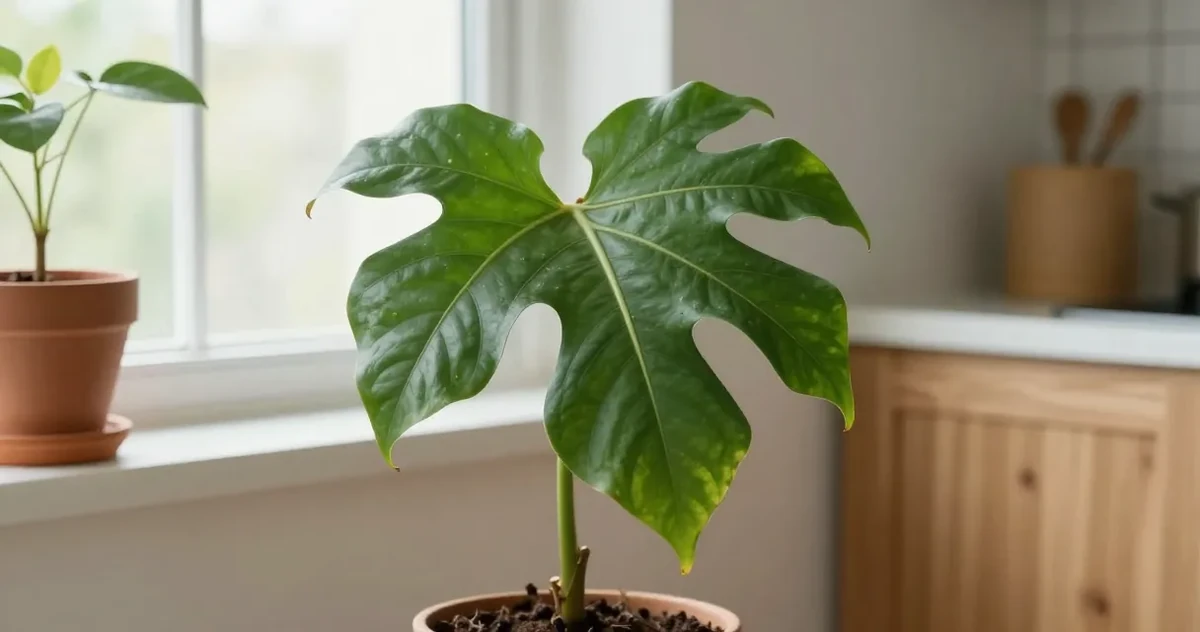
Pothos cuttings rooting in glass jars of water on a bright windowsill

How to Propagate Plants: 5 Methods That Actually Work

You have watched a plant decline before. Maybe it was a slow yellow creep from the bottom up, or a sudden collapse after two weeks of getting the watering wrong. Maybe something like that is happening right now on your shelf. Here is what most people do not know: the window to save a plant often closes before you realize it was open. A single healthy stem taken before things get worse can restart the whole thing in a glass of water within two weeks. You do not need a whole plant in perfect health to begin. You need one good stem. ...

 · 21 min · 
Brown bottle of 3% hydrogen peroxide next to a houseplant in a terracotta pot

Hydrogen Peroxide for Plants: How to Use It Safely

Hydrogen Peroxide for Plants: How to Use It Safely You have tiny flies circling your favourite plant, or you just noticed the roots looked off during a repot. Before you buy anything special, check your medicine cabinet. There is a good chance the answer is already there. Hydrogen peroxide is one of those quietly useful tools that experienced growers reach for early, not as a magic fix, but as a simple, low-cost way to deal with fungus gnats, root rot, and contaminated soil before things spiral further. It is cheap, widely available, leaves no chemical residue, and works fast. ...

 · 19 min · 
Pothos stem cutting with white roots growing in a glass of water

How to Propagate Pothos: Water, Soil, and Moss Methods That Work

You trimmed a pothos vine, noticed a healthy node, and wondered whether that piece could really become a whole new plant. It can, but success depends less on luck than on one simple detail: the condition of the node and the method you choose for that exact cutting. Most pothos propagation guides give the same basic water steps. The real beginner problems usually show up somewhere else: missing the node, using the wrong method for a leafless cutting, waiting too long to transfer water roots, or potting into a mix that stays wet for too long. ...

 · 11 min · 
Aphids clustered on a plant stem tip

How to Get Rid of Aphids on Houseplants and Garden Plants

You go to water your plant and notice something strange on the new leaves. Tiny, soft-bodied specks, pale green or creamy white, clustered so tightly on the stem tips they look almost like part of the plant. Then you see a leaf curling inward at the edges, another going sticky. That is how most of us meet aphids, and if you are here, you already know you need to act. ...

 · 15 min · 
Hands repotting a houseplant into a larger terracotta pot with fresh potting mix

How to Repot a Plant: Step-by-Step Guide for Beginners

You notice roots coming out of the drainage hole. Or the soil dries out completely two days after watering. Or the plant just looks tired, like it’s been sitting in the same spot too long and quietly asking for something different. That something is usually a bigger pot, or at the very least, fresh soil. Repotting sounds more intimidating than it is. At its core, it’s simple: repotting is moving a plant into fresh soil and, when needed, a larger container so its roots have room to grow, access more nutrients, and drain properly. Most houseplants need attention every one to two years. Get it right and the plant rebounds with visible new growth within a few weeks. ...

 · 19 min · 
Fiddle leaf fig care guide showing a healthy Ficus lyrata tree in bright indirect light

Fiddle Leaf Fig Care Guide: Stop Killing Your Ficus Lyrata

Fiddle leaf fig care has a reputation for being impossible, but most failures come from three ordinary problems: not enough light, watering before the pot has dried enough, and moving the plant every time it looks annoyed. Ficus lyrata is not a beginner-proof plant, but it is not mysterious. Give it bright filtered light, a pot that drains, a consistent watering rhythm, and time to adjust before you change the setup again. ...

 · 22 min · 
Monstera Peru care guide showing textured green leaves on a climbing support

Monstera Peru Care Guide

If you are looking at a Monstera Peru and mostly want to know whether it fits your home, the answer is yes if you have bright indirect light and can check the soil about once a week. Water when the top 2 inches are dry, use a chunky mix, and give the vine something to climb. Yellow leaves usually mean the pot is staying wet too long; curling leaves usually mean thirst, heat, or root trouble; brown tips usually point to uneven watering, dry air, sun, or fertilizer salts. ...

 · 20 min · 
Pothos Varieties Guide: Types and Care

Pothos Varieties Guide: Types and Care

If you’ve ever stood in a garden center staring at trailing vines and wondered which pothos will actually survive in your home, start here. The right variety depends less on which leaf pattern you like and more on three everyday things: your light, your watering habits, and how much you want the plant to grow. Pothos varieties are mostly members of the Epipremnum aureum species, with a few close relatives that stores sell under the same everyday name. They all trail, climb, and tolerate normal home conditions, but they are not identical. A jade pothos can handle a dim shelf and missed watering better than a snow queen. A marble queen needs brighter indirect light to keep its white pattern strong. A satin pothos often wants a steadier moisture routine than a golden pothos. ...

 · 26 min · 
Rubber Plant Care Guide for Indoors

Rubber Plant Care Guide for Indoors

By KnowYourPlant editorial team, last updated June 16, 2026. Rubber plant care gets much easier once you know the few checks that matter: bright indirect light, a pot with drainage, and watering only after the top inch or two of soil dries out. In many homes, that means watering about every 7-10 days in spring and summer, then closer to every two or three weeks in winter. If you are worried about overdoing it, watch for lower leaves turning yellow, leaves drooping while the soil is still damp, or soil that stays wet for more than a week or two. If leaves curl inward or the tips turn crispy brown, check whether the plant has gone too dry, is sitting in harsh sun, or is near a heater or draft. ...

 · 22 min · 
Calathea Care Guide: Water and Light

Calathea Care Guide: Water and Light

Calathea care has a reputation, and it’s earned. If you’ve found yourself staring at crispy brown edges, leaves curling inward like little scrolls, or a plant that looks sulky for no obvious reason, you’re in good company. Almost everyone who grows calathea goes through this. Here’s the thing worth holding onto: calathea isn’t difficult because it’s fragile. It’s difficult because it’s specific. Once you understand what it actually needs, keeping one happy becomes a lot less mysterious. ...

 · 19 min ·