Spider plant with long arching variegated leaves and spiderettes hanging from runners

Spider Plant Care Guide: Growing and Propagating Chlorophytum

Spider Plant Care Guide: Growing and Propagating Chlorophytum If the tips of your spider plant keep going brown no matter how carefully you water, there’s a good chance the culprit is your tap water, not your routine. Spider plants are forgiving in most ways, but more sensitive to fluoride than most care guides let on. That one detail resolves a lot of frustration. The spider plant (Chlorophytum comosum) earns its reputation as a beginner-friendly plant not because it’s boring or unchallenging, but because it communicates clearly. Happy plants produce a cascade of arching runners and spiderettes. Stressed plants hold back. Once you understand what the plant is telling you, the care almost figures itself out. ...

 · 13 min · 
Aloe vera plant in a terracotta pot on a sunny windowsill

Aloe Vera Care Guide: How to Grow and Use Aloe Indoors

Most people buy aloe vera for two reasons: it is nearly indestructible, and it is actually useful. Burn your hand on the oven, snap a leaf, and the gel is right there. That combination of low-maintenance and practical value makes aloe one of the few houseplants that earns its spot on a windowsill without asking much in return. The catch is that aloe has one vulnerability, and it is a quiet one. The plant will look fine right up until it does not. By the time the leaves go soft and the base turns dark, the roots have already been sitting in wet soil for too long. Overwatering does not announce itself the way underwatering does. That is the one thing worth getting right from the start. ...

 · 13 min · 
Hands repotting a houseplant into a larger terracotta pot with fresh potting mix

How to Repot a Plant: Step-by-Step Guide for Beginners

You notice roots coming out of the drainage hole. Or the soil dries out completely two days after watering. Or the plant just looks tired, like it’s been sitting in the same spot too long and quietly asking for something different. That something is usually a bigger pot, or at the very least, fresh soil. Repotting sounds more intimidating than it is. At its core, it’s simple: repotting is moving a plant into fresh soil and, when needed, a larger container so its roots have room to grow, access more nutrients, and drain properly. Most houseplants need attention every one to two years. Get it right and the plant rebounds with visible new growth within a few weeks. ...

 · 12 min · 
Feng shui plants arranged in a bright living room with soft sunlight and balanced placement

Best Feng Shui Plants: What to Put Where for Good Energy

Feng shui plants are healthy, living indoor plants used to bring the wood element, softness, growth, and visual vitality into specific areas of a home. The best ones are not magic objects. They are plants that suit your light, your watering habits, and the room you choose. A plant only supports calm in a bedroom, welcome at the entrance, focus at a desk, or abundance in a wealth corner if it can stay alive there. ...

 · 20 min · 
Best Trailing Indoor Plants to Grow

Best Trailing Indoor Plants to Grow

If you are choosing a trailing indoor plant, the useful question is not just “which vine looks good on a shelf?” It is “will this plant work with my light, my watering habits, and my pets?” This guide is for everyday plant owners who want a clear shortlist before buying, plus quick answers when leaves curl, yellow, or get brown tips. A trailing plant grows by sending stems outward and downward instead of mostly upright. That habit makes trailing plants useful for hanging baskets, high shelves, wardrobes, bookcases, and small rooms where you do not want another pot on the floor. ...

 · 18 min · 
Snake Plant Benefits for Every Room

Snake Plant Benefits for Every Room

If you want one indoor plant that can handle imperfect light, missed waterings, and a beginner learning curve, a snake plant is one of the safest bets. The real benefit is not that it magically fixes a room. It is that it gives you clear, slow feedback and rarely punishes you for being busy. For everyday care, think of a snake plant as a low-routine plant: give it a bright or medium-light spot if you can, let the soil dry all the way out, then water deeply and leave it alone again. ...

 · 11 min · 
Prayer Plant Care Guide for Maranta

Prayer Plant Care Guide for Maranta

If your prayer plant leaves are curling, yellowing, or turning crispy at the tips, you probably do not need a botany lesson. You need to know what to check first, how often to water, and whether this plant fits the light and routine you actually have at home. Here is the short version: keep a prayer plant in bright indirect light, water when the top 2-3 cm of soil feels dry, and do not let the pot sit in runoff water. Most homes need water every 5-7 days in warmer months and every 10-14 days in winter, but the soil check matters more than the calendar. Curling usually means the plant is too dry, too hot, or sitting in dry air. Yellow lower leaves usually mean too much water. Brown crispy tips usually mean low humidity or sensitive tap water. ...

 · 17 min · 
Snake Plant Care Guide for Beginners

Snake Plant Care Guide for Beginners

The Short Version: Water Less Than You Think If you are here because your snake plant has yellow leaves, curling leaves, brown tips, or you are standing in a shop wondering whether this plant fits your routine, start here: snake plants usually struggle because they get watered too often, not because they are ignored. For most homes, water every two to three weeks in spring and summer, and about once a month in autumn and winter. Always check the soil first. If it is still damp a few centimetres down, do not water yet. If the leaves are yellow, mushy at the base, leaning in wet soil, or the pot smells sour, you are probably overdoing it. ...

 · 16 min · 
Heartleaf Philodendron Care Indoors

Heartleaf Philodendron Care Indoors

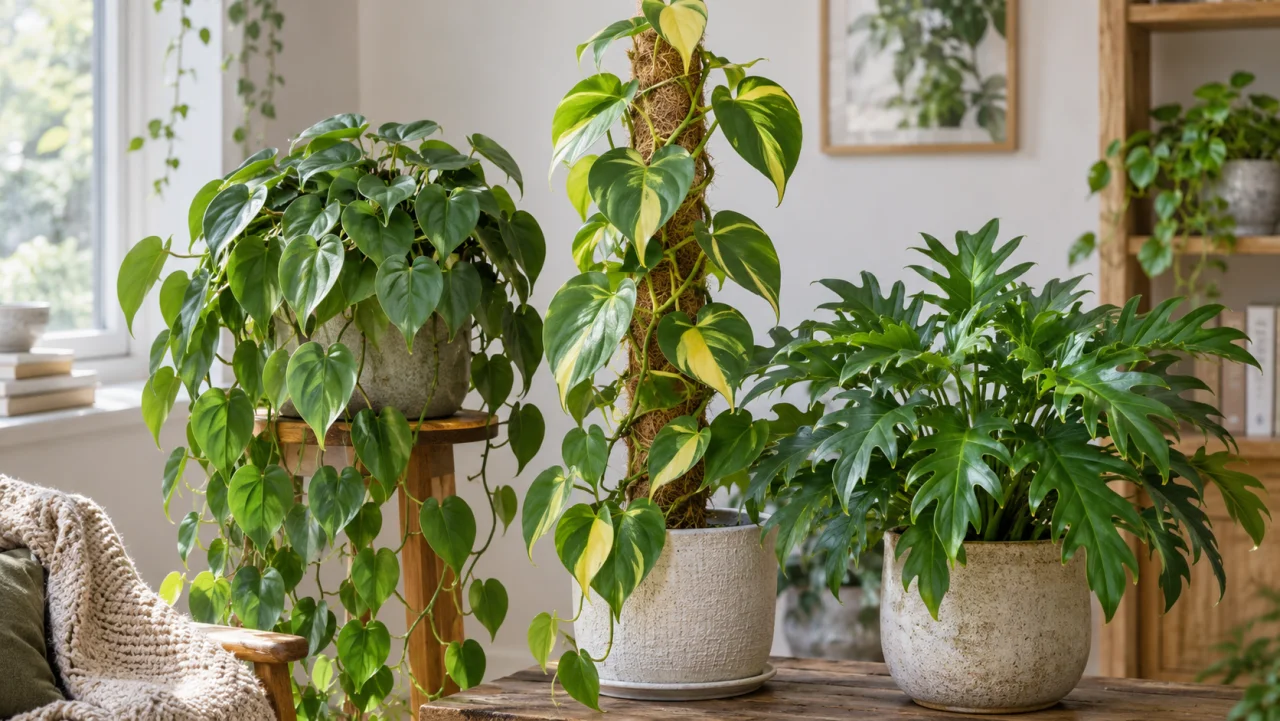
Heartleaf Philodendron Care, Without the Guesswork If you want a trailing houseplant that can handle normal indoor light and a busy routine, heartleaf philodendron is one of the easiest good fits. The main way people get into trouble is simple: watering too often. The quick answer: water when the top 3-4 cm of soil feels dry. In many homes that means every 7-10 days in warm, bright months and every 12-14 days, sometimes longer, in winter. Yellow lower leaves plus wet soil usually mean you are overdoing it. Curling or limp leaves with very dry soil usually mean it is time to water. ...

 · 17 min · 
Indoor Plant Care Guide for Beginners

Indoor Plant Care Guide for Beginners

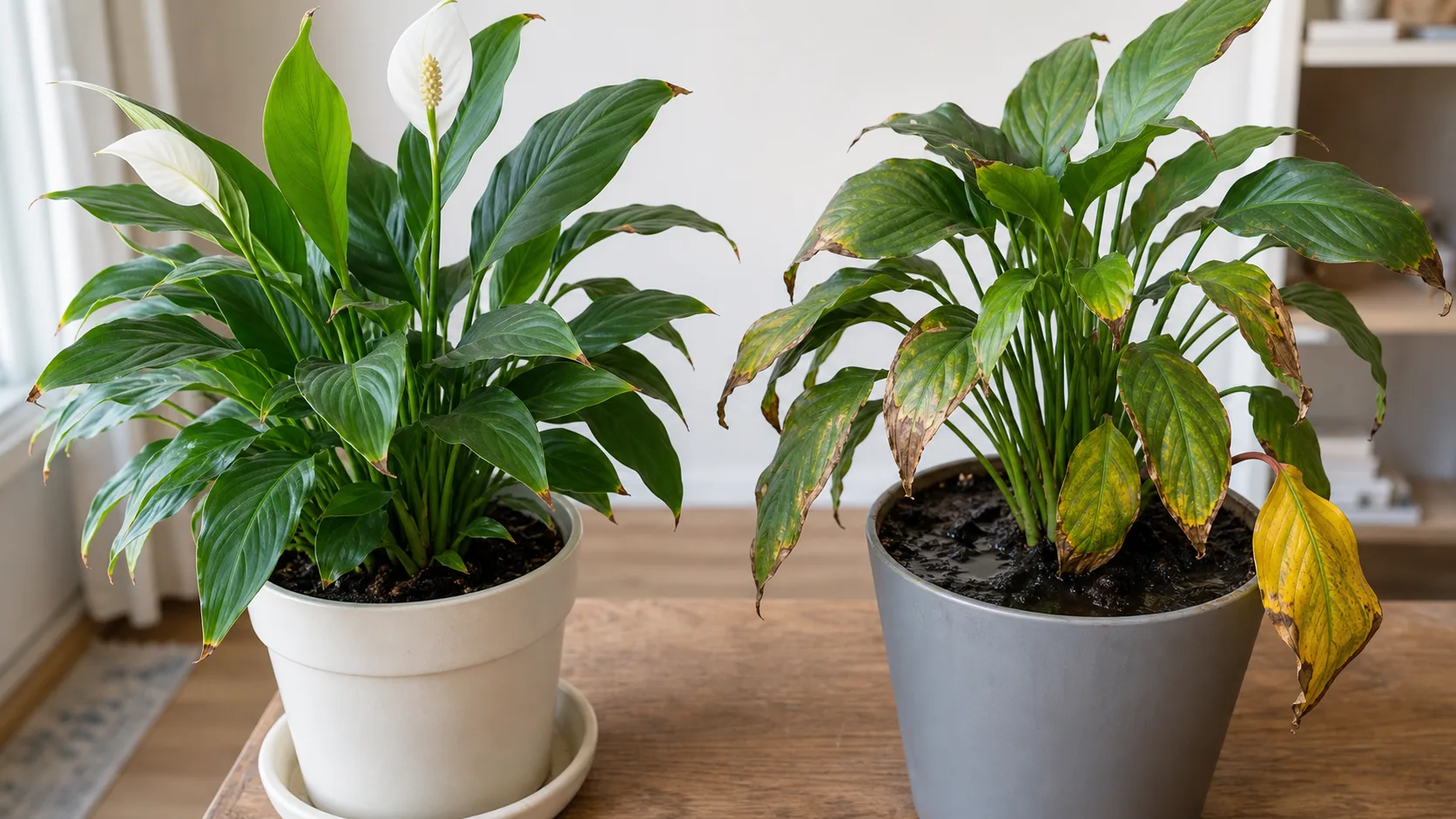
You brought a plant home, found it the perfect spot on the windowsill, and watered it faithfully every few days. And then, slowly, something started going wrong. Maybe the leaves turned yellow. Maybe they drooped. Maybe the plant just quietly stopped looking like itself. If that sounds familiar, you are not doing it wrong. You are just missing a few pieces of the picture, and that is exactly what indoor plant care tips are for. ...

 · 14 min ·