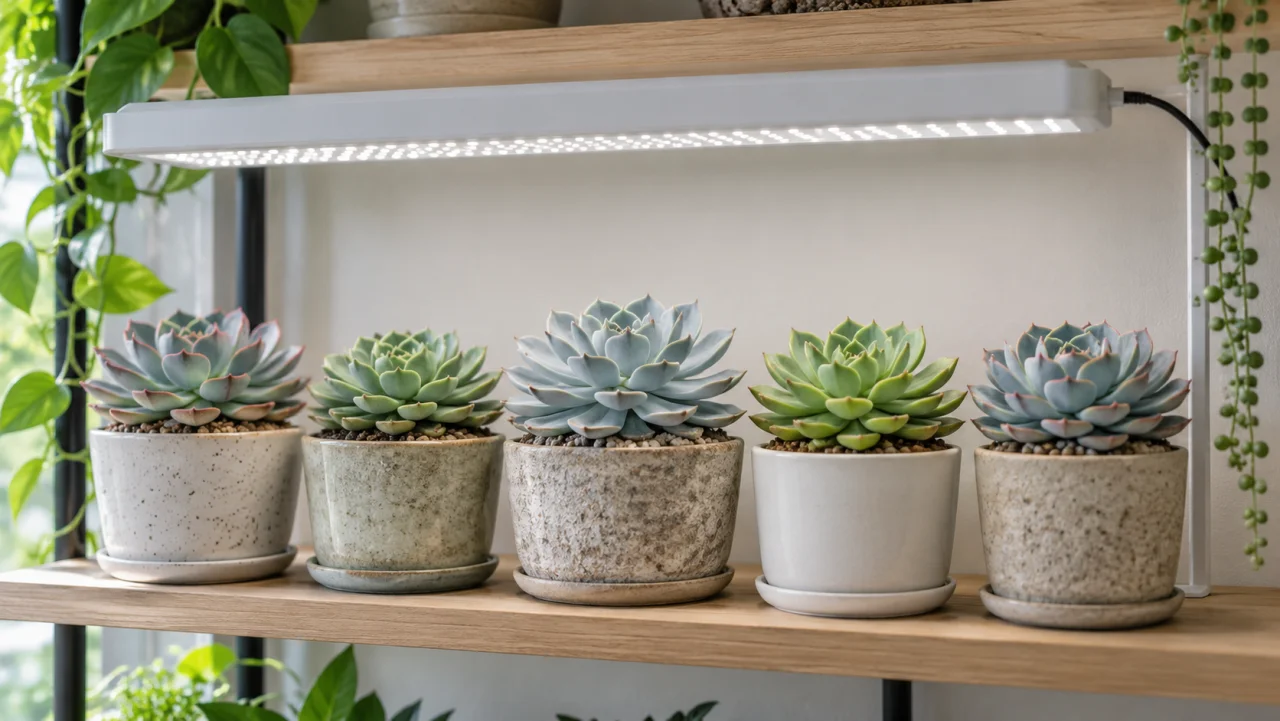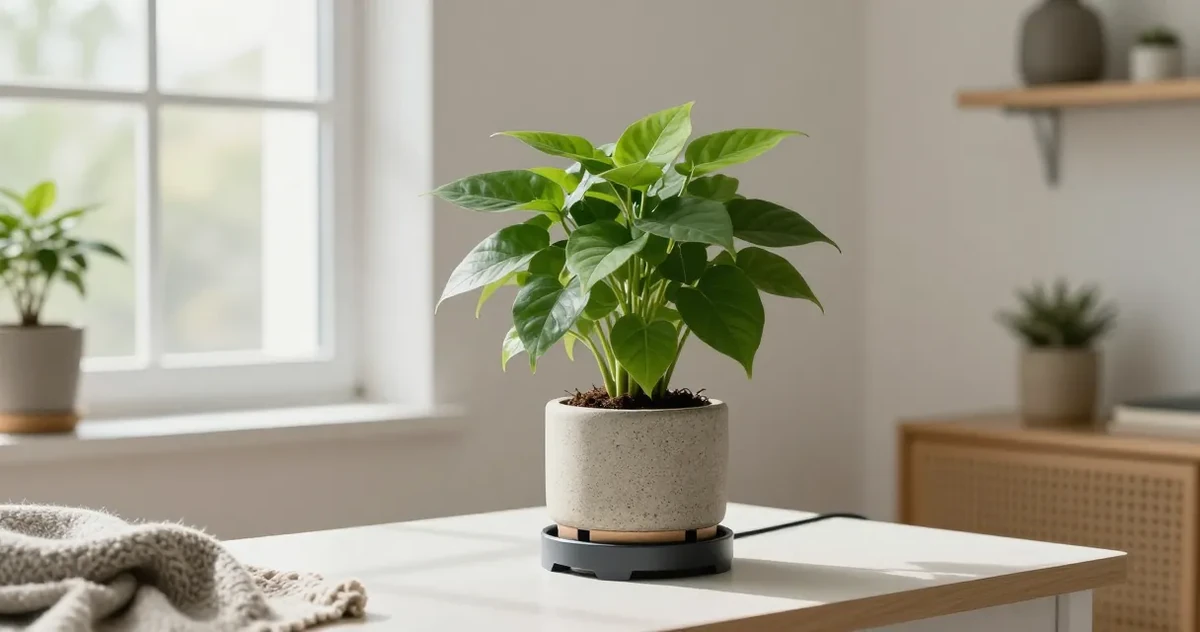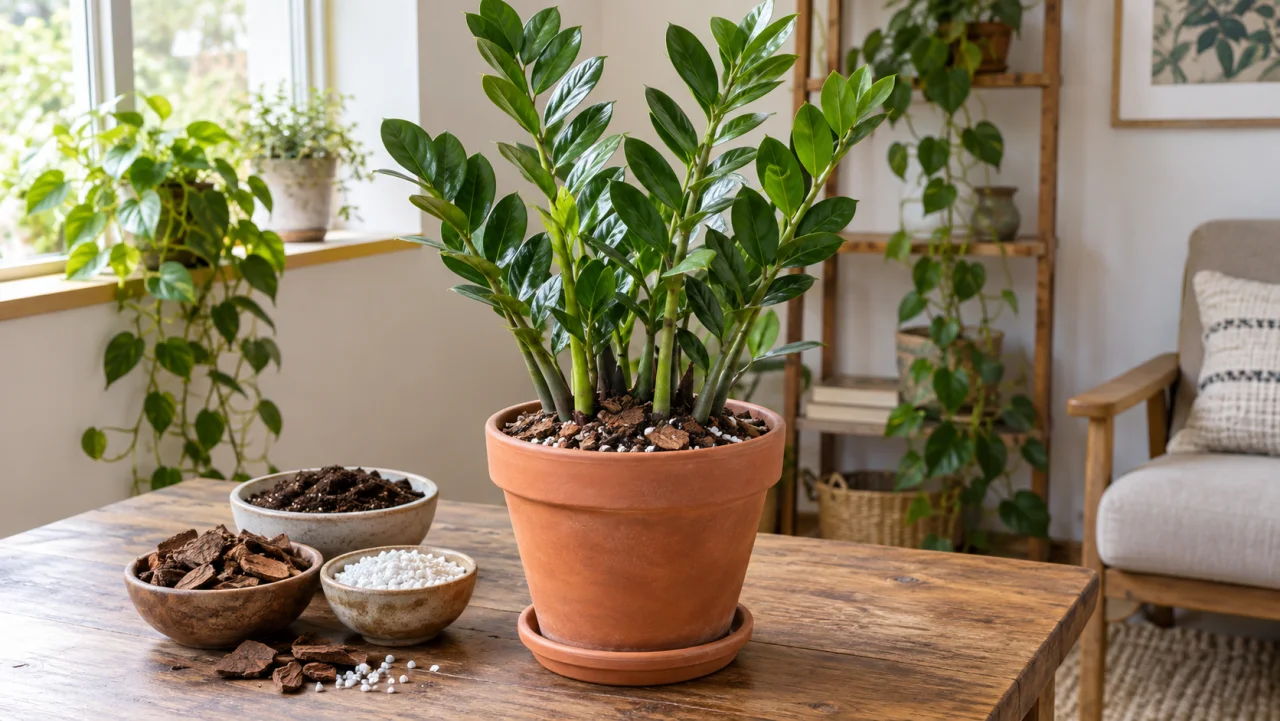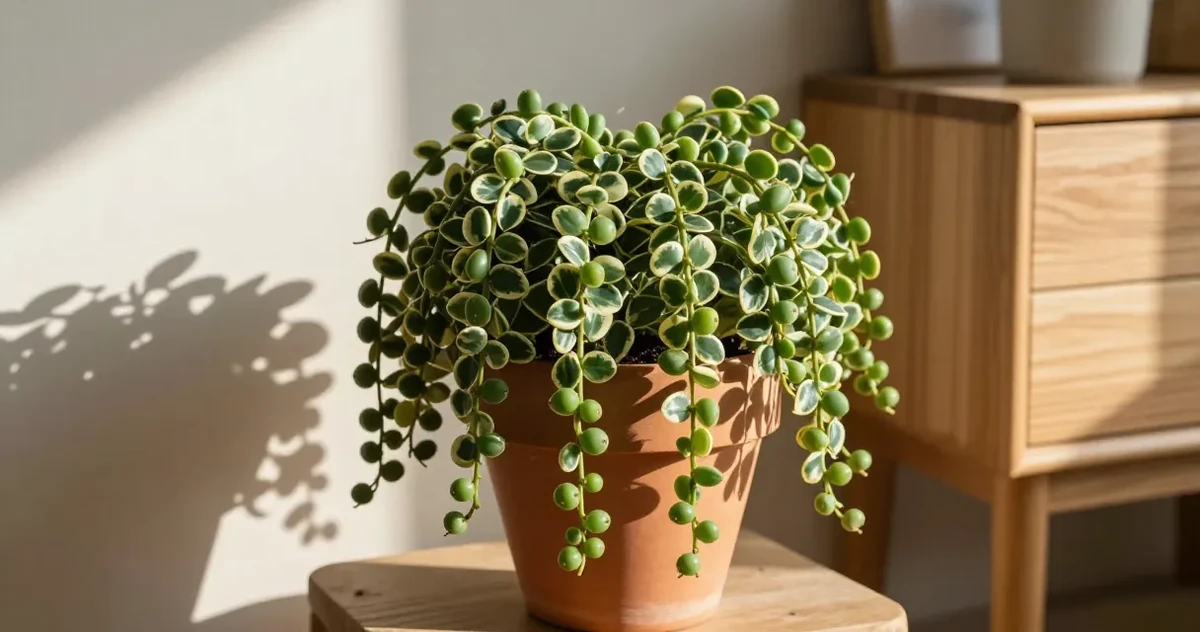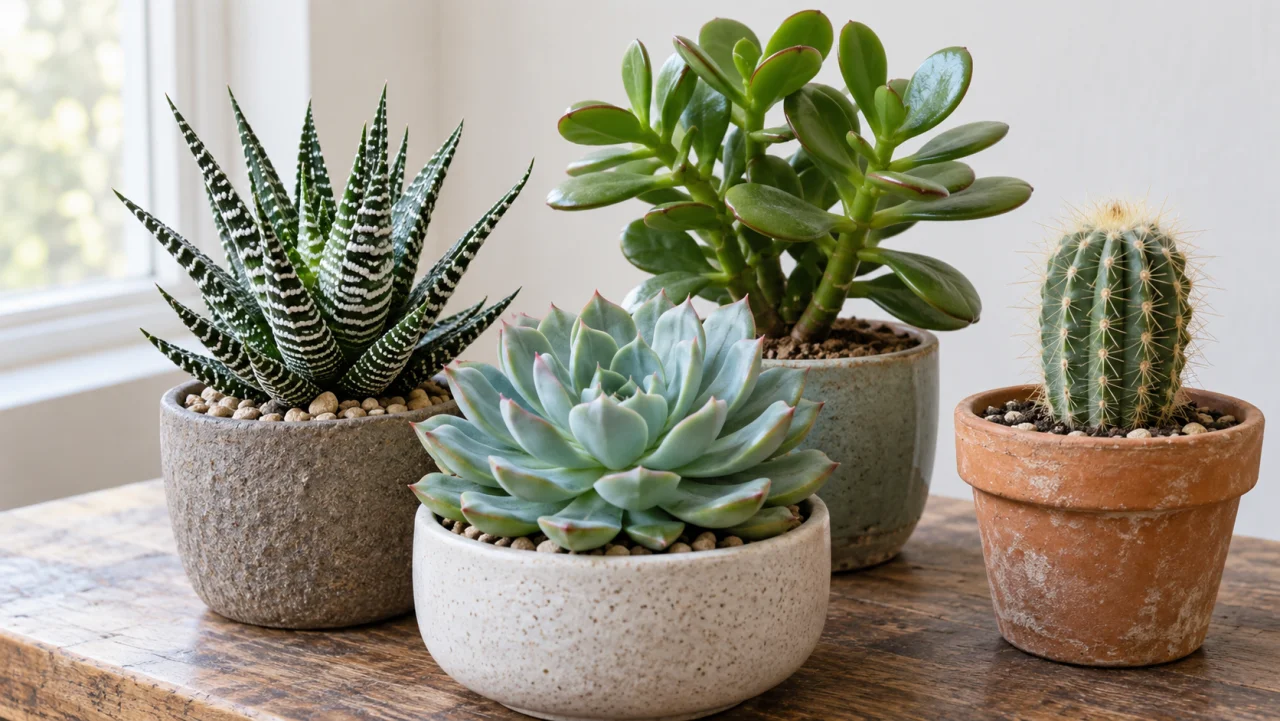
Several common indoor succulents showing different leaf shapes and growth habits

Succulent Identification Guide: How to Recognize Common Types

Someone hands you a succulent cutting, or you bring home an unlabeled pot from a market because the shape caught your eye. Now it is sitting on your windowsill and you want to know what you actually have. Succulent plants identification is more approachable than most guides make it look, as long as you start with the right question. That question is not “which of a thousand species does this match?” It is: “what shape is this plant, and what are its leaves telling me?” ...

 · 17 min · 
Terracotta pots with succulents in fast-draining mineral soil on a bright windowsill

Succulent Soil Guide: The Best Mix for Indoor Succulents

Most succulent problems are not about light or watering frequency. They are about soil that holds moisture just a little too long, and a container that does not let it escape. Succulent soil is the one variable you can control from the start, so it is worth understanding what it needs to do and when a standard bag of cactus mix is enough versus when you need to go further. ...

 · 19 min · 
Several philodendron varieties including heartleaf, Xanadu, and Brasil arranged indoors on shelves and poles

Philodendron Types: The Best Varieties for Indoor Growers

If you’ve ever stood in a garden center staring at a shelf of philodendrons – heart-shaped leaves, velvet leaves, big split leaves, some trailing, some bushy – and thought I have no idea which one I actually want, you’re in very good company. Philodendron types vary so dramatically that two plants with the same name on the tag can look nothing alike once they mature. The clearest way to think about it before you pick anything: philodendrons divide into two main growth habits – trailing or climbing types, and self-heading types. One group wants to vine along a surface or hang from a basket; the other sits upright without any support. That single distinction shapes where the plant can live, whether it needs a pole, and how much space it will eventually claim. ...

 · 21 min · 
Peace lily with brown tips at the ends of its green leaves

Peace Lily Brown Tips: Water, Dry Air, or Root Stress?

You trim one brown tip, then another appears. Meanwhile, your peace lily is still standing upright, opening new leaves, and perhaps even blooming. Is she quietly struggling, or are those crispy ends mostly cosmetic? Peace lily brown tips are dead leaf-edge tissue caused by stress, but the pattern of damage and the moisture inside the pot tell you whether to investigate water quality, fertilizer salts, dry air, inconsistent watering, direct sun, or troubled roots. ...

 · 16 min · 
Small humidifier near a cluster of tropical houseplants on a shelf

Humidifier for Plants: Benefits, Placement, and Risks

You notice crisp brown edges on your calathea, your fern feels papery by evening, and suddenly every care guide tells you the same thing: buy a humidifier. Sometimes that advice is right. Sometimes it sends you chasing the wrong fix while the real problem is light, watering, or roots sitting stressed in tired soil. A humidifier for plants helps only when your room is actually too dry, and the smartest first step is to measure the air before you buy a machine. ...

 · 13 min · 
Peace lily plant with white flowers on a shelf, cat visible in background

Is Peace Lily Toxic to Cats? Peace Lily vs. True Lily

If your cat has been near a peace lily and you are now searching “is peace lily toxic to cats” at midnight, here is what you need first: peace lily is not in the same category as the lilies that cause fatal kidney failure in cats. That distinction matters enormously, and most of the content you will find online does not explain it clearly enough to actually help you decide what to do right now. ...

 · 17 min · 
Heartleaf philodendron trailing from a shelf in a home with a cat nearby

Is Philodendron Toxic to Cats? Symptoms and Alternatives

If your cat just chewed a philodendron leaf, you probably do not need a vague warning. You need to know whether this is a watch-closely moment, a call-the-vet moment, or a drop-everything-and-go moment. The short answer is yes, philodendron is toxic to cats. But the usual problem is not the kind of poisoning people imagine when they hear the word toxic. In most cases, philodendron causes immediate burning and irritation in the mouth and throat because the plant contains insoluble calcium oxalate crystals. That difference matters, because it changes what you should check first. ...

 · 13 min · 
Kalanchoe plant in bloom with clusters of orange flowers on a bright windowsill

Kalanchoe Plant Care: Keep It Healthy and Get It to Rebloom

Kalanchoe plant care comes down to one simple idea: treat it like the succulent it is, and give it a real rest after blooming. Most people bring one home from a grocery store or gift shop, enjoy a month of cheerful flowers, and then watch it slowly decline. That is not the plant failing. It is the plant waiting for a cue that most care guides forget to explain. Kalanchoe blossfeldiana, the florist kalanchoe you find everywhere, is a compact flowering succulent that stores water in its fleshy leaves, blooms in clusters of small bright flowers, and needs bright light and infrequent deep watering to thrive indoors. Where it differs from most other common houseplants is in reblooming: it is a short-day plant, which means it only sets flower buds when it gets extended periods of darkness. That one detail changes how you care for it after the first bloom fades. ...

 · 18 min · 
Majesty palm indoors near a bright window with green arching fronds

Majesty Palm Care Indoors: Light, Water, and Brown Tips

If your majesty palm keeps getting brown tips, yellow lower fronds, or that tired, dusty look no matter how carefully you water, you are probably not missing one magic trick. This palm is simply less forgiving indoors than the store tag usually admits. She wants brighter light, steadier moisture, and better humidity than the average living room gives without help. The good news is that majesty palm decline usually follows a pattern. Once you stop treating every symptom like a watering problem, she gets much easier to read. ...

 · 15 min · 
Ponytail palm with a swollen caudex base and long arching leaves near a bright window

Ponytail Palm Care: Light, Watering, and a Healthy Caudex

Ponytail palm care is simpler than most guides make it sound, but people still run into trouble because the plant gets categorized wrong. It is not a thirsty tropical houseplant. It is a slow-growing, water-storing succulent from the dry scrublands of eastern Mexico, and once you understand that, almost every care decision becomes clearer. The plant’s formal name is Beaucarnea recurvata. That swollen base at the soil line is called the caudex. It is not a decorative feature: it is a water reservoir, which is why this plant can go weeks without being watered and still look perfectly healthy. The challenge is knowing when “drought-tolerant” shades into “actually needs a drink,” and when “let it dry out” becomes “the roots are sitting in wet soil and rotting.” ...

 · 13 min ·