Colorful croton plant with red, orange, yellow, and green patterned leaves near a bright window

Croton Plant Care: Keep the Color and Stop Sudden Leaf Drop

Croton Plant Care: Keep the Color and Stop Sudden Leaf Drop If your croton is dropping leaves or losing that red, orange, and yellow glow she had at the store, you probably do not need more generic tropical plant advice. You need to know which problem you are actually looking at. That is where most croton articles fall short. They tell you to give bright light, even moisture, and humidity, which is true, but they do not help you sort out the real indoor-plant question: did she drop leaves because you watered wrong, because the room is too dim, because a cold draft hit her, because she hates being moved, or because spider mites showed up quietly under the leaves? ...

 · 13 min · 
Healthy Christmas cactus stem segments set aside to callus before propagation

Christmas Cactus Propagation: Root Cuttings Without Rot

Christmas cactus propagation usually fails in one quiet moment: the cutting is still alive, but it sits in more moisture than it can handle before roots ever form. If you are here with a broken piece in your hand, or a leggy plant you want to turn into two, that is the real job. Not just getting roots, but getting a firm healthy segment through its most rot-prone week. The good news is that holiday cacti are generous plants. The Royal Horticultural Society says, “It’s very easy to take cuttings from Christmas cacti,” and NC State notes that holiday cactus types are easily propagated by stem cuttings. What most quick guides miss is the practical question real plant owners ask first: is this piece even worth rooting, and what setup gives it the safest start in your home? ...

 · 16 min · 
Christmas cactus with pink blooms in a terracotta pot on a windowsill

Christmas Cactus Care: Watering, Light, and Repeat Blooms

If your Christmas cactus is dropping buds before they open, or you have been treating it like a succulent and wondering why it looks unhappy, the problem almost always starts with a single misconception: this plant is not a desert cactus. If you need a contrast point for true dry-soil plants, our succulent care guide shows the very different watering rhythm that holiday cacti do not want. Christmas cactus care becomes a lot easier once you understand what it actually is: a tropical epiphyte from the coastal rainforests of southeastern Brazil, where it grows wedged in the notches of trees under filtered canopy light, drawing moisture from humid air and organic debris. That one fact changes how you water it, where you place it, and how you get it to bloom again every year. ...

 · 16 min · 
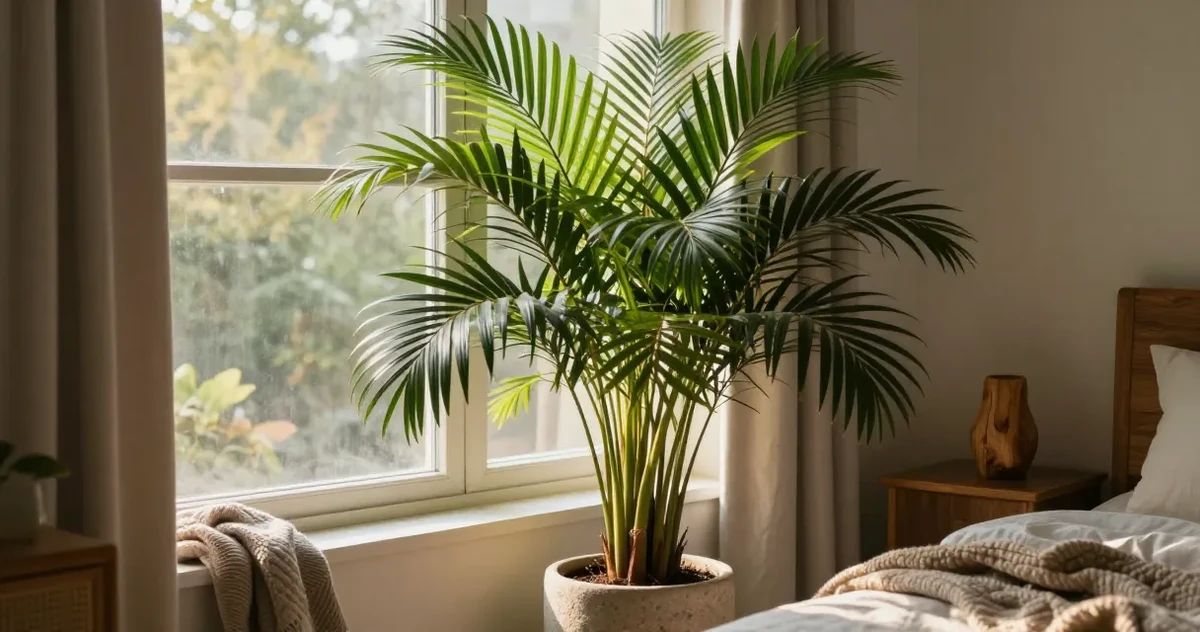
Areca palm with arching fronds in bright indirect indoor light

Areca Palm Care Indoors: Light, Water, and Yellow Leaves

Here is something most areca palm owners discover the hard way: this plant is forgiving enough to survive most beginner mistakes. That is also what makes the cosmetic frustration so confusing. The fronds start browning at the tips. A few leaves turn yellow. The whole plant looks a little off, but it does not collapse, and you cannot tell whether you are doing something wrong or just looking too closely. ...

 · 14 min · 
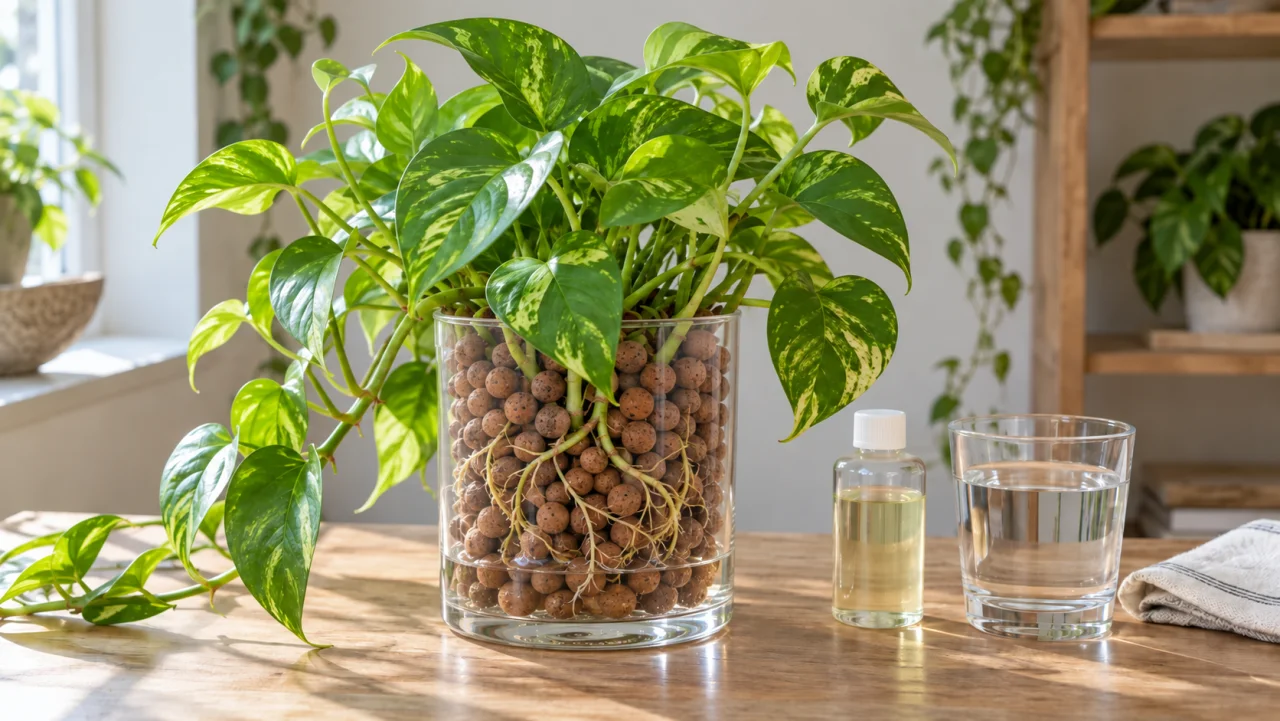
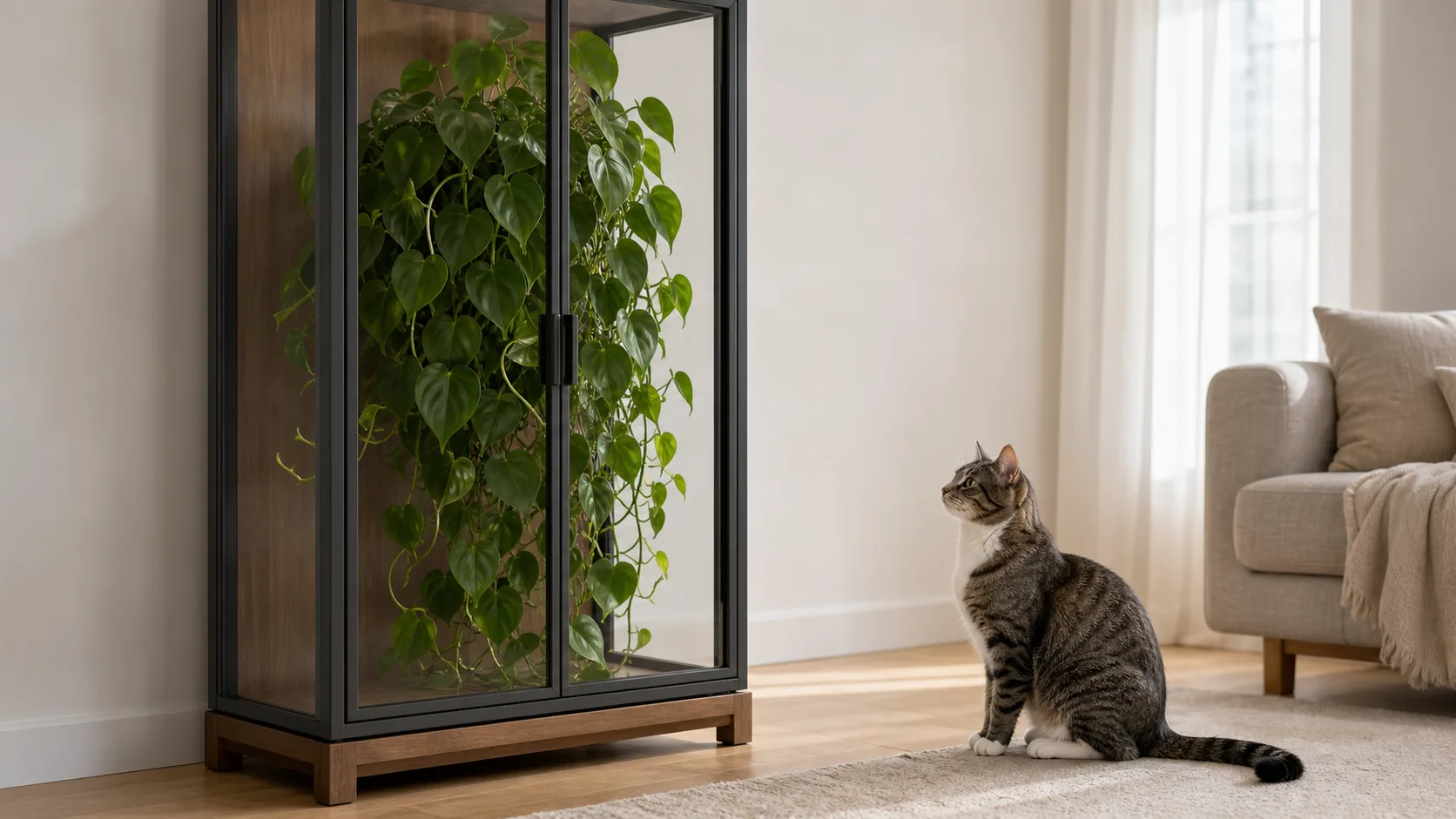
Are Pothos Toxic to Cats? Symptoms and Safer Next Steps

Are Pothos Toxic to Cats? Symptoms and Safer Next Steps

If your cat just bit a pothos leaf and now she is drooling, licking her lips, or looking deeply offended by her own mouth, I know how fast this search turns scary. The short answer is yes, pothos is toxic to cats, but the usual problem is not the same kind of emergency people picture when they hear about true lilies. In most cases, pothos causes painful mouth and throat irritation from insoluble calcium oxalate crystals. ...

 · 11 min · 
A white moth orchid on a windowsill with a curious cat nearby

Are Orchids Toxic to Cats? What to Check After a Bite

If you searched this because your cat just took a bite out of your orchid, take a breath first. The short answer is reassuring: the common household orchid, the kind you find at a grocery store or garden center, is not considered toxic to cats. But that answer leaves out everything that actually matters when you are standing there watching your cat lick a petal. The real question is not just is this plant toxic. It is why does my cat look uncomfortable anyway, and what should I do right now. ...

 · 16 min · 
Scale insects clustered on a plant stem, showing the characteristic bumpy, waxy appearance of an infestation

Scale Insects on Plants: Identification and Treatment Guide

You wipe the plant down, pick off every visible bump, spray it with insecticidal soap. Three weeks later, the stickiness is back. You missed something, and the generic guides do not tell you what. Scale insects are small sap-sucking bugs that attach to plant stems and leaves under a hardened or waxy covering, making them look like part of the plant rather than an infestation. What most guides skip is the part that explains why so many people treat the same plant three or four times without ever fully clearing the problem: scale has a life stage – the crawler – that most contact products miss, and the two main types respond to completely different treatments. ...

 · 20 min · 
Polka dot plant with pink spotted leaves in bright indirect light

Polka Dot Plant Care: Light, Water and Leggy Growth Fixes

The polka dot plant (Hypoestes phyllostachya) is one of those plants that looks impossibly cheerful on the shelf at the garden center, tiny spotted leaves in pink, red, white, or burgundy against deep green, and then quietly turns into a tall, leggy disappointment about two months after you bring it home. If that sounds familiar, you’re not doing anything terribly wrong. It just needs a specific kind of care that most generic guides skim past. ...

 · 16 min · 
Rubber plant with yellowing lower leaves in an indoor setting

Rubber Plant Dropping Leaves: Causes and Fixes

Rubber Plant Dropping Leaves: Causes and Fixes If your rubber plant is dropping leaves and you can’t work out why, you’re not alone. Ficus elastica leaf drop is one of those problems that looks sudden - the plant seemed fine last week, and now there are leaves on the floor and nothing in the pot looks visibly wrong. Here is the part most articles skip over: rubber plants don’t drop leaves because of one fixed condition they’ve been living in for months. They drop leaves in response to change. A new location, a seasonal shift, a watering habit that drifted after an overwatering scare - something happened before the first leaf fell. Find the change and you’ve already solved half the problem. ...

 · 18 min · 
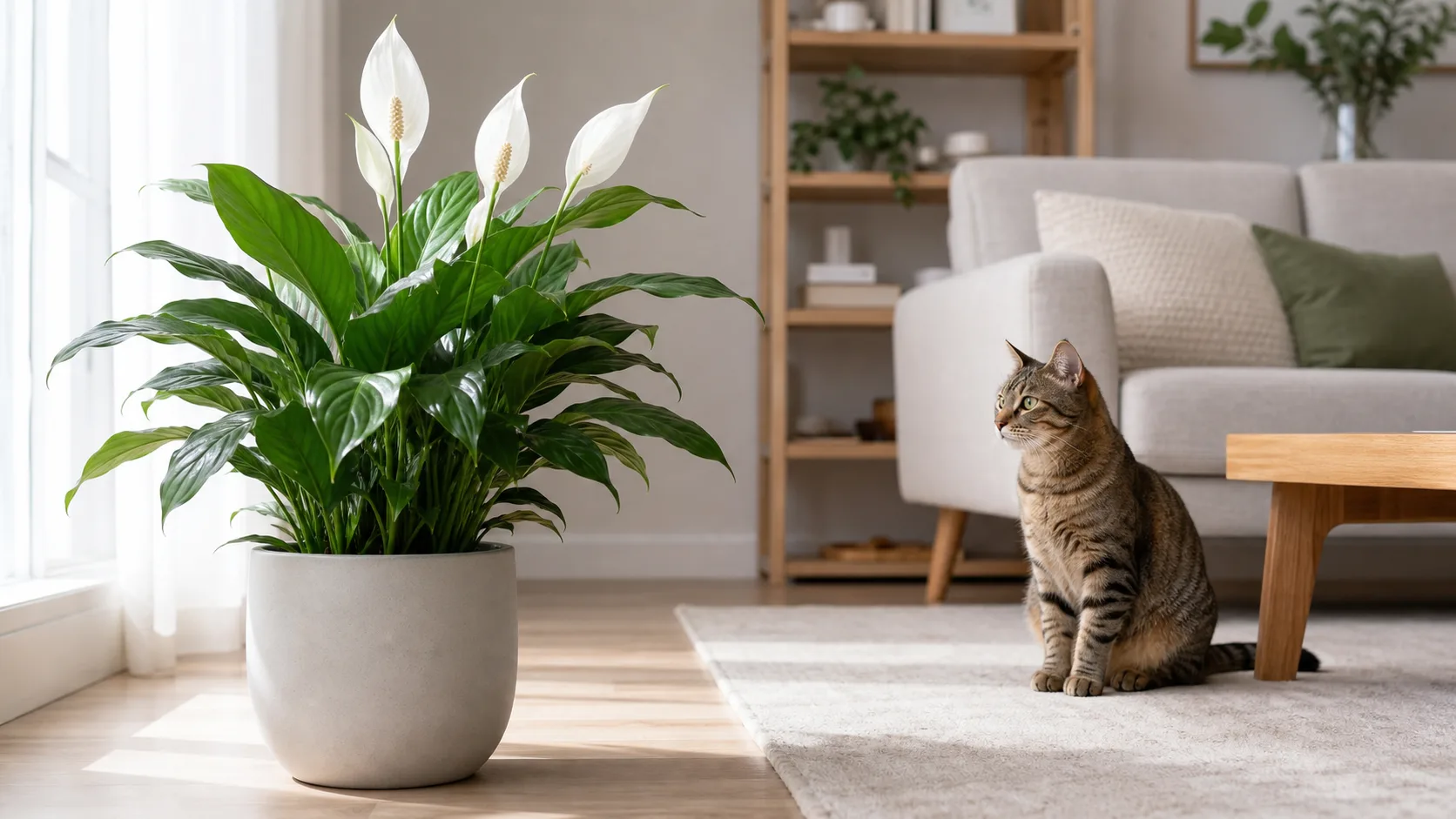
Peace lily with white spathes growing indoors in a bright room

Peace Lily Care Guide: How to Grow Spathiphyllum Indoors

If your peace lily drooped while you were at work and then perked right back up after a drink of water, you already understand this plant’s most defining trait. Peace lily care is built around one central skill: learning to read your plant instead of following a fixed schedule. A peace lily (Spathiphyllum) is a tropical foliage plant that produces elegant white sail-shaped blooms indoors, as long as you match its light, watering, and humidity needs to what it actually signals rather than what a calendar tells you. ...

 · 20 min ·