Are Pothos Toxic to Cats? Symptoms and Safer Next Steps

Are Pothos Toxic to Cats? Symptoms and Safer Next Steps

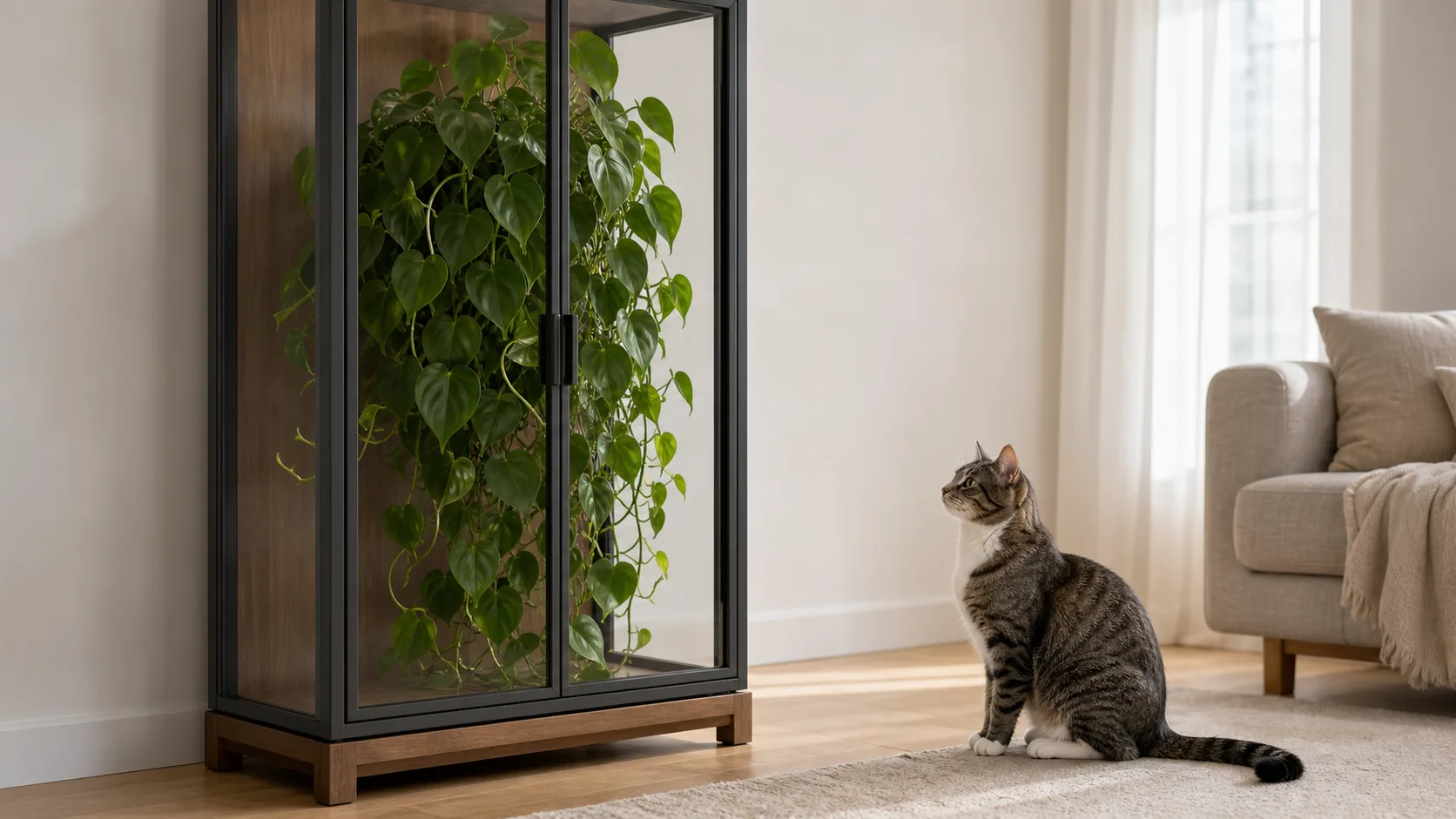
If your cat just bit a pothos leaf and now she is drooling, licking her lips, or looking deeply offended by her own mouth, I know how fast this search turns scary. The short answer is yes, pothos is toxic to cats, but the usual problem is not the same kind of emergency people picture when they hear about true lilies. In most cases, pothos causes painful mouth and throat irritation from insoluble calcium oxalate crystals. ...

 · 11 min · 
A white moth orchid on a windowsill with a curious cat nearby

Are Orchids Toxic to Cats? What to Check After a Bite

If you searched this because your cat just took a bite out of your orchid, take a breath first. The short answer is reassuring: the common household orchid, the kind you find at a grocery store or garden center, is not considered toxic to cats. But that answer leaves out everything that actually matters when you are standing there watching your cat lick a petal. The real question is not just is this plant toxic. It is why does my cat look uncomfortable anyway, and what should I do right now. ...

 · 16 min · 
Scale insects clustered on a plant stem, showing the characteristic bumpy, waxy appearance of an infestation

Scale Insects on Plants: Identification and Treatment Guide

You wipe the plant down, pick off every visible bump, spray it with insecticidal soap. Three weeks later, the stickiness is back. You missed something, and the generic guides do not tell you what. Scale insects are small sap-sucking bugs that attach to plant stems and leaves under a hardened or waxy covering, making them look like part of the plant rather than an infestation. What most guides skip is the part that explains why so many people treat the same plant three or four times without ever fully clearing the problem: scale has a life stage – the crawler – that most contact products miss, and the two main types respond to completely different treatments. ...

 · 20 min · 
Polka dot plant with pink spotted leaves in bright indirect light

Polka Dot Plant Care: Light, Water and Leggy Growth Fixes

The polka dot plant (Hypoestes phyllostachya) is one of those plants that looks impossibly cheerful on the shelf at the garden center, tiny spotted leaves in pink, red, white, or burgundy against deep green, and then quietly turns into a tall, leggy disappointment about two months after you bring it home. If that sounds familiar, you’re not doing anything terribly wrong. It just needs a specific kind of care that most generic guides skim past. ...

 · 16 min · 
Rubber plant with yellowing lower leaves in an indoor setting

Rubber Plant Dropping Leaves: Causes and Fixes

Rubber Plant Dropping Leaves: Causes and Fixes If your rubber plant is dropping leaves and you can’t work out why, you’re not alone. Ficus elastica leaf drop is one of those problems that looks sudden - the plant seemed fine last week, and now there are leaves on the floor and nothing in the pot looks visibly wrong. Here is the part most articles skip over: rubber plants don’t drop leaves because of one fixed condition they’ve been living in for months. They drop leaves in response to change. A new location, a seasonal shift, a watering habit that drifted after an overwatering scare - something happened before the first leaf fell. Find the change and you’ve already solved half the problem. ...

 · 18 min · 
Peace lily with white spathes growing indoors in a bright room

Peace Lily Care Guide: How to Grow Spathiphyllum Indoors

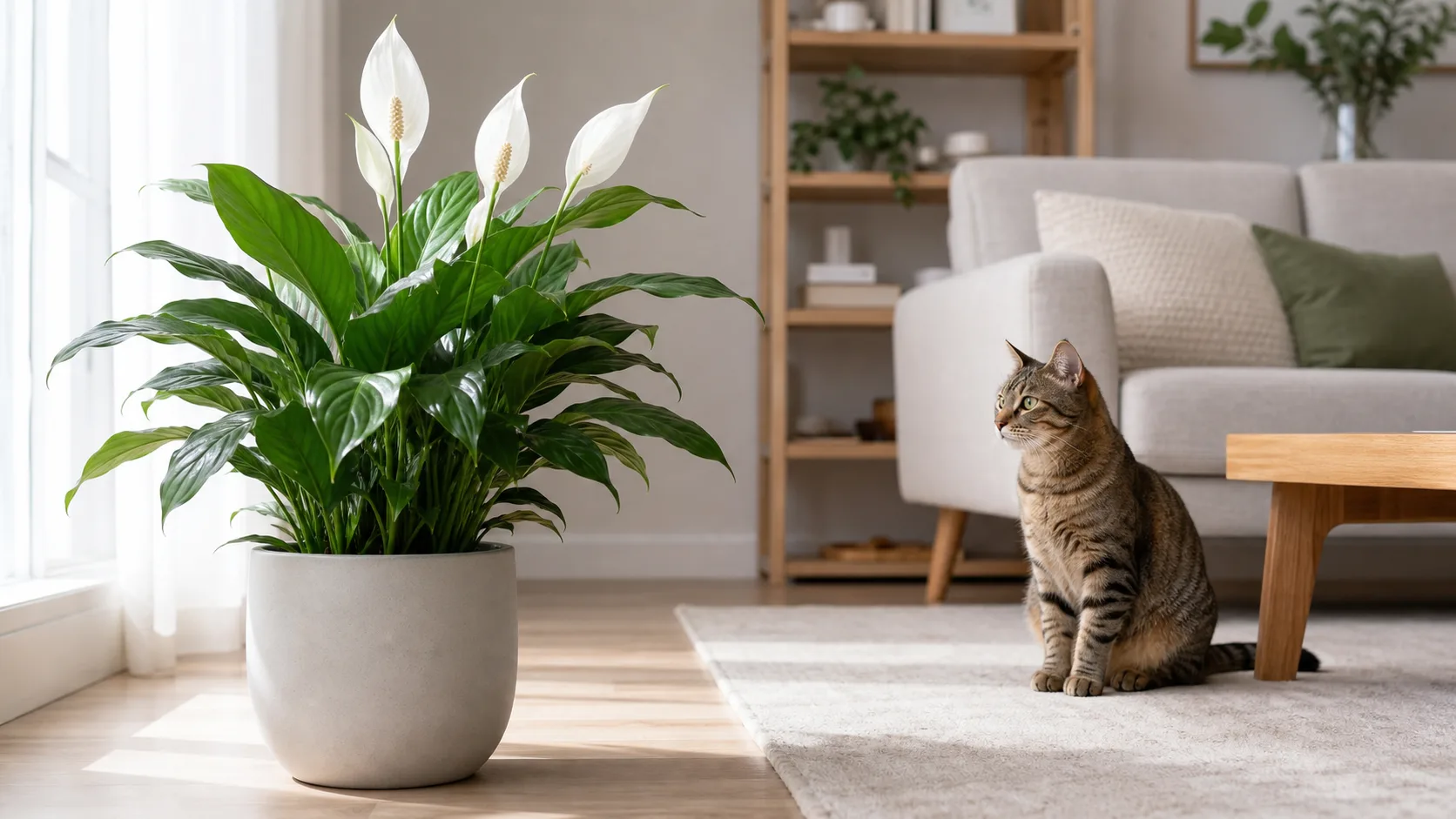
If your peace lily drooped while you were at work and then perked right back up after a drink of water, you already understand this plant’s most defining trait. Peace lily care is built around one central skill: learning to read your plant instead of following a fixed schedule. A peace lily (Spathiphyllum) is a tropical foliage plant that produces elegant white sail-shaped blooms indoors, as long as you match its light, watering, and humidity needs to what it actually signals rather than what a calendar tells you. ...

 · 20 min · 
Orchid roots in chunky bark potting mix showing healthy silver-green color

Orchid Soil Guide: Bark, Moss and the Best Potting Mix

If you’ve ever brought an orchid home and wondered what on earth it was sitting in, you’re not alone. That mix of bark chunks, moss, and sometimes what looks like nothing but a clear plastic cup? That’s not a mistake. Orchid soil is really a drainage and airflow system, not a growing medium in the traditional sense. Orchids don’t live in soil in the wild. They cling to tree bark, and their roots expect light, air, and fast drying between waterings. ...

 · 22 min · 
Houseplant leaf with visible spots and discoloration showing common disease symptoms

Houseplant Diseases: Identify Spots, Rot, Mildew and Wilting

Something is wrong with your plant and the leaves are telling you, but they’re not speaking plainly. Yellow patches, brown spots, white dust, a stem that suddenly feels soft. You searched “houseplant diseases” hoping for a clear answer and instead found a dozen articles listing every disease in alphabetical order, none of which quite match what’s in front of you. Here’s a more useful starting point: a houseplant disease is any infectious or environmental condition that damages plant tissue in a repeating pattern – but most indoor plant problems are not infectious at all. They look like disease. They feel like disease. But they’re actually stress responses to watering habits, light levels, or drainage problems that mimic the real thing exactly. ...

 · 17 min · 
Phalaenopsis orchid after blooming, with bare spike and healthy green leaves

Orchid Care After Flowering: What to Do When Blooms Fall Off

What to Do After Your Orchid Flowers Fall Off One day your orchid is covered in blooms. A few weeks later the last flower drops, and you are standing in front of a bare green stick wondering whether you killed it or whether it is going to be fine. The honest answer: it is almost certainly fine. But what you do in the next few months is what separates orchids that rebloom reliably from orchids that sit on a windowsill for years – looking completely healthy, never flowering again. ...

 · 20 min · 
Monstera leaf showing fenestration holes and splits along the midrib

Why Doesn't My Monstera Have Holes? How to Get Fenestration

You got a monstera for those dramatic, Swiss-cheese leaves, and yours keeps pumping out big, smooth, completely solid ovals. The plant looks healthy. It’s growing. But month after month, still no holes, no splits, nothing even close to the photos you saved before buying it. The confusing part is that a healthy, growing monstera with no holes isn’t obviously broken. So you’re left wondering whether to change the light, repot it, buy a moss pole, start fertilizing, or just wait. And most of what you find online tells you to “give it more light” without explaining why, or whether that’s even your actual problem. ...

 · 22 min ·