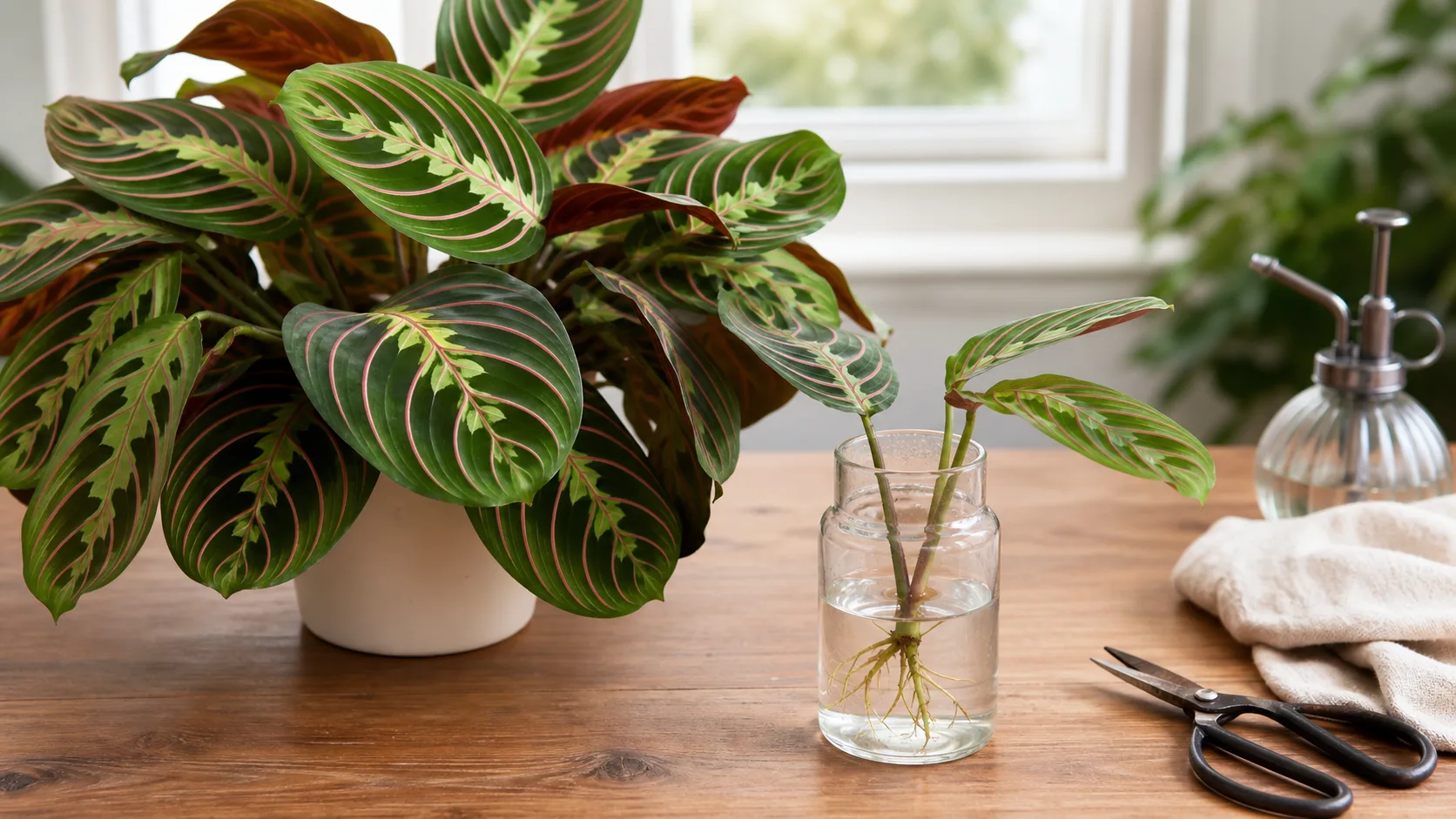
A collection of dog-friendly houseplants on a bright windowsill

25 Dog-Friendly Houseplants That Are Safe for Dogs

You found a plant you love, looked it up, and your heart sank. Pothos: toxic. Peace lily: toxic. Snake plant: toxic. If you have a dog at home, finding genuinely dog-friendly plants you can keep without anxiety is more work than it should be. This list is the shortcut. Every plant here is confirmed non-toxic to dogs and grouped by where they’ll fit your actual home: low-light rooms, high shelves, empty floor corners, or small desks. Twenty-five plants, organized by where they live best. ...

 · 16 min · 
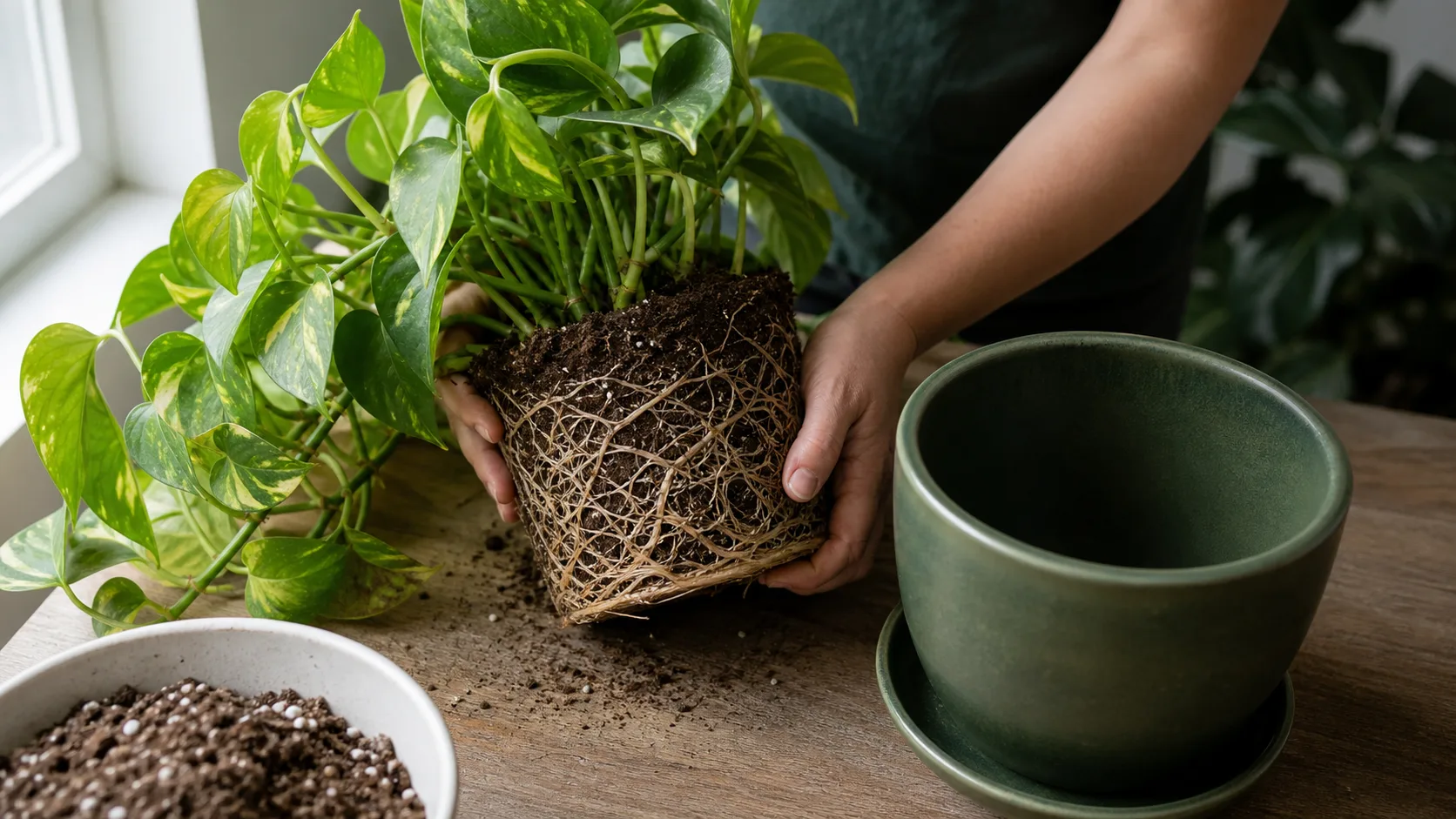
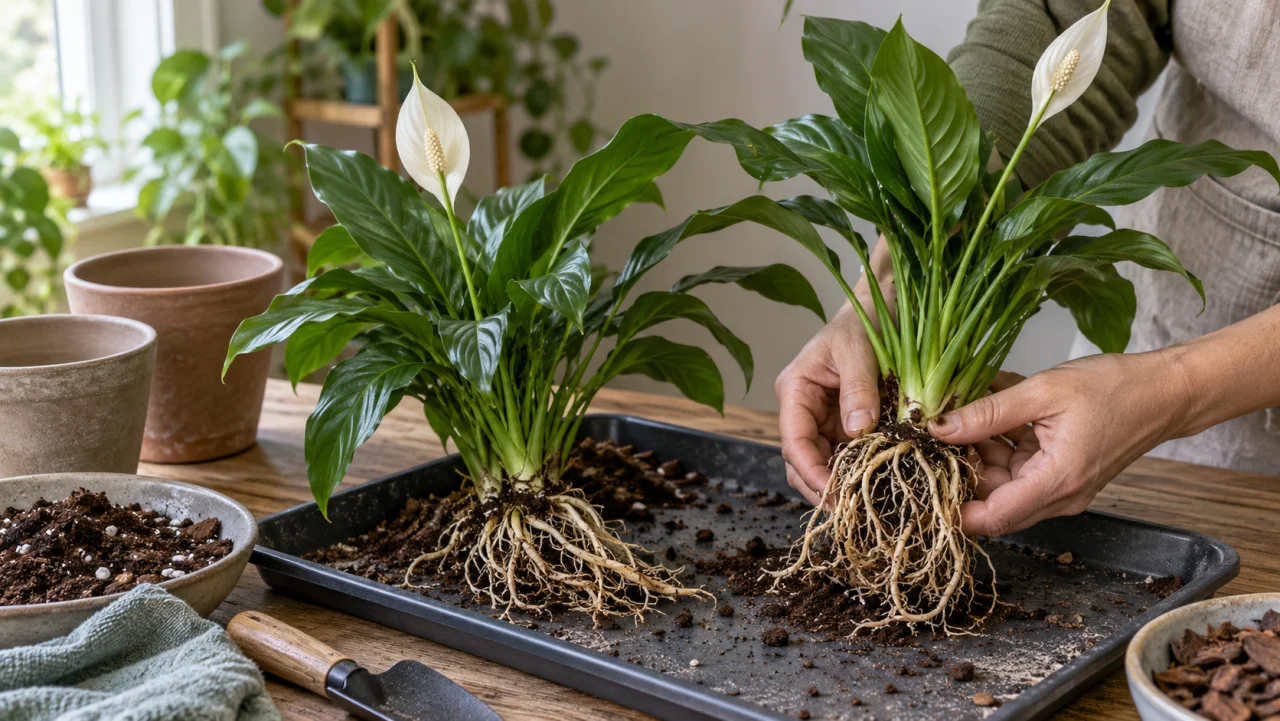
Monstera plant being removed from pot to inspect roots for signs of root rot

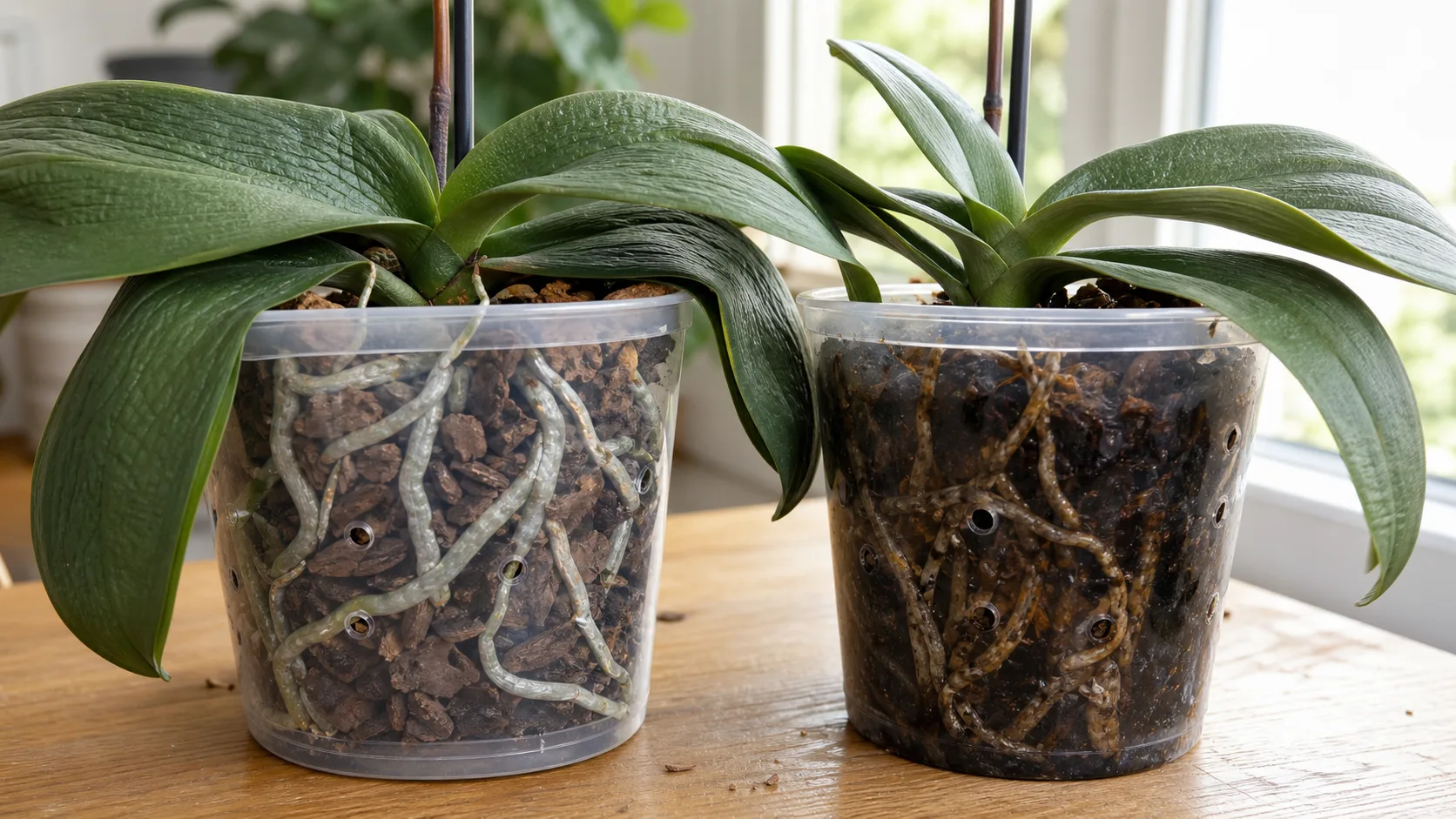
Monstera Root Rot: How to Save Your Plant Step by Step

Your monstera looked fine last week. Now the leaves are yellowing, the soil feels permanently damp, and you have that sinking feeling something has gone wrong underground. If that sounds familiar, you might be dealing with monstera root rot - and catching it now, even before you are certain, gives you a real chance to save her. Monstera root rot is what happens when roots sit in waterlogged soil long enough that they can no longer take in oxygen. Without oxygen, roots stop functioning and begin to decay. The plant above the soil can look fine at first, then drop fast - which is exactly why so many owners get caught off guard. ...

 · 18 min · 
Houseplant leaf with bleached white patch from direct sunlight

Plant Sunburn: Signs, Treatment and How to Prevent It

You moved your pothos closer to the window on a sunny afternoon, or brought a new plant home from the nursery and set it on the sill. A few days later you spot it: a pale, washed-out patch on a leaf. Or a crispy brown edge that definitely wasn’t there before. Your first thought is that you’ve done something wrong, and now you’re trying to figure out what before it spreads. ...

 · 18 min · 
Snake plant with drooping leaves leaning to one side

Snake Plant Drooping: 6 Causes and How to Fix It Fast

Your snake plant has been perfectly fine for months, and now the leaves are leaning, bending, or going soft. The first instinct is usually to water it, check for root rot, or move it closer to the window. The trouble is that all three reactions can make things worse if you guess wrong. Snake plant drooping usually comes from one of a small set of causes: root trouble, thirsty soil, top-heavy growth, crowding, light imbalance, or recent stress. The right fix depends on which one you actually have. The diagnosis step is not optional here. ...

 · 11 min · 
Houseplant with curling leaves on a wooden surface

Plant Leaves Curling: Every Cause and How to Fix It

You noticed the leaves curling a few days ago. Maybe you watered it – that seemed like the right call. The curl got worse. Or you held off, waited it out, and nothing improved either way. Now you are looking at the plant and genuinely not sure what you did wrong or what to try next. That uncertainty is not a gap in your plant knowledge. It is a gap in most plant advice. The two most common causes of curling leaves – genuine thirst and waterlogged roots – look nearly identical from above. Both produce inward curl, softening leaves, and a plant that just looks wrong. The fix for one is the exact opposite of the fix for the other, so treating the wrong cause does not just delay recovery. It makes the problem worse. ...

 · 18 min · 
Close-up of houseplant soil showing tiny insects on the surface

Tiny Bugs in Houseplant Soil: ID and How to Get Rid of Them

You pull back the leaves, glance at the soil, and see something moving. Something tiny. Something that was definitely not there last week. Before you do anything, take a breath. Most tiny bugs in houseplant soil are either harmless or very fixable once you know what you are actually dealing with. The problem is that most people skip the identification step and reach for whatever spray or drench they have on hand. And the wrong treatment either does nothing, or stresses the plant while the real problem continues underground. ...

 · 19 min · 
Indoor plants for low light arranged near a shaded north-facing window

15 Best Indoor Plants for Low Light (That Actually Thrive)

The thing nobody tells you when you start looking for low-light plants: the list you find online is almost always the same fifteen names, with no explanation of which ones actually look presentable after six months in a dim corner versus which ones merely survive there. That’s the gap this guide tries to close. Not just which plants tolerate low light, but which ones hold up well enough to be worth the shelf space – and which room conditions are realistic versus which setups need a different plan entirely. ...

 · 20 min · 
Snake plant with yellowing lower leaves in a terracotta pot

Snake Plant Yellow Leaves: Every Cause and Fix

Snake plant yellow leaves are one of those problems that look obvious until you try to fix them the wrong way. You see a yellow leaf, assume the plant is thirsty, water it, and things get worse. Or you’ve heard the “snake plants hate water” advice, cut back drastically, and the plant goes from yellow to papery and limp. If the main symptom is leaning or collapse rather than color change, the snake plant drooping guide is the faster diagnostic path. Both happen regularly, and both are avoidable once you know how to read the actual symptom pattern before you reach for the watering can. ...

 · 18 min · 
Wiping dust off a large monstera leaf with a damp cloth

How to Clean Plant Leaves: Methods That Actually Work

How to Clean Plant Leaves: Methods That Actually Work Most of us notice it at the same moment: the afternoon light hits your monstera or fiddle-leaf fig just right, and you realize the leaves are coated in a fine grey film you somehow never noticed before. Knowing how to clean plant leaves properly is one of those small-but-real care habits that makes a noticeable difference over time, both for how your plants look and how well they actually grow. ...

 · 15 min · 
Mint plant growing in a wide pot on a bright sunny windowsill

How to Grow Mint Indoors: Care, Harvesting and Varieties

How to Grow Mint Indoors: Care, Harvesting and Varieties Your mint looked great for a few months. Now it’s leggy, the center looks exhausted, and no amount of watering seems to help. If that sounds familiar, the problem almost certainly isn’t your care routine – it’s what most mint plant care guides never actually explain about how mint behaves in a container. Mint is a fast-growing perennial that spreads through underground runners called rhizomes. In a garden bed it can take over everything around it. In a pot, that same energy has nowhere to go – so it cycles through the root mass, exhausts the center, and starts declining from the inside out. More water and fertilizer don’t fix this. Division does. ...

 · 18 min ·