Aloe vera plant with small offsets growing around the base in a terracotta pot

How to Grow Aloe Vera From a Leaf: What Works and What Fails

You have an aloe leaf. Maybe it snapped off when you moved the pot, maybe you deliberately pulled one after seeing a succulent propagation tutorial and thinking this should work the same way. Then the waiting started. The leaf stayed green but did nothing, or the base slowly turned soft while the rest still looked fine. Here is the part most articles soften: a detached aloe vera leaf is a low-odds propagation piece, not the reliable method. If your plant has pups or offsets at the base, use those instead. If a lone leaf is all you have, treat it like a rescue experiment, not a guaranteed route to a new plant. ...

 · 12 min · 
Houseplant with drooping and limp leaves on a windowsill

Drooping Plant Leaves: How to Diagnose the Real Cause

You come home and something has changed. The plant that was holding itself upright yesterday is now hanging forward, leaves soft and heavy. Before you’ve finished thinking about it, your hand is already reaching for the watering can. That instinct makes complete sense. It’s also the reason a lot of plants end up in worse shape than they started. Drooping leaves are a distress signal, not an instruction to water. They tell you something is wrong. They don’t tell you what. And the fix looks completely different depending on which problem you’re actually dealing with. ...

 · 17 min · 
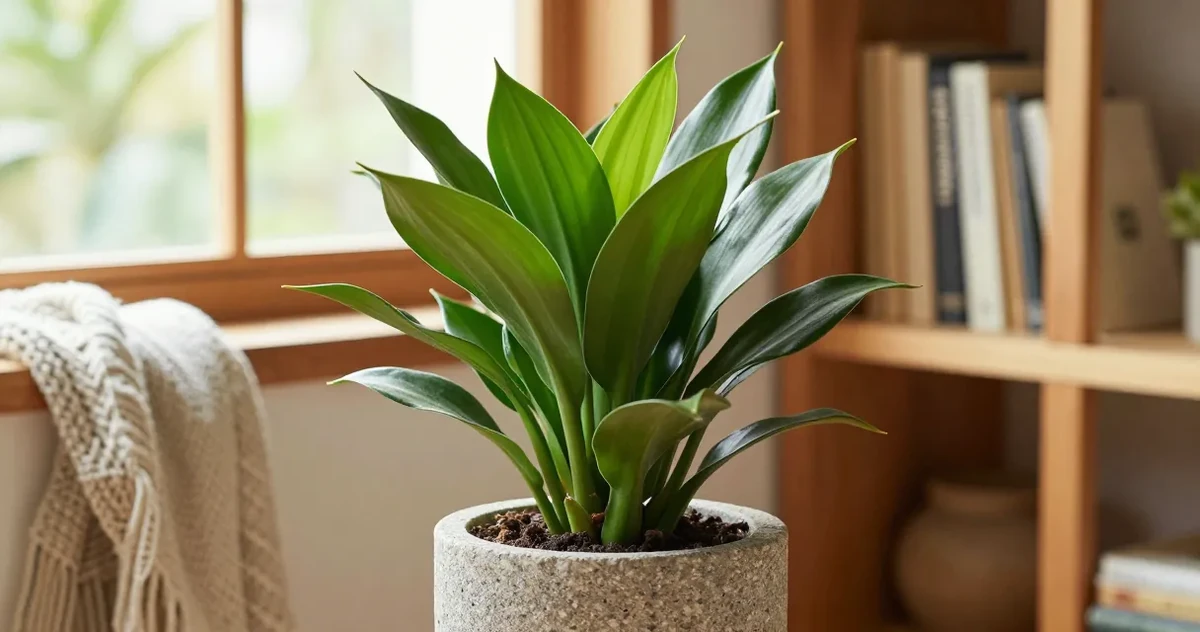
Snake plant with soft base removed and firm rhizome sections ready for repotting

Snake Plant Root Rot: Save Firm Leaves and Healthy Rhizomes

Can a snake plant with root rot still be saved? Yes, if any part of the base is still firm. A fully firm base means save the clump; mixed firm and soft sections mean split it; a fully soft base means discard the original plant. Do not water again to test it. In the next 10 minutes: Lift the pot. If it is wet, heavy, or sour-smelling, unpot the plant now. Press each leaf base gently. Firm tissue may be saved; jelly-soft tissue cannot. Check the rhizome, the thick underground stem connecting roots and leaves. Keep firm sections and remove decay. If the mix is dry and the entire base is firm, wait before cutting. If everything below the leaves is soft, the original clump cannot recover as one plant. ...

 · 7 min · 
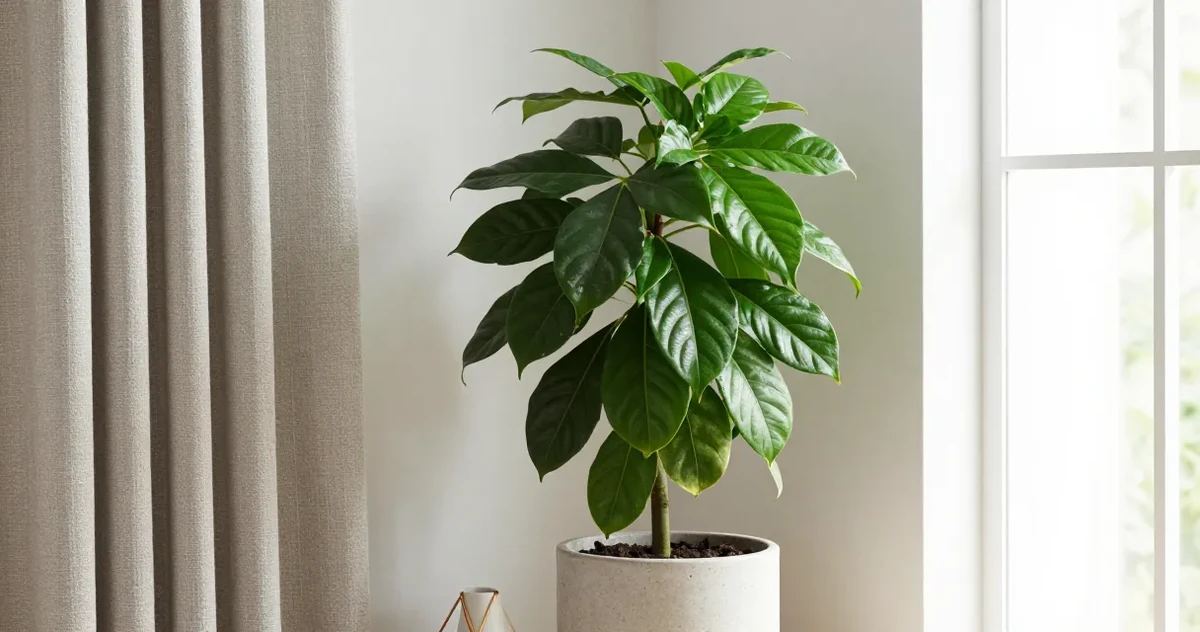
Indoor schefflera houseplant with glossy umbrella-shaped leaflets

Schefflera Plant Care: Light, Water, Pruning, and Leaf Drop

If your schefflera is dropping leaves, yellowing, leaning, or suddenly declining, this guide is built to help you solve the problem in the order that prevents avoidable plant loss: roots first, light second, temperature and drafts third, pests fourth, then pruning or repotting last. Most indoor failures happen when owners stack the wrong fixes on top of the wrong diagnosis. The practical baseline is simple: bright filtered light, thorough watering followed by moderate drying, steady warmth, and fast inspection of the leaf undersides when symptoms begin. The hard part is not knowing the rules. It is knowing which rule matters first when the plant looks bad. ...

 · 22 min · 
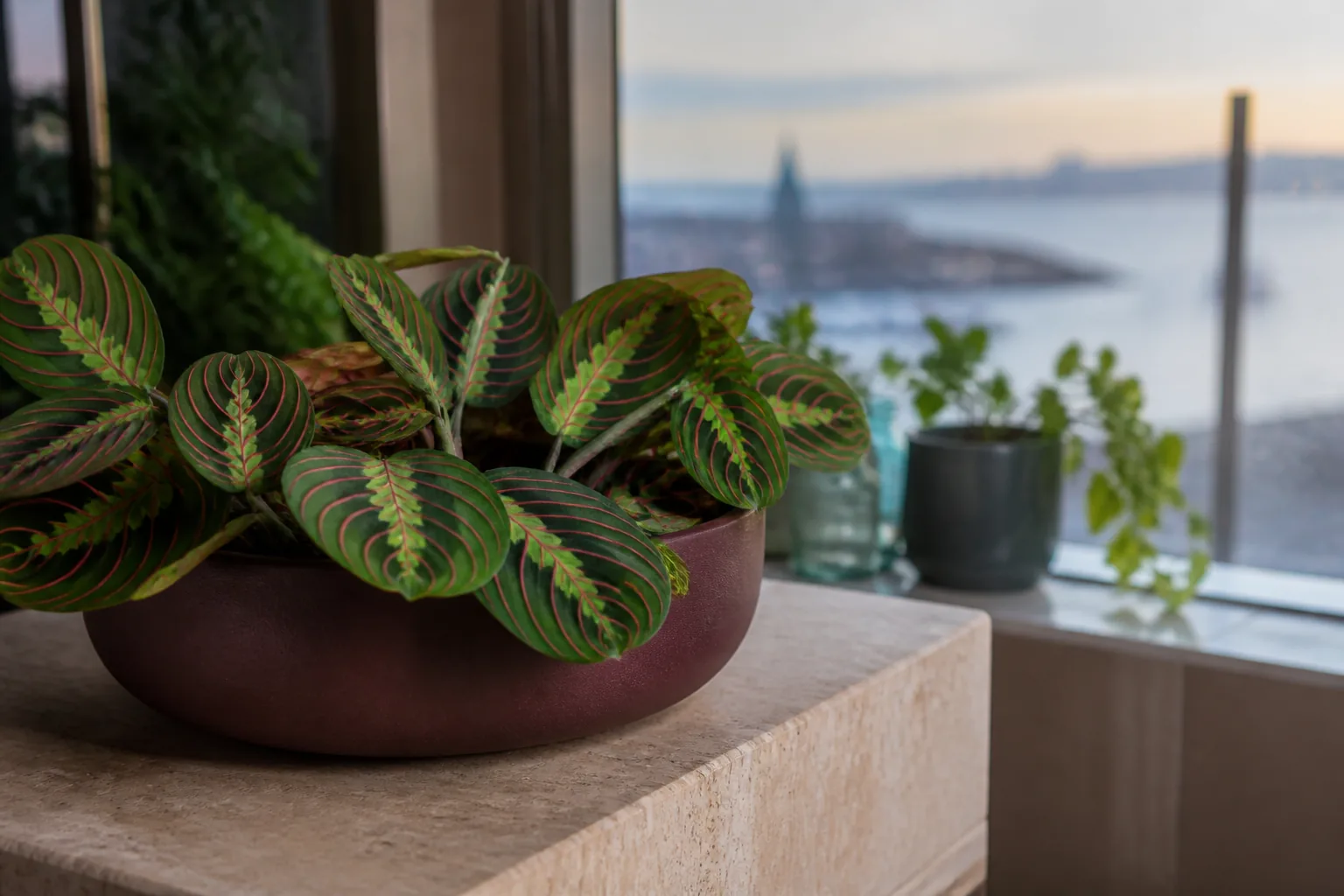
Prayer plant stem cuttings and a divided Maranta ready for propagation

Prayer Plant Propagation: Cuttings, Division, and Rooting

If you need the shortest safe answer, make this decision first: Root it if the piece has at least one firm node on a healthy stem. Divide it if the parent plant already has separate rooted crowns or sections. Discard it if it is leaf-only, node-free, black, mushy, or sour-smelling. That is the whole job in the first minute. Most failed prayer plant propagation starts with the wrong piece, not the wrong method. ...

 · 14 min · 
Pothos being gently lifted from its pot for repotting

Pothos Repotting: When to Move It and How to Prevent Shock

Afraid repotting will make your pothos droop, yellow, or rot? You can make the safe call in under a minute. Repot now only when the roots are packed and watering or growth has changed. Refresh the same pot when the soil is tired but roots still have room. Wait when one root has escaped but the plant otherwise behaves normally. Repot now, refresh soil, or wait? If this sounds most accurate Best next move Why The root ball is densely packed, roots circle the pot, water runs through fast, and the plant now dries out in about half its old interval Repot now Root crowding is affecting moisture balance Growth is still steady, the root ball is not solid roots, but the mix feels compacted, crusty, or tired Refresh soil, same pot if needed Soil quality is the main issue, not space There is only one escaped root or a few roots near the bottom, and watering rhythm and leaf size still look normal Wait and recheck in 2 to 4 weeks Slightly snug is not the same as stressed A simple rule helps: slide the plant out and check whether you still see a real layer of potting mix around the roots. If you mostly see soil, waiting or refreshing the mix may be enough. If you mostly see roots, repotting is more likely to help. ...

 · 8 min · 
Curled pothos leaves being checked beside the soil, window, and drainage saucer

Pothos Leaves Curling: Dry Soil, Heat, or Root Stress?

Seeing pothos leaves curling can trigger an anxious reach for the watering can. Pause for ten minutes first. The fastest answer usually falls into one of three paths: The root ball is dry and the pot feels unusually light. The pot is damp and heavy, but stressed roots cannot use that moisture properly. Only window-facing leaves or tender new growth are curling after local heat or stronger light. The confusing part is that dry roots and wet, unhealthy roots can both produce leaves that look thirsty. Leaf curl alone cannot tell you whether to water. Soil moisture at depth, pot weight, the location of the damage, and recent changes give you much better information. ...

 · 17 min · 
Yellow lower philodendron leaf being checked beside healthy green foliage and moist potting mix

Philodendron Yellow Leaves: Age, Wet Roots, or Light?

Most philodendron yellow leaves follow one of three common paths: one old leaf is aging out, the roots are staying wet too long, or the plant is in light too dim for its current watering routine. You can sort those paths quickly by checking which leaf changed first, how damp the mix is 2 to 3 inches down, and whether new growth still looks healthy. A genuinely bone-dry root ball, pests, temperature stress, or a fertilizer problem can also cause yellowing, but they need supporting signs. A fully yellow leaf will not become green again, so the goal is to prevent the next leaf from yellowing. ...

 · 15 min · 
Peace lily crowns separated with healthy roots attached

Peace Lily Propagation: Divide Crowns Without Damaging Roots

Peace Lily Propagation: Divide Crowns Without Damaging Roots Dividing a peace lily too soon can leave both halves drooping with too few roots. The next mistake is panic-watering that droop until healthy roots begin to rot. Avoid both with this 30-second rule: Divide today only if two or more leaf clusters each have their own firm base and attached roots. Repot her whole if crowded roots still belong to one base. Wait and diagnose if roots are sparse or mushy, the base is soft, or the plant is already badly wilted. A detached leaf is not enough. This guide shows the safest split, then exactly when to water, where to place each division, and what to do if she droops afterward. ...

 · 11 min · 
Drooping peace lily leaves being checked at the soil and base

Peace Lily Drooping: Thirst, Root Stress, or Shock?

Peace Lily Drooping: Thirst, Root Stress, or Shock? Do not water yet. In under ten minutes, you can separate dry-soil thirst from wet-root stress and choose one safe next step without guessing. Use the Four-S Check: Soil, Setup, Shift, Signs. Soil decides water or wait. Setup finds trapped water. Shift connects the droop to a recent change. Signs tell you when simple monitoring is no longer enough. What the check finds Safe action Stop waiting when Skewer reaches the middle of the pot and comes out dry; pot feels light Water: soak evenly, drain, and empty runoff No lift begins within several hours; reassess by the next day Skewer comes out damp or muddy; pot feels heavy Wait and drain: do not water; recheck in 48 hours Yellowing spreads, soil smells sour, the base softens, or decline speeds up Droop follows a move, repot, strong sun, cold window, or vent Stabilize: keep one suitable location while you monitor Damage spreads beyond the leaves exposed to the change Webbing, sticky residue, insects, or a soft base Act: isolate a pest case or inspect roots Wet soil and rapid decline occur together; inspect the same day If you inherited the plant or are unsure it is a peace lily, identify it first. A correct identity gives you a baseline for light, moisture, and expected leaf form before you diagnose the droop. ...

 · 13 min ·