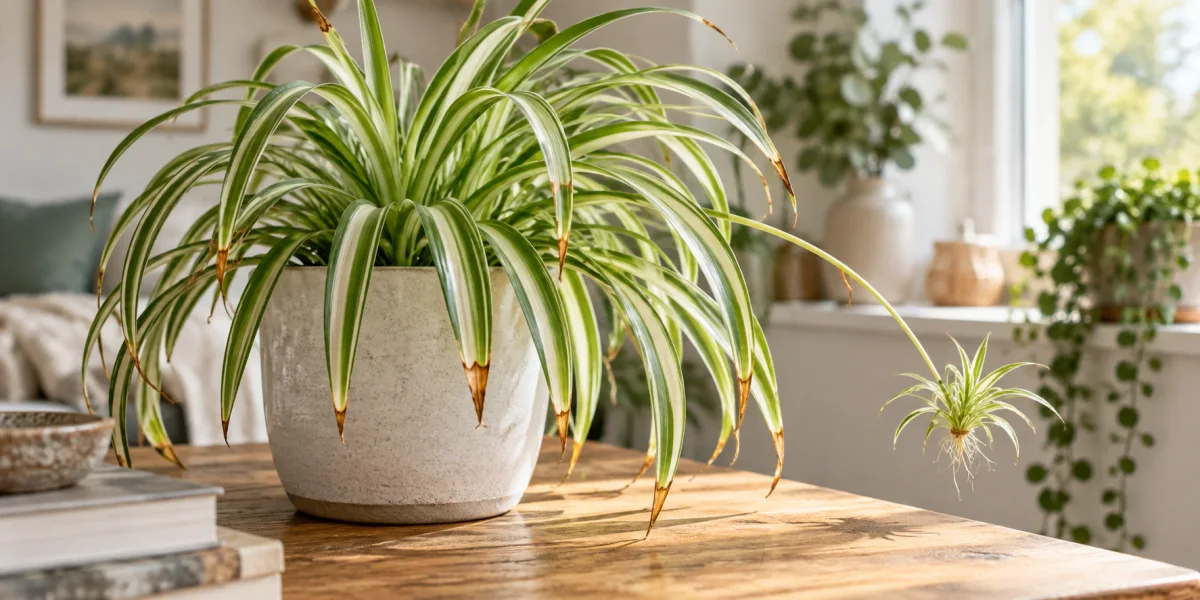
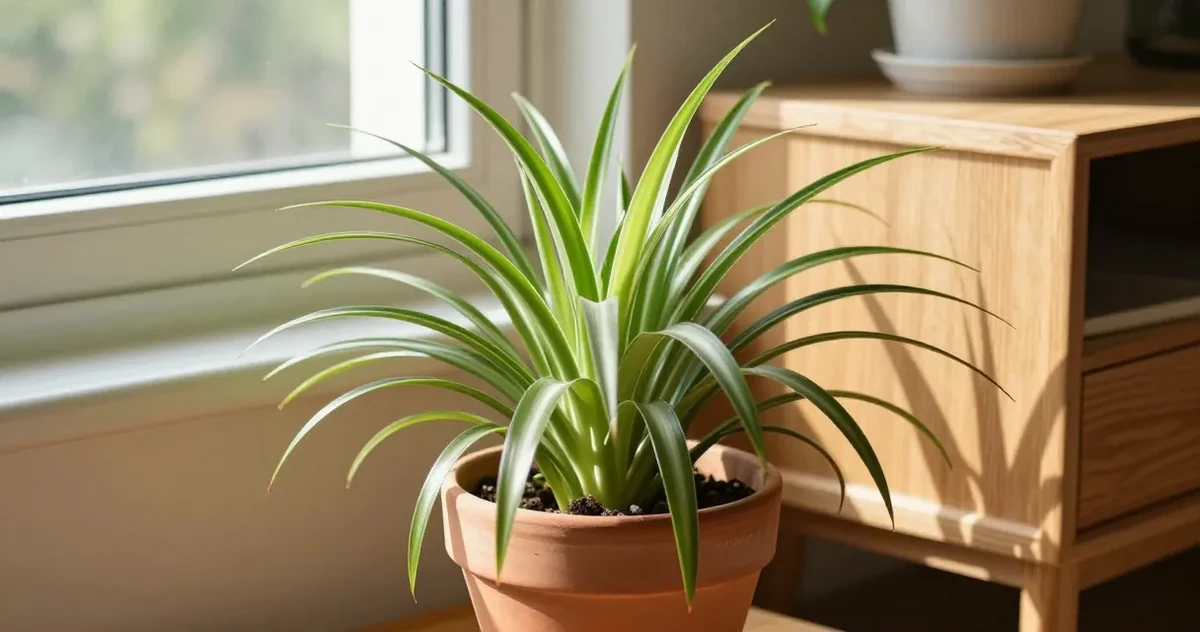
Spider plant with brown crispy leaf tips in a white pot

Spider Plant Brown Tips: Causes and How to Fix Them

You noticed the tips of your spider plant going brown and crispy, and now you’re wondering whether you did something wrong or whether the plant is just being difficult. Spider plant brown tips are one of the most common houseplant frustrations, and the usual advice to “water less” or “let your tap water sit overnight” doesn’t always solve it. Here’s the core reason: brown tips rarely have just one cause, and the damage you can already see is permanent. ...
 · 20 min
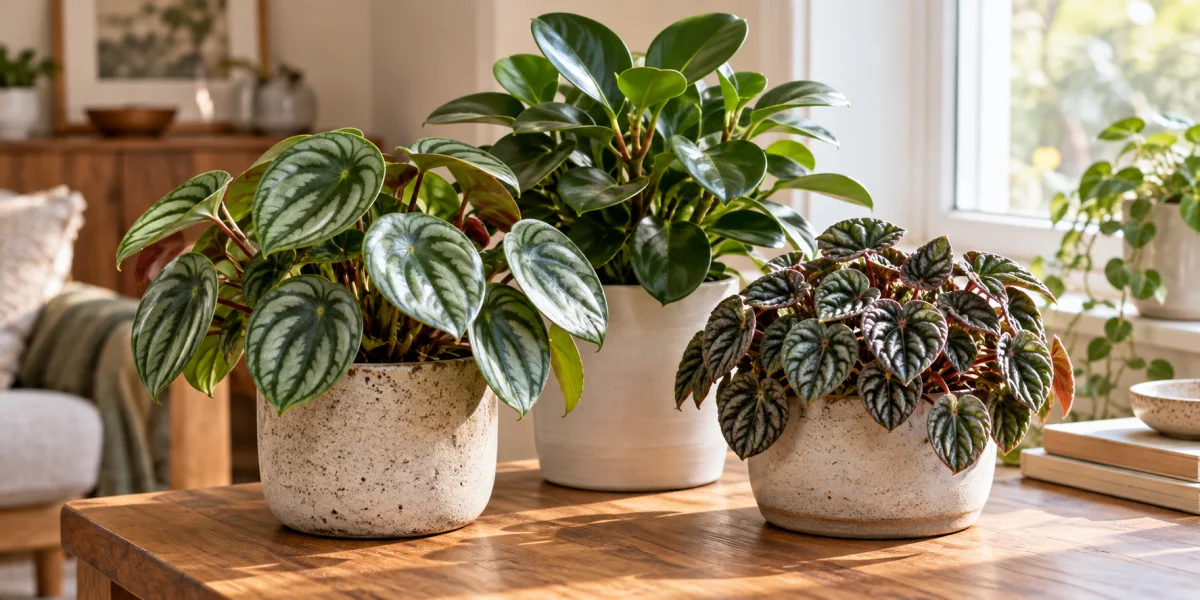
Watermelon, baby rubber, and ripple peperomia plants in three neutral pots on a wooden table

Peperomia Plant Care: Watering, Light and Easy Varieties

Peperomia plant care starts with bright indirect light, freely draining soil, and allowing the mix to dry between waterings. Peperomia is a diverse genus of compact tropical plants, many with fleshy, water-storing leaves, rather than one plant with one fixed care schedule. If you have ever picked up a small, cheerful plant from a garden center without really knowing what it was, there is a good chance it was a peperomia. They sit on “low-maintenance starter plant” racks and desk displays everywhere, yet many decline at home because the potting mix remains wet longer than the owner realizes. ...

 · 14 min
Spider plant with variegated green and white leaves cascading from a hanging basket

Spider Plant Benefits: Why This Easy Houseplant Is Still Popular

If you are looking at a spider plant wondering whether the “easiest houseplant you can own” label actually holds up, or trying to figure out why yours keeps getting brown tips despite careful watering, this guide is for you. The short version: spider plant (Chlorophytum comosum) is one of the most forgiving houseplants you can own, genuinely non-toxic to cats and dogs, and impressively generous with new plantlets. The air-purifying claim that follows it everywhere is a different story, and we will get to that honestly. ...

 · 17 min
A self-watering pot, wick system setup, and drip stakes arranged next to common indoor houseplants

Plant Watering Systems: What Works for Indoor Plants?

Here’s a scenario that comes up more than you’d think: someone buys a self-watering pot before a trip, comes home to a thriving pothos, and thinks they’ve figured it out. Then they try the same setup with their snake plant, and a month later the base has gone soft and the lower leaves are yellowing. Same system. Completely different result. That’s the real problem with most watering system advice. It focuses on the gadget when the actual decision is about the plant. A self-watering pot that keeps soil consistently moist is perfect for a pothos and genuinely harmful for a snake plant. A wick that works great for a small peace lily might flood a larger pot of the same plant if you switch containers before a trip. ...

 · 23 min
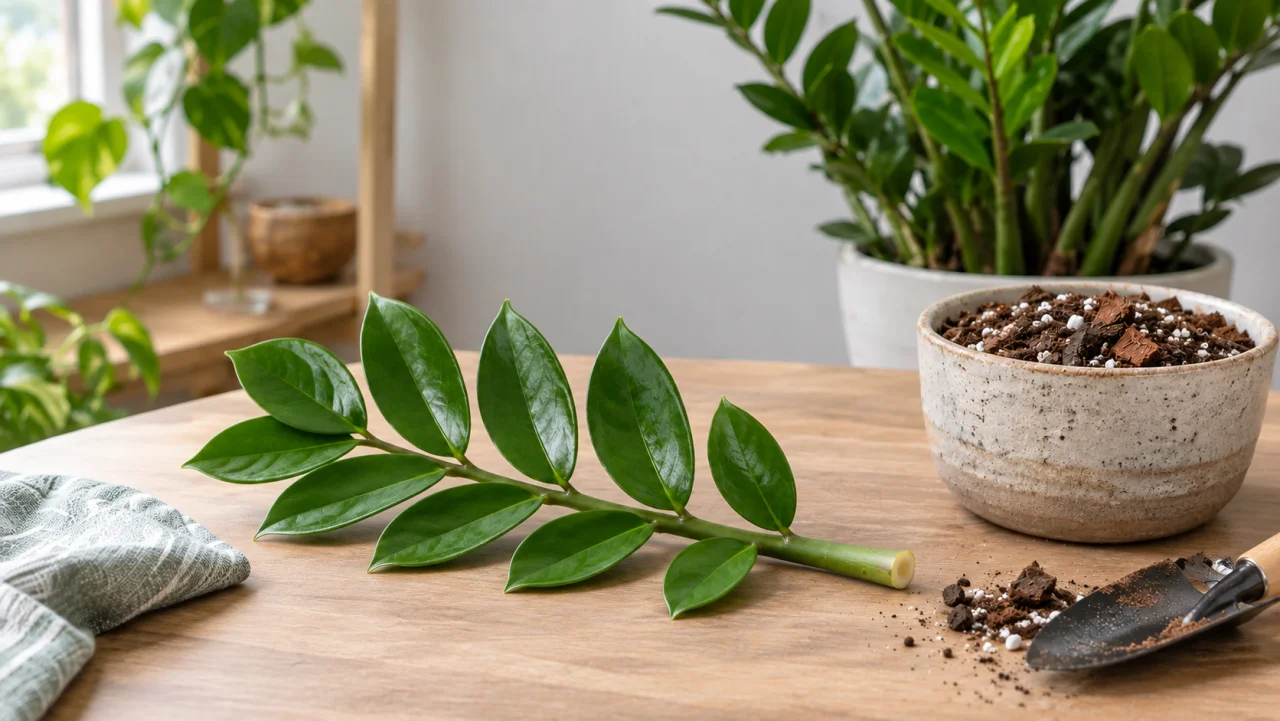
ZZ plant stem cutting with healthy leaflets ready for propagation

ZZ Plant Propagation: Leaf, Stem and Division Methods

ZZ plant propagation works. It just works slowly, sometimes very slowly, and most guides skip over that part entirely. If you have a ZZ cutting sitting in water right now wondering whether it should have rooted by now, or you have been staring at a leaf stuck into potting mix for two months and nothing has happened above the soil: that is normal. According to the University of Connecticut Home Garden Education Office, small rhizomes may begin forming in about a month under greenhouse conditions, but in a typical home setting the same process can take up to nine months before you see any visible progress above ground. ...

 · 18 min
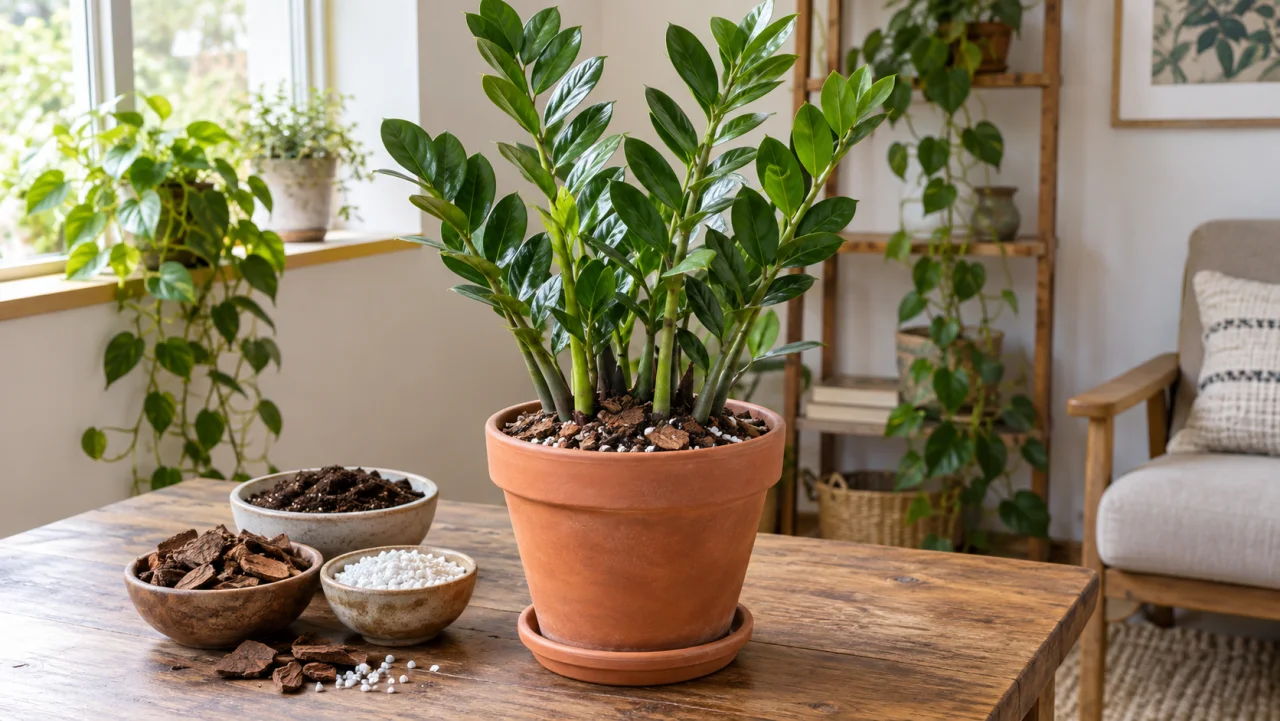
ZZ plant in a terracotta pot with well-draining soil mix

ZZ Plant Soil: The Best Mix for Healthy Roots

Most ZZ plant problems trace back to the same place: a root zone that stayed wet too long. Not too much water exactly, not too little – but a soil-and-pot system that never fully dried out between waterings. The plant kept looking fine on the surface while those thick, potato-shaped rhizomes quietly sat in moisture they never asked for. If your ZZ plant is yellowing, growing slowly, or has a base that feels soft when you press it, the soil setup is usually where to start. This guide covers what ZZ plant roots actually need, what a good mix looks like, how pot choice changes everything, and how to read the signals that tell you the current setup is not working. ...

 · 20 min
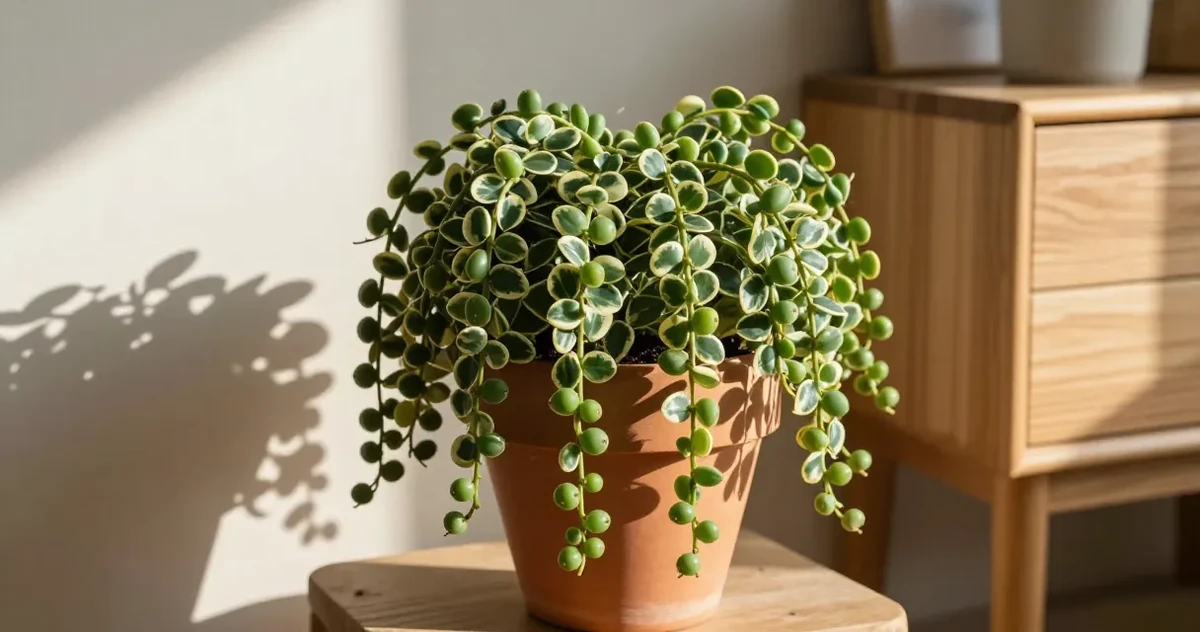
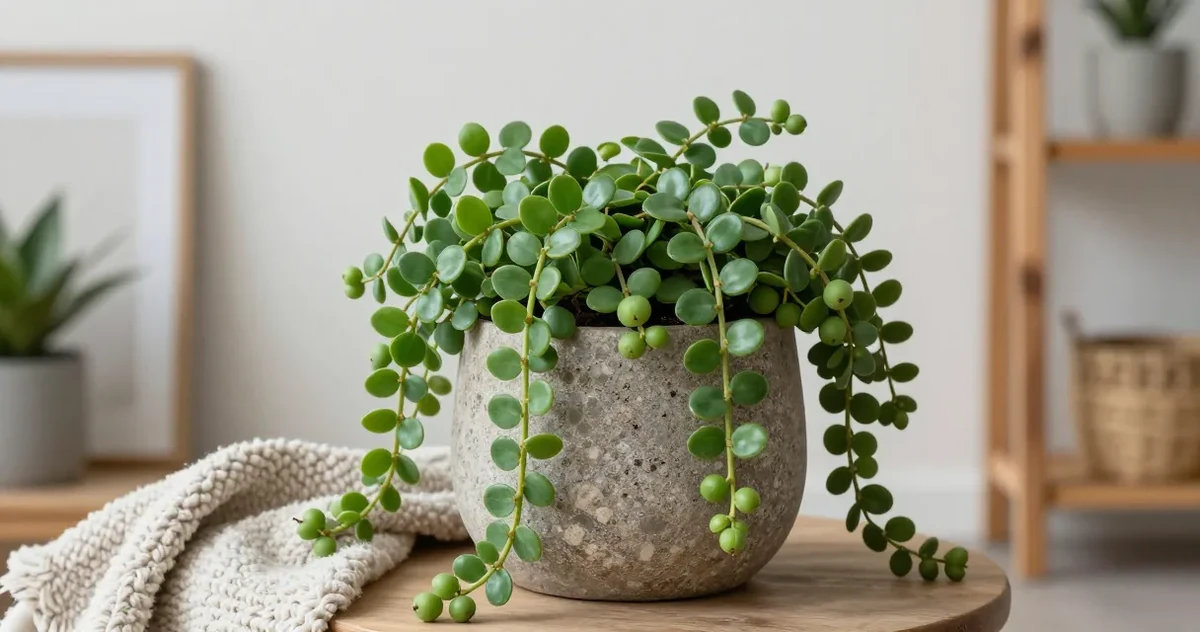
Variegated string of pearls trailing over a terracotta pot with cream and green patterned pearls

Variegated String of Pearls Care: Keep Pearls Full and Bright

You bought it for those cream and green spheres. Little patterned pearls strung along slender stems, trailing over the edge of a pot like something hand-made. And then, slowly, you noticed the color fading toward plain green, or the pearls feeling less firm, or the crown thinning out and the strands looking sparse at the base. That’s not bad luck. That’s a specific mismatch between what this plant actually needs and what most care cards say about it. ...

 · 17 min
Terracotta pots with succulents in fast-draining mineral soil on a bright windowsill

Succulent Soil Guide: The Best Mix for Indoor Succulents

Most succulent problems are not about light or watering frequency. They are about soil that holds moisture just a little too long, and a container that does not let it escape. Succulent soil is the one variable you can control from the start, so it is worth understanding what it needs to do and when a standard bag of cactus mix is enough versus when you need to go further. ...

 · 19 min
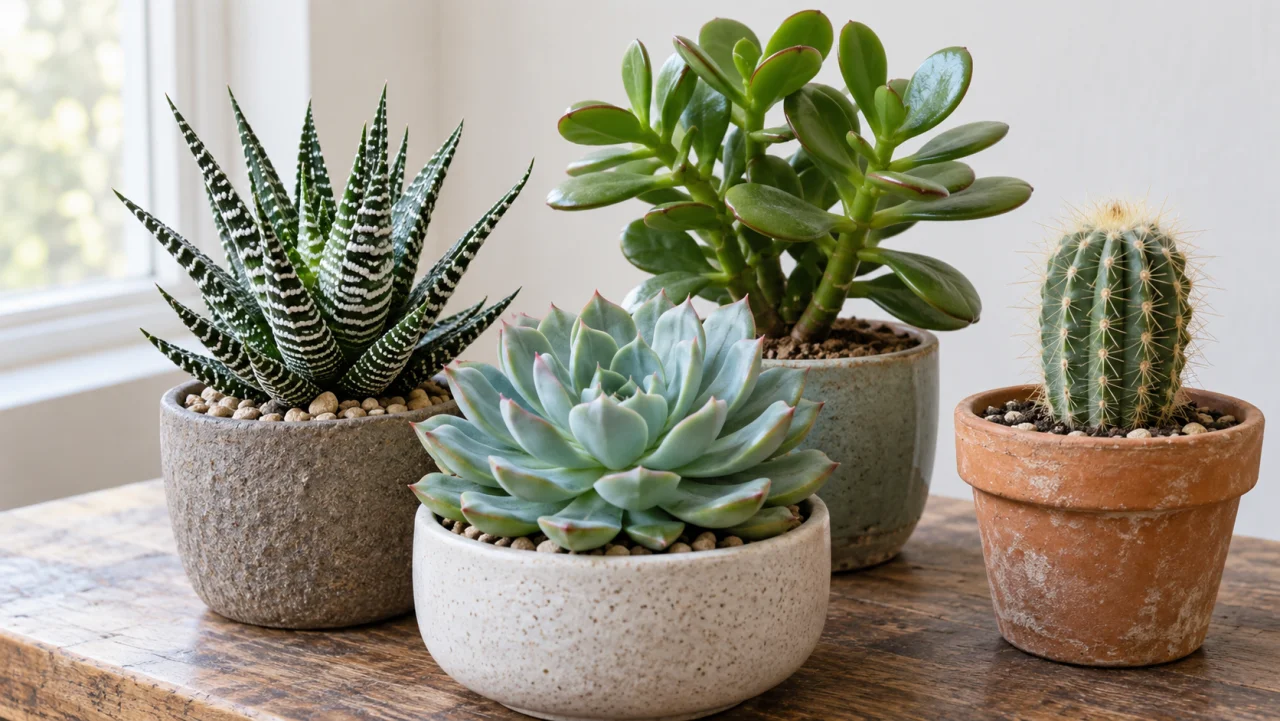
Several common indoor succulents showing different leaf shapes and growth habits

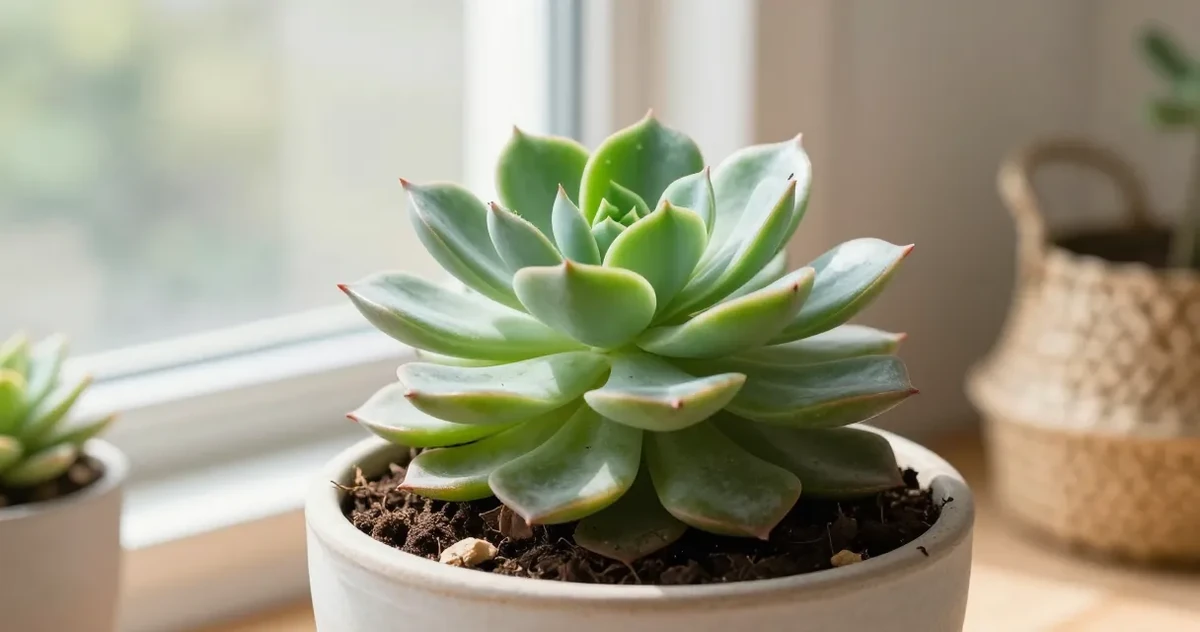
Succulent Identification Guide: How to Recognize Common Types

Someone hands you a succulent cutting, or you bring home an unlabeled pot from a market because the shape caught your eye. Now it is sitting on your windowsill and you want to know what you actually have. Succulent identification is more approachable than most guides make it look, as long as you start with the right question. That question is not “which of a thousand species does this match?” It is: “what shape is this plant, and what are its leaves telling me?” If you are asking what type of succulent do I have?, start with one full-plant picture, then use close-ups of the leaf tip, stem, and any flower stalk to narrow the answer. ...

 · 19 min
String of pearls cuttings laid flat on potting mix, with fine white roots beginning to form at the nodes

How to Propagate String of Pearls: Cuttings That Actually Root

If you’ve got a string of pearls trailing off a shelf and want more of her, or you’ve snapped a strand by accident and want to salvage it, the process is genuinely straightforward – once you understand one thing most guides skip: this plant roots wherever a node touches damp soil, not from the cut tip alone. That single detail changes how you handle the stem, where you position it, and why some cuttings root beautifully while others go soft and mushy within weeks. ...

 · 18 min