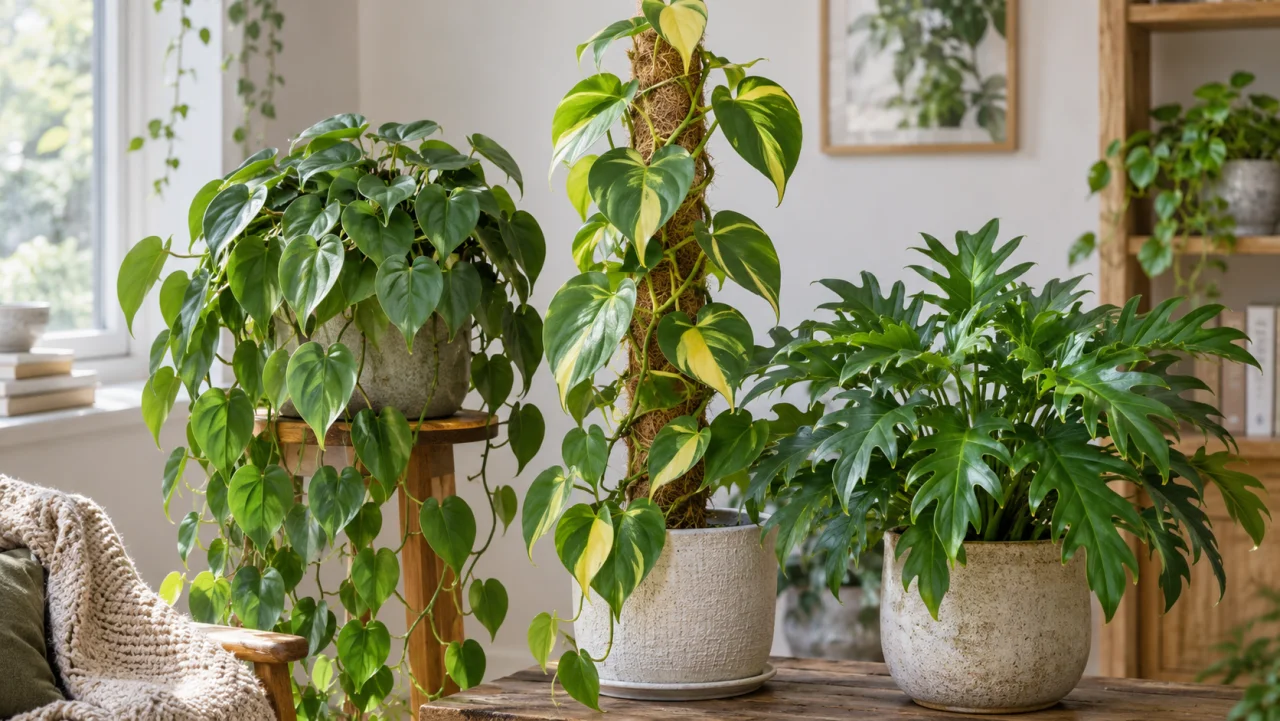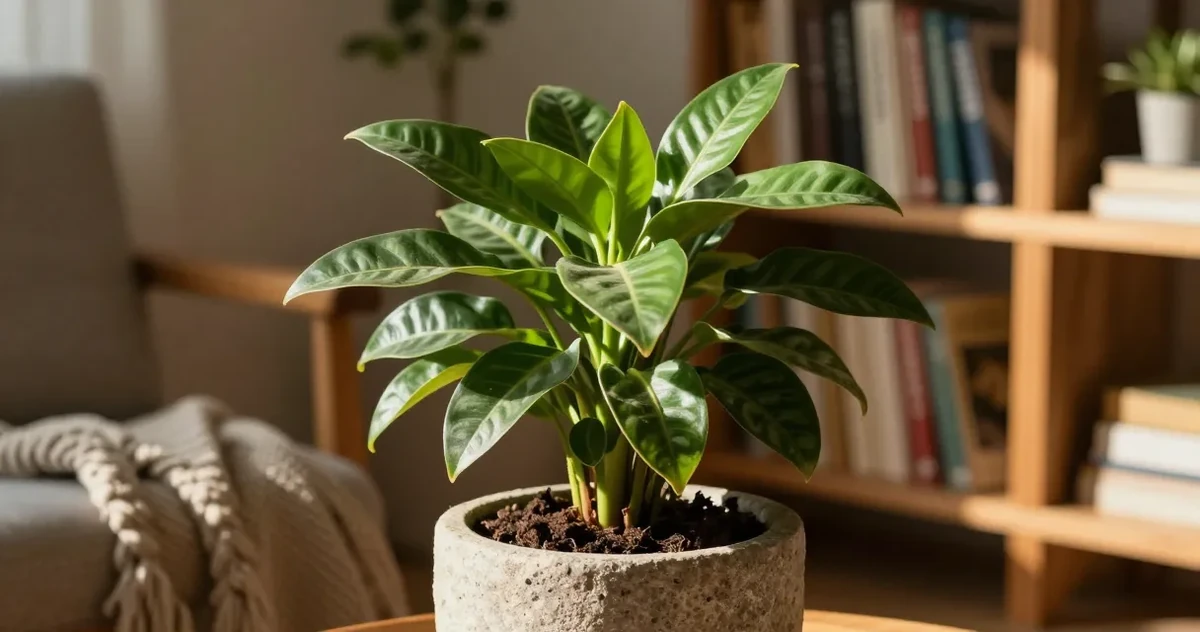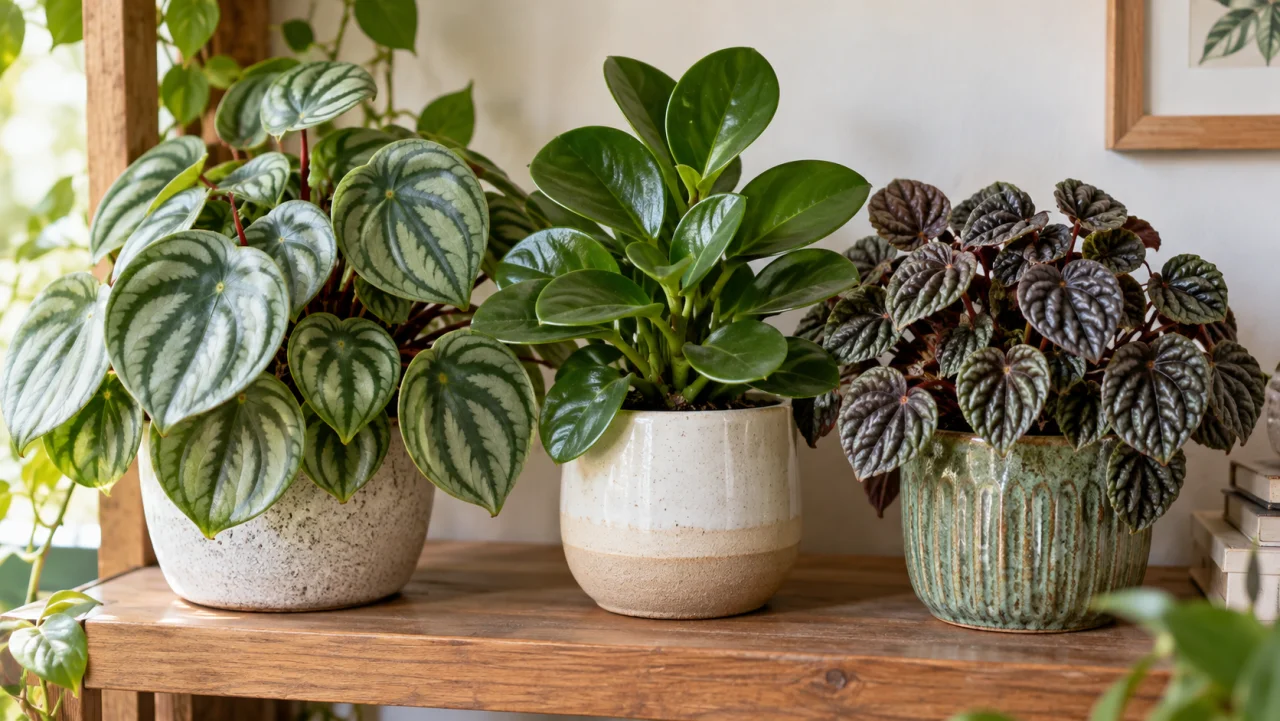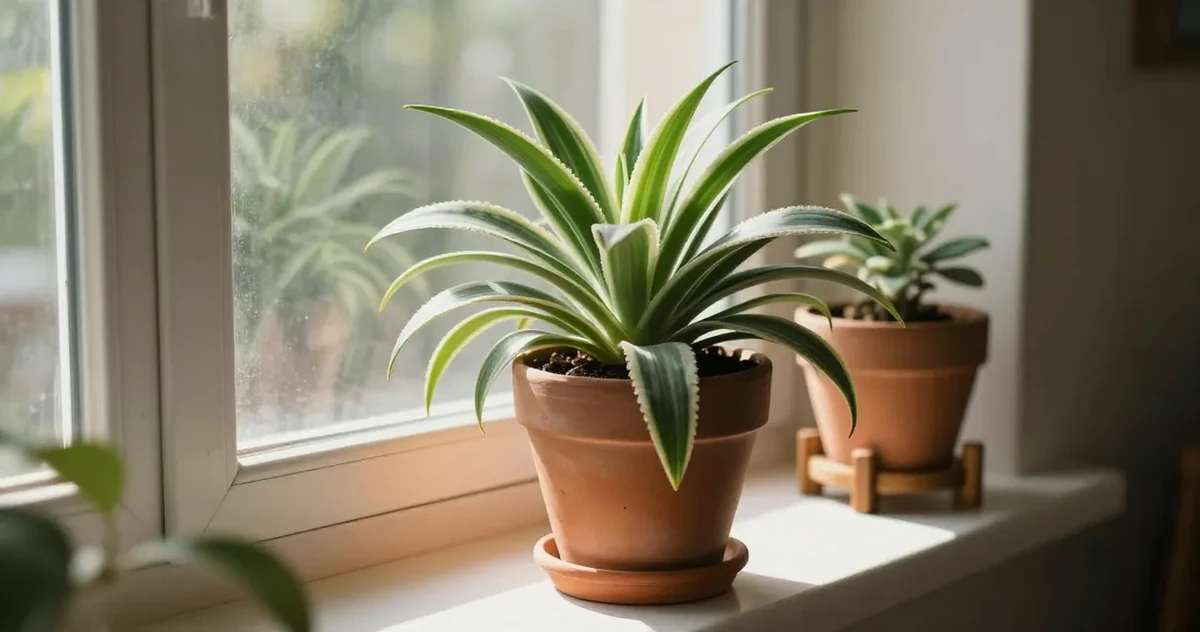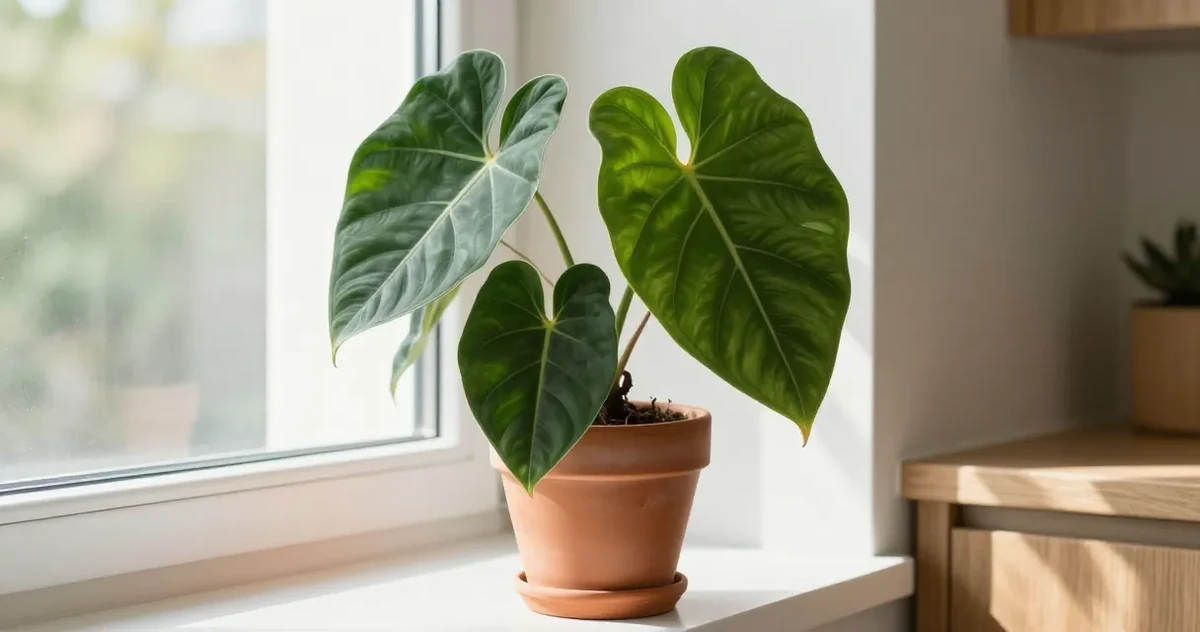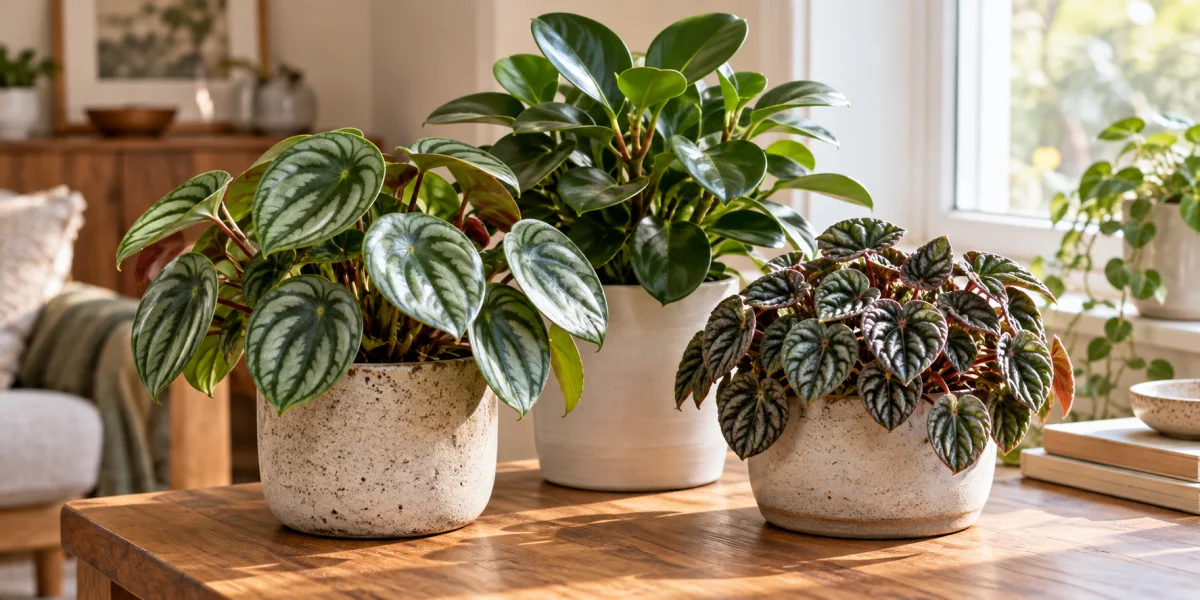
Philodendron plant with heart-shaped leaves in a bright indoor space

Philodendron Care: Light, Watering, and Yellow Leaves

Most people bring home a philodendron because she seems easy, then one leaf turns yellow and suddenly nothing feels easy at all. You check the soil three times in one day, move her closer to the window, move her back again, and start wondering whether you are overwatering, underwatering, or somehow doing both. That spiral is common, and usually unnecessary. Philodendrons are some of the clearest communicators in the houseplant world. If you learn how to read her leaves, growth pattern, cataphylls, and soil dry-down, you can usually catch trouble early and fix it before she really declines. ...

 · 19 min · 
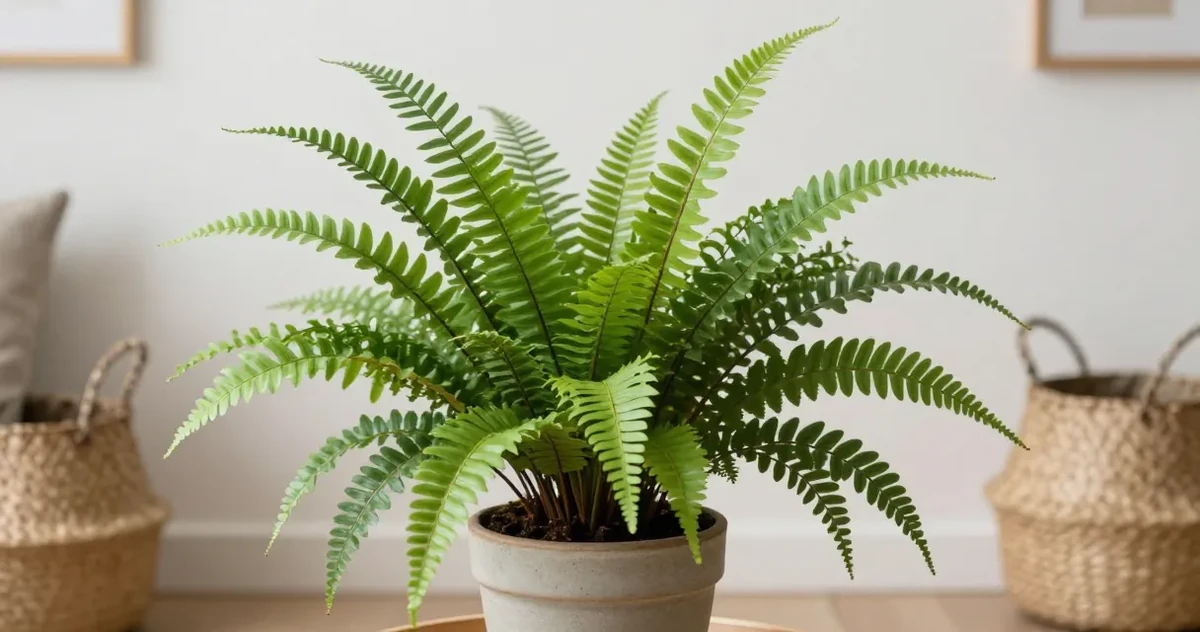
Boston fern with full, arching fronds in a bright indoor space

Boston Fern Care Guide: Humidity, Watering and Common Issues

You brought home a Boston fern. It looked incredible at the nursery: full arching fronds, deep green, the kind of plant that makes a room feel like it actually has a personality. Then slowly, or sometimes not so slowly, it started dropping leaves. Little green crumbles on the shelf, on the floor, under the pot. You’re watering it. You’re giving it light. What’s going wrong? Almost every Boston fern problem traces back to one thing: the air around it, not the water or the light. Once you understand that, the shedding makes sense and the fix becomes obvious. ...

 · 13 min · 
Monstera Peru care guide showing textured green leaves on a climbing support

Monstera Peru Care Guide

If you are looking at a Monstera Peru and mostly want to know whether it fits your home, the answer is yes if you have bright indirect light and can check the soil about once a week. Water when the top 2 inches are dry, use a chunky mix, and give the vine something to climb. Yellow leaves usually mean the pot is staying wet too long; curling leaves usually mean thirst, heat, or root trouble; brown tips usually point to uneven watering, dry air, sun, or fertilizer salts. ...

 · 15 min · 
Prayer Plant Care Guide for Maranta

Prayer Plant Care Guide for Maranta

If your prayer plant leaves are curling, yellowing, or turning crispy at the tips, you probably do not need a botany lesson. You need to know what to check first, how often to water, and whether this plant fits the light and routine you actually have at home. Here is the short version: keep a prayer plant in bright indirect light, water when the top 2-3 cm of soil feels dry, and do not let the pot sit in runoff water. Most homes need water every 5-7 days in warmer months and every 10-14 days in winter, but the soil check matters more than the calendar. Curling usually means the plant is too dry, too hot, or sitting in dry air. Yellow lower leaves usually mean too much water. Brown crispy tips usually mean low humidity or sensitive tap water. ...

 · 17 min · 
Philodendron Pink Princess Care Guide

Philodendron Pink Princess Care Guide

Philodendron Pink Princess is not hard to keep alive, but it is easy to disappoint if you buy it for the pink and then put it in a dim corner. The real care question is simple: can you give it bright indirect light, a pot that drains, and a soil check once a week? If yes, it can fit a normal indoor routine. If you want a plant you can water on a fixed schedule and forget, choose a tougher green philodendron instead. ...

 · 15 min · 
Monstera Adansonii Care Guide Indoors

Monstera Adansonii Care Guide Indoors

If you are trying to keep a monstera adansonii alive indoors, the main question is simple: can you give it bright indirect light and resist watering before the soil starts to dry? If yes, this is usually a manageable plant for a normal home routine. Monstera adansonii, also called Swiss cheese vine, is a fast-growing trailing or climbing houseplant with naturally holey leaves. It is smaller and lighter than the monstera thai constellation and the larger monstera deliciosa, so it fits shelves, hanging baskets, and moss poles more easily. The care challenge is not complicated botany. It is reading the plant’s signals before small issues turn into yellow leaves, curled leaves, brown tips, or root rot. ...

 · 16 min · 
Calathea Care Guide: Water and Light

Calathea Care Guide: Water and Light

Calathea care has a reputation, and it’s earned. If you’ve found yourself staring at crispy brown edges, leaves curling inward like little scrolls, or a plant that looks sulky for no obvious reason, you’re in good company. Almost everyone who grows calathea goes through this. Here’s the thing worth holding onto: calathea isn’t difficult because it’s fragile. It’s difficult because it’s specific. Once you understand what it actually needs, keeping one happy becomes a lot less mysterious. ...

 · 15 min · 
Best Tropical Plants to Grow Indoors

Best Tropical Plants to Grow Indoors

If you want tropical plants indoors, the real question is not “which one looks best?” It is: how bright is your room, how often will you realistically water, and what should you do when the leaves start curling, yellowing, or getting brown tips? This guide is for choosing a tropical plant that fits your home before you buy it, then keeping it alive with simple care steps. Most tropical houseplants want warm rooms, indirect light, and soil that partly dries before the next watering. The plants that struggle most indoors are usually the ones matched to the wrong light or watered on a fixed calendar instead of checked first. ...

 · 13 min · 
Dracaena Care Guide: Watering, Brown Tips, and Yellow Leaves

Dracaena Care Guide: Watering, Brown Tips, and Yellow Leaves

If you have a tall, architectural plant with strappy leaves and brown tips you can’t explain, there is a good chance you are already living with a dracaena. The quick answer: water only when the soil is dry 5 to 6 cm down, expect roughly every 10 to 14 days in warm months, and slow down hard in winter. The brown tips, yellow leaves, and curling leaves are not random. They usually point to water timing, water quality, light, or dry air. This guide is for everyday plant owners who want to know what to do next, not a botany lecture. ...

 · 16 min ·