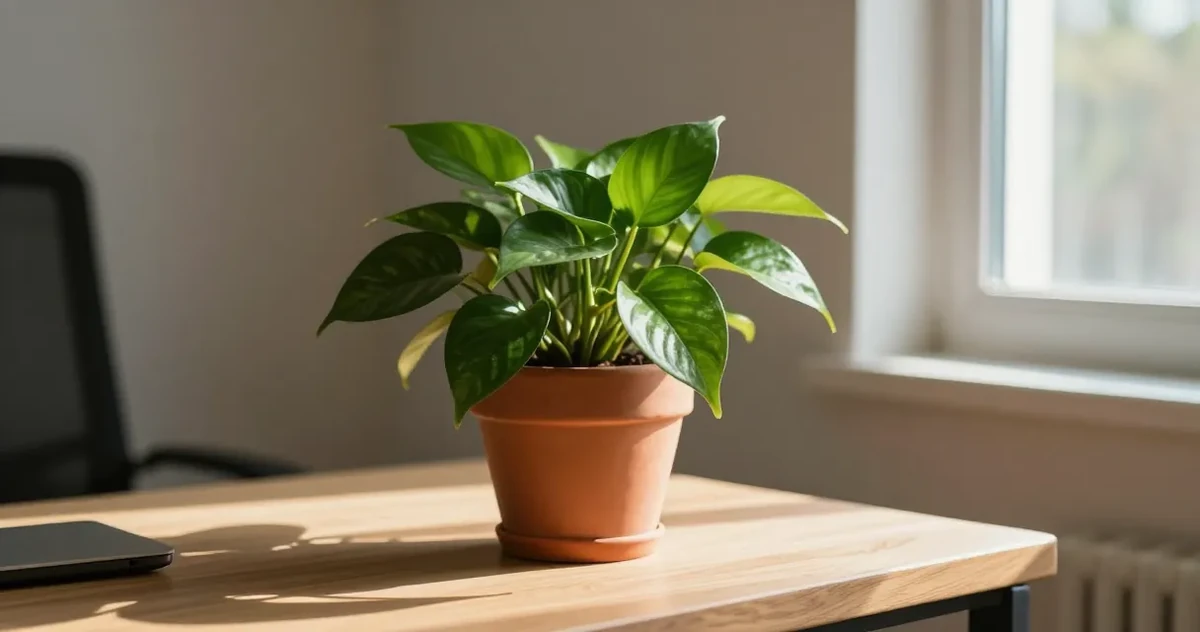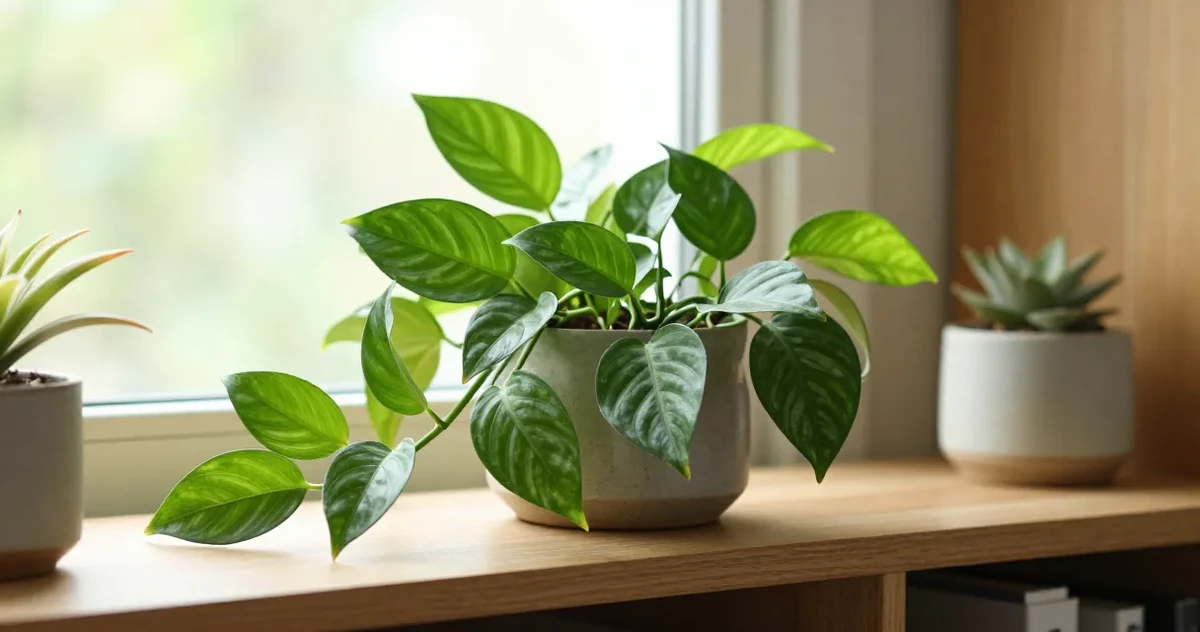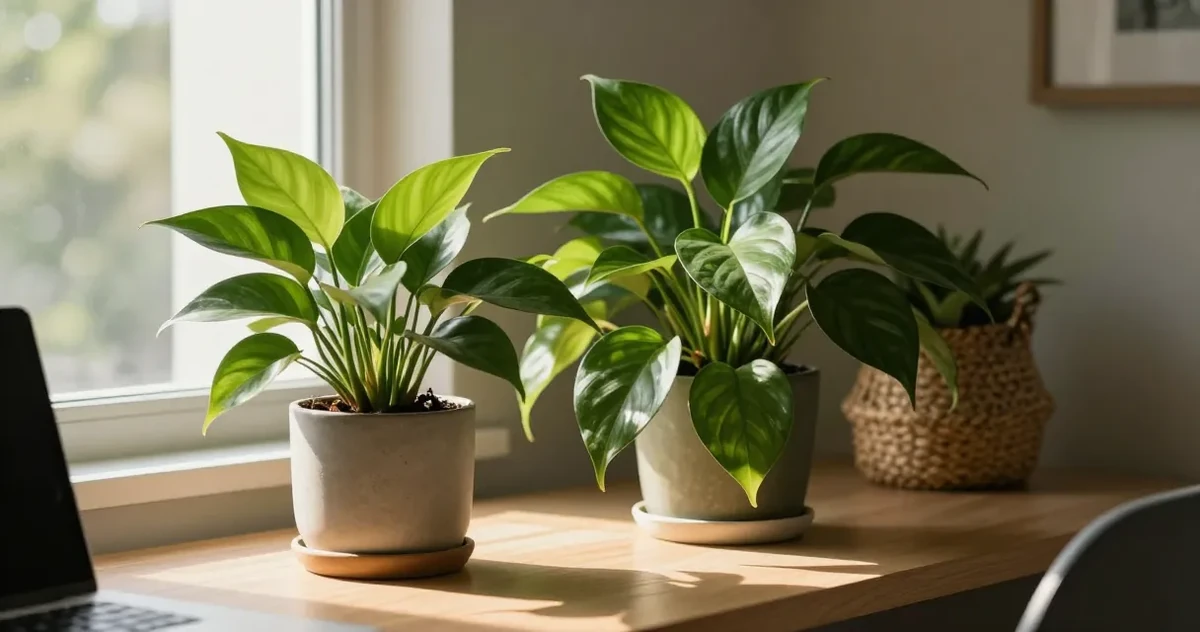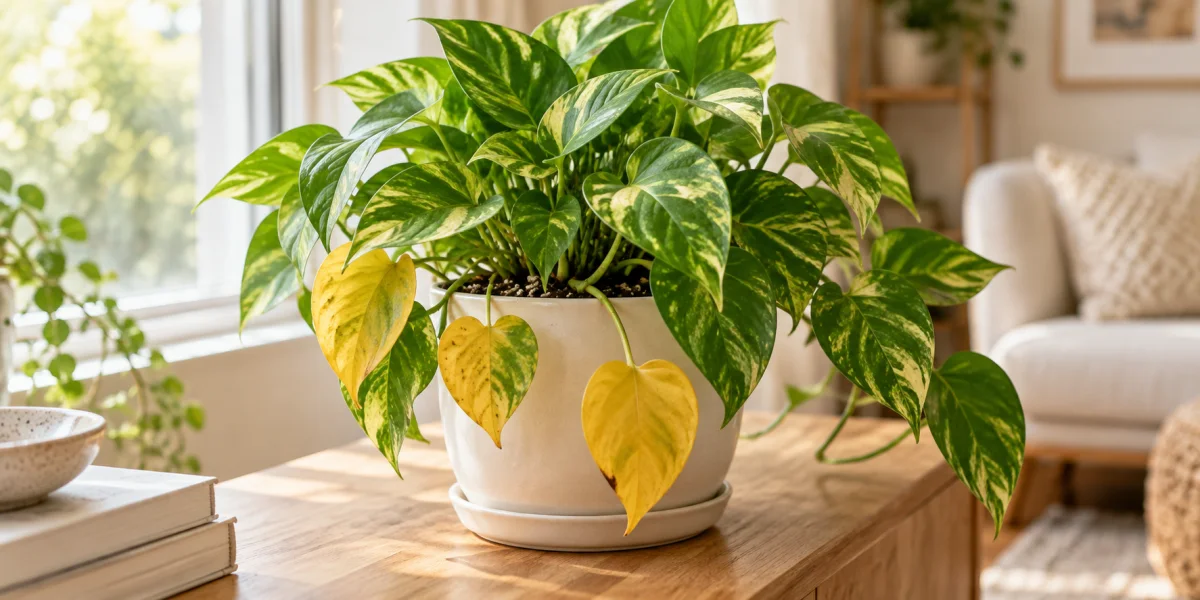
Pothos plant with trailing green leaves on a shelf

Pothos Care Guide: Light, Watering, and Leaf Signals

If you’ve ever looked at a pothos with one yellow leaf, one limp vine, and one pot that still feels damp, you already know why simple care schedules are not enough. Pothos is easy in the sense that she forgives a lot. She is not easy in the sense that every problem has the same cause. The most useful way to care for pothos is to read soil moisture + leaf position + light distance + vine shape together. That is what this guide does. It gives you the quick identification snapshot, the care cards, the rescue logic for yellowing or leggy vines, and the real-world confusion points that show up in owner threads. ...

 · 10 min · 
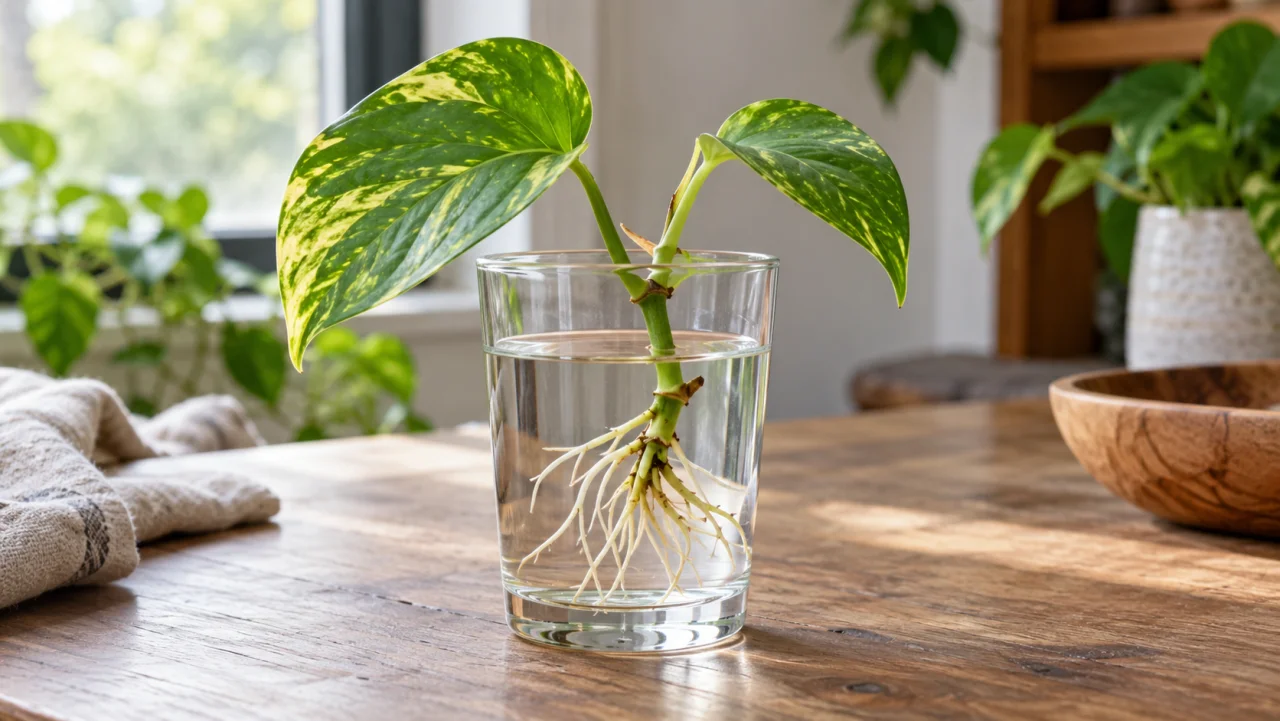
Pothos stem cutting with white roots growing in a glass of water

How to Propagate Pothos: Water and Soil Methods That Work

You trimmed your pothos because a vine had grown past the shelf, or a stem snapped when you moved the pot, and now you are holding a cutting and wondering whether to throw it away. Do not. That cutting can become a whole new plant in a few weeks with almost nothing from you. Pothos is one of the easiest houseplants to propagate. The stems root reliably, the process tolerates some neglect, and the same skills transfer to most trailing plants in your home. If you have ever felt guilty discarding the trimmings after a pruning session, this is how you stop doing that. ...

 · 13 min · 
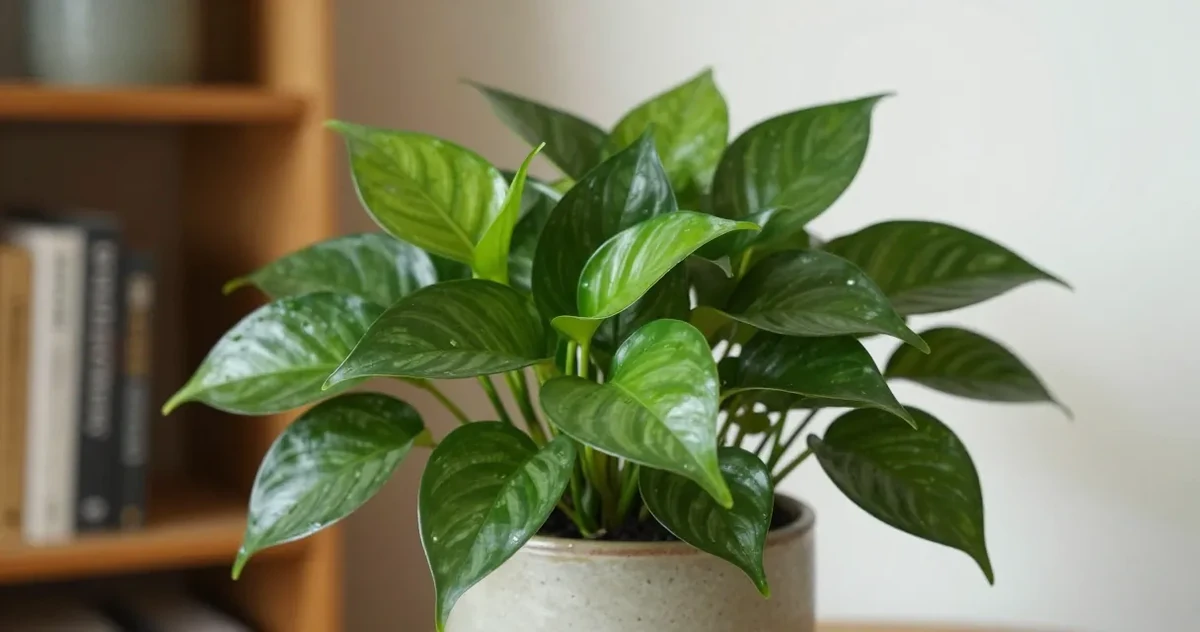
Satin pothos with silver-splashed velvety leaves trailing from a shelf

Satin Pothos (Scindapsus) Care Guide: Silver and Silk Varieties

If you just brought home a satin pothos and want the plain answer: put it in bright indirect light, water only when the top half of the soil has dried, and check the soil before reacting to curling or yellowing leaves. In many homes that means watering about every 10 to 14 days in spring and summer, then closer to every three weeks in autumn and winter. The easiest way to overdo it is to treat satin pothos like a thirsty plant. It is not. Too much water usually shows up as yellow lower leaves, soft stems, or soil that stays damp for more than two weeks. Too little water or too-dry air usually shows up as curling leaves, crispy edges, or brown tips. ...

 · 16 min · 
Pothos Varieties Guide: Types and Care

Pothos Varieties Guide: Types and Care

If you’ve ever stood in a garden center staring at trailing vines and wondered which pothos will actually survive in your home, start here. The right variety depends less on which leaf pattern you like and more on three everyday things: your light, your watering habits, and how much you want the plant to grow. Pothos varieties are mostly members of the Epipremnum aureum species, with a few close relatives that stores sell under the same everyday name. They all trail, climb, and tolerate normal home conditions, but they are not identical. A jade pothos can handle a dim shelf and missed watering better than a snow queen. A marble queen needs brighter indirect light to keep its white pattern strong. A satin pothos often wants a steadier moisture routine than a golden pothos. ...

 · 18 min · 
Pothos vs Philodendron: Differences

Pothos vs Philodendron: Differences

You’re standing in a garden center, or maybe scrolling through a plant shop online, and you see two plants side by side. Both have heart-shaped green leaves. Both trail beautifully. Both are labelled with names that don’t quite match what you remember. This is the pothos vs philodendron puzzle, and it trips up almost everyone at some point. Here’s the useful part: you do not need a botany lesson to solve it. You need a few reliable checks for the plant in front of you, then a simple answer to the care question that usually follows: can you water it the same way, and which one fits your room better? Nurseries sometimes don’t help matters; mislabelling is common enough that you cannot always trust the tag in the pot. Once you know what to look for, though, you’ll never mix them up again. ...

 · 20 min · 
Neon Pothos Care Guide for Bright Leaves

Neon Pothos Care Guide for Bright Leaves

Neon pothos is a good plant for you if you have a bright window and can check the soil once a week. It is not the best choice for a dark corner if you want those glowing yellow-green leaves to stay bright. If yours is fading, curling, yellowing, or getting brown tips, this guide will help you sort the likely cause without turning plant care into homework. The short version: give neon pothos bright indirect light, water when the top couple inches of soil are dry, and never let the pot sit in standing water. New leaves coming in bright chartreuse mean the spot is working. New leaves coming in darker green usually mean it needs more light. Yellow, soft leaves usually point to too much water; curled or crispy leaves usually point to thirst, heat, or dry air. ...

 · 16 min · 
Marble Queen Pothos Care Guide Indoors

Marble Queen Pothos Care Guide Indoors

Marble Queen Pothos Care: The Quick Answer If you only remember one thing: Marble Queen Pothos needs brighter light than a regular green pothos, and it should dry partway between waterings. Check the soil once a week. Water when the top 3 to 4 cm, about 1 to 1.5 inches, feels dry. If it still feels damp, wait. Here is the beginner version: What you are deciding Practical answer Best spot Bright, indirect light near an east window or a few feet from a south/west window Watering Usually every 7 to 10 days in active growth, less in winter, but always check the soil first Too much water looks like Yellow lower leaves, soft limp stems, soil that stays wet for days, musty potting mix Too little water looks like Curling leaves, drooping vines, very dry soil pulling away from the pot edge Brown tips usually mean Inconsistent watering, dry air near vents, or mineral buildup from hard tap water Good fit for you? Yes if you have a bright room and can check soil weekly; no if the only spot is a dark corner Marble Queen is still a forgiving houseplant. It just gives clearer feedback than people expect: greener new leaves mean it wants more light, yellow leaves often mean the roots are staying too wet, and curling leaves usually mean the plant is thirsty or drying out too fast. ...

 · 15 min · 
Golden Pothos Care Guide for Beginners

Golden Pothos Care Guide for Beginners

Golden pothos is a good first houseplant if you want clear rules instead of a fussy routine: give it bright indirect light, water only after the top few centimetres of soil dry out, and keep it away from pets that chew leaves. If the leaves start curling, yellowing, or getting brown tips, the fix usually starts with one simple check: is the soil dry, damp, or soggy? Golden pothos (Epipremnum aureum) is the heart-shaped trailing plant with green leaves splashed in yellow-gold. It is native to the Solomon Islands and grows as a tropical vine. According to the University of Florida IFAS Extension, golden pothos can reach lengths of 40 feet in its native tropical habitat, which explains why indoor plants can eventually trail down shelves, bookcases, and hanging baskets when the routine is right. ...

 · 15 min ·