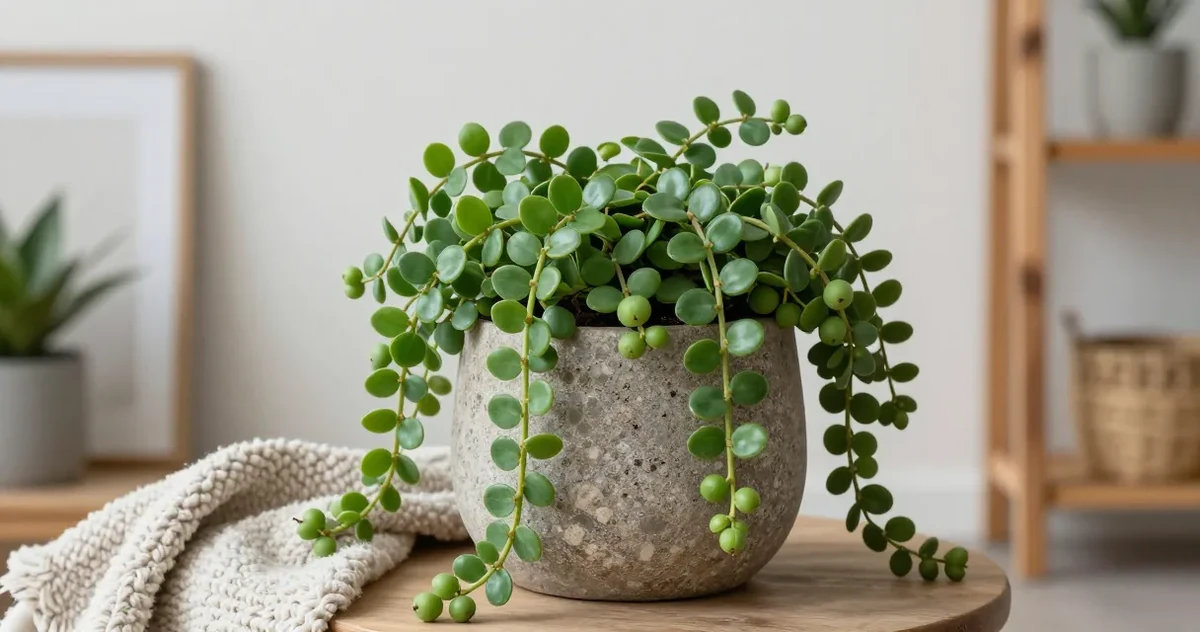
String of pearls cuttings laid flat on potting mix, with fine white roots beginning to form at the nodes

How to Propagate String of Pearls: Cuttings That Actually Root

If you’ve got a string of pearls trailing off a shelf and want more of her, or you’ve snapped a strand by accident and want to salvage it, the process is genuinely straightforward – once you understand one thing most guides skip: this plant roots wherever a node touches damp soil, not from the cut tip alone. That single detail changes how you handle the stem, where you position it, and why some cuttings root beautifully while others go soft and mushy within weeks. ...

 · 18 min · 
Houseplant with drooping and limp leaves on a windowsill

Drooping Plant Leaves: How to Diagnose the Real Cause

You come home and something has changed. The plant that was holding itself upright yesterday is now hanging forward, leaves soft and heavy. Before you’ve finished thinking about it, your hand is already reaching for the watering can. That instinct makes complete sense. It’s also the reason a lot of plants end up in worse shape than they started. Drooping leaves are a distress signal, not an instruction to water. They tell you something is wrong. They don’t tell you what. And the fix looks completely different depending on which problem you’re actually dealing with. ...

 · 17 min · 
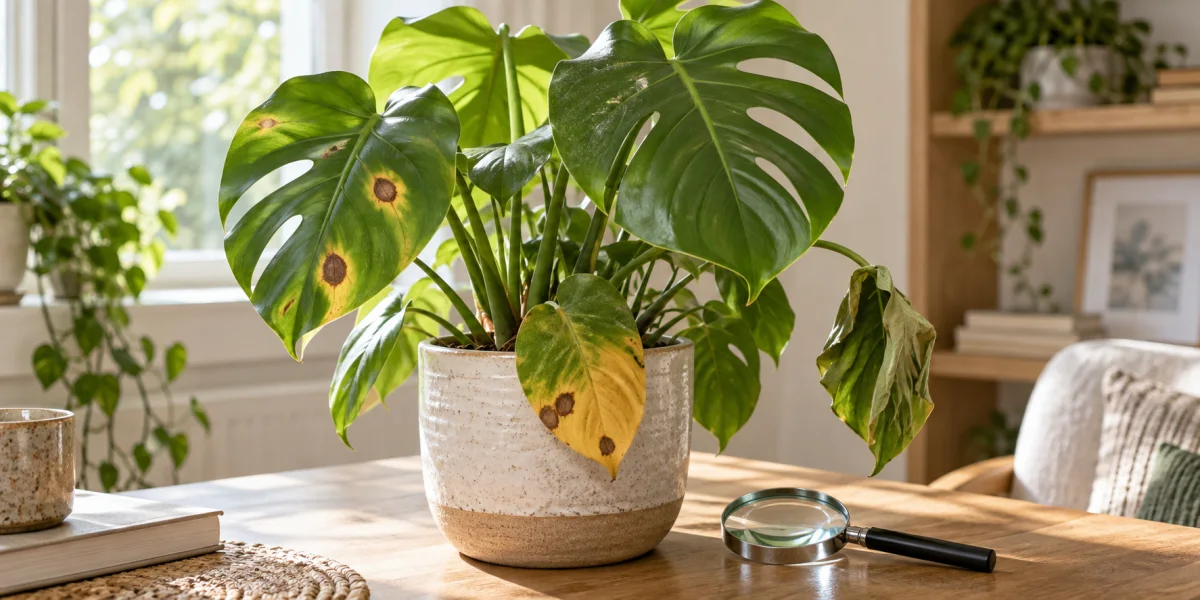
Close-up of a damaged houseplant leaf showing different types of marks and patterns

Leaf Damage Identification: What Your Plant Leaves Are Telling

You notice something off with your plant. A brown patch on a leaf, a crispy edge, a pale splotch that wasn’t there last week. Your first move is probably to search the symptom and find one answer. The problem is that leaf damage identification doesn’t work that way: a brown spot can mean thrips, sunburn, fertilizer salt buildup, overwatering, or damage from handling at the nursery. Treating the wrong cause does nothing, and sometimes makes things worse. ...

 · 21 min · 
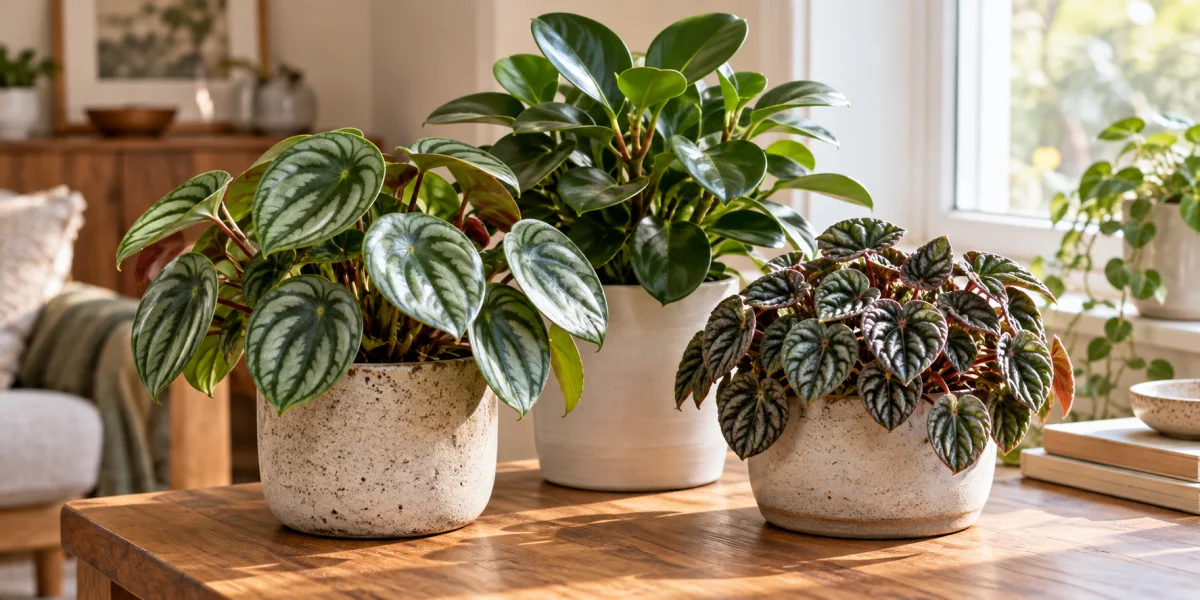
Several philodendron varieties including heartleaf, Xanadu, and Brasil arranged indoors on shelves and poles

Philodendron Types: The Best Varieties for Indoor Growers

If you’ve ever stood in a garden center staring at a shelf of philodendrons – heart-shaped leaves, velvet leaves, big split leaves, some trailing, some bushy – and thought I have no idea which one I actually want, you’re in very good company. Philodendron types vary so dramatically that two plants with the same name on the tag can look nothing alike once they mature. The clearest way to think about it before you pick anything: philodendrons divide into two main growth habits – trailing or climbing types, and self-heading types. One group wants to vine along a surface or hang from a basket; the other sits upright without any support. That single distinction shapes where the plant can live, whether it needs a pole, and how much space it will eventually claim. ...

 · 21 min · 
Small humidifier near a cluster of tropical houseplants on a shelf

Humidifier for Plants: Benefits, Placement, and Risks

You notice crisp brown edges on your calathea, your fern feels papery by evening, and suddenly every care guide tells you the same thing: buy a humidifier. Sometimes that advice is right. Sometimes it sends you chasing the wrong fix while the real problem is light, watering, or roots sitting stressed in tired soil. A humidifier for plants helps only when your room is actually too dry, and the smartest first step is to measure the air before you buy a machine. ...

 · 13 min · 
Majesty palm indoors near a bright window with green arching fronds

Majesty Palm Care Indoors: Light, Water, and Brown Tips

If your majesty palm keeps getting brown tips, yellow lower fronds, or that tired, dusty look no matter how carefully you water, you are probably not missing one magic trick. This palm is simply less forgiving indoors than the store tag usually admits. She wants brighter light, steadier moisture, and better humidity than the average living room gives without help. The good news is that majesty palm decline usually follows a pattern. Once you stop treating every symptom like a watering problem, she gets much easier to read. ...

 · 15 min · 
Venus flytrap plant in a white pot with open traps

Venus Flytrap Care: Water, Light, Feeding, and Dormancy

Most houseplants want roughly the same things: some light, regular watering, decent soil, maybe a little fertilizer once in a while. Venus flytrap care runs on almost the opposite set of rules, and that is exactly where most new owners get into trouble. A Venus flytrap is a carnivorous bog plant native to a narrow stretch of coastal wetland in North and South Carolina. NC State Extension notes that it evolved in nutrient-poor, mineral-light conditions that would stress many ordinary houseplants. That is why tap water, standard potting mix, weak indoor light, and routine fertilizer are not small mistakes here. They are the main reasons a new plant declines. ...

 · 12 min · 
Orchid roots in chunky bark potting mix showing healthy silver-green color

Orchid Soil Guide: Bark, Moss and the Best Potting Mix

If you’ve ever brought an orchid home and wondered what on earth it was sitting in, you’re not alone. That mix of bark chunks, moss, and sometimes what looks like nothing but a clear plastic cup? That’s not a mistake. Orchid soil is really a drainage and airflow system, not a growing medium in the traditional sense. Orchids don’t live in soil in the wild. They cling to tree bark, and their roots expect light, air, and fast drying between waterings. ...

 · 22 min · 
Hands holding clean scissors about to make a pruning cut on a monstera vine near a node

How to Prune Monstera: Where to Cut and What to Do With Cuttings

You decide your monstera needs a trim. You get the scissors. You stand there. And then the plant just looks back at you, and you realize you have no idea which stem to cut, let alone where on that stem the cut should go. That specific moment of freezing is what this guide is for. And if you have already made a cut and now have a stem sitting in a glass of water doing nothing for the past two months, this guide explains why that happens – and what a viable cutting actually needs before you clip anything else. ...

 · 25 min · 
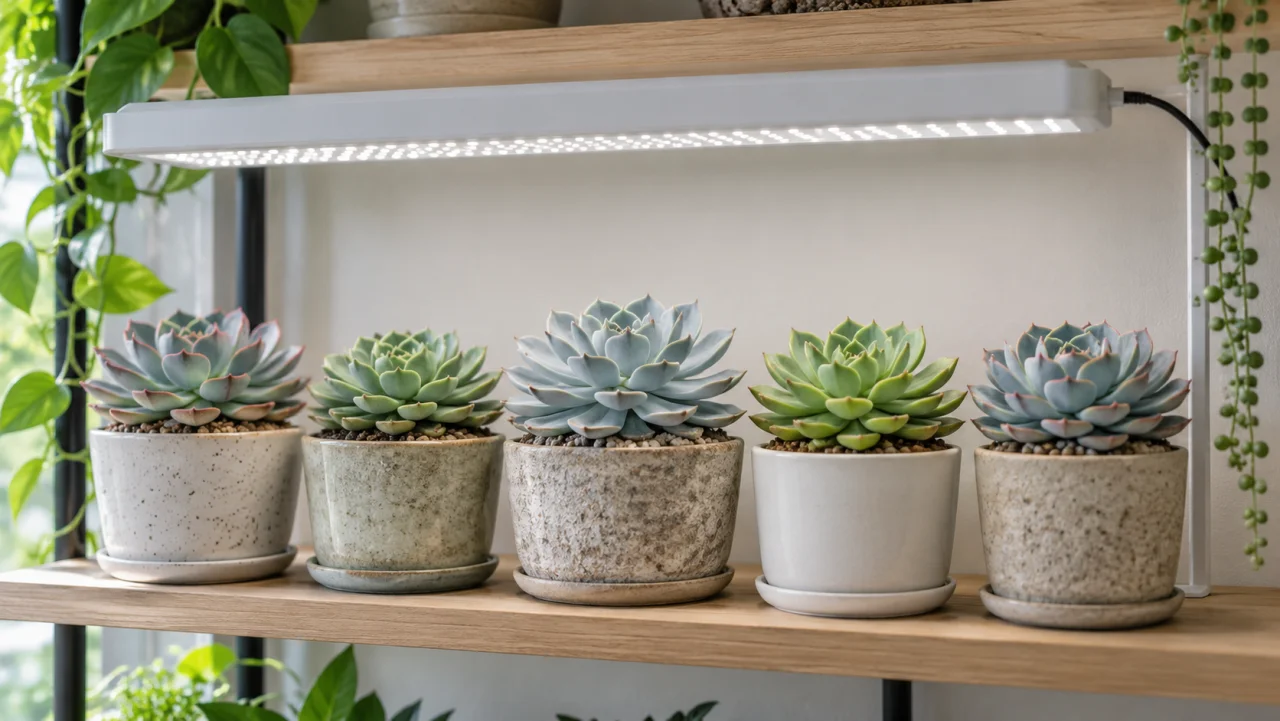
Zebra haworthia and jade plant on a bright windowsill indoors

Indoor Succulent Plants: Best Types and Care Rules

You brought home a succulent because every article said it was the easiest houseplant you could own. Three months later the stem is soft, or the leaves have gone pale and stretched themselves toward the window in a hopeful, spindly lean. You’ve been careful. You haven’t overwatered. And yet. The issue is almost never your watering. It’s that most succulent care guides skip over the single decision that determines whether an indoor succulent stays healthy or slowly declines: whether you chose the right species for the light you actually have. ...

 · 19 min ·