Snake Plant Care Guide for Beginners

Snake Plant Care Guide for Beginners

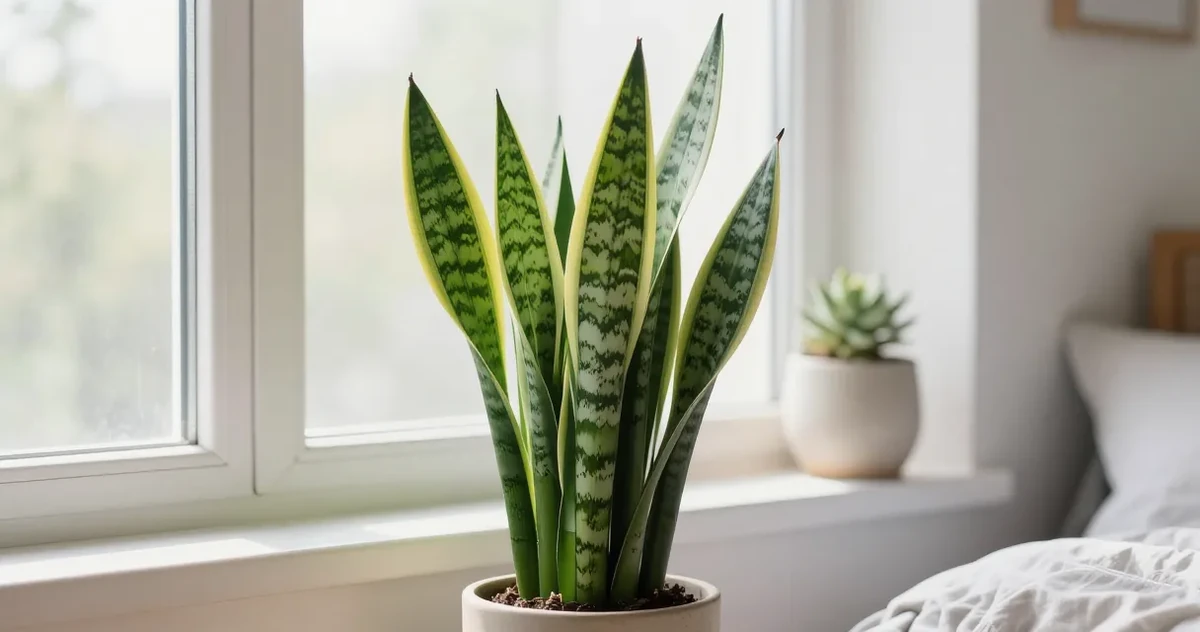
The Short Version: Water Less Than You Think If you are here because your snake plant has yellow leaves, curling leaves, brown tips, or you are standing in a shop wondering whether this plant fits your routine, start here: snake plants usually struggle because they get watered too often, not because they are ignored. For most homes, water every two to three weeks in spring and summer, and about once a month in autumn and winter. Always check the soil first. If it is still damp a few centimetres down, do not water yet. If the leaves are yellow, mushy at the base, leaning in wet soil, or the pot smells sour, you are probably overdoing it. ...

 · 19 min · 
Pothos Varieties Guide: Types and Care

Pothos Varieties Guide: Types and Care

If you’ve ever stood in a garden center staring at trailing vines and wondered which pothos will actually survive in your home, start here. The right variety depends less on which leaf pattern you like and more on three everyday things: your light, your watering habits, and how much you want the plant to grow. Pothos varieties are mostly members of the Epipremnum aureum species, with a few close relatives that stores sell under the same everyday name. They all trail, climb, and tolerate normal home conditions, but they are not identical. A jade pothos can handle a dim shelf and missed watering better than a snow queen. A marble queen needs brighter indirect light to keep its white pattern strong. A satin pothos often wants a steadier moisture routine than a golden pothos. ...

 · 26 min · 
Pothos vs Philodendron: Differences

Pothos vs Philodendron: Differences

You’re standing in a garden center, or maybe scrolling through a plant shop online, and you see two plants side by side. Both have heart-shaped green leaves. Both trail beautifully. Both are labelled with names that don’t quite match what you remember. This is the pothos vs philodendron puzzle, and it trips up almost everyone at some point. Here’s the useful part: you do not need a botany lesson to solve it. You need a few reliable checks for the plant in front of you, then a simple answer to the care question that usually follows: can you water it the same way, and which one fits your room better? Nurseries sometimes don’t help matters; mislabelling is common enough that you cannot always trust the tag in the pot. Once you know what to look for, though, you’ll never mix them up again. ...

 · 20 min · 
Rubber Plant Care Guide for Indoors

Rubber Plant Care Guide for Indoors

By KnowYourPlant editorial team, last updated June 16, 2026. Rubber plant care gets much easier once you know the few checks that matter: bright indirect light, a pot with drainage, and watering only after the top inch or two of soil dries out. In many homes, that means watering about every 7-10 days in spring and summer, then closer to every two or three weeks in winter. If you are worried about overdoing it, watch for lower leaves turning yellow, leaves drooping while the soil is still damp, or soil that stays wet for more than a week or two. If leaves curl inward or the tips turn crispy brown, check whether the plant has gone too dry, is sitting in harsh sun, or is near a heater or draft. ...

 · 22 min · 
Philodendron Pink Princess Care Guide

Philodendron Pink Princess Care Guide

Philodendron Pink Princess is not hard to keep alive, but it is easy to disappoint if you buy it for the pink and then put it in a dim corner. The real care question is simple: can you give it bright indirect light, a pot that drains, and a soil check once a week? If yes, it can fit a normal indoor routine. If you want a plant you can water on a fixed schedule and forget, choose a tougher green philodendron instead. ...

 · 20 min · 
Monstera Adansonii Care Guide Indoors

Monstera Adansonii Care Guide Indoors

If you are trying to keep a monstera adansonii alive indoors, the main question is simple: can you give it bright indirect light and resist watering before the soil starts to dry? If yes, this is usually a manageable plant for a normal home routine. Monstera adansonii, also called Swiss cheese vine, is a fast-growing trailing or climbing houseplant with naturally holey leaves. It is smaller and lighter than the monstera thai constellation and the larger monstera deliciosa, so it fits shelves, hanging baskets, and moss poles more easily. The care challenge is not complicated botany. It is reading the plant’s signals before small issues turn into yellow leaves, curled leaves, brown tips, or root rot. ...

 · 18 min · 
Neon Pothos Care Guide for Bright Leaves

Neon Pothos Care Guide for Bright Leaves

Neon pothos is a good plant for you if you have a bright window and can check the soil once a week. It is not the best choice for a dark corner if you want those glowing yellow-green leaves to stay bright. If yours is fading, curling, yellowing, or getting brown tips, this guide will help you sort the likely cause without turning plant care into homework. The short version: give neon pothos bright indirect light, water when the top couple inches of soil are dry, and never let the pot sit in standing water. New leaves coming in bright chartreuse mean the spot is working. New leaves coming in darker green usually mean it needs more light. Yellow, soft leaves usually point to too much water; curled or crispy leaves usually point to thirst, heat, or dry air. ...

 · 20 min · 
Heartleaf Philodendron Care Indoors

Heartleaf Philodendron Care Indoors

Heartleaf Philodendron Care, Without the Guesswork If you want a trailing houseplant that can handle normal indoor light and a busy routine, heartleaf philodendron is one of the easiest good fits. The main way people get into trouble is simple: watering too often. The quick answer: water when the top 3-4 cm of soil feels dry. In many homes that means every 7-10 days in warm, bright months and every 12-14 days, sometimes longer, in winter. Yellow lower leaves plus wet soil usually mean you are overdoing it. Curling or limp leaves with very dry soil usually mean it is time to water. ...

 · 20 min · 
How to Get Rid of Fungus Gnats Fast

How to Get Rid of Fungus Gnats Fast

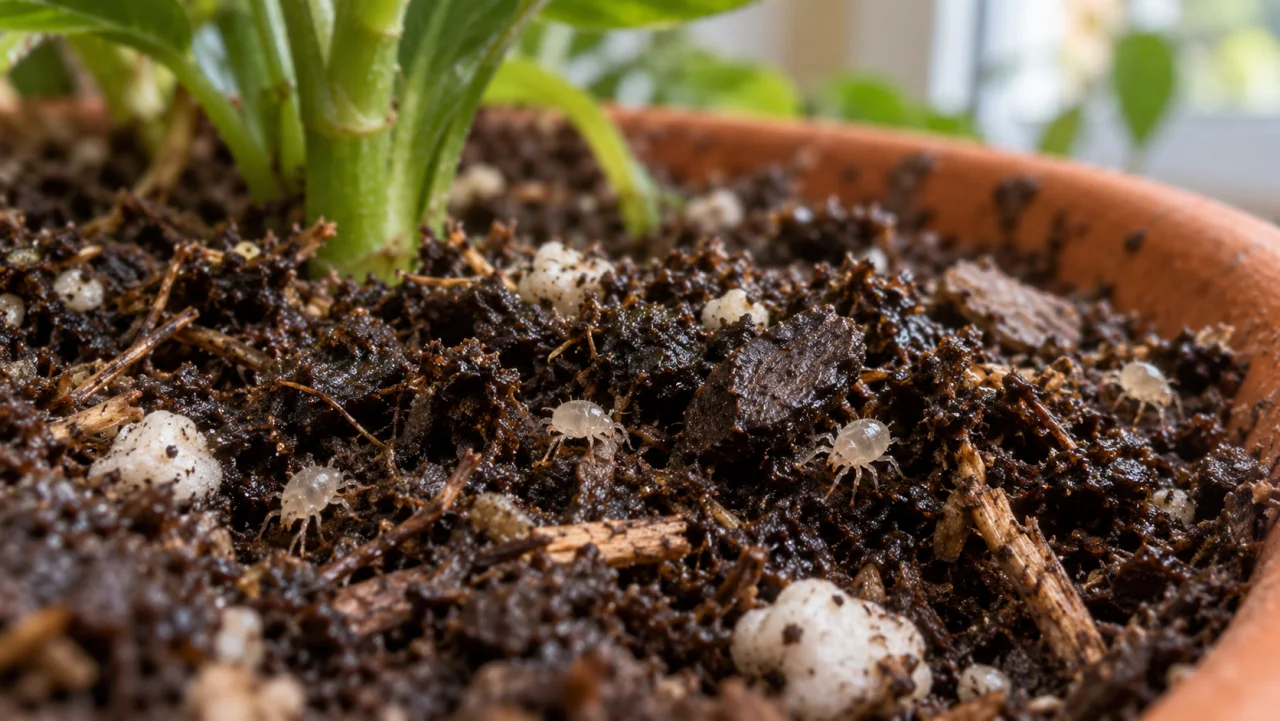
By KnowYourPlant Editorial Team, updated June 24, 2026. This version keeps the guide aligned with extension and IPM guidance reviewed for the June 18, 2026 evidence refresh. Start Here if You Need the Gnats Down Fast If you are standing over the pot right now and just want the first three moves, do these before you try anything fancy: Put a yellow sticky trap in every suspect pot so you can see which container is actually feeding the outbreak. Let the top 1 to 2 inches of mix dry as much as the plant safely allows, then empty every saucer, cachepot, or reservoir holding leftover water. If adults return after the next watering, add a labeled larval treatment such as BTI or beneficial nematodes and focus on the wettest source pots first. If the plant is a seedling, fresh cutting, or already recovering from root stress, keep the dry-down gentler and lean harder on monitoring plus larval control. ...

 · 18 min · 
Calathea Care Guide: Water and Light

Calathea Care Guide: Water and Light

Calathea care has a reputation, and it’s earned. If you’ve found yourself staring at crispy brown edges, leaves curling inward like little scrolls, or a plant that looks sulky for no obvious reason, you’re in good company. Almost everyone who grows calathea goes through this. Here’s the thing worth holding onto: calathea isn’t difficult because it’s fragile. It’s difficult because it’s specific. Once you understand what it actually needs, keeping one happy becomes a lot less mysterious. ...

 · 19 min ·