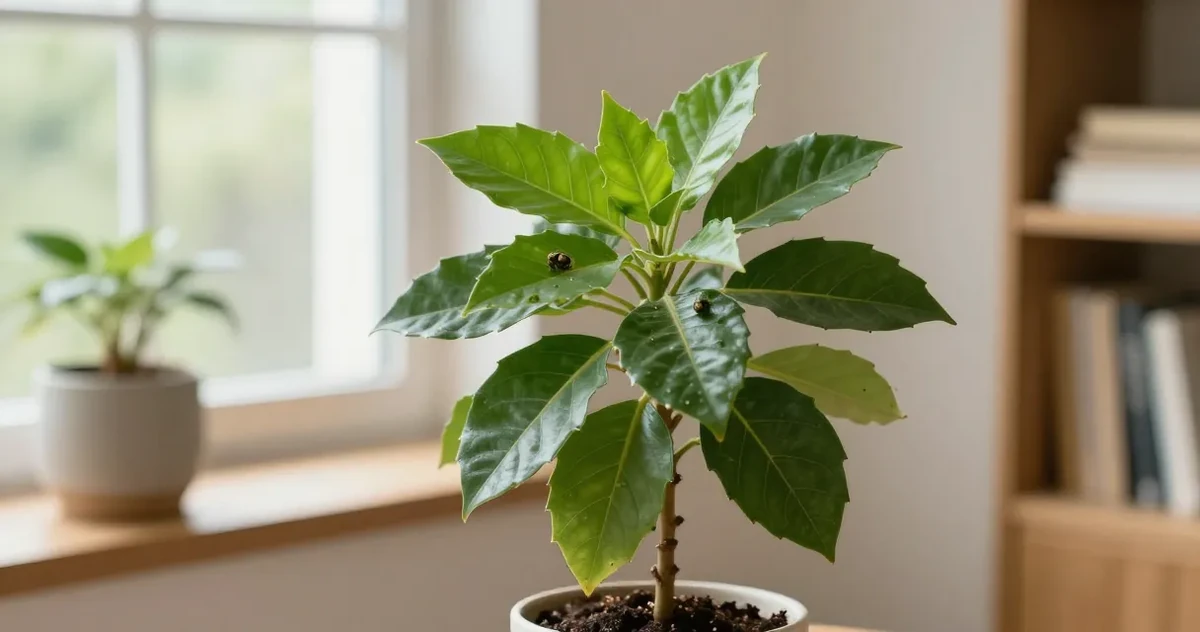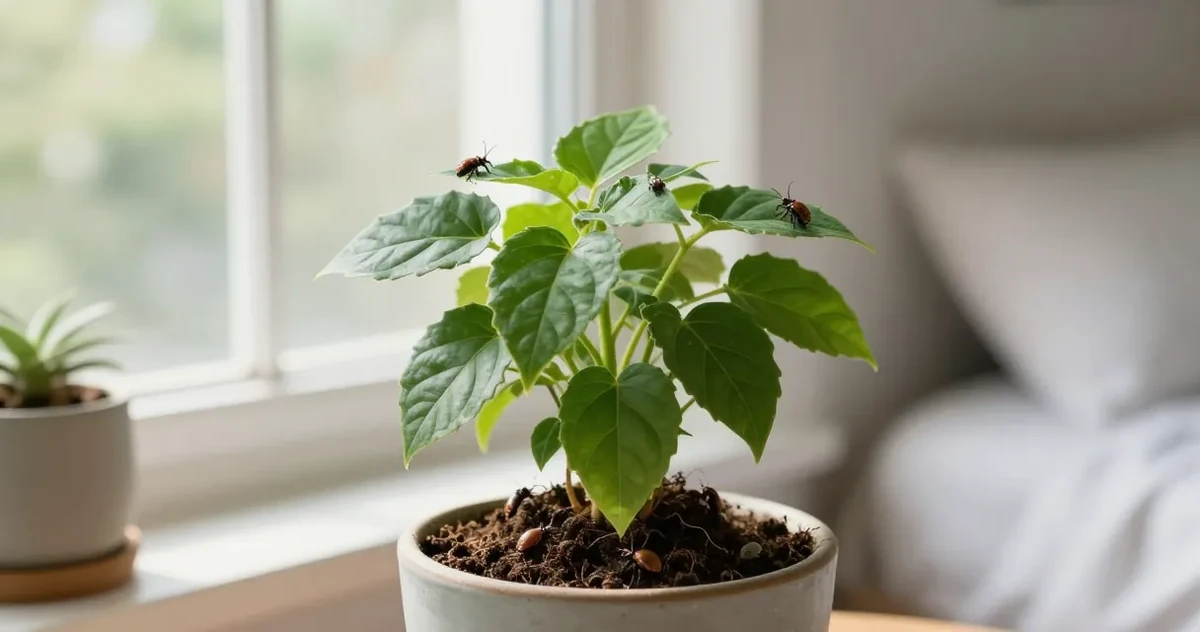
Scale insects clustered on a plant stem, showing the characteristic bumpy, waxy appearance of an infestation

Scale Insects on Plants: Identification and Treatment Guide

You wipe the plant down, pick off every visible bump, spray it with insecticidal soap. Three weeks later, the stickiness is back. You missed something, and the generic guides do not tell you what. Scale insects are small sap-sucking bugs that attach to plant stems and leaves under a hardened or waxy covering, making them look like part of the plant rather than an infestation. What most guides skip is the part that explains why so many people treat the same plant three or four times without ever fully clearing the problem: scale has a life stage – the crawler – that most contact products miss, and the two main types respond to completely different treatments. ...

 · 19 min · 
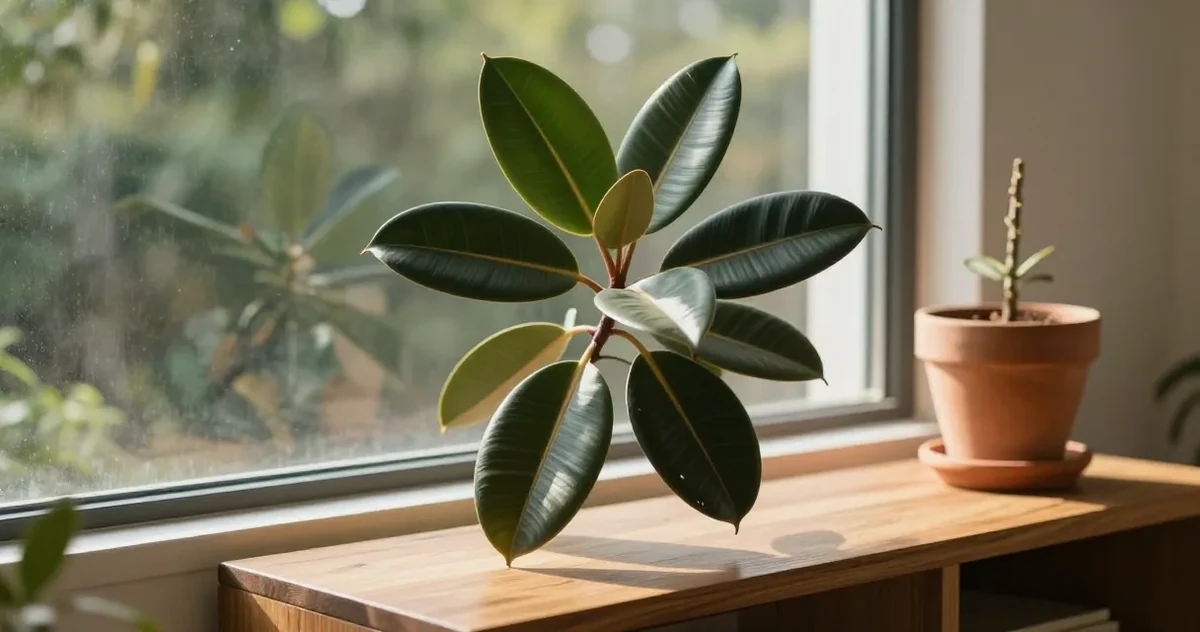
Rubber plant with yellowing lower leaves in an indoor setting

Rubber Plant Dropping Leaves: Causes and Fixes

Rubber Plant Dropping Leaves: Causes and Fixes If your rubber plant is dropping leaves and you can’t work out why, you’re not alone. Ficus elastica leaf drop is one of those problems that looks sudden - the plant seemed fine last week, and now there are leaves on the floor and nothing in the pot looks visibly wrong. Here is the part most articles skip over: rubber plants don’t drop leaves because of one fixed condition they’ve been living in for months. They drop leaves in response to change. A new location, a seasonal shift, a watering habit that drifted after an overwatering scare - something happened before the first leaf fell. Find the change and you’ve already solved half the problem. ...

 · 18 min · 
Houseplant leaf with visible spots and discoloration showing common disease symptoms

Houseplant Diseases: Identify Spots, Rot, Mildew and Wilting

Something is wrong with your plant and the leaves are telling you, but they’re not speaking plainly. Yellow patches, brown spots, white dust, a stem that suddenly feels soft. You searched “houseplant diseases” hoping for a clear answer and instead found a dozen articles listing every disease in alphabetical order, none of which quite match what’s in front of you. Here’s a more useful starting point: a houseplant disease is any infectious or environmental condition that damages plant tissue in a repeating pattern – but most indoor plant problems are not infectious at all. They look like disease. They feel like disease. But they’re actually stress responses to watering habits, light levels, or drainage problems that mimic the real thing exactly. ...

 · 17 min · 
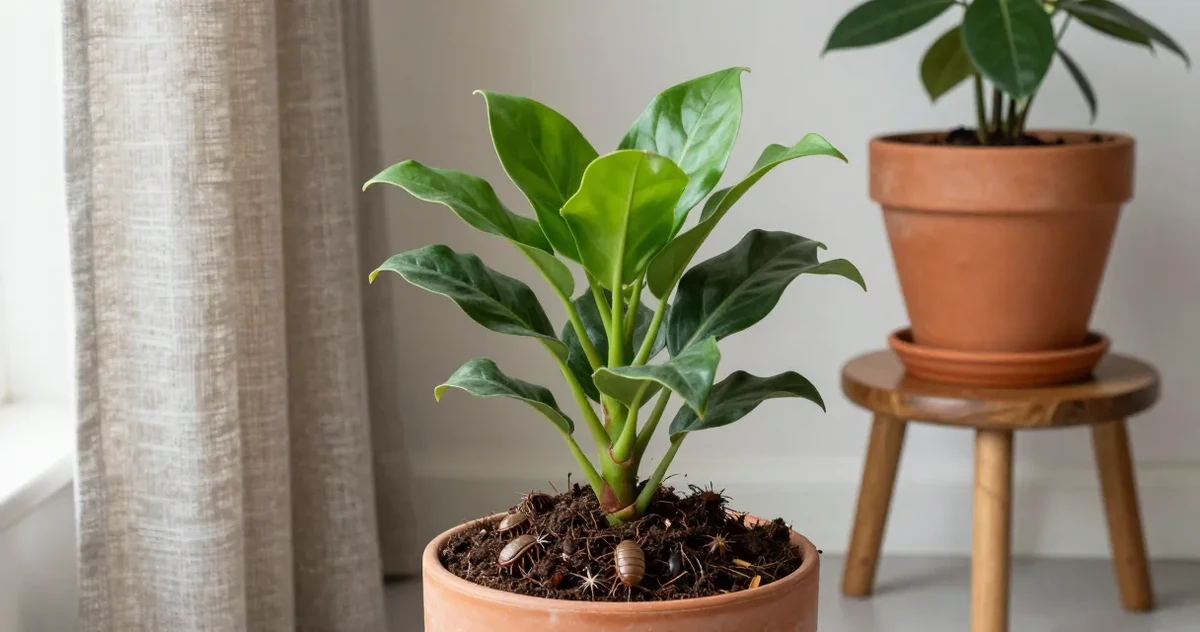
Close-up of potting soil surface showing tiny mites in a houseplant pot

Soil Mites in Houseplants: Harmless Helpers or a Problem?

You move a pot to water it, disturb the top layer of soil, and suddenly notice tiny white or orange specks scrambling in every direction. Your stomach drops. Are those bugs? Do you need to act? Before you reach for a spray bottle, here is the single most useful thing to know: soil mites are not automatically a problem. They are a natural part of living soil. In the garden, nobody panics when they turn a shovelful of earth and find mites working through the decomposing matter. Indoors, though, any moving creature near a plant triggers the urge to treat first and ask questions later. ...

 · 19 min · 
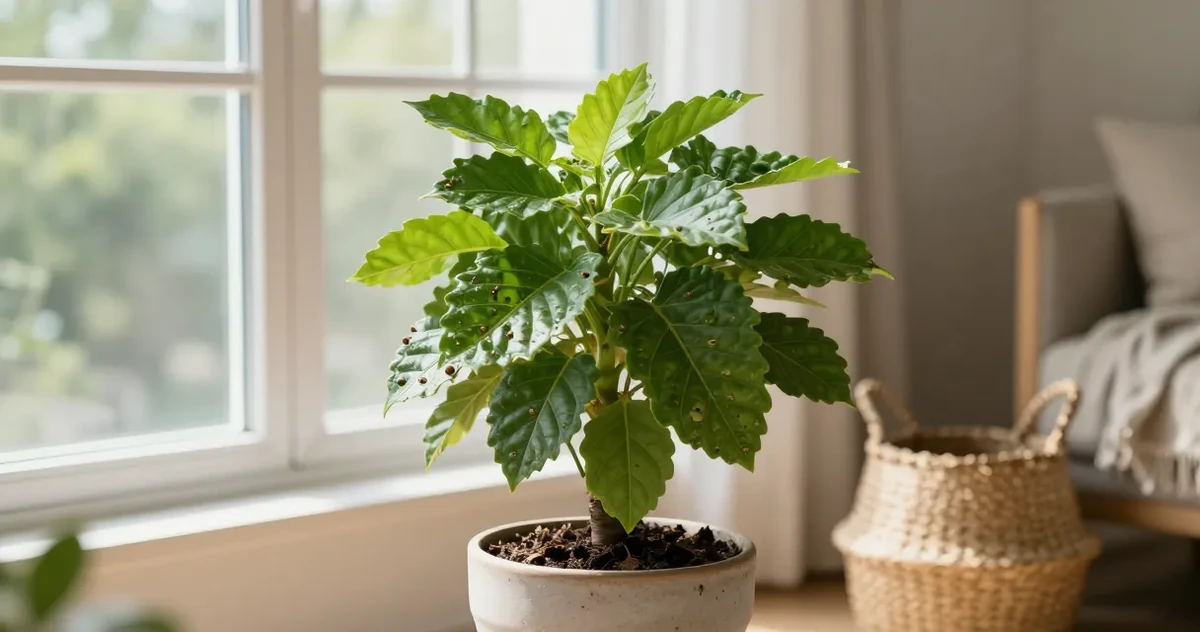
Close-up of houseplant leaves showing common pest damage including stippling and webbing

Houseplant Pests Guide: Identify and Treat Common Indoor Bugs

The most common houseplant pests are fungus gnats, spider mites, mealybugs, thrips, and scale insects. Each one hides differently, causes different damage, and responds to a different first treatment. The fastest path to solving any of them is figuring out where the problem is showing up first, not reaching for a product. If nothing is moving and the pattern looks more like spreading spots, mildew, rot, or wilt, switch to the houseplant diseases guide before treating for insects. ...

 · 21 min · 
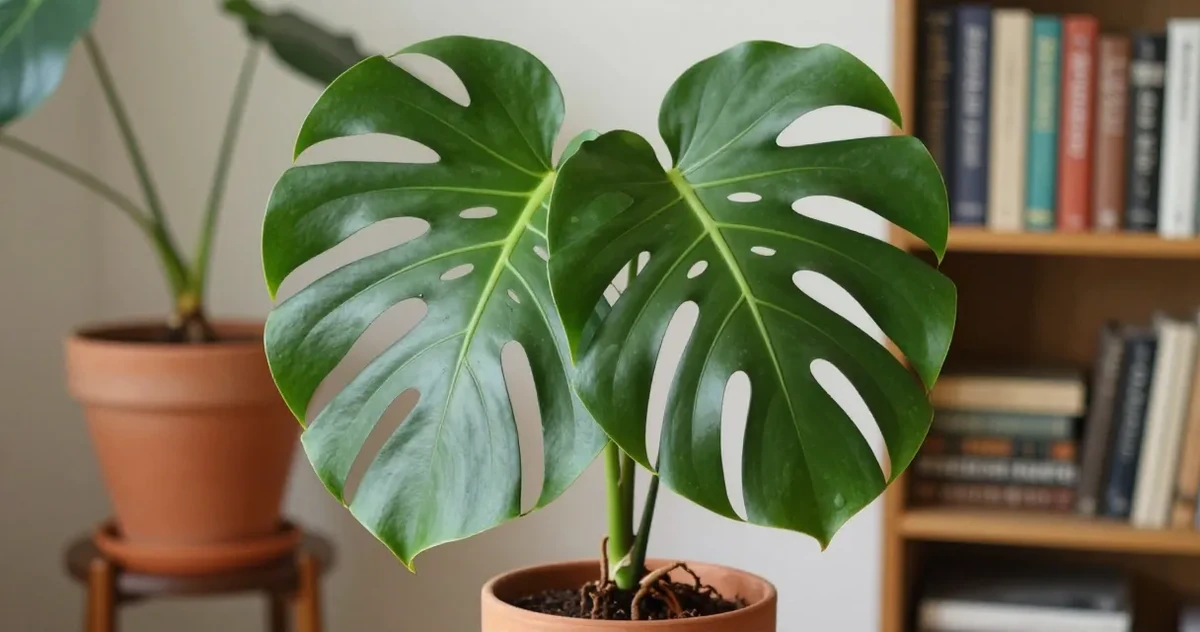
Monstera plant being removed from pot to inspect roots for signs of root rot

Monstera Root Rot: How to Save Your Plant Step by Step

Your monstera looked fine last week. Now the leaves are yellowing, the soil feels permanently damp, and you have that sinking feeling something has gone wrong underground. If that sounds familiar, you might be dealing with monstera root rot - and catching it now, even before you are certain, gives you a real chance to save her. Monstera root rot is what happens when roots sit in waterlogged soil long enough that they can no longer take in oxygen. Without oxygen, roots stop functioning and begin to decay. The plant above the soil can look fine at first, then drop fast - which is exactly why so many owners get caught off guard. ...

 · 18 min · 
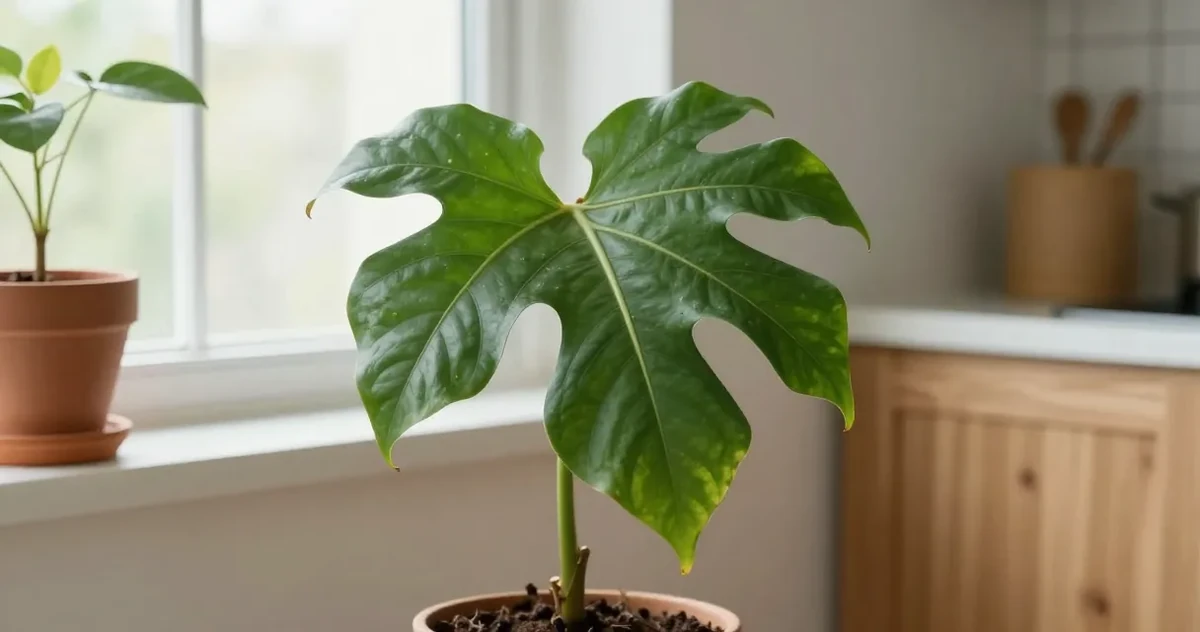
Houseplant leaf with bleached white patch from direct sunlight

Plant Sunburn: Signs, Treatment and How to Prevent It

You moved your pothos closer to the window on a sunny afternoon, or brought a new plant home from the nursery and set it on the sill. A few days later you spot it: a pale, washed-out patch on a leaf. Or a crispy brown edge that definitely wasn’t there before. Your first thought is that you’ve done something wrong, and now you’re trying to figure out what before it spreads. ...

 · 18 min · 
Close-up of houseplant soil showing tiny insects on the surface

Tiny Bugs in Houseplant Soil: ID and How to Get Rid of Them

You pull back the leaves, glance at the soil, and see something moving. Something tiny. Something that was definitely not there last week. Before you do anything, take a breath. Most tiny bugs in houseplant soil are either harmless or very fixable once you know what you are actually dealing with. The problem is that most people skip the identification step and reach for whatever spray or drench they have on hand. And the wrong treatment either does nothing, or stresses the plant while the real problem continues underground. ...

 · 19 min · 
Snake plant with yellowing lower leaves in a terracotta pot

Snake Plant Yellow Leaves: Every Cause and Fix

Snake plant yellow leaves are one of those problems that look obvious until you try to fix them the wrong way. You see a yellow leaf, assume the plant is thirsty, water it, and things get worse. Or you’ve heard the “snake plants hate water” advice, cut back drastically, and the plant goes from yellow to papery and limp. If the main symptom is leaning or collapse rather than color change, the snake plant drooping guide is the faster diagnostic path. Both happen regularly, and both are avoidable once you know how to read the actual symptom pattern before you reach for the watering can. ...

 · 18 min · 
Plant being unpotted to check for root rot

Root Rot: Signs, Treatment and How to Save Your Plant

The plant looks like it’s wilting. You check the soil and it’s damp. You water it anyway because it looks thirsty, and a few days later it looks worse. You Google “yellow leaves” and “drooping plant” and get a hundred different answers. Eventually someone mentions root rot and now you’re not sure if your plant is dying or if you just need to back off the watering. This is the exact loop root rot pulls you into. It mimics underwatering so convincingly that most people make it worse before they realize what’s actually happening. ...

 · 22 min ·