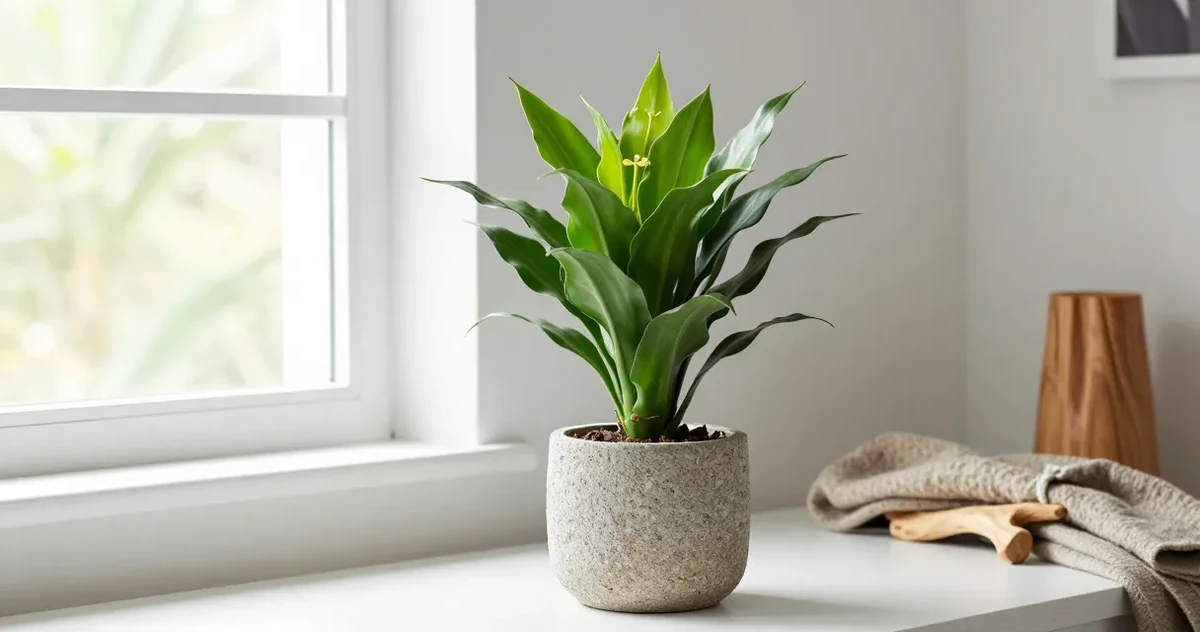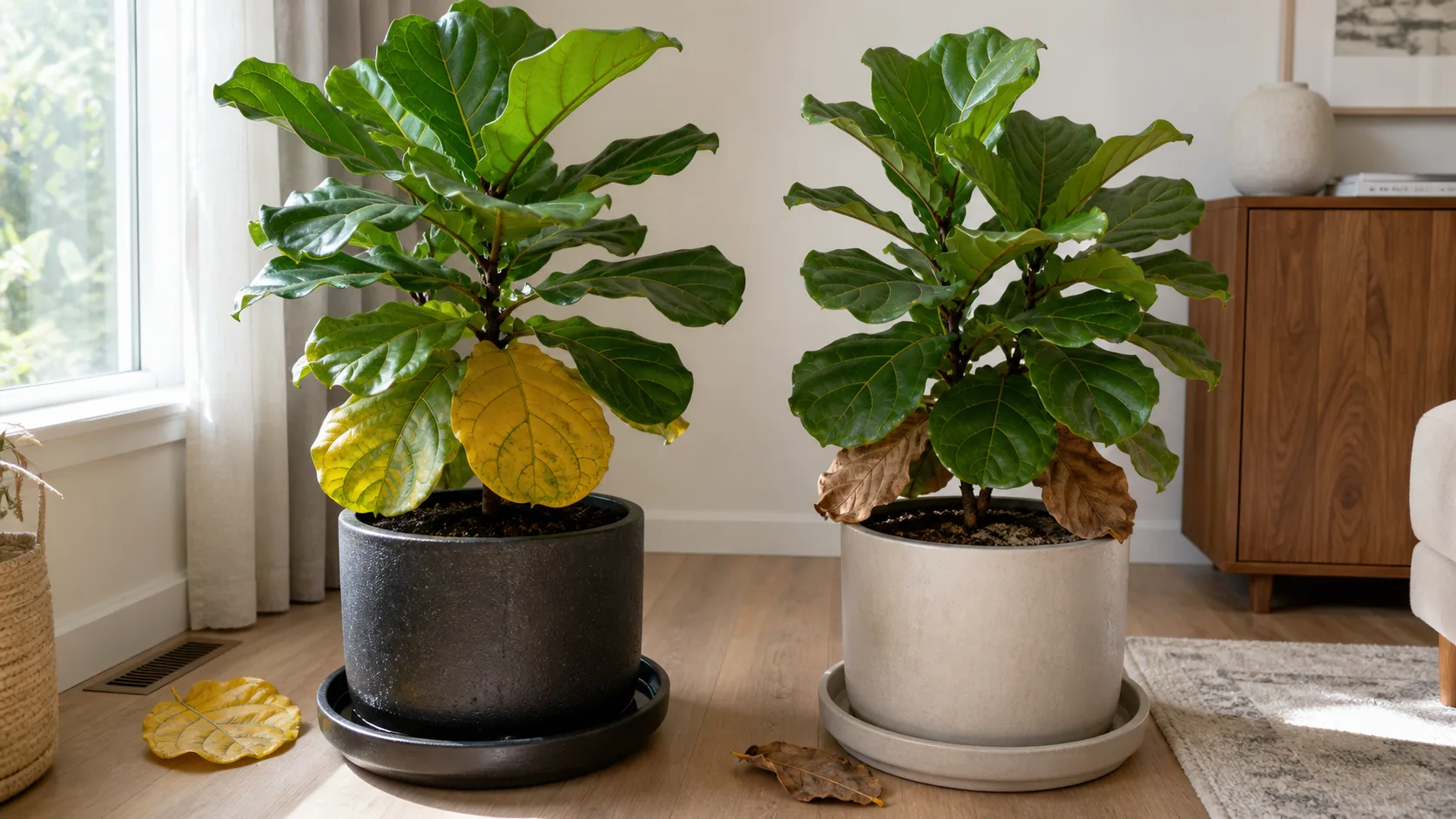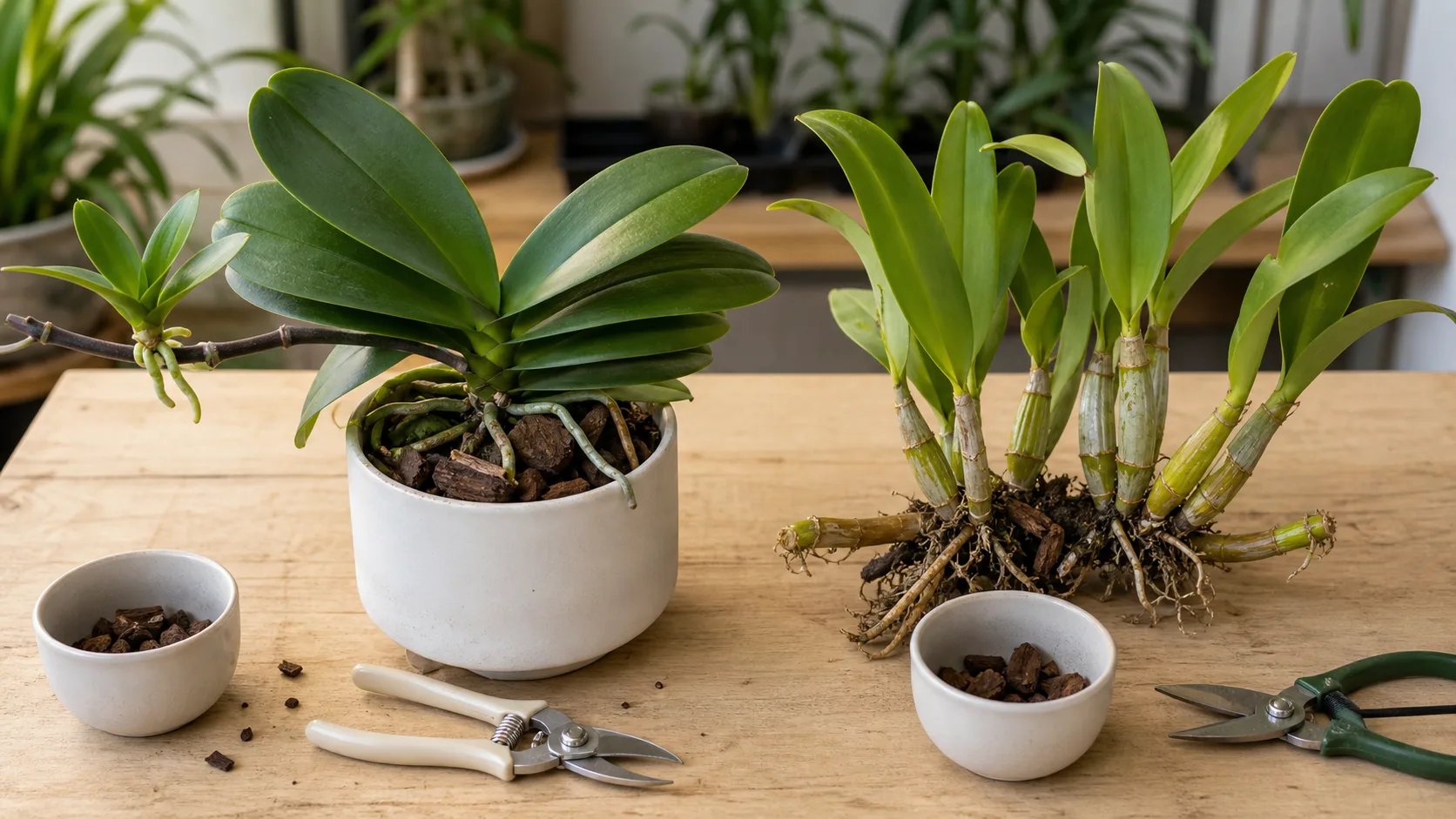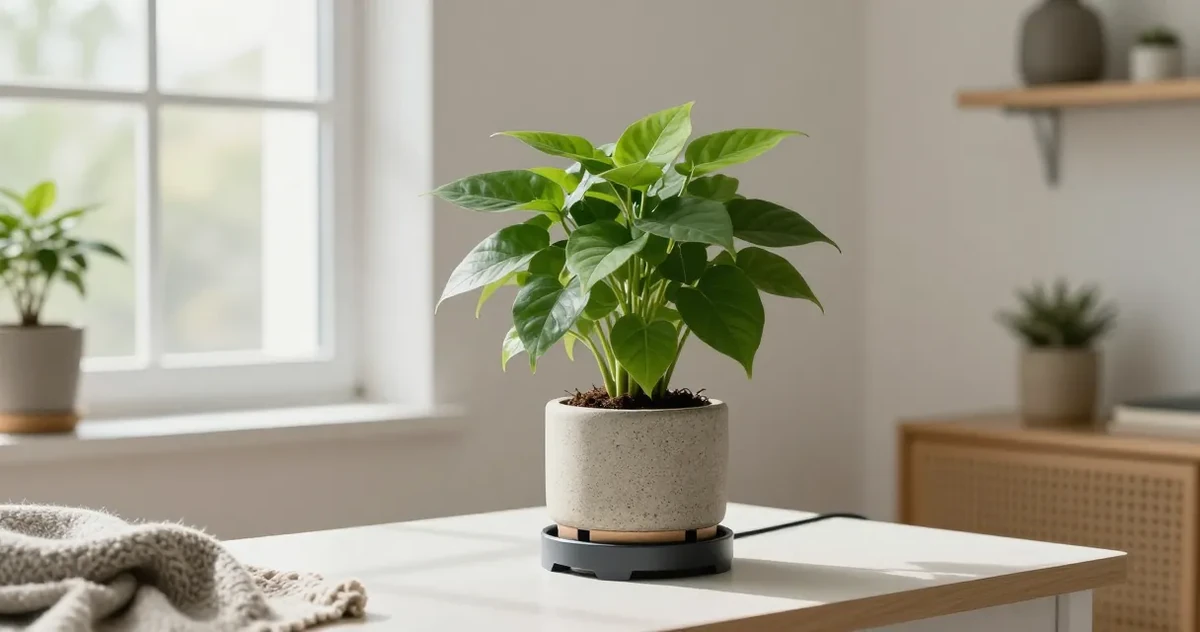
A self-watering pot, wick system setup, and drip stakes arranged next to common indoor houseplants

Plant Watering Systems: What Works for Indoor Plants?

Here’s a scenario that comes up more than you’d think: someone buys a self-watering pot before a trip, comes home to a thriving pothos, and thinks they’ve figured it out. Then they try the same setup with their snake plant, and a month later the base has gone soft and the lower leaves are yellowing. Same system. Completely different result. That’s the real problem with most watering system advice. It focuses on the gadget when the actual decision is about the plant. A self-watering pot that keeps soil consistently moist is perfect for a pothos and genuinely harmful for a snake plant. A wick that works great for a small peace lily might flood a larger pot of the same plant if you switch containers before a trip. ...
 · 20 min · 
ZZ plant stem cutting with healthy leaflets ready for propagation

ZZ Plant Propagation: Leaf, Stem and Division Methods

ZZ plant propagation works. It just works slowly, sometimes very slowly, and most guides skip over that part entirely. If you have a ZZ cutting sitting in water right now wondering whether it should have rooted by now, or you have been staring at a leaf stuck into potting mix for two months and nothing has happened above the soil: that is normal. According to the University of Connecticut Home Garden Education Office, small rhizomes may begin forming in about a month under greenhouse conditions, but in a typical home setting the same process can take up to nine months before you see any visible progress above ground. ...

 · 18 min · 
ZZ plant in a terracotta pot with well-draining soil mix

ZZ Plant Soil: The Best Mix for Healthy Roots

Most ZZ plant problems trace back to the same place: a root zone that stayed wet too long. Not too much water exactly, not too little – but a soil-and-pot system that never fully dried out between waterings. The plant kept looking fine on the surface while those thick, potato-shaped rhizomes quietly sat in moisture they never asked for. If your ZZ plant is yellowing, growing slowly, or has a base that feels soft when you press it, the soil setup is usually where to start. This guide covers what ZZ plant roots actually need, what a good mix looks like, how pot choice changes everything, and how to read the signals that tell you the current setup is not working. ...

 · 20 min · 
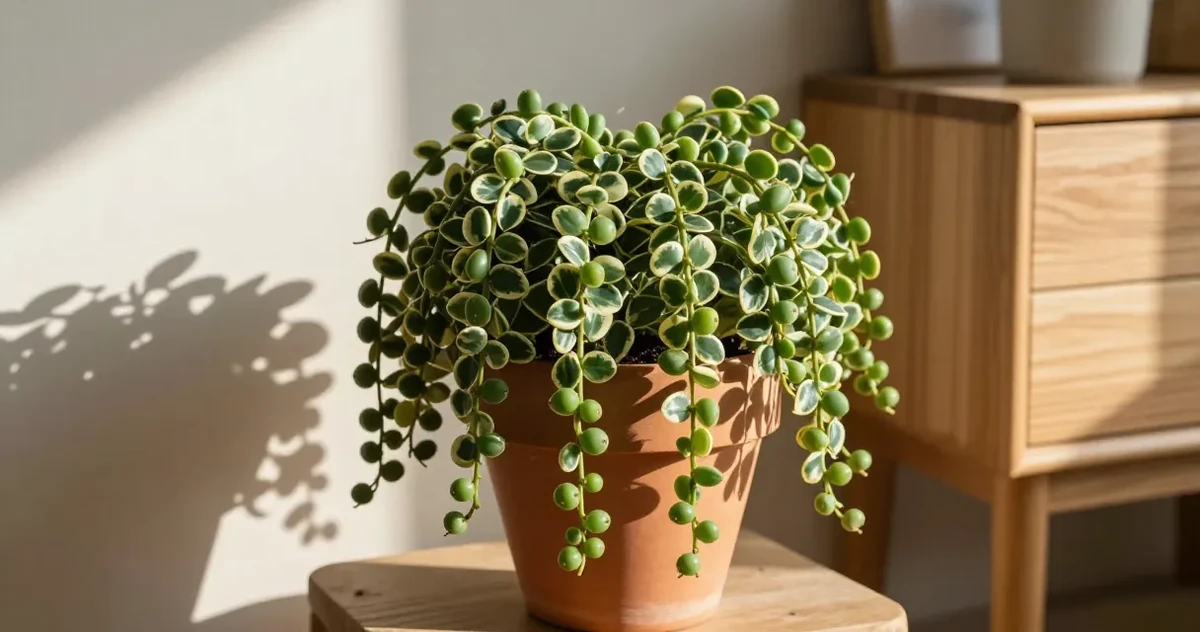
Variegated string of pearls trailing over a terracotta pot with cream and green patterned pearls

Variegated String of Pearls Care: Keep Pearls Full and Bright

You bought it for those cream and green spheres. Little patterned pearls strung along slender stems, trailing over the edge of a pot like something hand-made. And then, slowly, you noticed the color fading toward plain green, or the pearls feeling less firm, or the crown thinning out and the strands looking sparse at the base. That’s not bad luck. That’s a specific mismatch between what this plant actually needs and what most care cards say about it. ...

 · 17 min · 
String of hearts vines with aerial tubers ready for propagation

String of Hearts Propagation: Water, Soil and Tuber Methods

You have a long string of hearts vine - maybe one beautiful trailing strand, maybe a pot that looks thinner than you expected - and you want more of it. That is the moment most people start searching for propagation advice, and that is the moment most guides let them down. Not because water propagation or soil cuttings are hard. They are not. String of hearts roots readily. The real problem is that most guides treat propagation as a single task with four interchangeable options, when it is actually three different goals with four different best-fit methods. Choosing the wrong one for your situation is why people spend weeks waiting for results that never quite match the lush basket they were picturing. ...

 · 19 min · 
Houseplant with drooping and limp leaves on a windowsill

Drooping Plant Leaves: How to Diagnose the Real Cause

You come home and something has changed. The plant that was holding itself upright yesterday is now hanging forward, leaves soft and heavy. Before you’ve finished thinking about it, your hand is already reaching for the watering can. That instinct makes complete sense. It’s also the reason a lot of plants end up in worse shape than they started. Drooping leaves are a distress signal, not an instruction to water. They tell you something is wrong. They don’t tell you what. And the fix looks completely different depending on which problem you’re actually dealing with. ...

 · 17 min · 
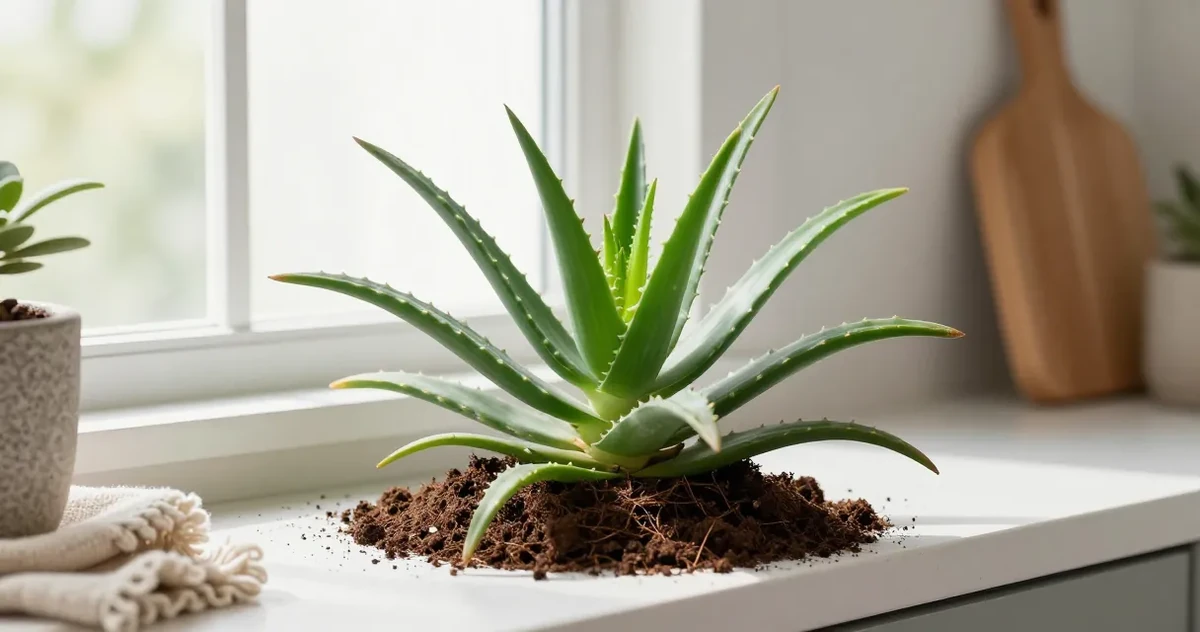
Well-draining aloe potting mix with perlite in a terracotta pot

Soil for Aloe Plants: Drainage Mixes That Prevent Rot

If your aloe has been sitting in standard potting mix, there is a good chance the soil is working against her. You might have even used something labeled “cactus mix” from the garden center. That is a fine starting point, but here is the thing: not all cactus mixes are the same, and the recipe that works in a bright, dry room will keep the roots too wet in a dimmer one. Get the soil wrong, and all the good intentions in the world will not stop rot from quietly starting below the surface. ...

 · 17 min · 
ZZ plant flower spadix and spathe sitting low near the soil line

ZZ Plant Flower: What It Means and How to Encourage Blooms

If you noticed something odd sitting low near the soil line of your ZZ plant, a pale, finger-shaped structure half-hidden under the leaves, you may have just seen something most indoor plant owners never recognize. Not because ZZ plant flowers are impossibly rare, but because they look nothing like what we picture when we think of a bloom. No petals. No fragrance. Just a quiet, tucked-away structure that most people mistake for new growth or ignore entirely. ...

 · 16 min · 
Fiddle leaf fig with fallen lower leaves beside its pot

Fiddle Leaf Fig Dropping Leaves: Start Where It Fell

If your fiddle leaf fig is dropping leaves, pause before you water, repot, fertilize, or move it again. Leaf drop means the plant is responding to stress, but it does not identify the stress by itself. What Most Care Guides Miss The most common misdiagnosis is that a yellow lower leaf must mean thirst. Lower leaves can also yellow and fall when the middle of the pot stays wet too long, especially in low light or an oversized pot. Watering immediately may make that problem worse. ...

 · 16 min · 
A healthy orchid keiki and a sympodial orchid with pseudobulbs ready for division

Orchid Propagation: Should You Cut, Wait, or Fix Care First?

Most home orchid owners do not need a complicated propagation guide. They need one low-risk decision: safe to cut, wait, or recover first. If the plant has limp or fast-yellowing leaves, mushy roots, sour media, or a tiny baby with one short root, do not cut today. If the plant is healthy but too small, wait. If the plant shape matches the method and it clears the size threshold, you can propagate carefully. ...

 · 6 min ·