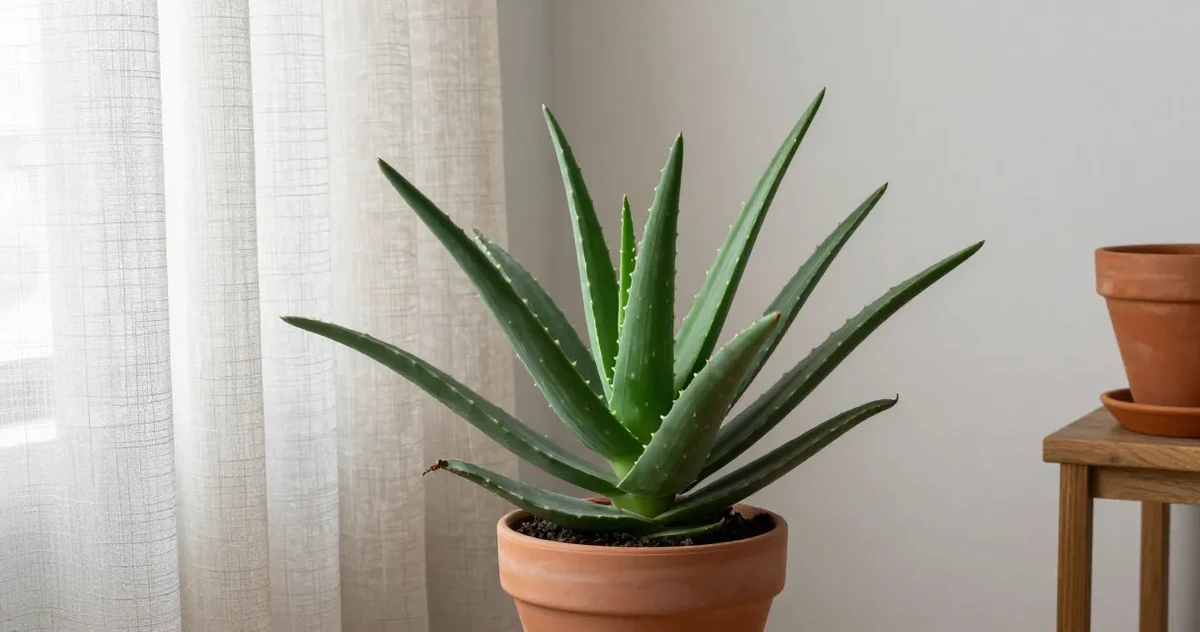
Aloe vera plant in a terracotta pot on a sunny windowsill

Aloe Vera Care Guide: How to Grow and Use Aloe Indoors

Most people buy aloe vera for two reasons: it is nearly indestructible, and it is actually useful. Burn your hand on the oven, snap a leaf, and the gel is right there. That combination of low-maintenance and practical value makes aloe one of the few houseplants that earns its spot on a windowsill without asking much in return. The catch is that aloe has one quiet failure pattern. The plant often looks fine right up until it does not. By the time the leaves go soft and the base turns dark, the roots may already have been sitting in wet soil for too long. Overwatering does not announce itself the way underwatering does, which is why aloe rewards diagnosis more than routine. ...

 · 16 min · 
Chinese Evergreen plant with patterned green and silver leaves in an indoor setting

Chinese Evergreen Care Guide: The Most Forgiving Houseplant

If you’ve ever killed a plant and sworn off trying again, Chinese Evergreen care might be your way back in. The Aglaonema is one of those rare plants that adapts to you: your light, your schedule, even the occasional forgotten watering. It doesn’t demand much, and it rewards you with bold, patterned leaves that look far more exotic than the effort required to grow them. If you want a few similarly forgiving options, the easy houseplants for beginners guide is a good next stop. ...

 · 20 min · 
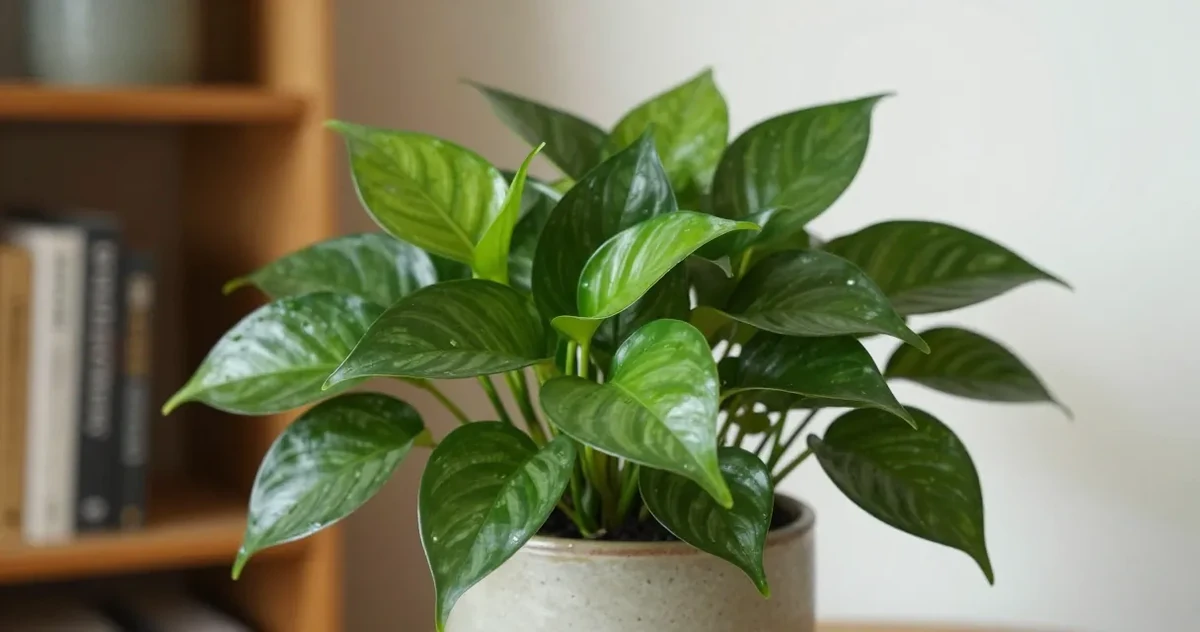
Satin pothos with silver-splashed velvety leaves trailing from a shelf

Satin Pothos (Scindapsus) Care Guide: Silver and Silk Varieties

If you just brought home a satin pothos and want the plain answer: put it in bright indirect light, water only when the top half of the soil has dried, and check the soil before reacting to curling or yellowing leaves. In many homes that means watering about every 10 to 14 days in spring and summer, then closer to every three weeks in autumn and winter. The easiest way to overdo it is to treat satin pothos like a thirsty plant. It is not. Too much water usually shows up as yellow lower leaves, soft stems, or soil that stays damp for more than two weeks. Too little water or too-dry air usually shows up as curling leaves, crispy edges, or brown tips. ...

 · 13 min · 
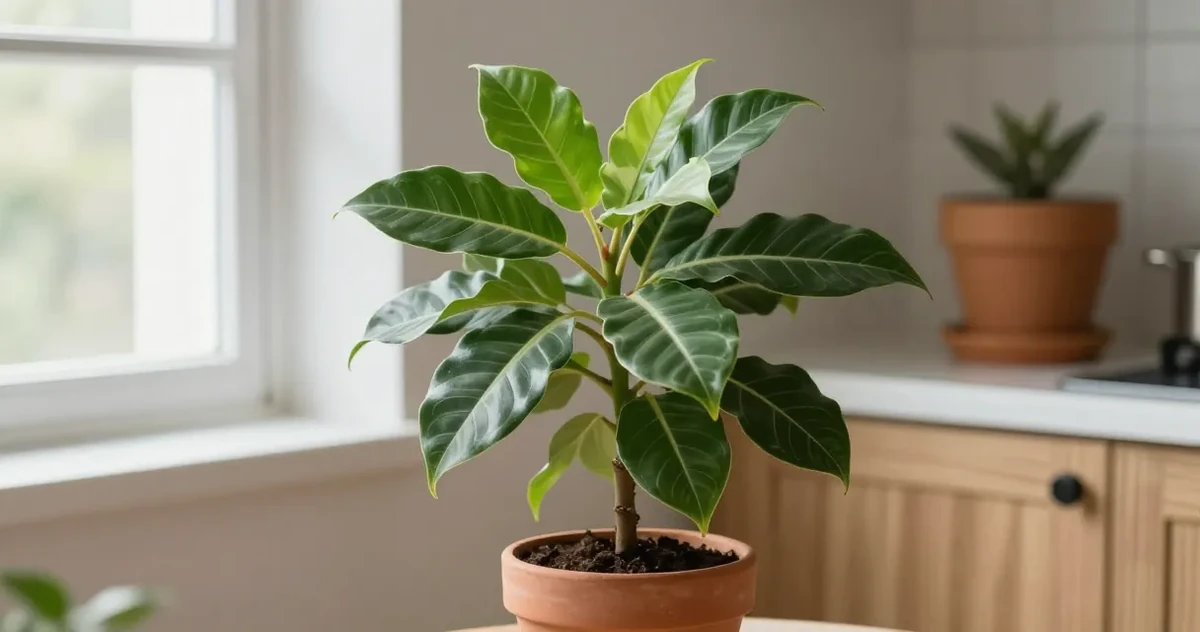
Fiddle leaf fig care guide showing a healthy Ficus lyrata tree in bright indirect light

Fiddle Leaf Fig Care Guide: Stop Killing Your Ficus Lyrata

Fiddle leaf fig care has a reputation for being impossible, but most failures come from three ordinary problems: not enough light, watering before the pot has dried enough, and moving the plant every time it looks annoyed. Ficus lyrata is not a beginner-proof plant, but it is not mysterious. Give it bright filtered light, a pot that drains, a consistent watering rhythm, and time to adjust before you change the setup again. ...

 · 22 min · 
Monstera Peru care guide showing textured green leaves on a climbing support

Monstera Peru Care Guide

If you are looking at a Monstera Peru and mostly want to know whether it fits your home, the answer is yes if you have bright indirect light and can check the soil about once a week. Water when the top 2 inches are dry, use a chunky mix, and give the vine something to climb. Yellow leaves usually mean the pot is staying wet too long; curling leaves usually mean thirst, heat, or root trouble; brown tips usually point to uneven watering, dry air, sun, or fertilizer salts. ...

 · 20 min · 
Prayer Plant Care Guide for Maranta

Prayer Plant Care Guide for Maranta

If your prayer plant leaves are curling, yellowing, or turning crispy at the tips, you probably do not need a botany lesson. You need to know what to check first, how often to water, and whether this plant fits the light and routine you actually have at home. Here is the short version: keep a prayer plant in bright indirect light, water when the top 2-3 cm of soil feels dry, and do not let the pot sit in runoff water. Most homes need water every 5-7 days in warmer months and every 10-14 days in winter, but the soil check matters more than the calendar. Curling usually means the plant is too dry, too hot, or sitting in dry air. Yellow lower leaves usually mean too much water. Brown crispy tips usually mean low humidity or sensitive tap water. ...

 · 19 min · 
Rubber Plant Care Guide for Indoors

Rubber Plant Care Guide for Indoors

By KnowYourPlant editorial team, last updated June 16, 2026. Rubber plant care gets much easier once you know the few checks that matter: bright indirect light, a pot with drainage, and watering only after the top inch or two of soil dries out. In many homes, that means watering about every 7-10 days in spring and summer, then closer to every two or three weeks in winter. If you are worried about overdoing it, watch for lower leaves turning yellow, leaves drooping while the soil is still damp, or soil that stays wet for more than a week or two. If leaves curl inward or the tips turn crispy brown, check whether the plant has gone too dry, is sitting in harsh sun, or is near a heater or draft. ...

 · 22 min · 
Philodendron Pink Princess Care Guide

Philodendron Pink Princess Care Guide

Philodendron Pink Princess is not hard to keep alive, but it is easy to disappoint if you buy it for the pink and then put it in a dim corner. The real care question is simple: can you give it bright indirect light, a pot that drains, and a soil check once a week? If yes, it can fit a normal indoor routine. If you want a plant you can water on a fixed schedule and forget, choose a tougher green philodendron instead. ...

 · 20 min · 
Monstera Adansonii Care Guide Indoors

Monstera Adansonii Care Guide Indoors

If you are trying to keep a monstera adansonii alive indoors, the main question is simple: can you give it bright indirect light and resist watering before the soil starts to dry? If yes, this is usually a manageable plant for a normal home routine. Monstera adansonii, also called Swiss cheese vine, is a fast-growing trailing or climbing houseplant with naturally holey leaves. It is smaller and lighter than the monstera thai constellation and the larger monstera deliciosa, so it fits shelves, hanging baskets, and moss poles more easily. The care challenge is not complicated botany. It is reading the plant’s signals before small issues turn into yellow leaves, curled leaves, brown tips, or root rot. ...

 · 18 min · 
Neon Pothos Care Guide for Bright Leaves

Neon Pothos Care Guide for Bright Leaves

Neon pothos is a good plant for you if you have a bright window and can check the soil once a week. It is not the best choice for a dark corner if you want those glowing yellow-green leaves to stay bright. If yours is fading, curling, yellowing, or getting brown tips, this guide will help you sort the likely cause without turning plant care into homework. The short version: give neon pothos bright indirect light, water when the top couple inches of soil are dry, and never let the pot sit in standing water. New leaves coming in bright chartreuse mean the spot is working. New leaves coming in darker green usually mean it needs more light. Yellow, soft leaves usually point to too much water; curled or crispy leaves usually point to thirst, heat, or dry air. ...

 · 19 min ·