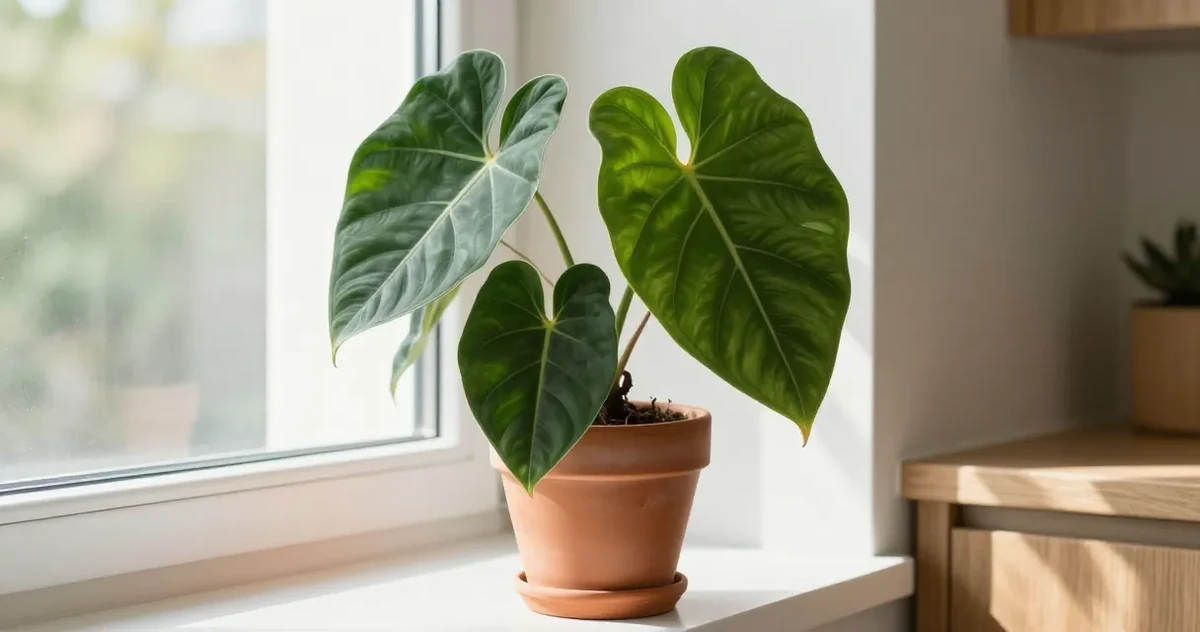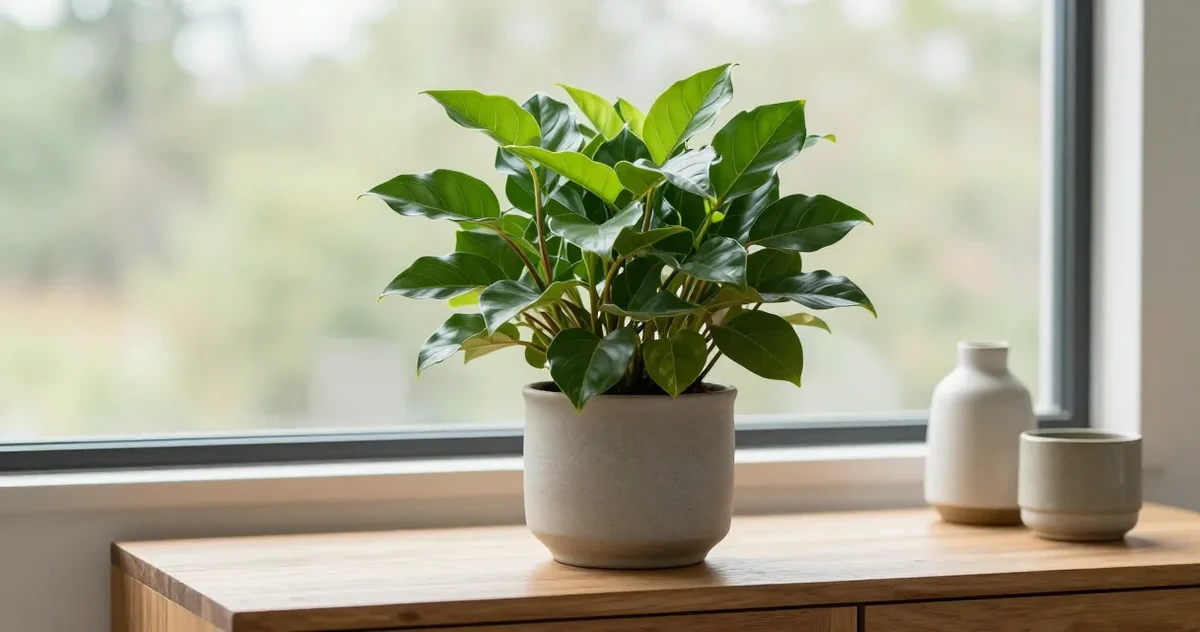
Prayer Plant Care Guide for Maranta

Prayer Plant Care Guide for Maranta

If your prayer plant leaves are curling, yellowing, or turning crispy at the tips, you probably do not need a botany lesson. You need to know what to check first, how often to water, and whether this plant fits the light and routine you actually have at home. Here is the short version: keep a prayer plant in bright indirect light, water when the top 2-3 cm of soil feels dry, and do not let the pot sit in runoff water. Most homes need water every 5-7 days in warmer months and every 10-14 days in winter, but the soil check matters more than the calendar. Curling usually means the plant is too dry, too hot, or sitting in dry air. Yellow lower leaves usually mean too much water. Brown crispy tips usually mean low humidity or sensitive tap water. ...

 · 19 min · 
Snake Plant Care Guide for Beginners

Snake Plant Care Guide for Beginners

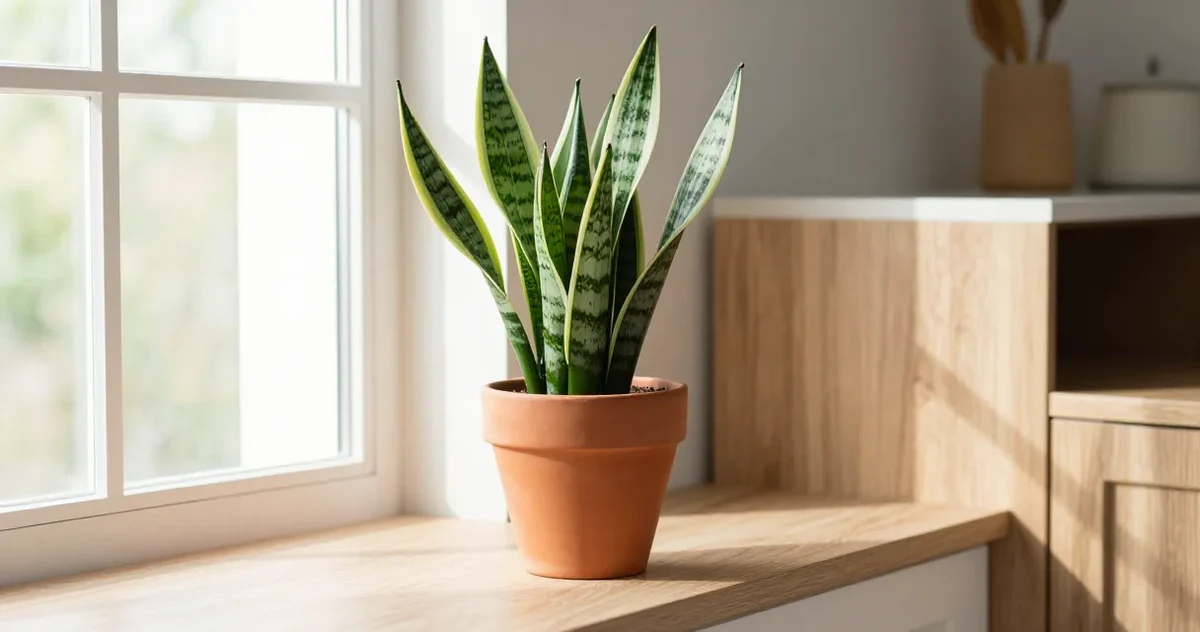
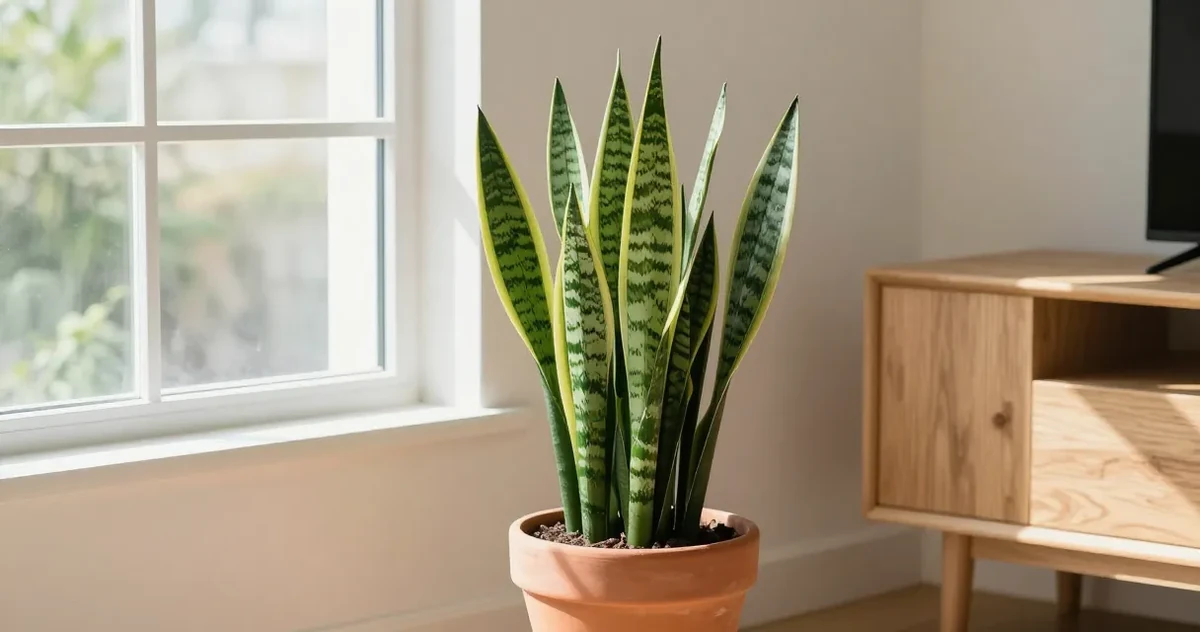
The Short Version: Water Less Than You Think If you are here because your snake plant has yellow leaves, curling leaves, brown tips, or you are standing in a shop wondering whether this plant fits your routine, start here: snake plants usually struggle because they get watered too often, not because they are ignored. For most homes, water every two to three weeks in spring and summer, and about once a month in autumn and winter. Always check the soil first. If it is still damp a few centimetres down, do not water yet. If the leaves are yellow, mushy at the base, leaning in wet soil, or the pot smells sour, you are probably overdoing it. ...

 · 19 min · 
Heartleaf Philodendron Care Indoors

Heartleaf Philodendron Care Indoors

Heartleaf Philodendron Care, Without the Guesswork If you want a trailing houseplant that can handle normal indoor light and a busy routine, heartleaf philodendron is one of the easiest good fits. The main way people get into trouble is simple: watering too often. The quick answer: water when the top 3-4 cm of soil feels dry. In many homes that means every 7-10 days in warm, bright months and every 12-14 days, sometimes longer, in winter. Yellow lower leaves plus wet soil usually mean you are overdoing it. Curling or limp leaves with very dry soil usually mean it is time to water. ...

 · 19 min · 
Indoor Plant Care Guide for Beginners

Indoor Plant Care Guide for Beginners

You brought a plant home, found it the perfect spot on the windowsill, and watered it faithfully every few days. And then, slowly, something started going wrong. Maybe the leaves turned yellow. Maybe they drooped. Maybe the plant just quietly stopped looking like itself. If that sounds familiar, you are not doing it wrong. You are just missing a few pieces of the picture, and that is exactly what indoor plant care tips are for. ...

 · 19 min · 
Hydrangea Care Guide Indoors and Out

Hydrangea Care Guide Indoors and Out

Hydrangea Care: Quick Answer First If you are trying to keep a hydrangea alive, start here: it wants bright morning light, evenly moist soil, and a pot or garden bed that drains fast enough that the roots never sit in water. Most hydrangea problems come from one of three things: too much afternoon sun, soil that swings from bone-dry to soaked, or pruning at the wrong time. For a beginner, the daily decision is simple: check the soil before you water. If the top 2 inches feel dry, water deeply. If they still feel damp, wait. Drooping in hot afternoon sun can be normal; drooping in the morning with dry soil means water now. ...

 · 21 min · 
Plant Fertilizer Guide for Houseplants

Plant Fertilizer Guide for Houseplants

You do not need to memorize fertilizer chemistry to feed houseplants well. You need three answers: is the plant actively growing, how often should you feed it, and what warning signs mean you should stop? If you’ve been watering faithfully for months but the new leaves are smaller, the color looks washed out, or older leaves are yellowing one by one, fertilizer may be part of the fix. If the tips are turning brown, leaves are curling, or the soil has a white crust, more fertilizer may be exactly the wrong move. ...

 · 21 min · 
Best Tropical Plants to Grow Indoors

Best Tropical Plants to Grow Indoors

If you want tropical plants indoors, the real question is not “which one looks best?” It is: how bright is your room, how often will you realistically water, and what should you do when the leaves start curling, yellowing, or getting brown tips? This guide is for choosing a tropical plant that fits your home before you buy it, then keeping it alive with simple care steps. Most tropical houseplants want warm rooms, indirect light, and soil that partly dries before the next watering. The plants that struggle most indoors are usually the ones matched to the wrong light or watered on a fixed calendar instead of checked first. ...

 · 17 min · 
Golden Pothos Care Guide for Beginners

Golden Pothos Care Guide for Beginners

Golden pothos is a good first houseplant if you want clear rules instead of a fussy routine: give it bright indirect light, water only after the top few centimetres of soil dry out, and keep it away from pets that chew leaves. If the leaves start curling, yellowing, or getting brown tips, the fix usually starts with one simple check: is the soil dry, damp, or soggy? Golden pothos (Epipremnum aureum) is the heart-shaped trailing plant with green leaves splashed in yellow-gold. It is native to the Solomon Islands and grows as a tropical vine. According to the University of Florida IFAS Extension, golden pothos can reach lengths of 40 feet in its native tropical habitat, which explains why indoor plants can eventually trail down shelves, bookcases, and hanging baskets when the routine is right. ...

 · 18 min · 
Easy Houseplants for Beginners to Grow

Easy Houseplants for Beginners to Grow

If you’ve bought a plant with good intentions and watched it slowly yellow, curl, or collapse, this list is for you. The goal is not to find a plant that needs no care. It is to choose one that fits your light, your memory, and your normal week. For each beginner-friendly plant below, focus on three things: where it will live, when to water, and what the first warning sign looks like. That is the difference between buying a plant because it looks easy and choosing one you can actually keep alive. ...

 · 23 min · 
Best Low Light Indoor Plants That Live

Best Low Light Indoor Plants That Live

If your plant corner is a north-facing bedroom, office shelf, hallway, or a spot several feet from the window, you do not need a complicated routine. You need a plant that grows slowly, uses water slowly, and gives you clear warning signs before it collapses. Low light does not mean no light. A good low-light spot is bright enough to read in during the day but does not get direct sun. If you need a lamp to read there at noon, plan on adding an LED lamp or choosing a different spot. If you are starting from scratch, our easy houseplants for beginners guide helps narrow this list to the most forgiving picks. ...

 · 22 min ·