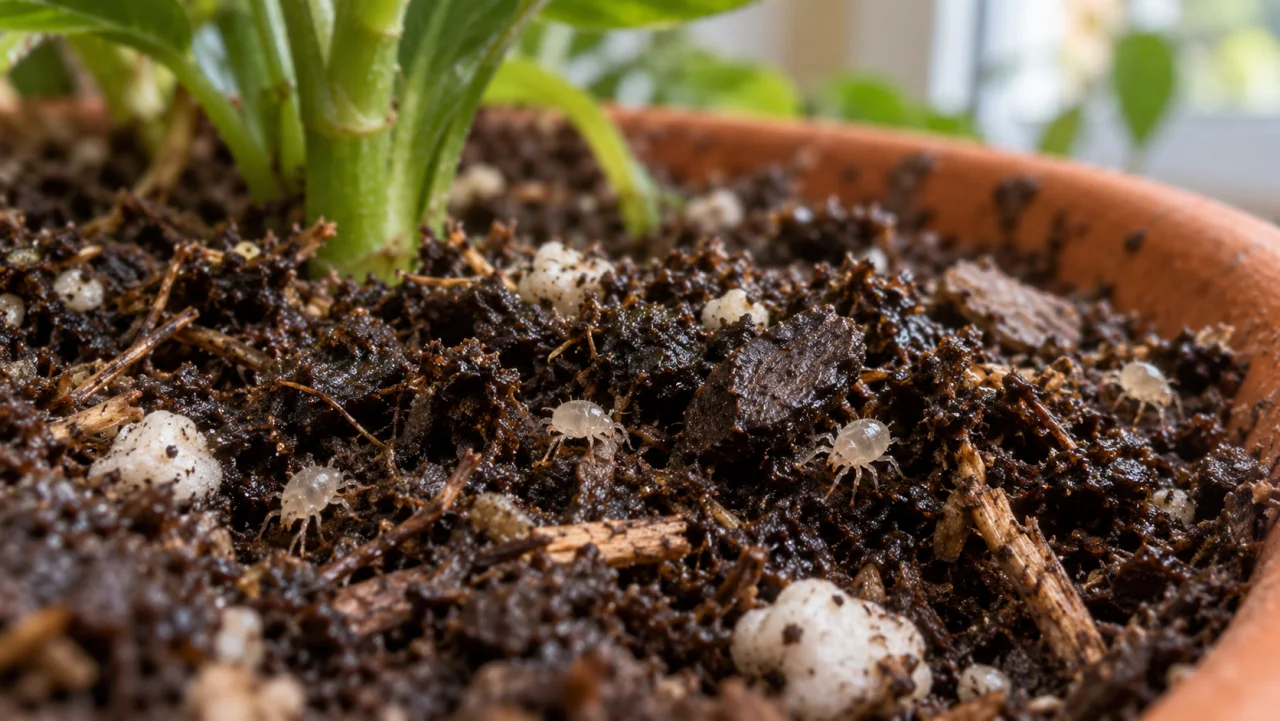
Close-up of potting soil surface showing tiny mites in a houseplant pot

Soil Mites in Houseplants: Harmless Helpers or a Problem?

You move a pot to water it, disturb the top layer of soil, and suddenly notice tiny white or orange specks scrambling in every direction. Your stomach drops. Are those bugs? Do you need to act? Before you reach for a spray bottle, here is the single most useful thing to know: soil mites are not automatically a problem. They are a natural part of living soil. In the garden, nobody panics when they turn a shovelful of earth and find mites working through the decomposing matter. Indoors, though, any moving creature near a plant triggers the urge to treat first and ask questions later. ...

 · 19 min · 
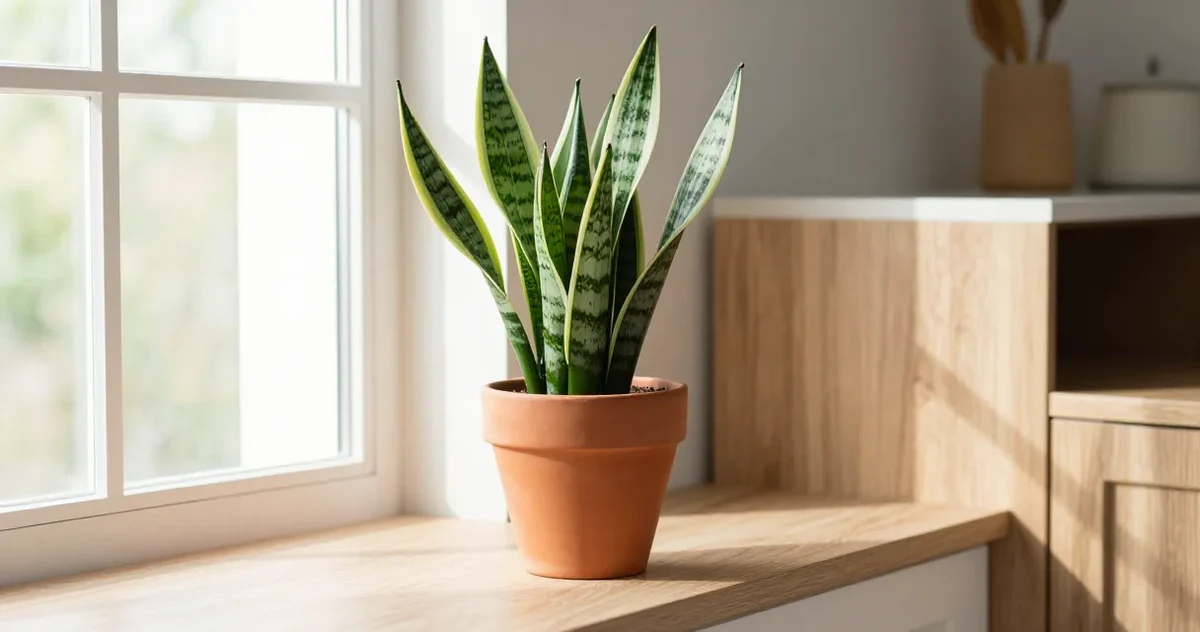
Snake plant with drooping leaves leaning to one side

Snake Plant Drooping: 6 Causes and How to Fix It Fast

Your snake plant has been perfectly fine for months, and now the leaves are leaning, bending, or going soft. The first instinct is usually to water it, check for root rot, or move it closer to the window. The trouble is that all three reactions can make things worse if you guess wrong. Snake plant drooping usually comes from one of a small set of causes: root trouble, thirsty soil, top-heavy growth, crowding, light imbalance, or recent stress. The right fix depends on which one you actually have. The diagnosis step is not optional here. ...

 · 12 min · 
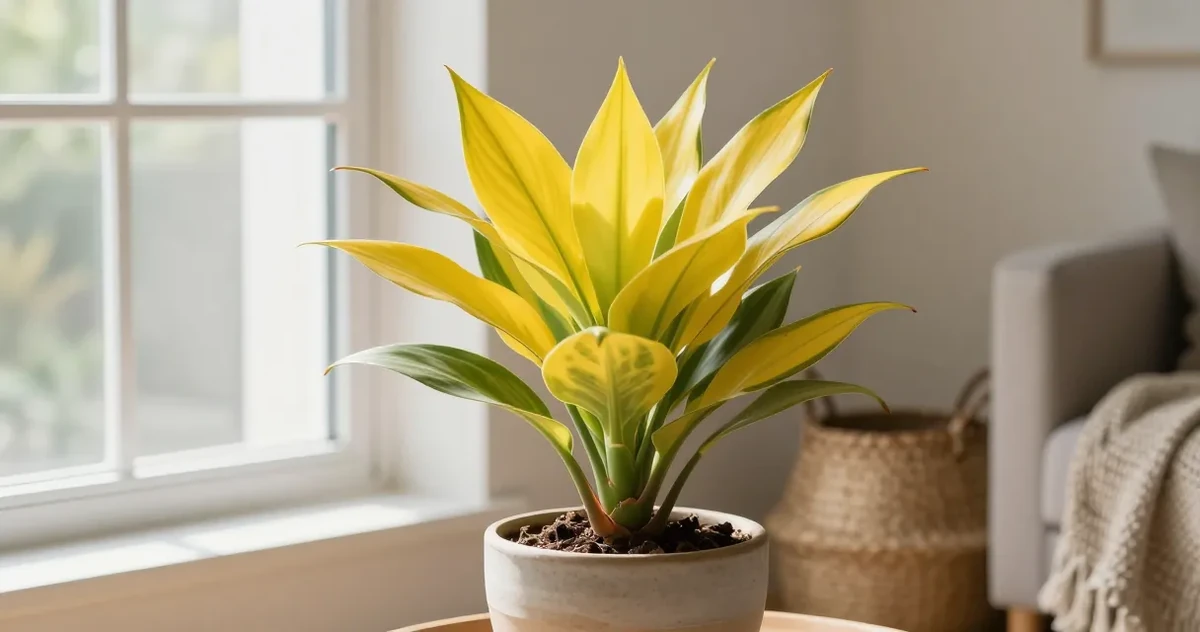
ZZ plant with yellow leaves on a wooden shelf

ZZ Plant Yellow Leaves: Causes and How to Fix It

You notice one stem on your ZZ plant has gone yellow. The rest of the plant looks completely fine. Your first thought is: did I kill it? Your second thought is: should I water more, or less? Here is the thing about ZZ plant yellow leaves: the answer to both questions depends on which pattern you are actually looking at. And most articles skip straight to “you are probably overwatering” before you have had a chance to look at the plant. ...

 · 17 min · 
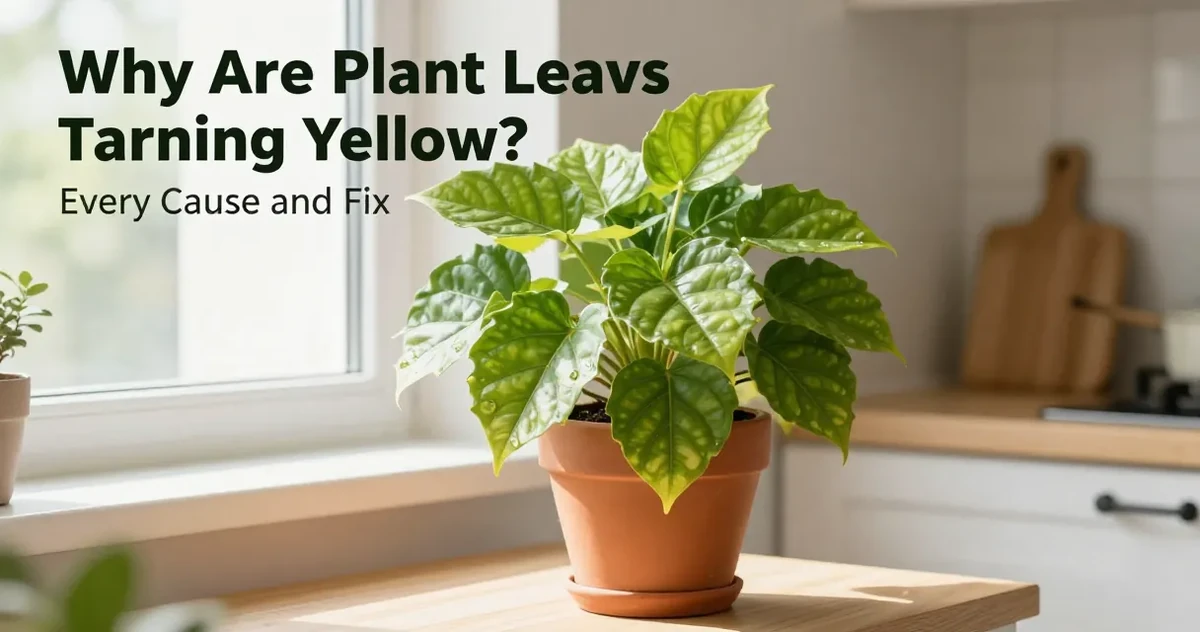
Houseplant with yellowing lower leaves on a windowsill

Why Are Plant Leaves Turning Yellow? Every Cause and Fix

By KnowYourPlant editorial team, updated June 2026. We checked current extension guidance on watering and root rot, then compared it with real houseplant-owner confusion patterns so this article helps you narrow the cause before you change care. You spot it one morning: a leaf, then two, going pale and yellow while the rest of the plant looks perfectly fine. If you’ve been staring at your pot wondering why the leaves are turning yellow, you’re not alone - and the honest answer is that yellowing is one of the most frustrating symptoms in houseplant care precisely because it can mean a dozen different things. ...

 · 18 min · 
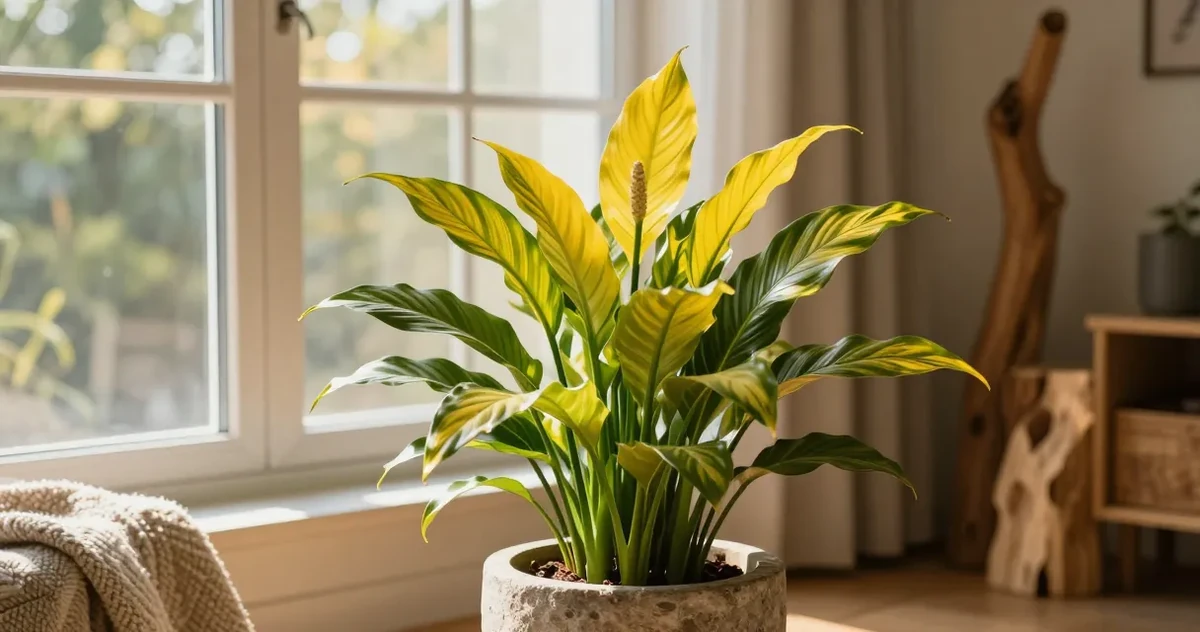
Peace lily with yellowing leaves in an indoor pot

Peace Lily Yellow Leaves: 8 Causes and What to Check

Peace lily leaves turning yellow can feel confusing fast, especially because the same plant can look thirsty and overwatered at the same time. That is the trap. Many articles jump straight into a list of causes, but peace lilies are much easier to diagnose when you start with the pattern. Which leaves changed first, whether the pot still feels heavy, whether the yellowing came after a move or repot, and whether the tips are also browning usually tells you more than any generic watering advice. ...

 · 16 min · 
Fiddle leaf fig leaf with brown spots

Fiddle Leaf Fig Brown Spots: Every Cause and How to Fix Them

Fiddle Leaf Fig Brown Spots: Every Cause and How to Fix Them You notice one brown spot, then another, then suddenly you are down a rabbit hole of advice that does not agree with itself. Water less. Water more. Move her. Repot her. Spray something. Leave her alone. That is frustrating, and honestly, it is not because you are missing something simple. Brown spots on a fiddle leaf fig can come from different problems, and the fix for one can push another in the wrong direction. ...

 · 15 min · 
Aloe vera plant in a terracotta pot on a sunny windowsill

Aloe Vera Care Guide: How to Grow and Use Aloe Indoors

Most people buy aloe vera for two reasons: it is nearly indestructible, and it is actually useful. Burn your hand on the oven, snap a leaf, and the gel is right there. That combination of low-maintenance and practical value makes aloe one of the few houseplants that earns its spot on a windowsill without asking much in return. The catch is that aloe has one quiet failure pattern. The plant often looks fine right up until it does not. By the time the leaves go soft and the base turns dark, the roots may already have been sitting in wet soil for too long. Overwatering does not announce itself the way underwatering does, which is why aloe rewards diagnosis more than routine. ...

 · 16 min ·