If you have ever opened a plant subscription box, thought “she looks perfect,” and then watched leaves yellow two weeks later, you already know the real problem with most reviews.
They rank brands like gifts. Real buyers need them ranked like living things.
A plant subscription can be fun, convenient, and genuinely worth the money. It can also be the most expensive way to buy a stressed plant that was wrong for your light, wrong for your pets, or already struggling from cold transit before it even reached your door.
This guide is here to help with the decision that actually matters: should you subscribe at all, which model fits your home best, and what should you do the moment the box arrives so you do not accidentally finish off a plant that was already stressed in transit. If the appeal is collector-level species rather than regular surprise foliage, use the rare houseplants guide to score care risk before paying for rarity.
What Most Subscription Box Roundups Miss
The most common misdiagnosis is thinking a good plant subscription is the one with the prettiest unboxing or the most exciting surprise.
That is not what decides success.
The real questions are much more practical:
- Did the plant arrive during a safe shipping window for your climate?
- Do you get to choose the species, or are you accepting a surprise that may not fit your home?
- Does the service help you with care after arrival, or are you on your own?
- If you have pets, can you reliably filter for safe plants before ordering?
- If the plant declines in week two, do you know whether the problem is acclimation, cold damage, overwatering, or a wrong plant for the room?
Before you compare brands, use this first decision rule:
If you need a very specific plant, a guaranteed pet-safe plant, or a plant for genuinely low light, a surprise subscription is usually riskier than choosing the exact plant yourself.
That one rule will save a lot of people money.
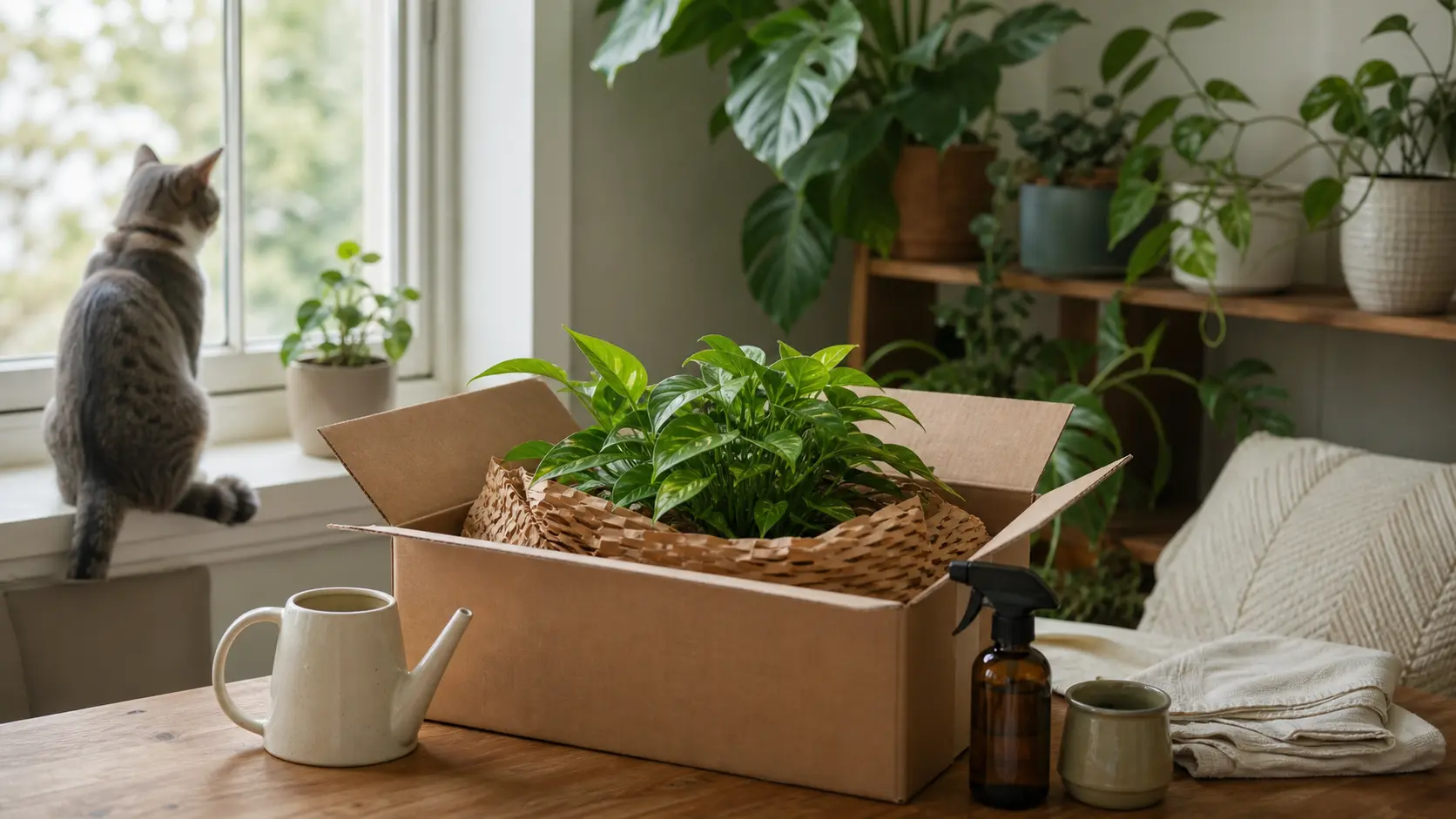
A useful subscription review weighs plant fit, pet safety, shipping, and aftercare—not just the unboxing.
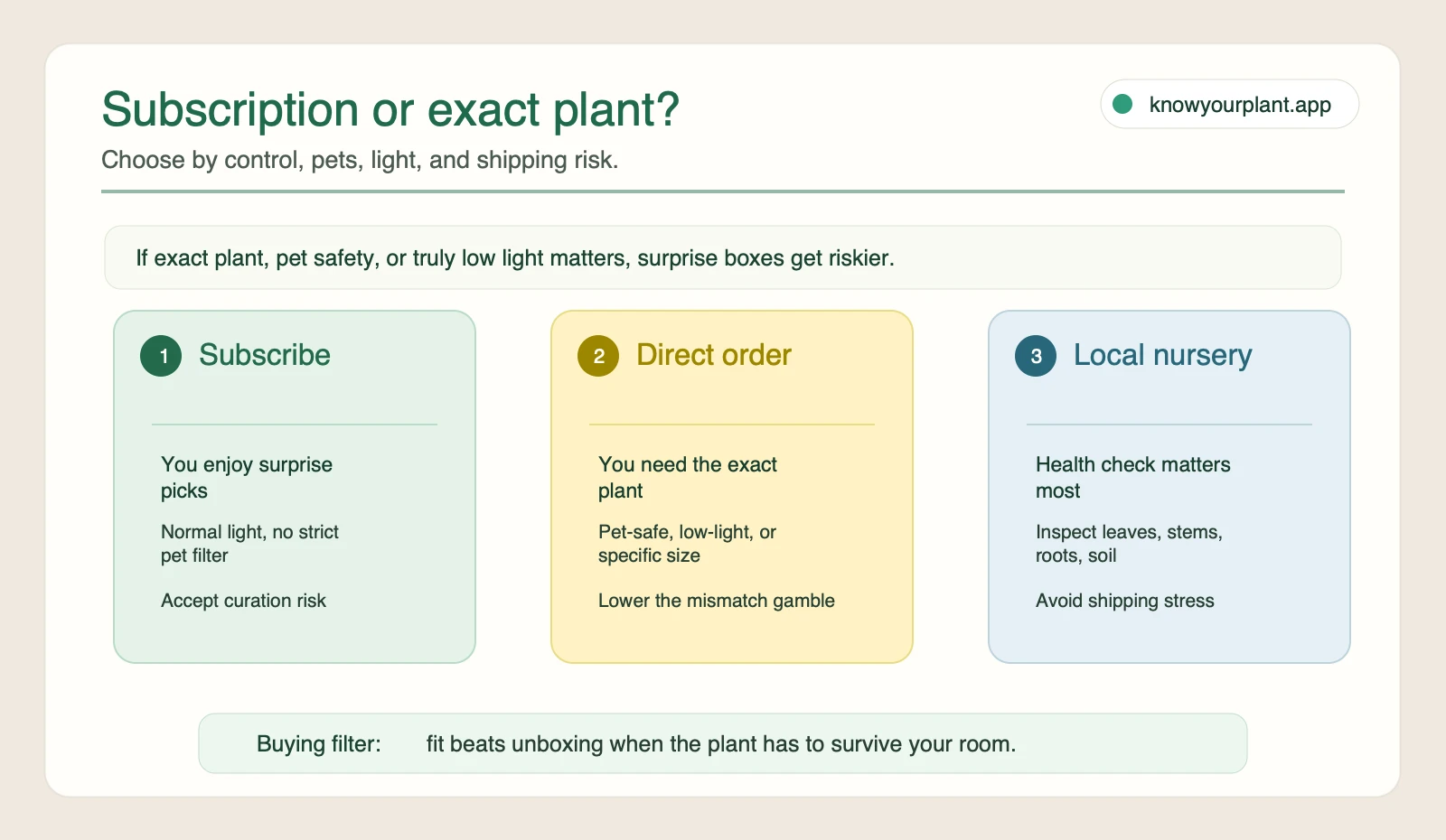
Use the route map before comparing brands: the more exact your plant, pet, light, or health constraint is, the less surprise you should buy.
Social Listening Snapshot
The recurring buyer complaints in the Research Pack were not about aesthetics. They were about health, shipping, and value.
- Search-indexed Reddit discussions repeatedly complained about unhealthy arrivals, fungus issues, or plants that declined fast after delivery.
- Other community comments questioned whether a subscription was worth the premium when healthier plants could be found through direct vendors or local nurseries. If you are leaning that way, our guide on where to buy plants online helps you compare direct sellers against local pickup with less guesswork.
- Review-platform and editorial snippets highlighted shipping delays, support friction, and transit damage as real decision factors.
That is why this review scores arrival-health protection and recovery support separately from presentation. A beautiful box is not the same thing as a plant that lands well in a real home.
What to Do the Moment the Box Arrives
Most subscription plants do not fail on day one. They fail in the first two to four weeks after delivery, usually because of shipping stress plus one well-meant mistake at home.
Use this same-day checklist no matter which service you choose:
- Open the box immediately. Do not let it sit overnight in the carton.
- Take photos before you disturb anything. If leaves are broken, stems are soft, soil is dumped out, or the plant looks cold- or heat-stressed, you will want clear proof.
- Check the soil and stems before watering. If the soil still feels cool and damp, do not water just because the plant traveled. Check leaf undersides and stem joints at the same time; the houseplant pests guide shows which signs justify isolating the new arrival from the rest of your collection.
- Put the plant in the spot where it will actually live. Then leave it there for at least two weeks. Constant moving is harder on a new plant than most people realize.
- Do not repot right away. A stressed plant usually needs stability first, not fresh soil and root disturbance.
- Identify the exact plant if you are unsure. Watering and light advice only helps if it matches the species in front of you.
If you are not sure what arrived, our guide to best plant identifier apps is the fastest place to start. If you are tempted to repot immediately, pause and read the practical timing in our how to repot plants guide.
Expert Note: Bloomscape’s guarantee language explicitly says new plants may need days or weeks to adjust and that repotting inside the first 30 days can affect guarantee eligibility. That lines up with the bigger plant-care truth here: stress stacks fast, and a fresh arrival usually needs stability before intervention.
A new plant does not need a makeover on day one. It needs a quiet landing.
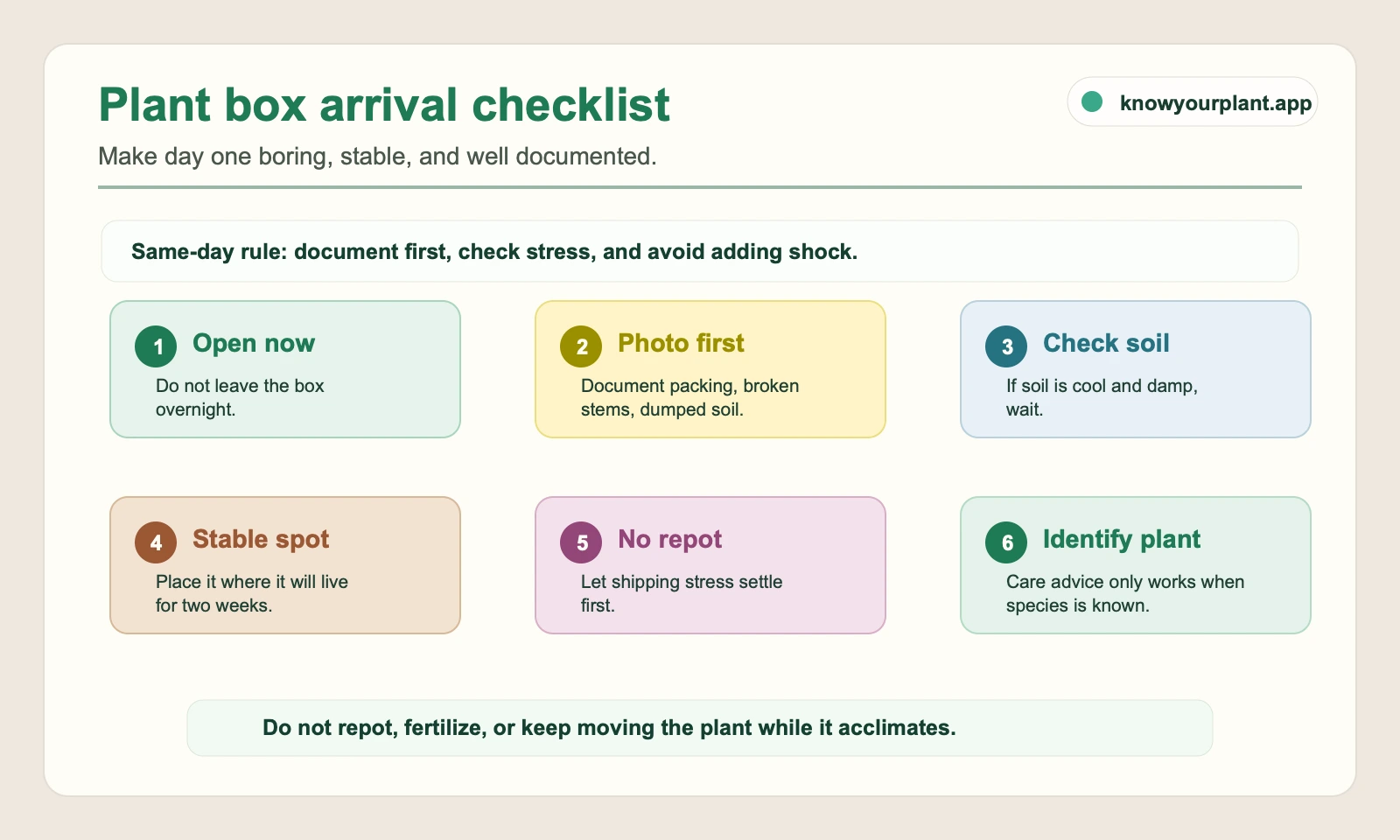
Use this same-day checklist to document delivery condition, avoid extra shock, and keep the new plant stable while it acclimates.
Scoring Rubric: How This Guide Evaluates Subscription Boxes
This is not a hands-on lab test of every plant box on the market, and it does not pretend to be.
Instead, this guide compares services using the buyer questions that matter most in real homes:
| Buying factor | Why it matters |
|---|---|
| Choice vs surprise | If you cannot choose the plant, you may get something that does not fit your light, routine, or pet situation |
| Arrival-health protection | Shipping stress, cold exposure, and rough packing can show up days later, not just on unboxing |
| Guarantee and claim logic | A guarantee only helps if the claim window, photo rules, and repot guidance are clear |
| Care support after delivery | Beginners do better when the service helps with acclimation, not just the sale |
| Pet-safety filtering | “Pet-friendly” needs to be explicit, not assumed |
| Best fit for your home | The right box for a gift buyer is not always the right box for a nervous beginner or a pet home |
That means this is less a beauty contest and more a fit check.
Testing and Evaluation Method
This review uses a buyer-side evaluation method, not a mystery-score roundup.
It compares each option using:
- official subscription and product-page positioning
- guarantee terms and acclimation guidance
- pet-safety filtering claims
- post-delivery care support
- seasonal shipping risk and claim-window logic
- qualitative community and review-platform complaints surfaced in the Research Pack
It does not claim hands-on ordering from every service covered here. Where a point comes from official brand language, extension guidance, or search-surfaced community feedback, it is framed that way on purpose.
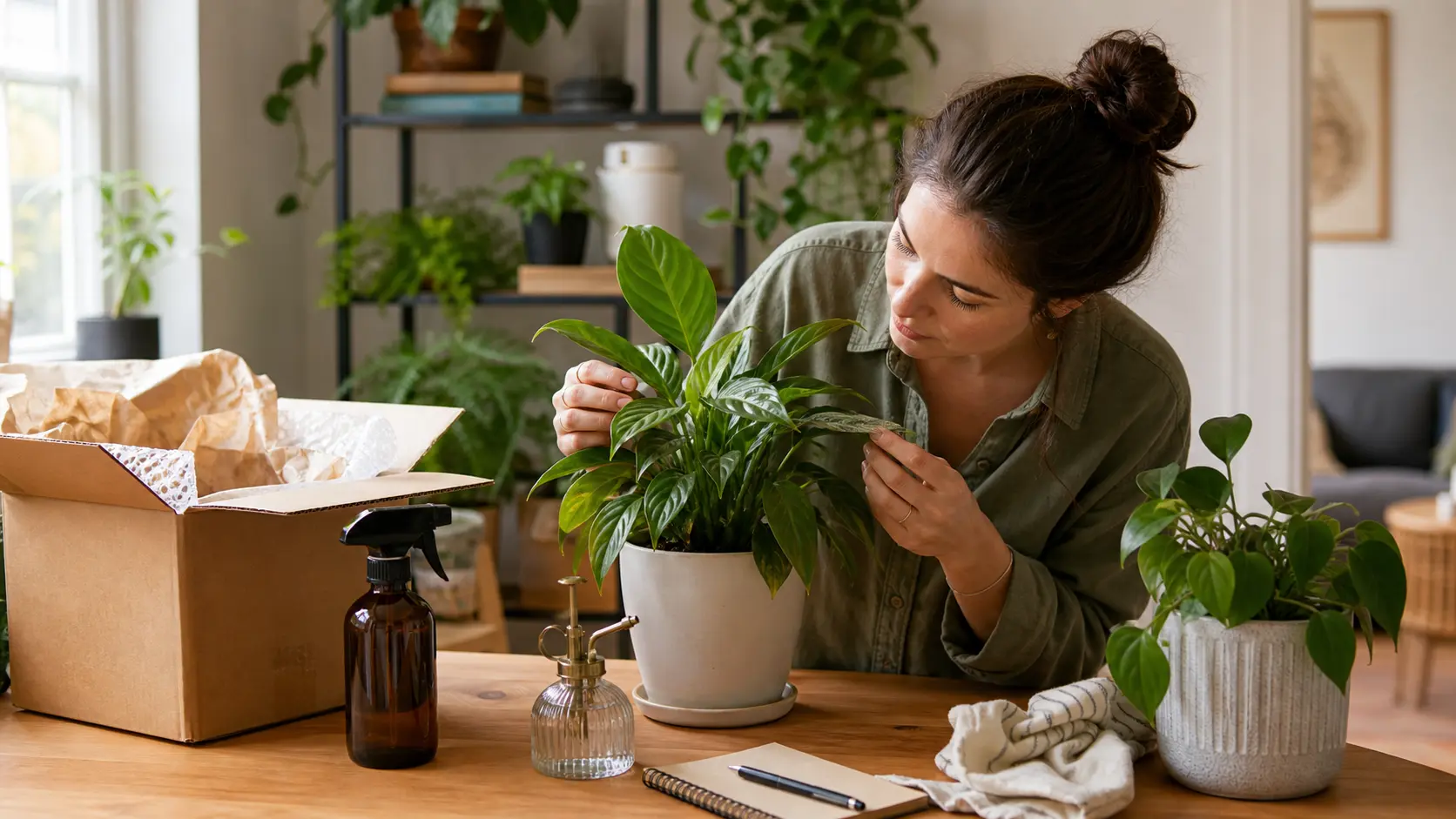
A buyer-side evaluation checks the delivered plant, packing, care support, and claim conditions instead of inventing a mystery score.
Quick Comparison
| Option | Model | Biggest strength | Biggest tradeoff | Best for |
|---|---|---|---|---|
| Bloomscape | Choose-your-own plants, recurring if you want it | Established, home-ready plants and a clear 30-day adjustment window | Less of a surprise-box experience, often higher spend | People who want to choose the exact plant and lower the gamble |
| The Sill | Curated subscription | Beginner-friendly presentation and pet-friendly options in the brand ecosystem | You are still accepting curation instead of full control | Gift buyers and beginners who want a polished monthly experience |
| Horti | Curated monthly subscription | Smaller, more approachable entry point with care guidance built into the pitch | Starter-size plants require more patience | People who want to learn as they go and spend less upfront |
| Direct order or local nursery | No subscription | You choose exactly what you want and avoid surprise mismatches | Less novelty, less recurring convenience | Pet homes, low-light homes, and specific-plant shoppers |
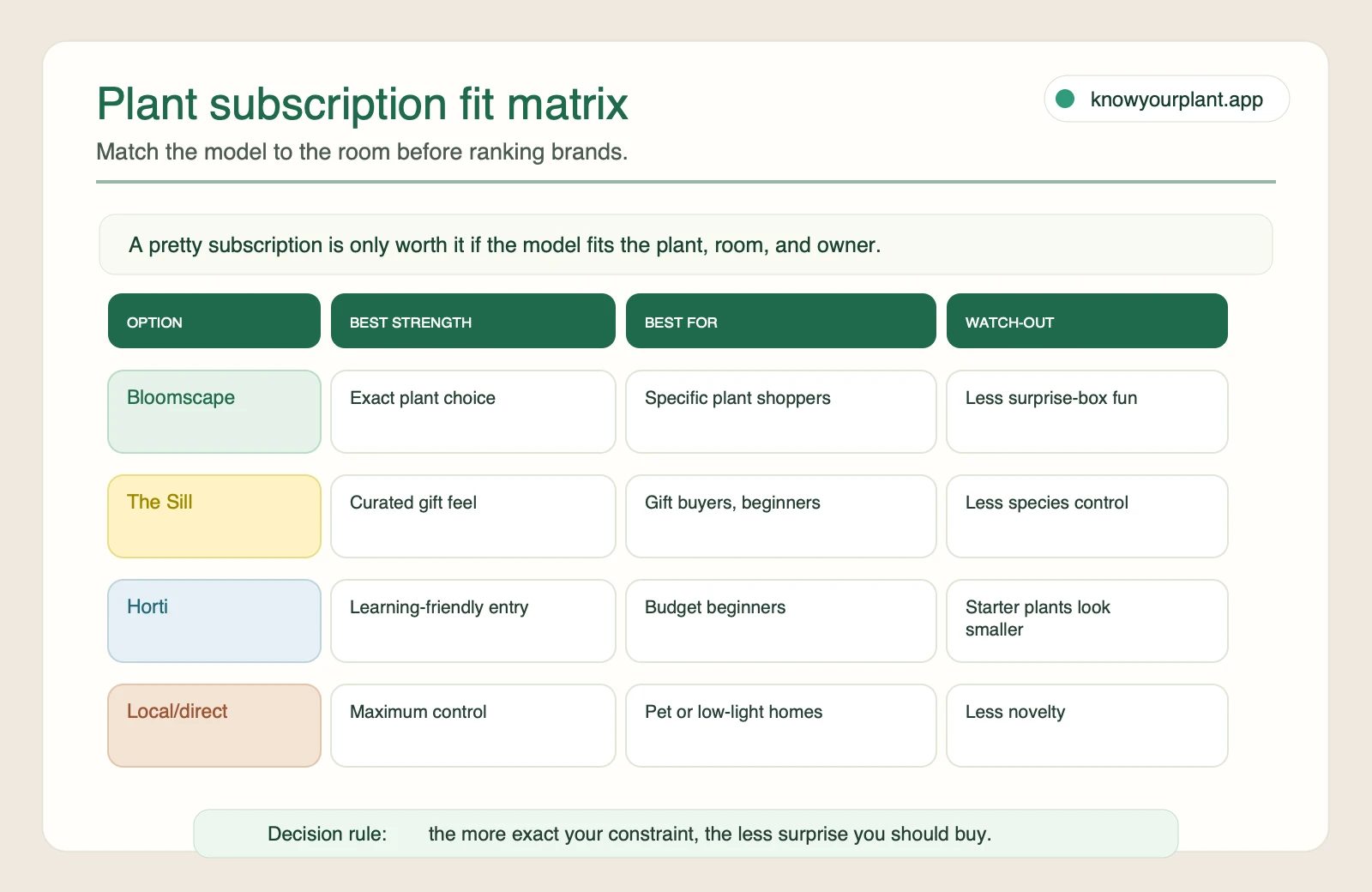
Use the fit matrix to match each buying model to the room, owner, and risk constraint before treating any plant subscription as best overall.
Pros and Cons at a Glance
| Option | Pros | Cons |
|---|---|---|
| Bloomscape | Exact plant choice, clear adjustment guidance, strong fit for deliberate shoppers | Less surprise-box fun, can be a pricier path to a single plant |
| The Sill | Giftable presentation, curated feel, pet-friendly shopping options elsewhere in the catalog | Less control over species, curation can still mismatch your light or household |
| Horti | Lower-pressure entry point, smaller plants, learning-friendly positioning | Less instant visual impact, starter plants can feel slow to settle |
| Local nursery or one-off order | Maximum control, often better value, easier health inspection | Less novelty, less recurring convenience, less built-in curation |
A Simple Buyer Decision Tree
Use this before you subscribe.
Choose a subscription if:
- you like the surprise element,
- your home conditions are fairly normal and stable,
- you are okay with smaller plants or a rotating mix,
- and you want some convenience or gifting value.
Choose a direct order instead if:
- you need a pet-safe plant and do not want any ambiguity,
- your apartment is genuinely low light,
- you only want one specific plant,
- or you already know the exact size and shape you want.
Choose a local nursery instead if:
- you care most about plant health at pickup,
- you want to inspect leaves, soil, and roots yourself,
- or shipping stress is a bigger worry than convenience.
That is the key split most roundup articles skip: a subscription is not automatically the best way to buy a plant just because it is the most fun way.
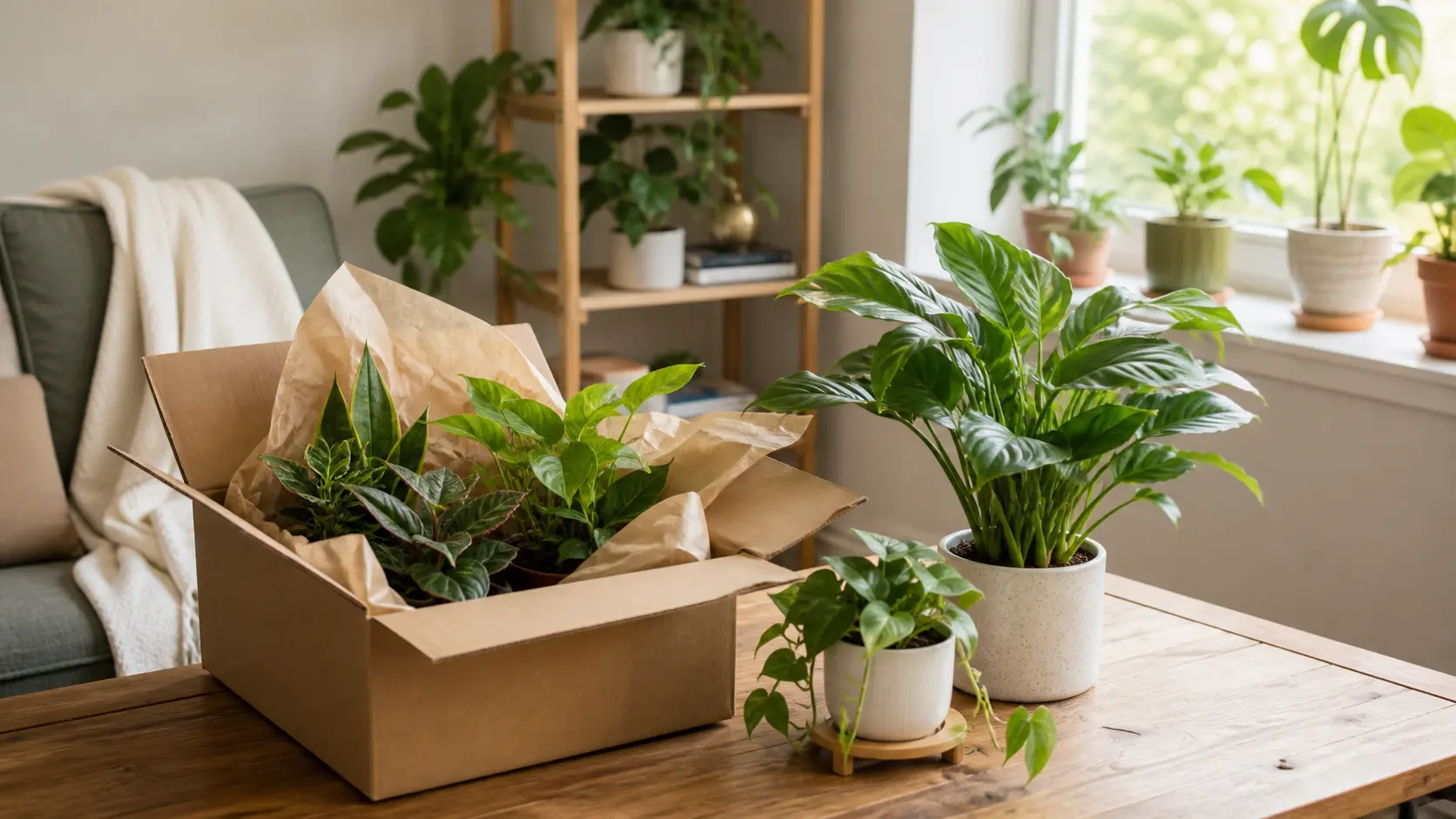
Choose the surprise box only when its rotating plant mix fits your home better than selecting one exact plant yourself.
Best For / Not For
Best for:
- gift buyers who want a polished experience
- beginners who value some guidance and convenience
- shoppers who enjoy curation enough to pay a premium for it
- homes where the plant conditions are broad enough to tolerate a surprise
Not for:
- pet households that need exact species confirmation every time
- low-light homes that already struggle to match plants well
- shoppers who mainly want the healthiest plant for the lowest price
- plant owners who already know the exact plant, size, or look they want
The Main Services
Bloomscape
Bloomscape is the strongest fit if you already know what plant you want and would rather reduce risk than be surprised.
The brand positions its plants as home-ready, includes its Grow-How care content, and offers a 30-day guarantee. One detail that matters more than it sounds: Bloomscape explicitly notes that new arrivals may need days or weeks to adjust, and that repotting inside the first 30 days is not the move if you want to keep the original order eligible under the guarantee. That is practical, grounded guidance, and it matches how stressed plants usually behave after transit.
In plain English, Bloomscape works best when you want to choose the exact plant, the exact size, and keep the “what even arrived?” factor low.
What it does well
- Lets you choose the species instead of accepting a surprise
- Signals a clear post-arrival adjustment window
- Offers care support that goes beyond a generic one-line card
- Makes more sense for buyers who already know their light and space
Where it is weaker
- It feels more like intentional plant shopping than a true monthly discovery box
- It can cost more than a smaller curated subscription
- It is less charming if what you want is the surprise itself
Best for
- Buyers who want an exact plant
- Homes with specific light constraints
- People who want a lower-gamble first order
- Anyone who has been burned before by random curation
Not ideal for
- Someone who wants a monthly surprise just for fun
- Buyers trying to spend as little as possible per delivery
The Sill
The Sill is the cleaner fit for people who want a subscription to feel like a gift, not a project.
Its Plant of the Month Club is built around curated monthly delivery, and the brand also clearly supports pet-friendly shopping elsewhere in its catalog. That matters because one of the biggest buyer mistakes is assuming a stylish subscription automatically means the plant will fit the home it is going into.
The Sill makes the most sense when the person ordering wants a polished experience, likes the idea of curation, and does not mind giving up some control over the exact plant.
What it does well
- Strong gift-style presentation
- Clearer lifestyle positioning than many cheaper subscriptions
- Better fit for buyers who want guidance without having to choose every detail
- Pet-friendly options exist within the brand, which helps pet households shop more carefully
Where it is weaker
- Curation still means you are accepting less control than a choose-your-own order
- The subscription model can be a poor fit if your light is tricky or your plant preferences are very narrow
- A polished box does not remove the need for acclimation and care discipline at home
Best for
- Gift buyers
- Beginners who like curation
- People who want the subscription experience itself, not just the lowest-cost plant
Not ideal for
- Buyers who need exact species control
- Homes with very specific low-light or pet-safe constraints unless those are confirmed clearly first
Horti
Horti is the better fit if your goal is not just receiving a plant, but getting more comfortable caring for one.
The brand describes its subscription around curated healthy plants and manageable care instructions, which makes it feel more like a learning-friendly entry point than a premium statement-plant service. That lower-pressure positioning is useful for people who want smaller, more approachable arrivals instead of a larger, more expensive plant that feels stressful to mess up.
In practice, Horti makes the most sense when you want a lighter-cost starting point and you are okay with smaller plants that may need more patience.
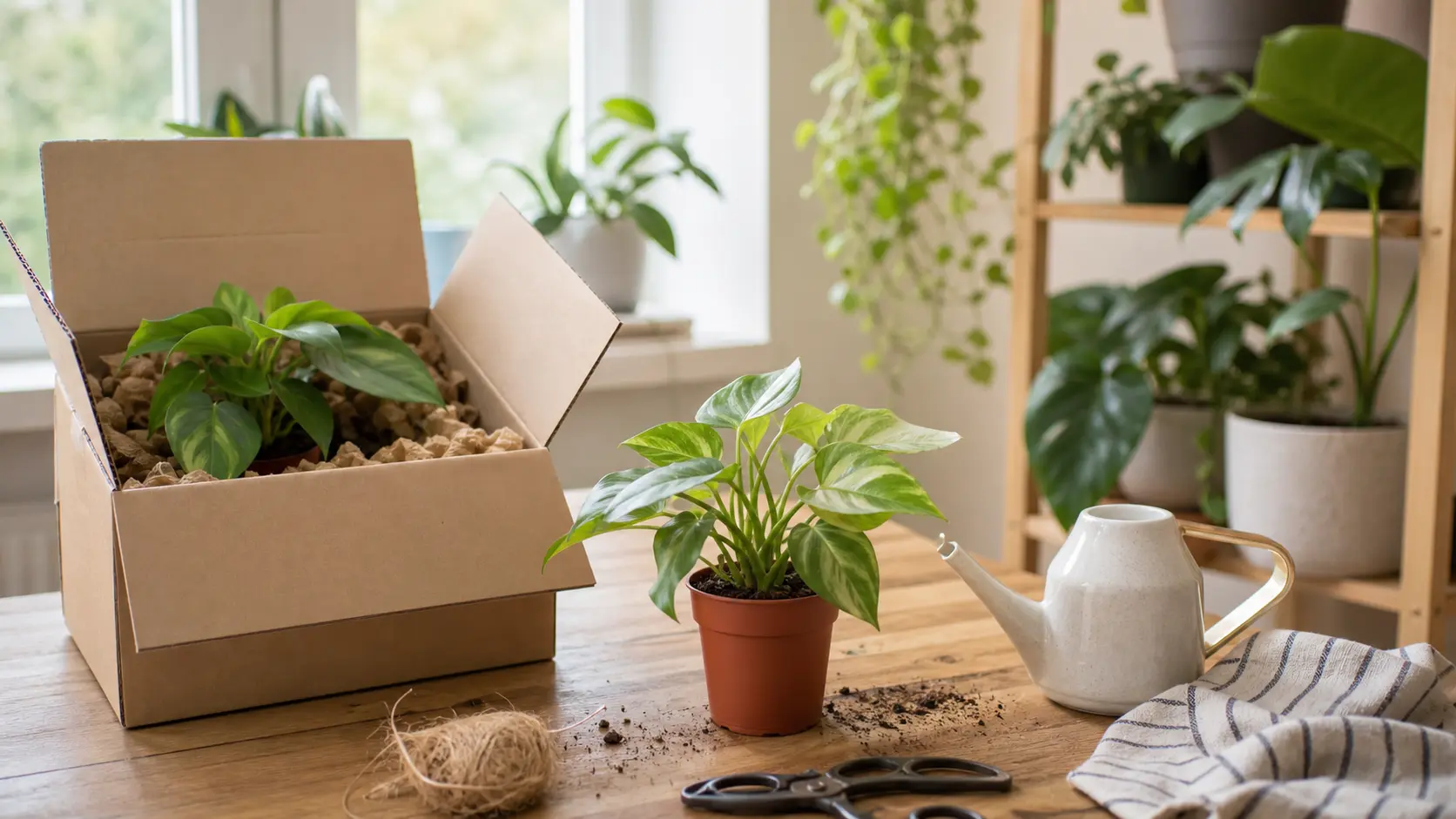
Horti’s smaller starter plants suit beginners who want to build care confidence gradually instead of buying instant shelf impact.
What it does well
- Lower-friction entry into plant subscriptions
- Better fit for people who want to build confidence gradually
- Smaller starter plants can be less intimidating for some beginners
- The care-forward positioning is more useful than a purely decorative pitch
Where it is weaker
- Smaller plants can feel like less value if you want instant shelf impact
- Starter-size plants often take longer to look settled and full
- If what you want is a big, established plant, this is probably not the right lane
Best for
- Beginners on a tighter budget
- People who like the idea of learning as they go
- Buyers who do not need a large statement plant right away
Not ideal for
- Someone who wants a full, finished-looking plant on day one
- Buyers who only feel happy when a delivery looks substantial immediately
If You Have Pets, Be Stricter Than the Marketing
This is one place where people get into trouble quickly.
A box may be marketed as pet-friendly, but you still want the exact plant name before you trust it in a home with a cat or dog. The ASPCA database is the right double-check, and it is worth remembering that even non-toxic plant material can still upset a pet’s stomach.
If pet safety is a hard requirement, your safest path is usually one of these:
- choose your exact plant instead of taking a surprise box,
- confirm the species before it goes anywhere near the floor,
- and cross-check it against the ASPCA list yourself.
If you want a shortlist before you buy, our cat-safe indoor plants guide is the practical place to start.
If Your Home Is Truly Low Light, Be Picky
A curated subscription sounds fun until it sends you a plant that really wanted brighter conditions than your room can give.
If your apartment is north-facing, heavily shaded, or just plain dim, do not let generic “low light” language do all the work. Either choose a service that lets you narrow the fit carefully, or skip the surprise model and pick a plant you already know can handle your space.
Our low-light indoor plants guide can help you sanity-check what “low light” actually means before you subscribe.
Seasonal Shipping Risk Matters More Than Most People Expect
Cold weather is the biggest shipping risk for common tropical houseplants.
Illinois Extension notes that most tropical houseplants will not tolerate temperatures below 55°F well, which is why a plant can arrive looking decent and still start dropping leaves or softening later. Cold damage often shows up after the box is open, not only inside it.
That does not mean you can never order in winter. It means you should treat weather as part of the purchase decision.
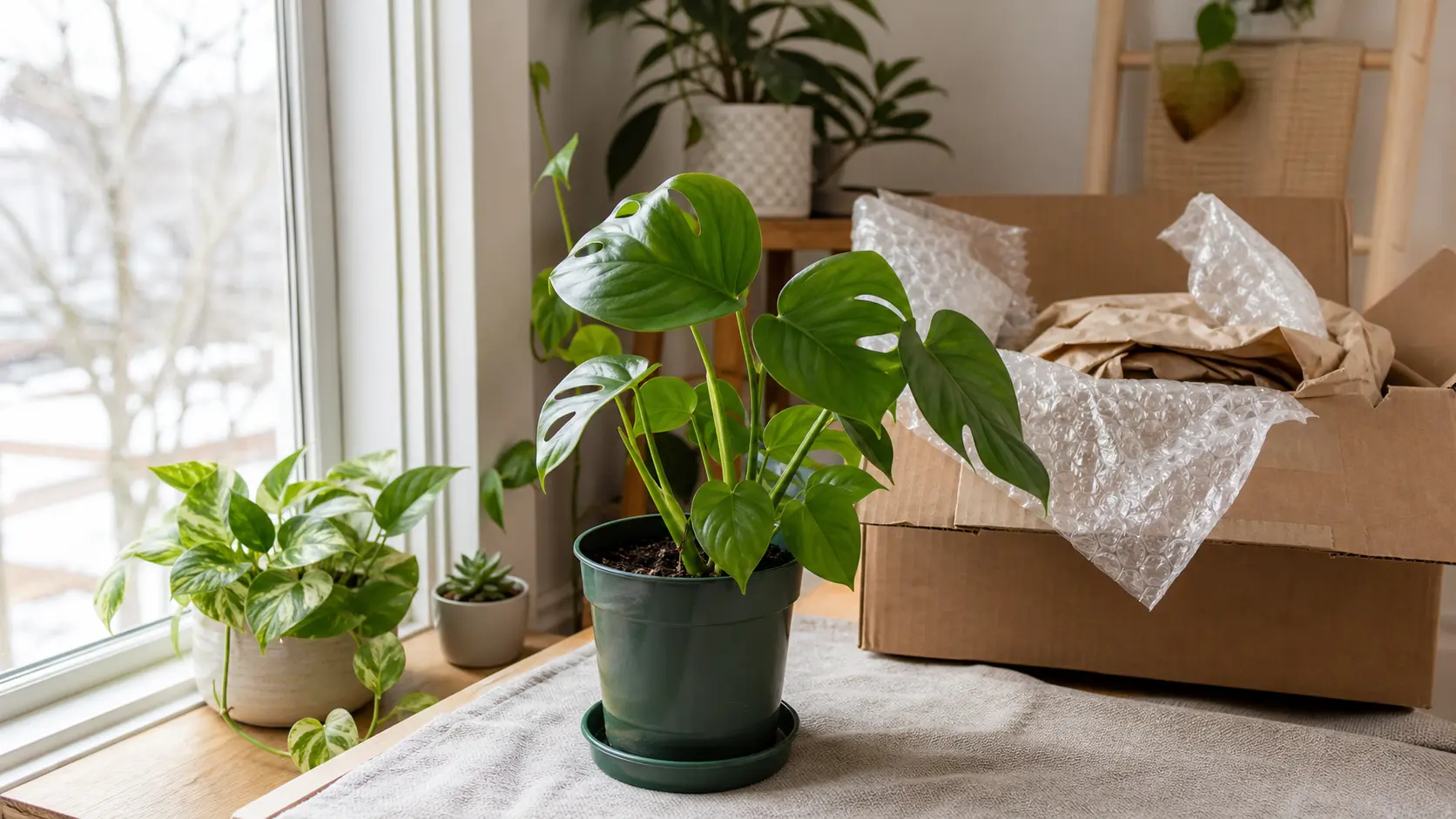
Cold-sensitive tropical plants need a safe shipping window, protective packing, and a prompt move indoors when winter weather arrives.
Use this transit-risk rubric
Lower-risk order
- mild outdoor temperatures
- early-week shipping
- you will be home to open the box immediately
- the service explains its arrival window clearly
Higher-risk order
- freezing or near-freezing temperatures
- weekend warehouse delay risk
- you will not open the box right away
- the plant is tropical and cold-sensitive
- you are ordering a surprise plant that may not fit your setup anyway
If conditions are high-risk, it is often smarter to wait a few weeks or buy locally once the weather steadies.
When a Subscription Is Not Worth It
A plant subscription is usually the wrong tool when:
- you already have too many plants to keep up with,
- you travel a lot and new arrivals will not get watched closely,
- your home only works for a narrow set of species,
- you need every plant to be pet-safe,
- or you care more about best value per plant than about the convenience or surprise.
That last one matters. If your real goal is simply “healthiest plant for the money,” a local nursery or a carefully chosen direct order will often beat a subscription.
The subscription premium only makes sense when curation, convenience, gifting, or guided support is worth paying for.
A Better Way to Compare Plant Boxes Before You Buy
If you are stuck between two services, compare them in this order:
- Can I choose the plant, or am I accepting a surprise?
- What happens if the plant declines after arrival?
- Am I being helped with care, or just sold a box?
- Can I confidently screen for pet safety?
- Would this money go further at a local nursery or with one intentional online order?
That order tends to produce better decisions than ranking by price alone.
FAQ
Are plant subscription boxes worth it?
Yes, for the right buyer. They are worth it when you value curation, convenience, gifting, or learning support more than getting the absolute cheapest plant. They are usually not worth it if you need a very specific species or the healthiest plant for the lowest price.
What is the best plant subscription box for beginners?
For a guided, polished experience, The Sill is the easiest starting point. For a smaller and more learning-friendly starting point, Horti makes sense. If a beginner already knows what plant they want and wants less surprise, Bloomscape is often the safer first buy. If you would rather skip the subscription gamble altogether, start with our shortlist of easy houseplants for beginners.
What should I do if my subscription plant arrives damaged?
Take photos immediately, before repotting or trimming anything. Then check the soil, stems, and leaves carefully and contact the seller within the claim window. Do not rush into watering or repotting just because the plant looks stressed.
Should I repot a subscription plant right away?
Usually no. Most new arrivals need a settling period first. If you repot too soon, you stack root stress on top of shipping stress. Wait until the plant looks stable unless there is an obvious emergency like severe rot or broken roots.
Can I get a pet-safe plant subscription?
Sometimes, but do not rely on broad marketing alone. Confirm the exact plant name and check it against the ASPCA database. If pet safety is non-negotiable, choosing the plant yourself is often safer than accepting a surprise box.
Is a subscription better than a local nursery?
Not automatically. A local nursery usually gives you better inspection and often better value. A subscription wins when convenience, gifting, surprise, or support is part of what you are paying for.
What if I only have low light?
Then be more selective than the average subscription customer. Surprise boxes are riskier in dim homes. If your light is genuinely limited, choose the exact plant or at least confirm the service can match you to real low-light species.
Methodology Note
This guide was built from the Research Pack for plant-subscription-box-review, not from the keyword alone. It compares services using official product pages, guarantee language, care-support signals, pet-safety filtering, and cold-shipping risk, then translates those into a buyer-side decision framework for real homes.
The community and review-platform evidence here is qualitative signal only. It helps surface what real buyers keep complaining about, but it is not a controlled brand-comparison study.
Freshness Note
Last reviewed in May 2026.
Subscription offerings, pricing, and shipping policies can change faster than basic plant-care reality does. Before you buy, re-check the current guarantee window, seasonal shipping approach, and whether you can choose the exact plant or only the subscription tier.
Reviewer Note
Author: KnowYourPlant editorial team
Reviewer: Editorial review pending final publish check
Last updated: 2026-05-26
If your box has already arrived and you are second-guessing the soil, the light, or those first yellow leaves, KnowYourPlant is a helpful next step. You can identify what showed up, set a reminder for that fragile first week, and get a calmer read on whether the plant is adjusting normally or asking for help.
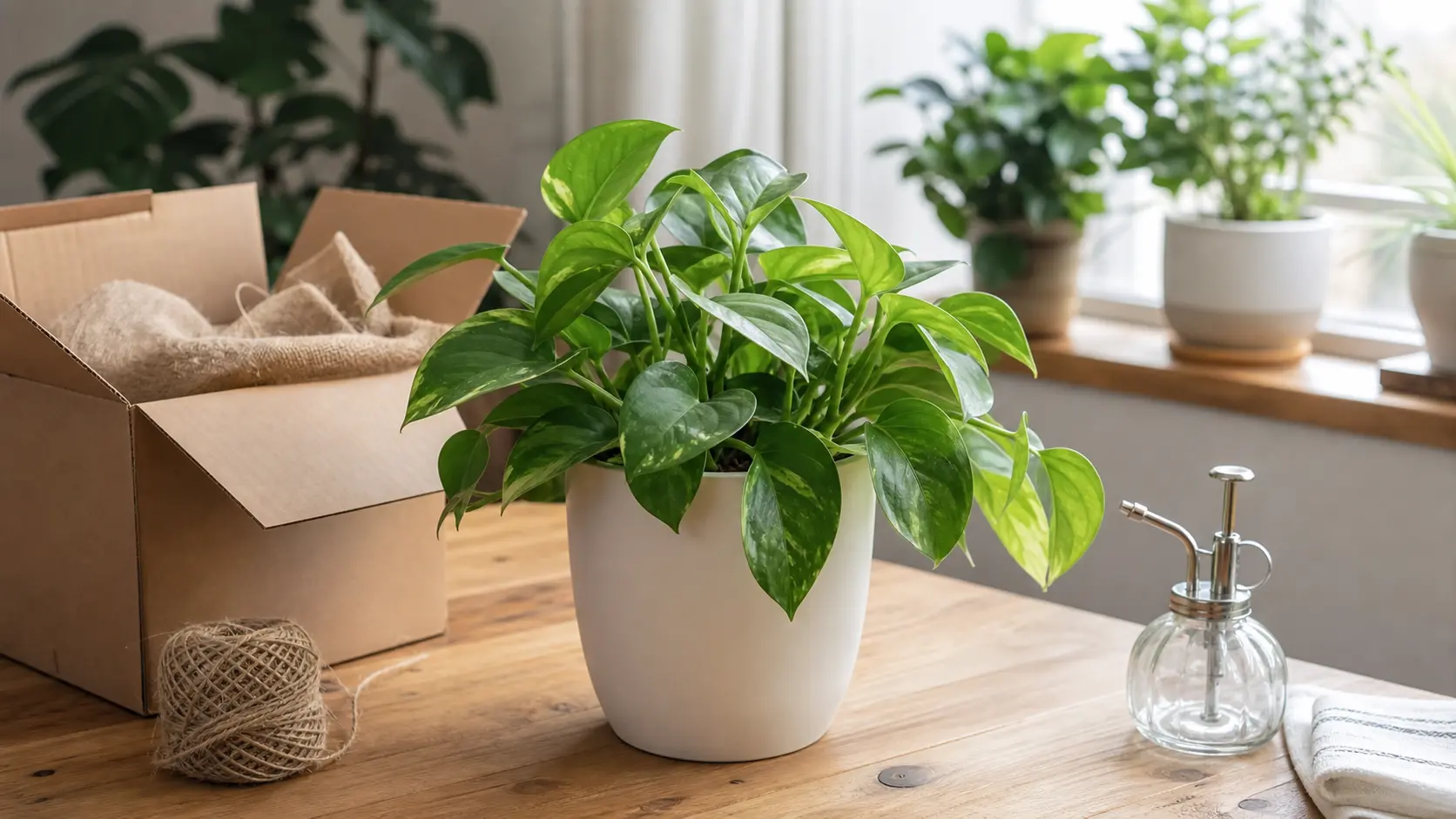
After unpacking, identify the plant, settle it into suitable light, and monitor the first week before changing its care routine.