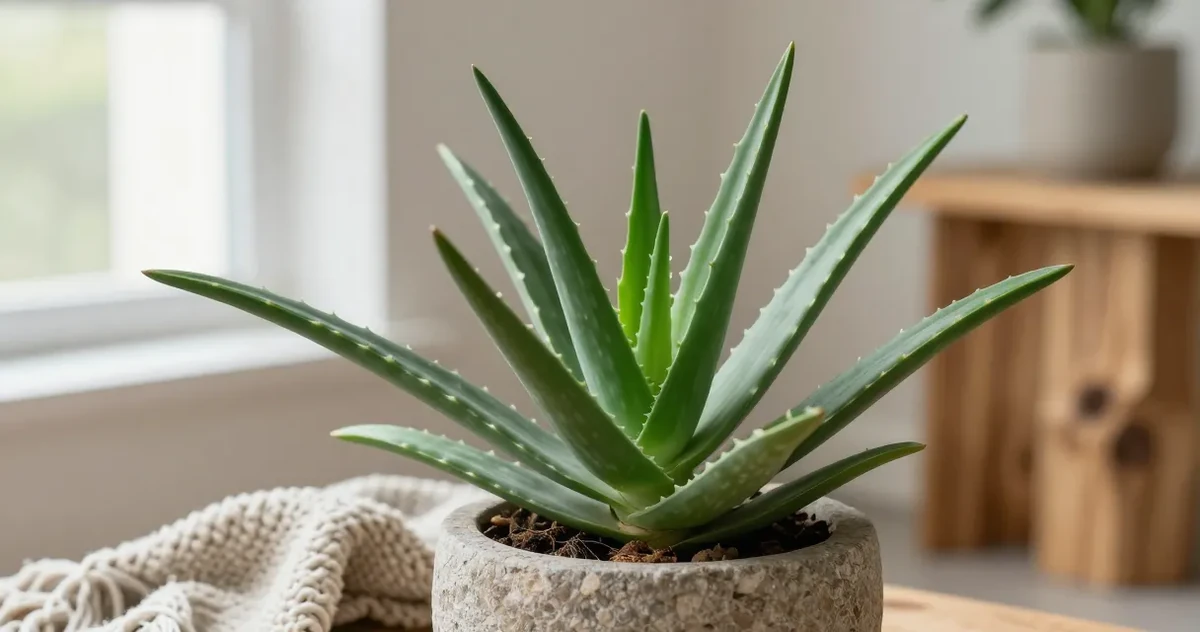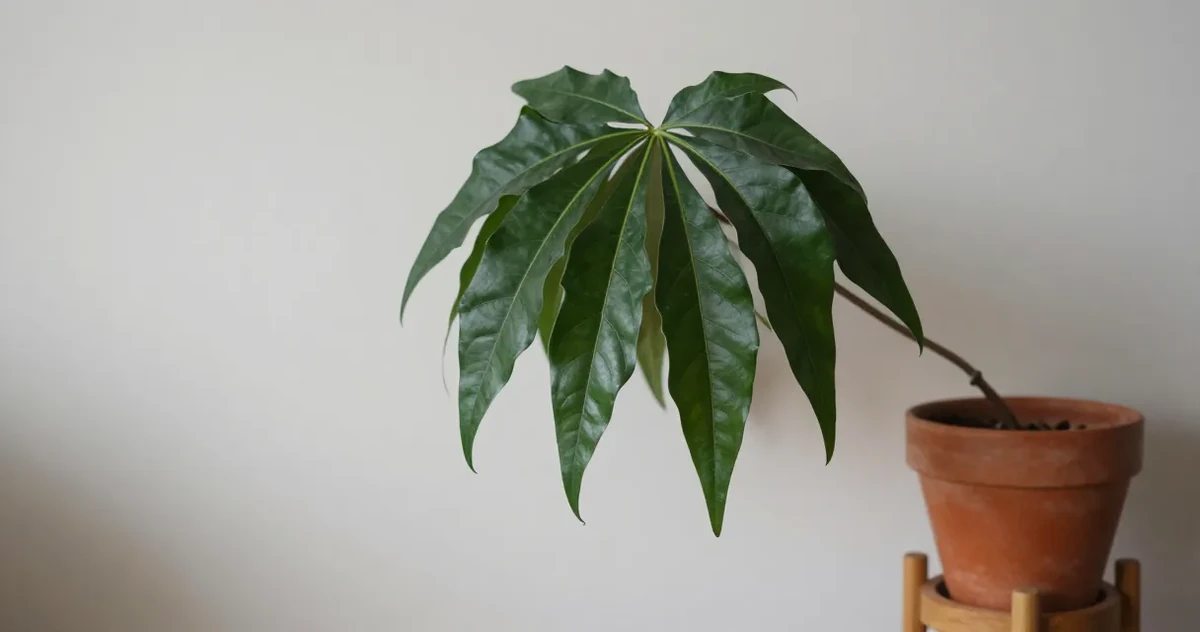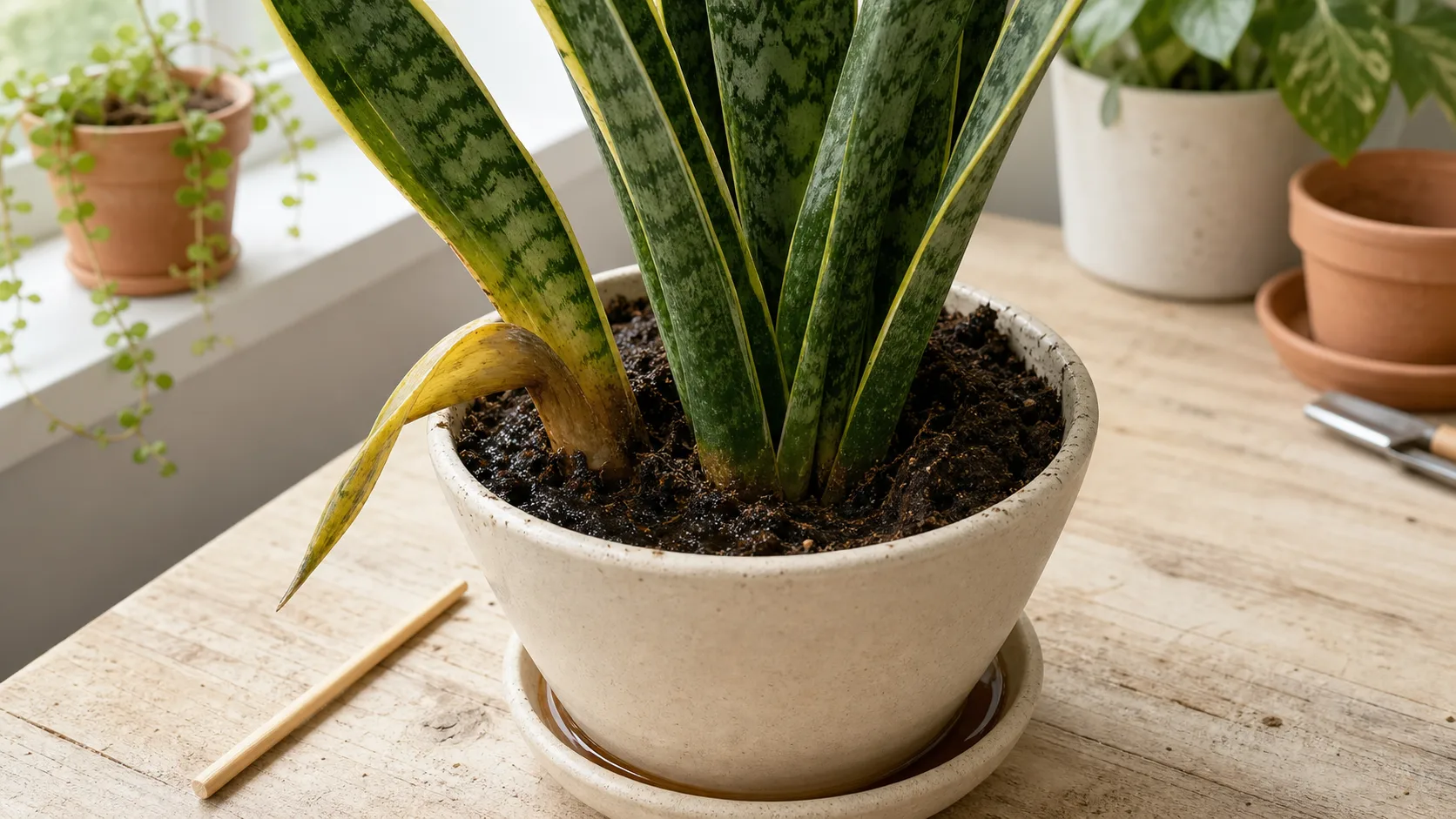
Curled pothos leaves being checked beside the soil, window, and drainage saucer

Pothos Leaves Curling: Dry Soil, Heat, or Root Stress?

Seeing pothos leaves curling can trigger an anxious reach for the watering can. Pause for ten minutes first. The fastest answer usually falls into one of three paths: The root ball is dry and the pot feels unusually light. The pot is damp and heavy, but stressed roots cannot use that moisture properly. Only window-facing leaves or tender new growth are curling after local heat or stronger light. The confusing part is that dry roots and wet, unhealthy roots can both produce leaves that look thirsty. Leaf curl alone cannot tell you whether to water. Soil moisture at depth, pot weight, the location of the damage, and recent changes give you much better information. ...

 · 17 min · 
Yellow lower philodendron leaf being checked beside healthy green foliage and moist potting mix

Philodendron Yellow Leaves: Age, Wet Roots, or Light?

Most philodendron yellow leaves follow one of three common paths: one old leaf is aging out, the roots are staying wet too long, or the plant is in light too dim for its current watering routine. You can sort those paths quickly by checking which leaf changed first, how damp the mix is 2 to 3 inches down, and whether new growth still looks healthy. A genuinely bone-dry root ball, pests, temperature stress, or a fertilizer problem can also cause yellowing, but they need supporting signs. A fully yellow leaf will not become green again, so the goal is to prevent the next leaf from yellowing. ...

 · 15 min · 
Peace lily crowns separated with healthy roots attached

Peace Lily Propagation: Divide Crowns Without Damaging Roots

Peace Lily Propagation: Divide Crowns Without Damaging Roots Dividing a peace lily too soon can leave both halves drooping with too few roots. The next mistake is panic-watering that droop until healthy roots begin to rot. Avoid both with this 30-second rule: Divide today only if two or more leaf clusters each have their own firm base and attached roots. Repot her whole if crowded roots still belong to one base. Wait and diagnose if roots are sparse or mushy, the base is soft, or the plant is already badly wilted. A detached leaf is not enough. This guide shows the safest split, then exactly when to water, where to place each division, and what to do if she droops afterward. ...

 · 11 min · 
Drooping peace lily leaves being checked at the soil and base

Peace Lily Drooping: Thirst, Root Stress, or Shock?

Peace Lily Drooping: Thirst, Root Stress, or Shock? Do not water yet. In under ten minutes, you can separate dry-soil thirst from wet-root stress and choose one safe next step without guessing. Use the Four-S Check: Soil, Setup, Shift, Signs. Soil decides water or wait. Setup finds trapped water. Shift connects the droop to a recent change. Signs tell you when simple monitoring is no longer enough. What the check finds Safe action Stop waiting when Skewer reaches the middle of the pot and comes out dry; pot feels light Water: soak evenly, drain, and empty runoff No lift begins within several hours; reassess by the next day Skewer comes out damp or muddy; pot feels heavy Wait and drain: do not water; recheck in 48 hours Yellowing spreads, soil smells sour, the base softens, or decline speeds up Droop follows a move, repot, strong sun, cold window, or vent Stabilize: keep one suitable location while you monitor Damage spreads beyond the leaves exposed to the change Webbing, sticky residue, insects, or a soft base Act: isolate a pest case or inspect roots Wet soil and rapid decline occur together; inspect the same day If you inherited the plant or are unsure it is a peace lily, identify it first. A correct identity gives you a baseline for light, moisture, and expected leaf form before you diagnose the droop. ...

 · 13 min · 
Peace lily with brown tips at the ends of its green leaves

Peace Lily Brown Tips: Water, Dry Air, or Root Stress?

You trim one brown tip, then another appears. Meanwhile, your peace lily is still standing upright, opening new leaves, and perhaps even blooming. Is she quietly struggling, or are those crispy ends mostly cosmetic? Peace lily brown tips are dead leaf-edge tissue caused by stress, but the pattern of damage and the moisture inside the pot tell you whether to investigate water quality, fertilizer salts, dry air, inconsistent watering, direct sun, or troubled roots. ...

 · 16 min · 
Wrinkled green leaves on a Phalaenopsis orchid

Orchid Wrinkled Leaves: Check the Roots Before Adding Water

You notice a crease in one orchid leaf. A few days later, another feels soft and leathery. She looks thirsty, so reaching for the watering can feels like the kindest response. Pause for one minute first. Wrinkled orchid leaves mean water is not reaching the leaf tissue, but they do not tell you why. The roots may be dry and ready to drink. They may also be wet, damaged, and unable to absorb water. ...

 · 14 min · 
Healthy and damaged orchid roots beside fresh bark potting medium

Orchid Root Rot: Identify, Trim, Repot, and Recover

You lift your orchid from its cover pot and find brown roots, wet bark, and leaves that somehow look thirsty. It is a horrible little contradiction: she seems dehydrated, but adding more water may be the thing making her worse. Orchid root rot is the collapse of damaged root tissue, leaving roots soft, hollow, or unable to move enough water into the orchid. That is why wrinkled leaves can appear while the pot is still damp. The rescue is not simply “water less.” You need to find out which roots still work, remove only the failed tissue, and fix whatever kept the root zone wet. ...

 · 15 min · 
A healthy orchid keiki and a sympodial orchid with pseudobulbs ready for division

Orchid Propagation: Should You Cut, Wait, or Fix Care First?

Most home orchid owners do not need a complicated propagation guide. They need one low-risk decision: safe to cut, wait, or recover first. If the plant has limp or fast-yellowing leaves, mushy roots, sour media, or a tiny baby with one short root, do not cut today. If the plant is healthy but too small, wait. If the plant shape matches the method and it clears the size threshold, you can propagate carefully. ...

 · 6 min · 
Monstera leaves curling inward

Monstera Leaves Curling: Read the Clues First

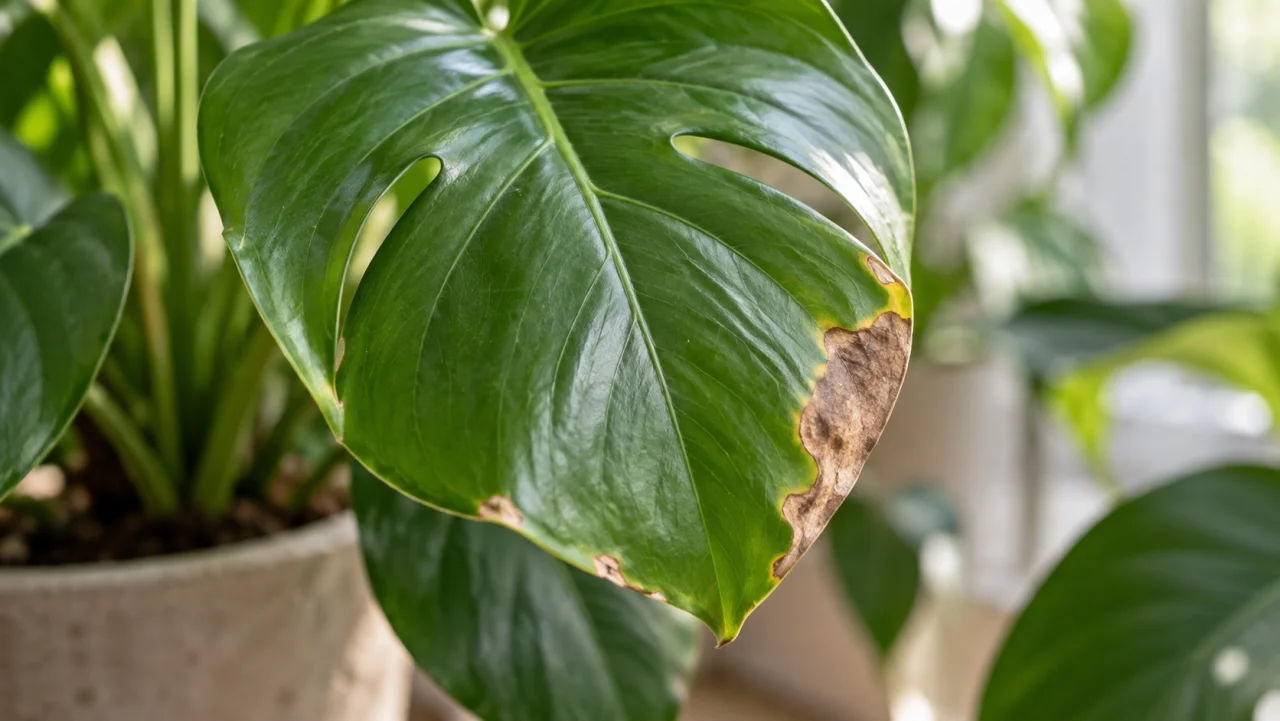
Monstera Leaves Curling: Read the Clues First If your Monstera leaves are curling, resist the urge to water, mist, fertilize, and repot all at once. Curl is a stress signal, but it is not a diagnosis. Dry roots can make leaves curl, and so can roots that have stayed wet for too long. Strong sun, hot glass, drafts, pests, and recent root disturbance can produce similar-looking reactions. The useful clues are in the pattern around the curl: whether one leaf or the whole plant is affected, whether the root zone is dry or wet, whether damage faces the window, what changed during the last 7 to 14 days, and whether there is credible pest evidence. ...

 · 15 min · 
Money Tree leaves showing yellowing among healthy green foliage

Money Tree Yellow Leaves: Diagnose Before You Water

Money Tree Yellow Leaves: Diagnose Before You Water Your Money Tree has yellow leaves, and now you have five choices circling in your head: water her, wait, move her, inspect the roots, or treat for pests. Start by waiting just long enough to check the pattern. One older lower leaf fading slowly is often normal. Several leaves turning yellow while the pot feels wet and heavy point toward root-zone stress. Fine pale dots or sticky residue send you toward pests. A soft trunk or sour-smelling soil makes the situation more urgent. ...

 · 13 min ·