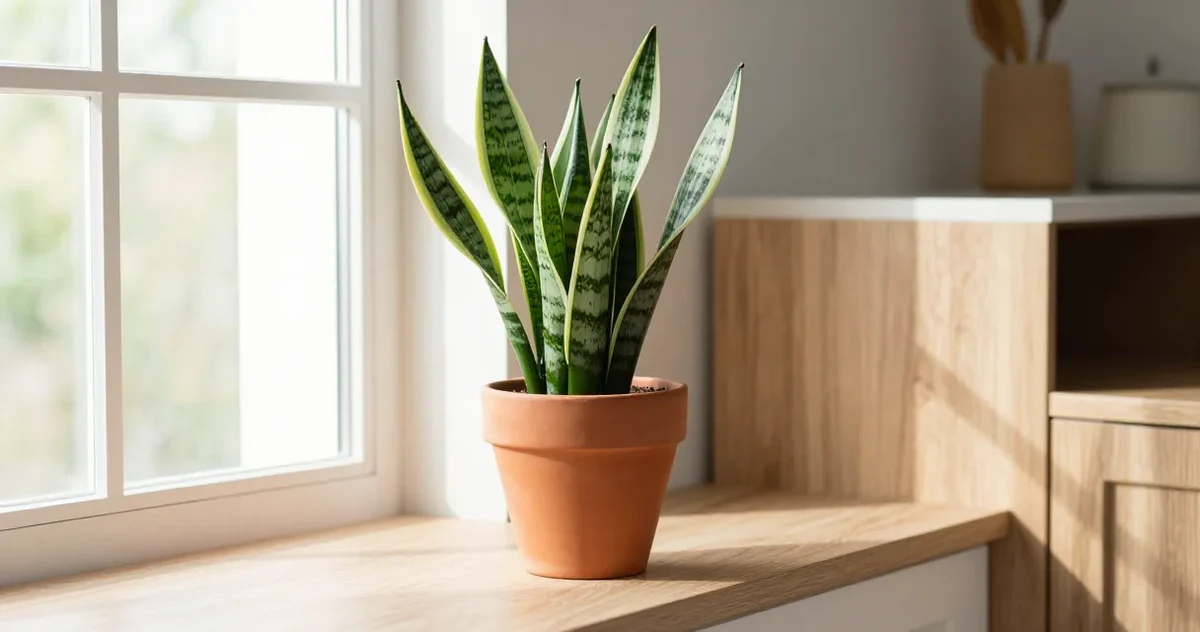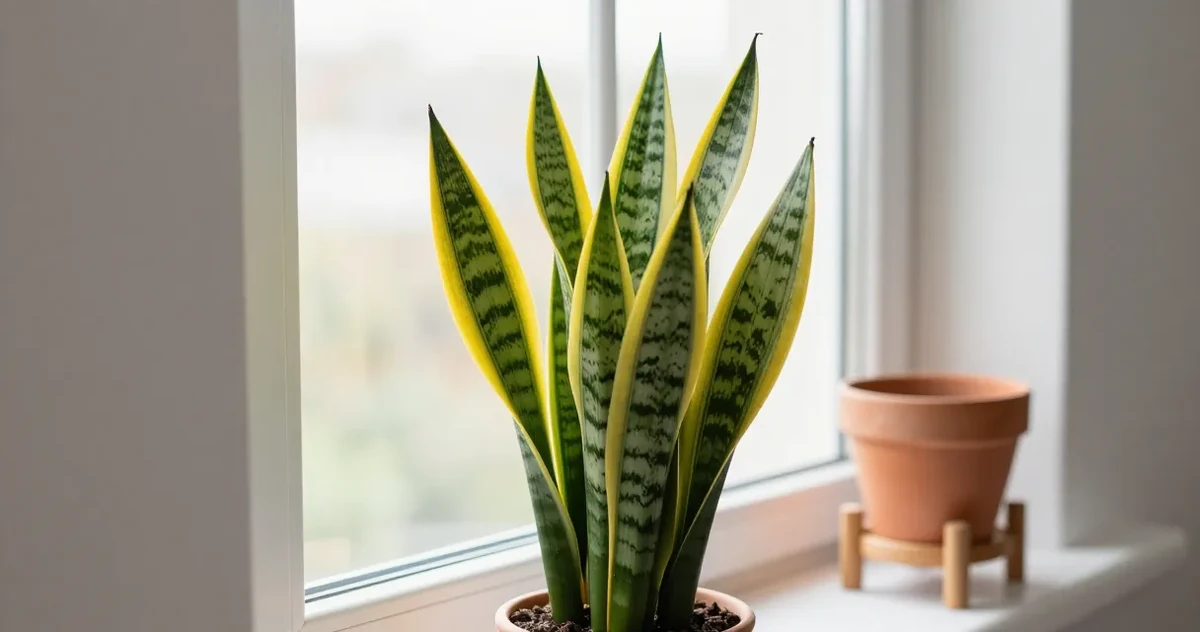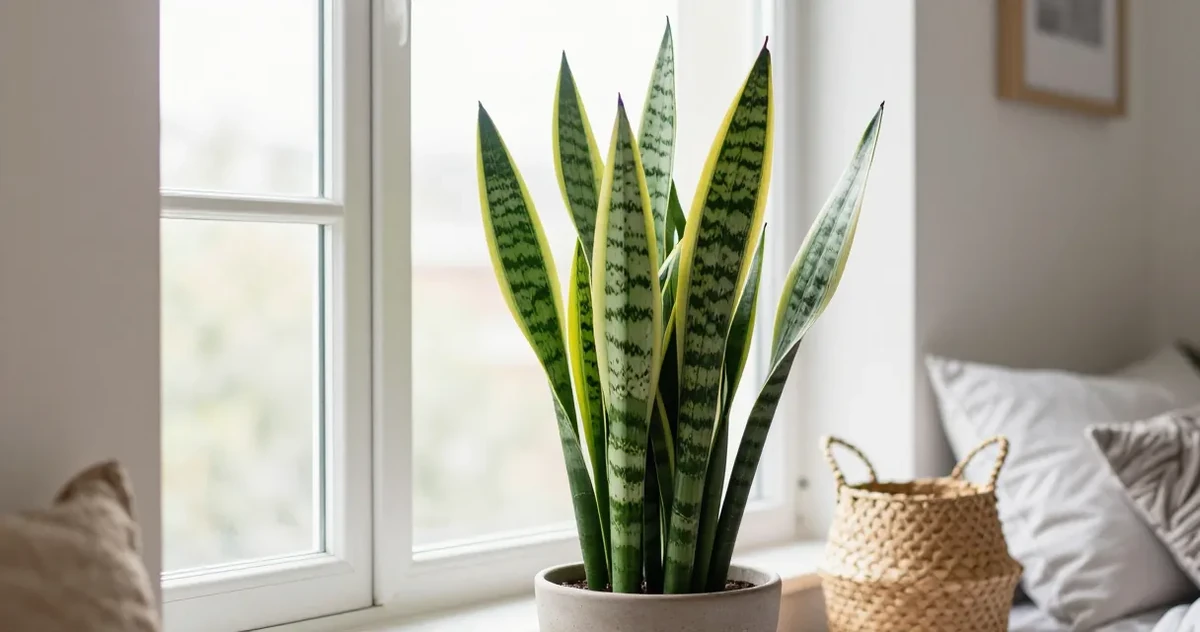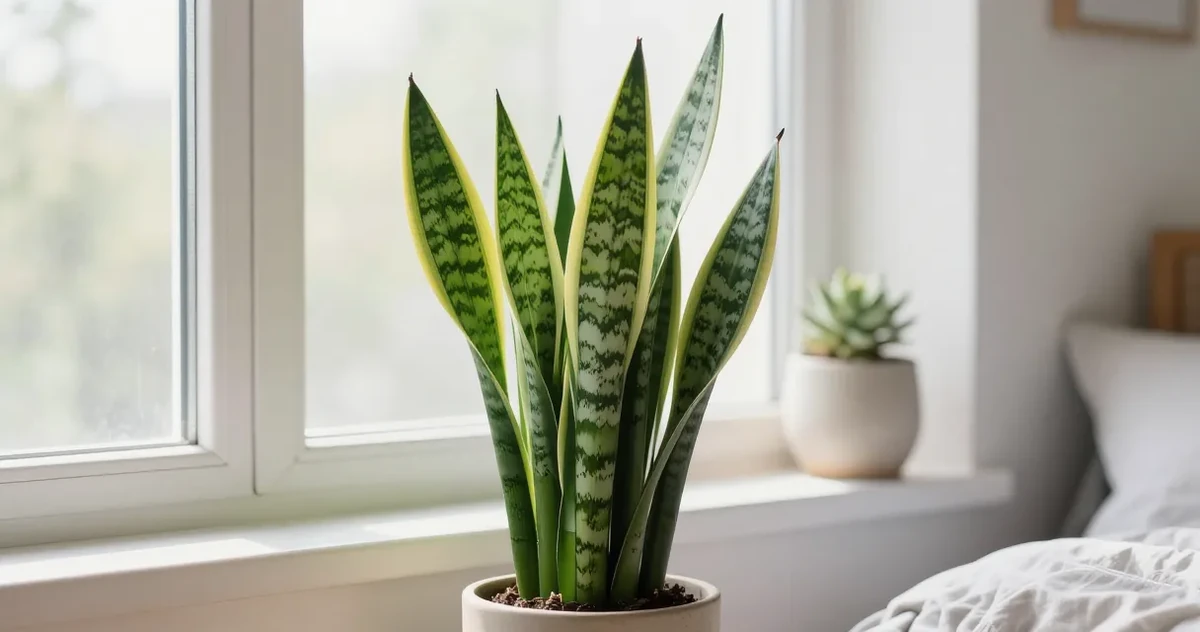
Snake plant with upright green-and-yellow striped leaves growing in a terracotta pot near a bright window

Snake Plant Care: Water, Light, and Easy Fixes

The Plant That Practically Takes Care of Itself If you’ve ever bought a plant because everyone promised she was easy, then still ended up searching yellow leaves at 11 p.m., snake plant care probably feels more confusing than it should. She really is one of the easier houseplants. The tricky part is that most problems come from kindness rather than neglect - too much water, soil that stays wet too long, or the assumption that low light means no light at all. ...

 · 14 min · 
Snake Plant Benefits for Every Room

Snake Plant Benefits for Every Room

If you want one indoor plant that can handle imperfect light, missed waterings, and a beginner learning curve, a snake plant is one of the safest bets. The real benefit is not that it magically fixes a room. It is that it gives you clear, slow feedback and rarely punishes you for being busy. For everyday care, think of a snake plant as a low-routine plant: give it a bright or medium-light spot if you can, let the soil dry all the way out, then water deeply and leave it alone again. ...

 · 11 min · 
Snake Plant Care Guide for Beginners

Snake Plant Care Guide for Beginners

The Short Version: Water Less Than You Think If you are here because your snake plant has yellow leaves, curling leaves, brown tips, or you are standing in a shop wondering whether this plant fits your routine, start here: snake plants usually struggle because they get watered too often, not because they are ignored. For most homes, water every two to three weeks in spring and summer, and about once a month in autumn and winter. Always check the soil first. If it is still damp a few centimetres down, do not water yet. If the leaves are yellow, mushy at the base, leaning in wet soil, or the pot smells sour, you are probably overdoing it. ...

 · 16 min ·