Snake plant leaf cuttings in a glass of water next to a small pot of soil, ready for propagation

Snake Plant Propagation: Water, Soil and Division Methods

Snake plant propagation is one of those things that sounds more complicated than it is – and yet still trips people up in the same ways every time. Cut a leaf, stick it in water, wait. Simple enough. But then the cutting goes mushy, or roots finally appear and the plant sulks when moved to soil, or the brand-new plant comes up plain green when the original had beautiful yellow edges. ...

 · 18 min · 
Snake plant with drooping leaves leaning to one side

Snake Plant Drooping: 6 Causes and How to Fix It Fast

Your snake plant has been perfectly fine for months, and now the leaves are leaning, bending, or going soft. The first instinct is usually to water it, check for root rot, or move it closer to the window. The trouble is that all three reactions can make things worse if you guess wrong. Snake plant drooping usually comes from one of a small set of causes: root trouble, thirsty soil, top-heavy growth, crowding, light imbalance, or recent stress. The right fix depends on which one you actually have. The diagnosis step is not optional here. ...

 · 12 min · 
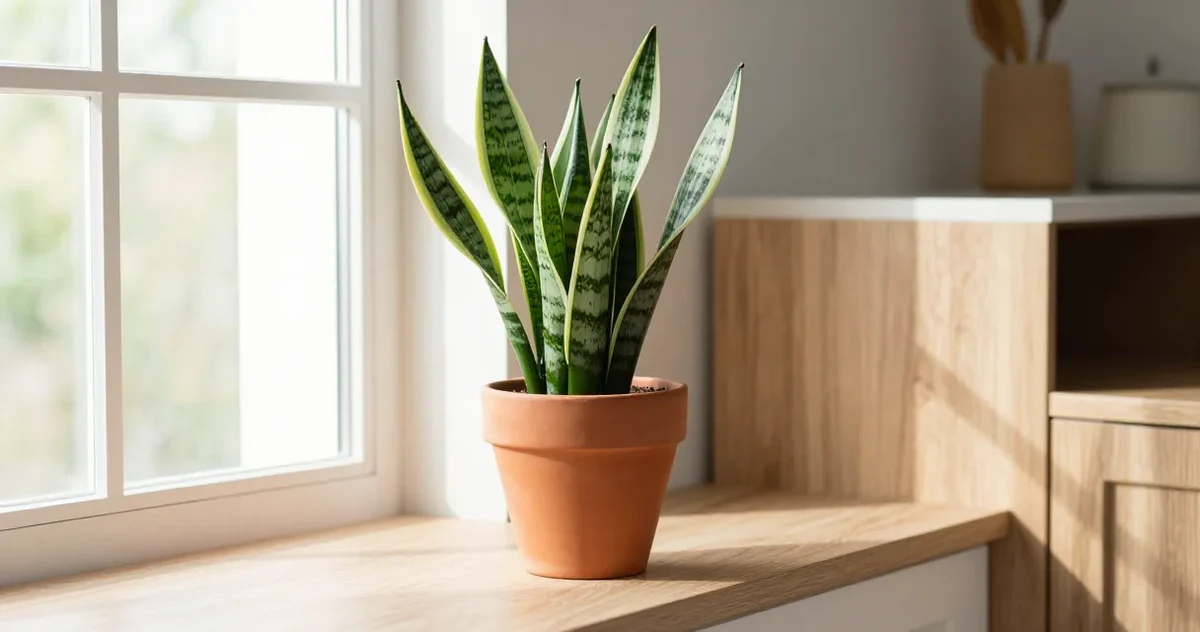
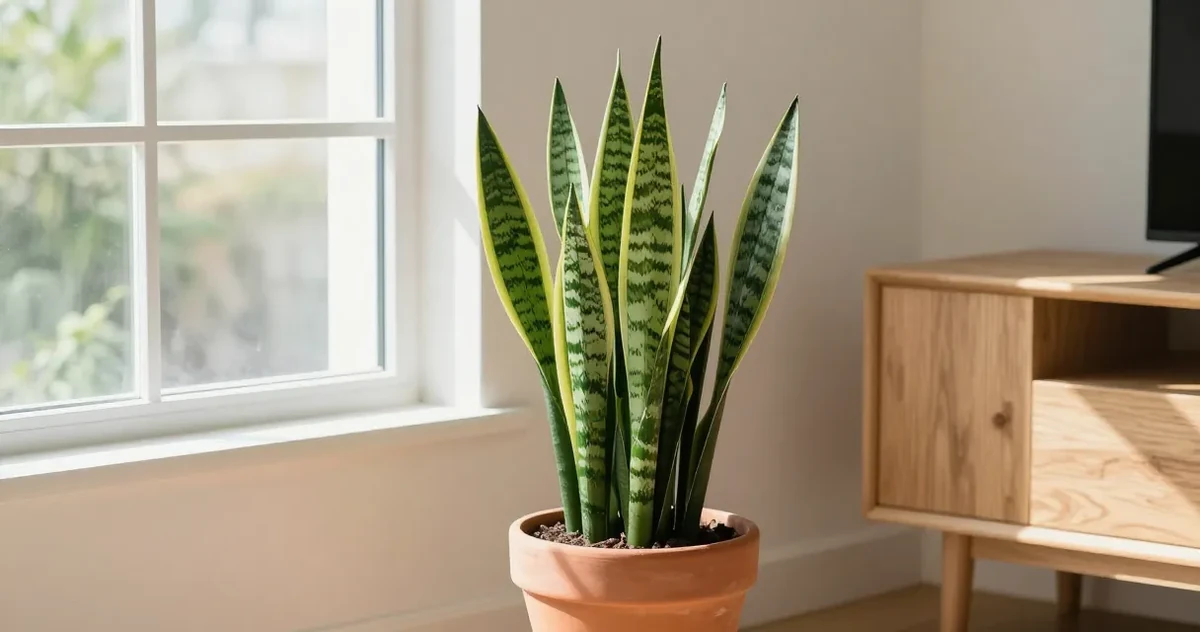
Snake plant with upright green-and-yellow striped leaves growing in a terracotta pot near a bright window

Snake Plant Care: Water, Light, and Easy Fixes

The Plant That Practically Takes Care of Itself If you’ve ever bought a plant because everyone promised she was easy, then still ended up searching yellow leaves at 11 p.m., snake plant care probably feels more confusing than it should. She really is one of the easier houseplants. The tricky part is that most problems come from kindness rather than neglect - too much water, soil that stays wet too long, or the assumption that low light means no light at all. ...

 · 16 min · 
Snake Plant Benefits for Every Room

Snake Plant Benefits for Every Room

If you want one indoor plant that can handle imperfect light, missed waterings, and a beginner learning curve, a snake plant is one of the safest bets. The real benefit is not that it magically fixes a room. It is that it gives you clear, slow feedback and rarely punishes you for being busy. For everyday care, think of a snake plant as a low-routine plant: give it a bright or medium-light spot if you can, let the soil dry all the way out, then water deeply and leave it alone again. If you want the full routine, the snake plant care guide walks through watering, light, and drainage in more detail. If the plant already looks wrong, the shorter snake plant care reset starts with the visible signal. ...

 · 17 min · 
Snake Plant Care Guide for Beginners

Snake Plant Care Guide for Beginners

Climate DNA for Dracaena trifasciata Snake plant is resolved here to the accepted name Dracaena trifasciata, with Sansevieria trifasciata retained by GBIF and POWO as the familiar synonym. The ranges below are the middle 50% (p25–p75), not recommended indoor setpoints. Reference taxon POWO native range Annual mean temperature Annual precipitation Relative humidity Solar radiation Evidence Dracaena trifasciata (snake plant) southern Nigeria to west-central tropical Africa and Tanzania 23.3–25.2°C 1585–1783 mm/yr 65–69% 16.1–18.1 MJ/m²/day 29 climate points; medium confidence What this changes in this guide: Its seasonally dry background supports caution with persistent wetness, but a container is not native ground: soil structure, light, temperature, and root health decide the safe interval. ...

 · 21 min ·