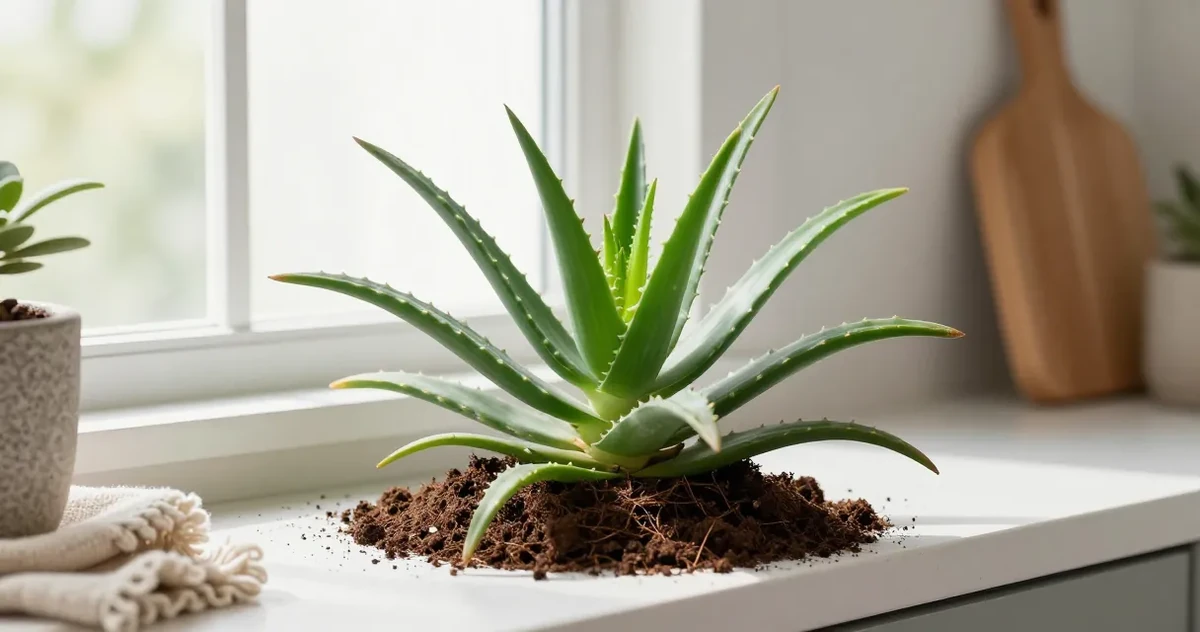
Hands mixing potting soil amendments including perlite and orchid bark for indoor plants

Best Potting Soil for Indoor Plants: By Plant Type

Your plant started declining after the last repot. You were careful about watering. The soil looked like it drained fine. The problem was almost certainly the mix itself, and nothing on the bag would have told you. Here is the thing most care guides skip: bagged all-purpose potting soil was not designed for your apartment. It was designed for outdoor containers and garden center shelves. Outdoors, direct sun, wind, and day-to-night temperature swings help pots dry out between waterings. In your home, without those forces, that same mix can hold moisture at root level for twelve to fourteen days after you water. That gap between “drained when I watered” and “soil is actually dry” is where roots quietly rot and fungus gnats breed – even when you are doing everything else right. ...

 · 26 min · 
Roots circling the bottom of a plastic nursery pot, visible when slid out before repotting

When to Repot Plants: 7 Signs It's Time for a Bigger Pot

By KnowYourPlant editorial team. Last updated: June 17, 2026. Knowing when to repot is one of those things that sounds obvious until you’re actually standing over a plant, trying to decide if it’s genuinely cramped or just looking a little dramatic. Most people repot too early, too often, or for the wrong reasons. A fair number also wait too long, then wonder why their plant stopped growing. The real problem is that the usual signs you’ll read about – roots at the drainage hole, slow growth, soil drying out fast – are real but incomplete. They show up in guides without context, and that missing context is what sends a healthy plant into unnecessary repot stress, or leaves a struggling one stuck in a pot it’s outgrown. ...

 · 18 min · 
Monstera plant being removed from pot to inspect roots for signs of root rot

Monstera Root Rot: How to Save Your Plant Step by Step

Your monstera looked fine last week. Now the leaves are yellowing, the soil feels permanently damp, and you have that sinking feeling something has gone wrong underground. If that sounds familiar, you might be dealing with monstera root rot - and catching it now, even before you are certain, gives you a real chance to save her. Monstera root rot is what happens when roots sit in waterlogged soil long enough that they can no longer take in oxygen. Without oxygen, roots stop functioning and begin to decay. The plant above the soil can look fine at first, then drop fast - which is exactly why so many owners get caught off guard. ...

 · 18 min · 
Hands repotting a houseplant into a larger terracotta pot with fresh potting mix

How to Repot a Plant: Step-by-Step Guide for Beginners

You notice roots coming out of the drainage hole. Or the soil dries out completely two days after watering. Or the plant just looks tired, like it’s been sitting in the same spot too long and quietly asking for something different. That something is usually a bigger pot, or at the very least, fresh soil. Repotting sounds more intimidating than it is. At its core, it’s simple: repotting is moving a plant into fresh soil and, when needed, a larger container so its roots have room to grow, access more nutrients, and drain properly. Most houseplants need attention every one to two years. Get it right and the plant rebounds with visible new growth within a few weeks. ...

 · 17 min ·