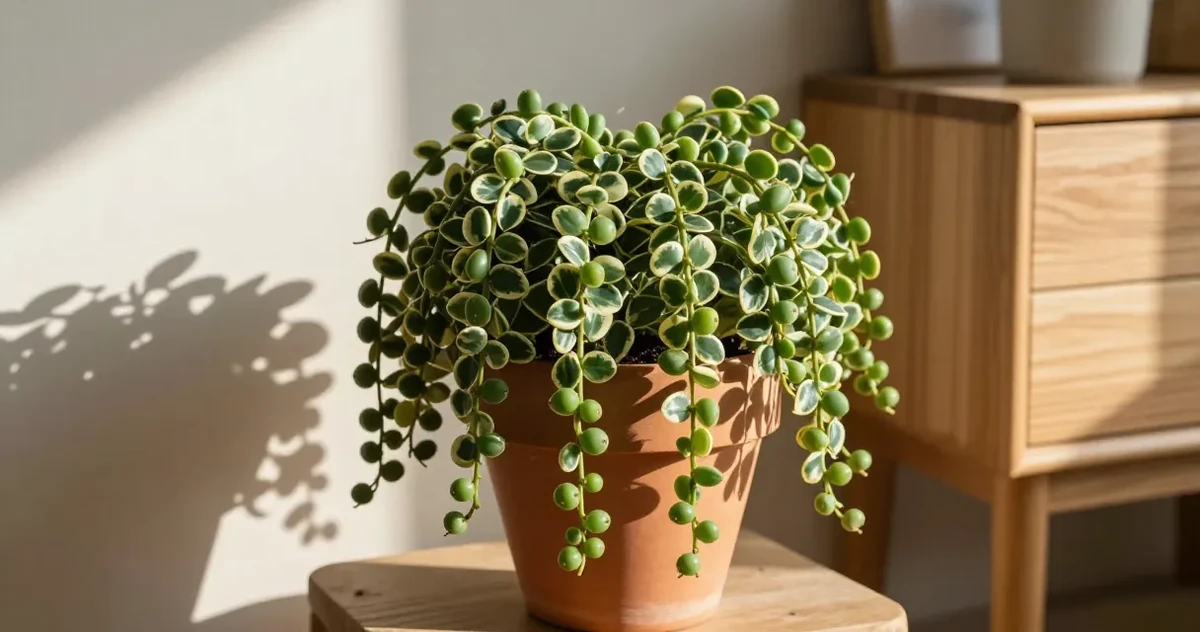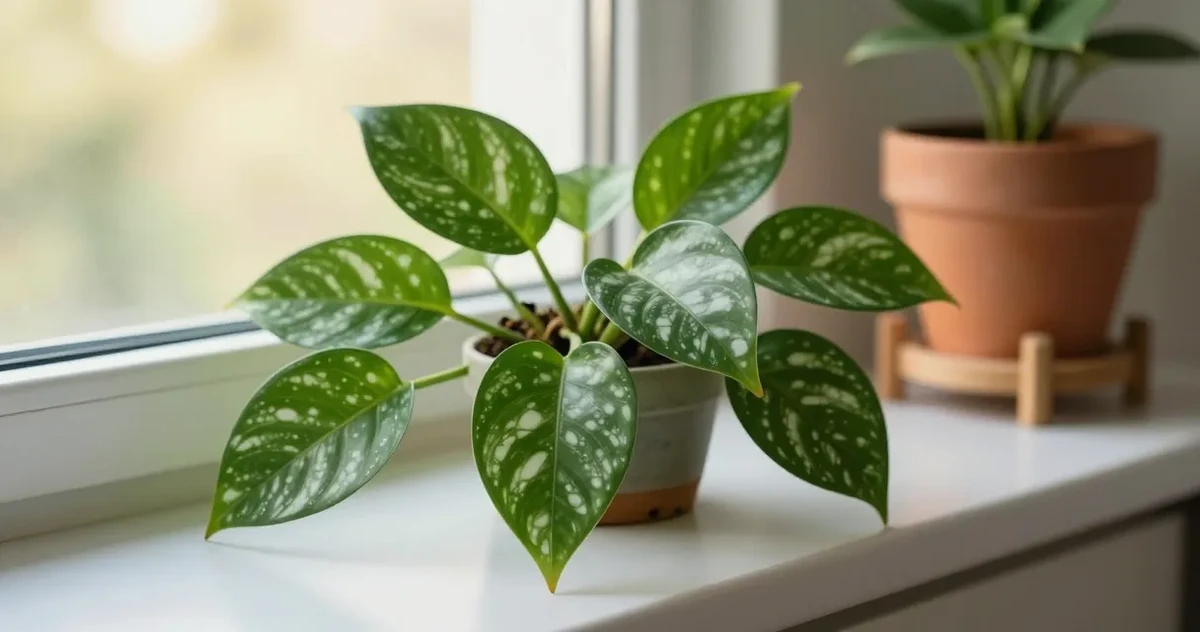
String of Hearts plant with variegated heart-shaped leaves trailing from a hanging pot

String of Hearts Care Guide: Propagation and Keeping Variegation

String of hearts is one of those plants people fall for instantly, then start second-guessing a few months later. The vines look so thin you worry she is weak. The leaves go paler and you wonder if she is dying. You water because she looks delicate, and somehow she looks worse. Here is the shift that makes this plant much easier to understand: string of hearts behaves much more like a succulent than like a thirsty trailing vine. Once you see her that way, most of her drama starts making sense. ...

 · 14 min · 
Philodendron Pink Princess Care Guide

Philodendron Pink Princess Care Guide

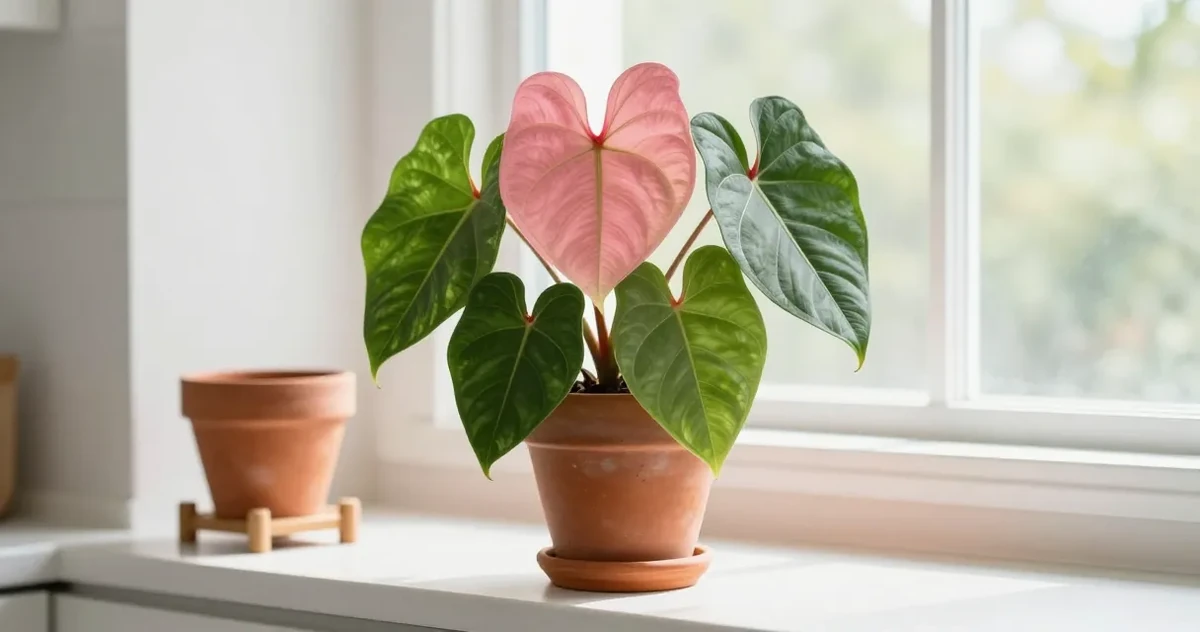
Philodendron Pink Princess is not hard to keep alive, but it is easy to disappoint if you buy it for the pink and then put it in a dim corner. The real care question is simple: can you give it bright indirect light, a pot that drains, and a soil check once a week? If yes, it can fit a normal indoor routine. If you want a plant you can water on a fixed schedule and forget, choose a tougher green philodendron instead. ...

 · 15 min · 
Philodendron Brasil Care Guide Indoors

Philodendron Brasil Care Guide Indoors

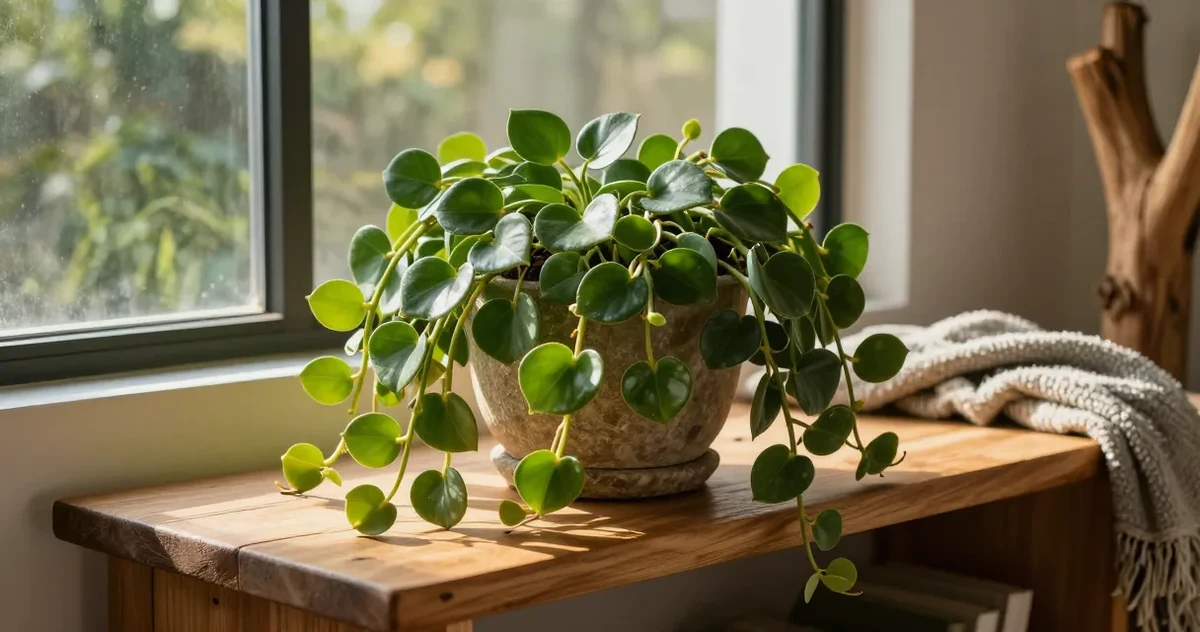
Philodendron Brasil is a good fit if you want a trailing plant that can forgive the occasional late watering, but it is not a great fit for a dark corner. Its yellow-green streaks need brighter indirect light than a plain heartleaf philodendron, and its roots need time to dry between waterings. The short version: put it near a bright window out of harsh direct sun, water when the top few centimetres of soil feel dry, and watch the newest leaves. Curling usually means the plant is too dry, yellowing often means the soil has stayed wet too long, and brown tips usually point to dry air, fertilizer buildup, or inconsistent watering. ...

 · 17 min · 
Marble Queen Pothos Care Guide Indoors

Marble Queen Pothos Care Guide Indoors

Marble Queen Pothos Care: The Quick Answer If you only remember one thing: Marble Queen Pothos needs brighter light than a regular green pothos, and it should dry partway between waterings. Check the soil once a week. Water when the top 3 to 4 cm, about 1 to 1.5 inches, feels dry. If it still feels damp, wait. Here is the beginner version: What you are deciding Practical answer Best spot Bright, indirect light near an east window or a few feet from a south/west window Watering Usually every 7 to 10 days in active growth, less in winter, but always check the soil first Too much water looks like Yellow lower leaves, soft limp stems, soil that stays wet for days, musty potting mix Too little water looks like Curling leaves, drooping vines, very dry soil pulling away from the pot edge Brown tips usually mean Inconsistent watering, dry air near vents, or mineral buildup from hard tap water Good fit for you? Yes if you have a bright room and can check soil weekly; no if the only spot is a dark corner Marble Queen is still a forgiving houseplant. It just gives clearer feedback than people expect: greener new leaves mean it wants more light, yellow leaves often mean the roots are staying too wet, and curling leaves usually mean the plant is thirsty or drying out too fast. ...

 · 15 min ·