Brown bottle of 3% hydrogen peroxide next to a houseplant in a terracotta pot

Hydrogen Peroxide for Plants: How to Use It Safely

Hydrogen Peroxide for Plants: How to Use It Safely You have tiny flies circling your favourite plant, or you just noticed the roots looked off during a repot. Before you buy anything special, check your medicine cabinet. There is a good chance the answer is already there. Hydrogen peroxide is one of those quietly useful tools that experienced growers reach for early, not as a magic fix, but as a simple, low-cost way to deal with fungus gnats, root rot, and contaminated soil before things spiral further. It is cheap, widely available, leaves no chemical residue, and works fast. ...

 · 13 min · 
How to Get Rid of Fungus Gnats Fast

How to Get Rid of Fungus Gnats Fast

Symptom Diagnosis Card Start with the pattern, not the first fix you remember. For fungus gnats in houseplants, the wrong treatment can make the plant worse because water, light, pests, and root stress can produce similar-looking decline. What you see Check first Next move Tiny flies around soil/window Adult fungus gnats Use sticky traps to monitor adults Wet organic soil, larvae suspected Larval breeding zone Let top layer dry and use Bti/nematode control if needed Gnats return after spraying adults Larvae not addressed Treat soil cycle, not just flying adults Decision Tree Check whether the newest growth, oldest leaves, soil surface, root zone, or leaf undersides changed first. If the soil or roots are involved, fix drainage and watering rhythm before adding fertilizer or sprays. If pests are visible, isolate the plant and treat the pest life cycle, not just the visible damage. If the problem followed a move, repot, heat wave, grow light change, or winter heating, treat it as stress until the evidence says otherwise. Make one change, then observe for 7 to 14 days unless the plant has active rot or a spreading pest infestation. Common Mistakes Watering again because leaves look thirsty while the root zone is already wet. Treating every brown or yellow mark as a nutrient deficiency. Spraying before checking leaf undersides, soil moisture, roots, and nearby plants. Repotting into a much larger pot, which can keep the root zone wet longer. Expecting damaged leaves to turn green again; recovery usually shows in new growth. Seasonal Note In winter or in air-conditioned rooms, growth slows and soil stays wet longer. In summer, brighter windows and faster drying can make the same care routine behave differently. Re-check light, watering interval, and humidity whenever the season or room conditions change. ...

 · 15 min · 
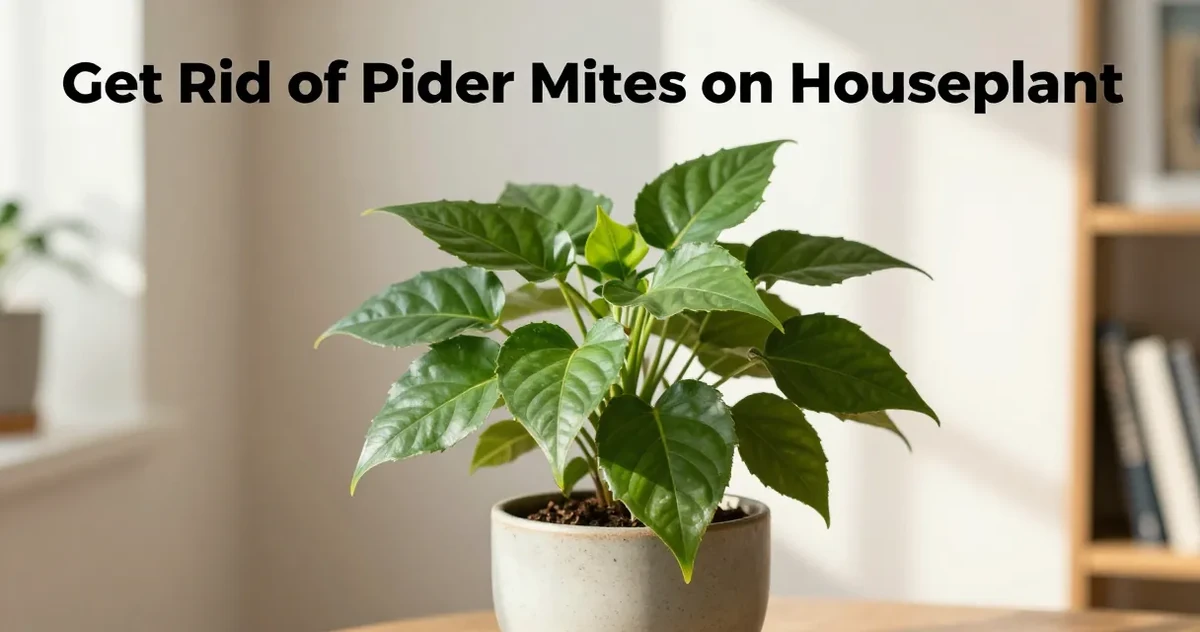
How to Get Rid of Spider Mites Fast

How to Get Rid of Spider Mites Fast

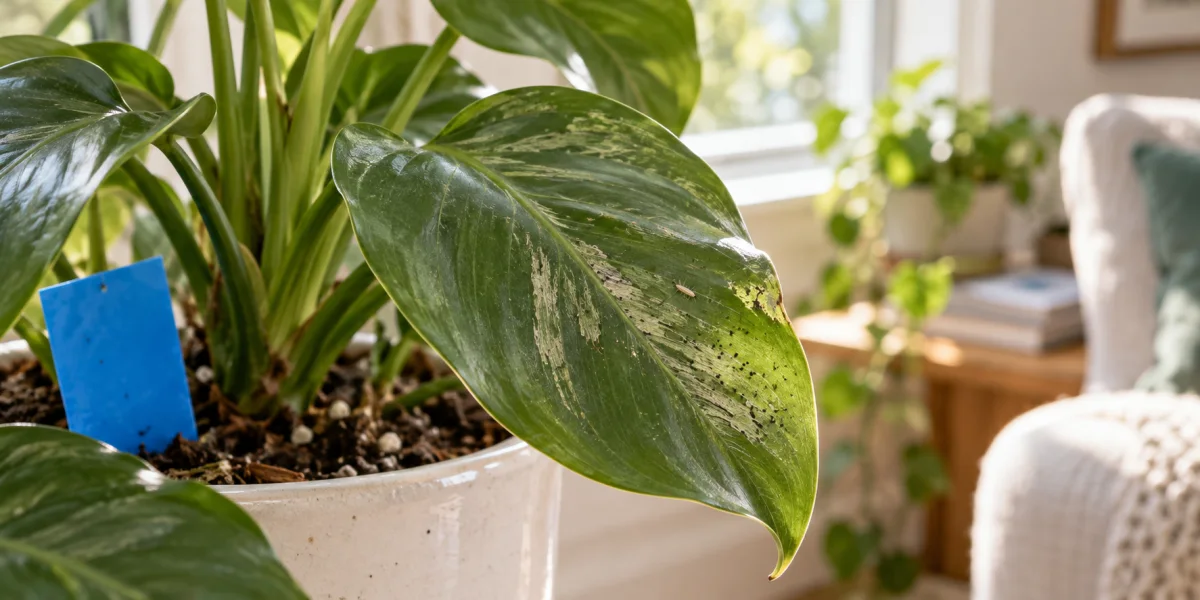
You notice a faint dustiness on the leaves. Maybe some tiny yellow speckles, or a leaf that looks a little washed out. You lean in closer and see the faintest threads of webbing in the crook where the stem meets a leaf. That’s when you know: spider mites have found your plant. Knowing how to get rid of spider mites is one of the most useful things you can learn as a plant person, because these pests move fast and they don’t announce themselves loudly. The good news is that if you catch them early, they’re very manageable. And even if the infestation has gotten ahead of you, there’s still a clear path back. ...

 · 16 min ·